









































 Workout

 Meditation


 Podcast
 E-book


AT A GLANCE
- In fact, it is estimated that over half of all women over the age of 50 will experience a fracture due to osteoporosis in their lifetime.
- In order for women to take proactive measures to manage their bone health, it is essential for them to comprehend the connection between menopause and osteoporosis.
- One way to do this is through lifestyle changes such as a healthy diet rich in calcium and vitamin D, regular exercise and avoiding smoking and excessive alcohol consumption.

Certain health issues are more likely to affect women. After the age of 30, women start losing bone density at a faster rate compared to men. Low bone density and deteriorating bone tissue are the causes of osteoporosis, a common health condition that causes bones to be weak and fragile. Osteoporosis can happen to anyone, but postmenopausal women are more likely to get it. In fact, it is estimated that over half of all women over the age of 50 will experience a fracture due to osteoporosis in their lifetime. So, today we will understand more about postmenopausal osteoporosis, causes, various risk factors and prevention tips.
Postmenopausal Osteoporosis: What You Need to Know?
When the body’s natural process of making bones is disrupted, postmenopausal osteoporosis occurs. During menopause, the levels of estrogen in a woman’s body drop significantly and estrogen plays a key role in bone health. Without enough estrogen, the bones may not form as they should, leading to weaker bones that are more prone to fracture.
Risk Factors.
- Family history of osteoporosis.
- Being thin or having a small frame.
- Smoking.
- Excessive alcohol consumption.
- Sedentary lifestyle.
- Diet low in calcium and vitamin D.
- Early menopause (before age 45).
Causes of Postmenopausal Osteoporosis.
- Lifestyle choices can contribute to low bone density in women.
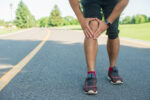
- Prolonged inactivity can lead to cramps and pain in the legs due to bone stiffness.
- Obesity can put pressure on bones and joints, leading to weaker bones.
- Smoking can produce free radicals that harm bone health and kill cells that aid in bone formation.
- Alcohol consumption reduces the secretion of hormones necessary for bone health.
- Excess sodium intake can increase the release of calcium in urine, risking bone health.
Ways of Preventing Loss of Bone Density After Menopause.
1 lifestyle changes.
In order for women to take proactive measures to manage their bone health, it is essential for them to comprehend the connection between menopause and osteoporosis. One way to do this is through lifestyle changes such as a healthy diet rich in calcium and vitamin D, regular exercise and avoiding smoking and excessive alcohol consumption.
Related Stories
 Overcoming Mental Exhaustion: Simple Strategies for Rejuvenation
 Top 20 Indoor and Outdoor Summer Safety Tips For Your Kids
Adequate calcium and vitamin D intake are essential for building and maintaining strong bones and exercise helps to promote bone density by stimulating bone formation.
2 Medication Therapy.
In addition to lifestyle changes, women with osteoporosis can also go for medication therapy. Additionally, hormone therapy aids in the reduction of osteoporosis. Bisphosphonates, denosumab, and teriparatide are among the medications that can slow down bone loss and lower the risk of fractures. These medications can have side effects and may not be suitable for everyone, so it is important to discuss the benefits and risks with a healthcare provider.
3 Proper Nutrition In The Diet.

Having a balanced, nutritious diet can prevent bone density problems. Experts recommend adding fruits and liquids rich in calcium, vitamin D, protein, potassium and magnesium to strengthen bones. Additionally, individuals should determine the appropriate number of calories to consume based on their age, height and weight.
4 Regular Exercise.
When it comes to bone health, physical activity is essential as it helps in maintaining bone density and strength. In younger individuals, exercise can increase bone mass, which is important to prevent osteoporosis later in life. However, in older adults, the focus should be on developing muscle mass and improving balance, which can help to prevent falls and fractures.

It is important to avoid overburdening the bones, especially in individuals with bone problems. Engaging in high-impact activities such as running and jumping may not be suitable for individuals with severe bone problems. Instead, low-impact activities such as walking, swimming and cycling can be beneficial for maintaining bone and muscle health without causing unnecessary stress on the bones
5 Proper Posture.
It is important for individuals who have bone problems to be mindful of their posture while sitting and standing. Slouching or standing with poor posture can place unnecessary stress on the bones and joints, increasing the risk of fractures or cracks. Therefore, it is recommended to maintain an upright posture while sitting and standing to minimize the risk of bone damage.
In addition to maintaining good posture, individuals with bone problems should also avoid sudden, jerky movements. These sudden movements can put undue stress on the bones and may cause them to crack or fracture. Therefore, it is important to move slowly and deliberately, especially when getting up from a seated or lying position.
6 Adding Supplements to the Diet.
Vitamin deficiencies can cause a host of problems like fatigue, weakness, poor immune function and even mental health issues. For instance, a deficiency in vitamin D can lead to weakened bones, while a lack of vitamin B12 can cause anemia and neurological problems. In such cases, supplements can help to fill the nutrient gap and prevent these issues from occurring.
Supplements can also be helpful for people who have certain dietary restrictions or health conditions that prevent them from consuming certain foods. For example, vegetarians and vegans may not get enough vitamin B12, which is primarily found in animal products. In such cases, taking a vitamin B12 supplement is essential to avoid deficiencies.
*Note. It is important to note that supplements should not replace a healthy diet. The best way to obtain nutrients is through a balanced diet that includes a variety of fruits, vegetables, whole grains, lean proteins and healthy fats. Supplements should only be used to complement a healthy lifestyle and to fill any nutrient gaps that may exist. It is also important to consult a healthcare professional before starting any supplements to ensure that they are safe and appropriate for individual needs.
Bottom Line.
As age increases and certain medications are used, they are most likely to affect bone health, particularly after pregnancy. However, doctors recommend monitoring the underlying symptoms associated with bone problems and developing a routine for check-ups. Based on the patient’s age, weight and height, the doctor may recommend the appropriate medication and treatment options to maintain healthy bones.