











































 Workout

 Meditation


 Podcast
 E-book


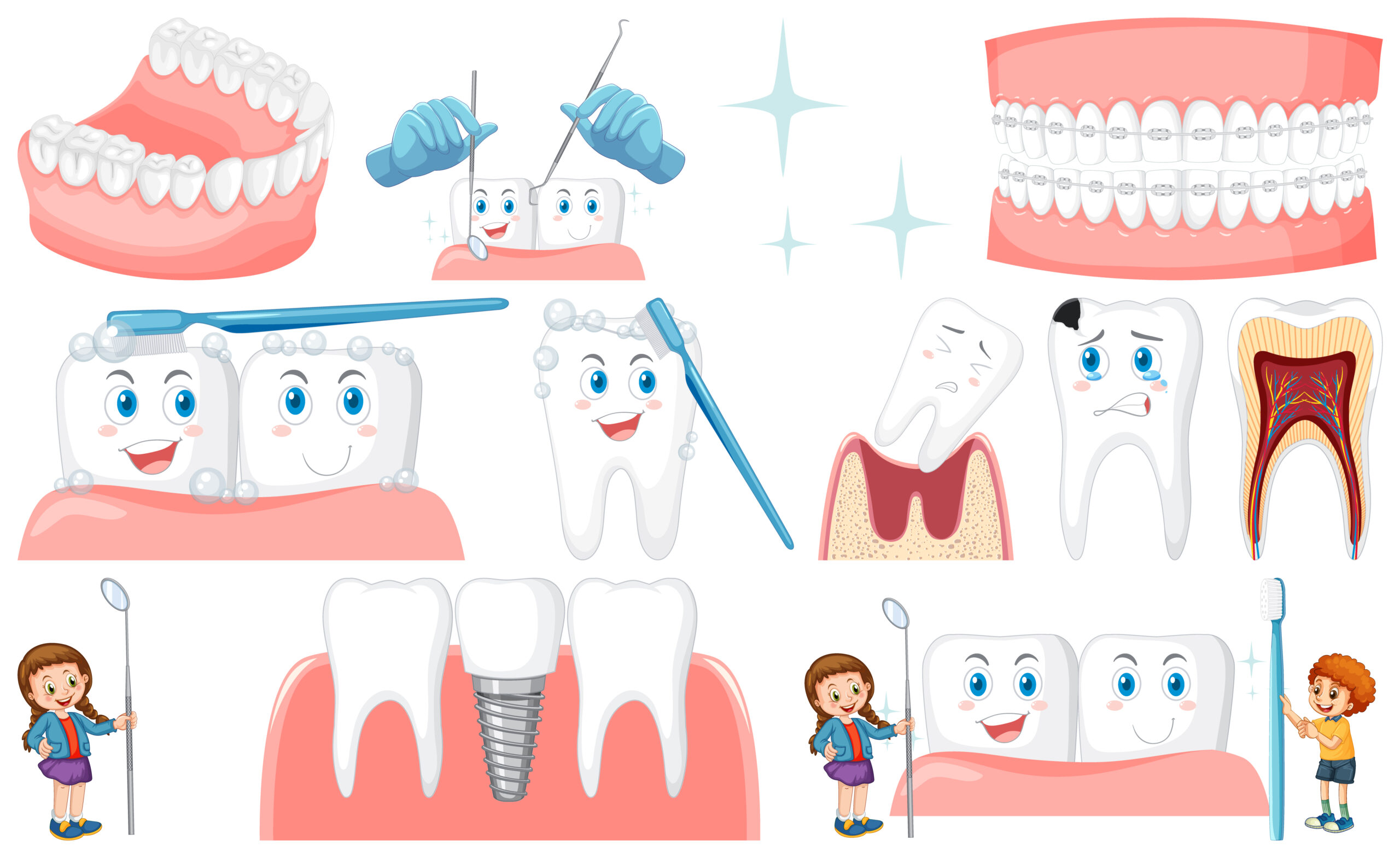
Teeth are an integral part of the human body, playing a crucial role in various functions such as biting, chewing, and speaking. They are often associated with bones due to their similar appearance and strength.
However, the question of whether teeth are actually considered bones has long been a subject of curiosity and debate among individuals.
In this discussion, we will explore the composition, structure, and unique characteristics of teeth to determine whether they can be classified as bones or if they possess distinct qualities that set them apart.
By delving into the fascinating world of dental anatomy, we can gain a deeper understanding of the nature of teeth and their relationship to the skeletal system.
What is the composition of bones?
Bones, which are a vital component of the skeletal system, possess a complex composition consisting of various elements and structures.
Primarily, bones are composed of a combination of organic and inorganic components, giving them their remarkable strength and durability.
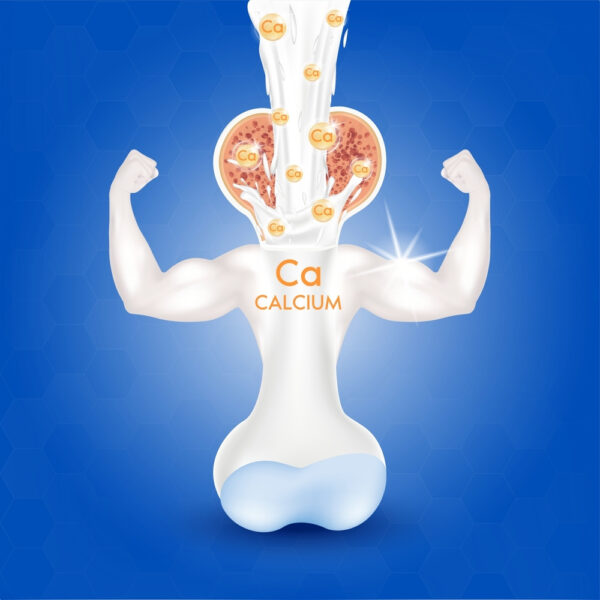
The organic component of bones constitutes approximately one-third of their composition. This organic matrix is predominantly composed of a protein called collagen, specifically type I collagen. Collagen fibers provide flexibility and elasticity to bones, thereby preventing them from being overly brittle.
Additionally, the organic matrix also contains other proteins, such as osteocalcin and osteonectin, which aid in bone development and maintenance.
The inorganic component of bones accounts for the remaining two-thirds of their composition and imparts them with their exceptional hardness.
The primary inorganic mineral present in bones is hydroxyapatite, a form of calcium phosphate. These hydroxyapatite crystals interlock with collagen fibers, creating a sturdy framework that gives bones their rigidity.
Moreover, bones also contain smaller amounts of other minerals like magnesium, sodium, and potassium, contributing to their overall mineral composition.
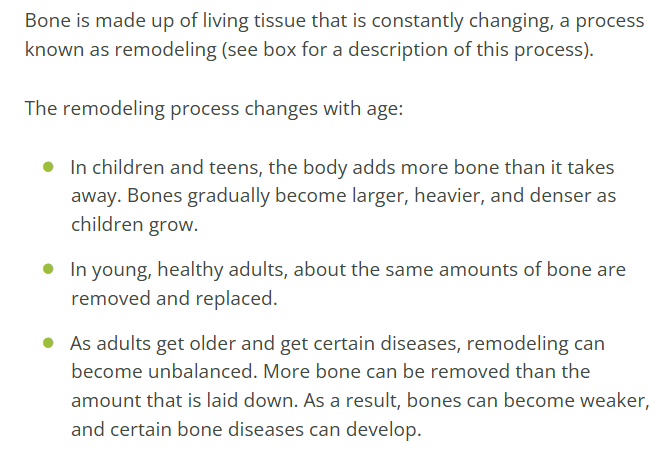
Apart from collagen and minerals, bones also contain a rich supply of specialized cells. Osteoblasts, responsible for bone formation, secrete collagen and minerals required for bone growth.
Osteoclasts, on the other hand, are cells involved in bone resorption, breaking down old or damaged bone tissue. Osteocytes, embedded within the bone matrix, regulate bone remodeling and maintenance, ensuring a delicate balance between bone formation and resorption.(1)
| 💡 Tips FreakToFit.com Bones are a remarkable marvel of composition, blending organic and inorganic components harmoniously. This unique combination of collagen, minerals, and specialized cells provides bones with their exceptional strength, flexibility, and ability to support and protect the body’s framework. |
What is the composition of teeth?
Teeth, which are vital components of the oral cavity, possess a complex and fascinating composition that enables their unique structure and various functions.
The composition of teeth primarily consists of a combination of mineralized tissues, organic substances, and other essential components.
The outermost layer of a tooth, known as enamel, is the hardest substance in the human body. It is primarily composed of hydroxyapatite crystals, a calcium phosphate mineral that provides strength and durability.
Enamel acts as a protective shield, safeguarding the underlying structures of the tooth from wear, decay, and external factors.
Beneath the enamel lies the dentin, a yellowish layer that constitutes the bulk of the tooth structure. Dentin is a mineralized tissue composed primarily of hydroxyapatite crystals, similar to enamel, but with a higher organic content.
It is responsible for providing support and structure to the tooth, as well as transmitting sensations such as temperature and pressure.
Within the dentin, tiny channels called dentinal tubules traverse from the pulp chamber to the outer surface of the tooth.
These tubules contain odontoblasts, specialized cells responsible for dentin formation and repair. Dentinal tubules play a crucial role in transmitting stimuli and maintaining tooth vitality.
At the core of the tooth lies the dental pulp, a soft connective tissue rich in blood vessels, nerves, and cells.
The dental pulp houses the odontoblasts, along with other cell types, such as fibroblasts and immune cells. It functions as the vital center of the tooth, providing nourishment, sensory perception, and defense against bacterial invasion.
Additionally, teeth comprise various other components that contribute to their overall structure and function. Cementum, a mineralized tissue similar to bone, covers the roots of teeth and anchors them to the jawbone through specialized fibers known as periodontal ligaments. Cementum also aids in tooth support and serves as a protective layer.
Furthermore, teeth contain a network of blood vessels, lymphatic vessels, and nerves that supply nutrients, oxygen, and sensory information.
These vascular and neural networks ensure the tooth remains vital and responsive to its surroundings.
| 💡 Tips FreakToFit.com The composition of teeth encompasses enamel, dentin, dental pulp, cementum, and a complex network of blood vessels and nerves. This intricate arrangement of mineralized tissues, organic substances, and supporting structures allows teeth to fulfill their essential roles in chewing, speaking, and maintaining overall oral health. |
People often ask.
No, teeth are not cartilage.
No, teeth are not skin.
No, teeth are not counted in the 206 bones of the human body.
Teeth are neither bones nor keratin, they are classified as dental tissue.
Teeth are not classified as bones; they are calcified structures made up of dentin and enamel.
Token Message.
Teeth are often mistaken as bones due to their similar appearance and composition. However, teeth are not classified as bones as they differ in structure and function. While both teeth and bones are composed of calcium, phosphorus, and other minerals, teeth contain less collagen and have a different type of mineralization process. Additionally, teeth are uniquely designed for cutting, tearing, and grinding food, while bones serve a supportive and protective role in the body. Understanding the distinction between teeth and bones is crucial for proper dental care and overall health.
+1 Source
Freaktofit has strict sourcing guidelines and relies on peer-reviewed studies, educational research institutes, and medical organizations. We avoid using tertiary references. You can learn more about how we ensure our content is accurate and up-to-date by reading our editorial policy.
- What Is Bone?; https://www.niams.nih.gov/health-topics/what-bone