










































 Workout

 Meditation


 Podcast
 E-book


Are you looking for a natural way to keep your skin looking healthy and vibrant? Look no further! Tea tree soap has numerous benefits of tea tree soap that can help you achieve a flawless complexion. Tea tree oil is well known for its antibacterial, antifungal, and anti-inflammatory properties. Not only does it fight acne, but it can also reduce the appearance of wrinkles, blemishes, and other skin imperfections. In this blog post, we will dive into the amazing secret benefits of tea tree soap and how you can use it to achieve a beautiful complexion.
Benefits of Tea Tree Soap.
1 Tea Tree Oil Has Antimicrobial Properties.
One of the many benefits of tea tree soap is its powerful antimicrobial properties. This means that it can kill or inhibit the growth of bacteria, viruses, and fungi that may be lurking on your skin. By using tea tree soap regularly, you can keep your skin clean and healthy, free from harmful microorganisms that can cause infections and skin irritations. Tea tree oil is a natural and gentle alternative to harsh chemical antibacterial agents, making it an ideal choice for people with sensitive skin or those who are concerned about the potential side effects of synthetic chemicals. With regular use of tea tree soap, you can enjoy the peace of mind that comes with knowing that your skin is protected from harmful microorganisms.(1)
2 It Can Help to Treat Acne.
Acne is a common skin condition that can cause pimples, blackheads, and whiteheads. It is caused by the buildup of oil and dead skin cells on the skin’s surface, which clogs the pores. Tea tree soap is an excellent remedy for treating acne due to its antimicrobial and anti-inflammatory properties.(2)
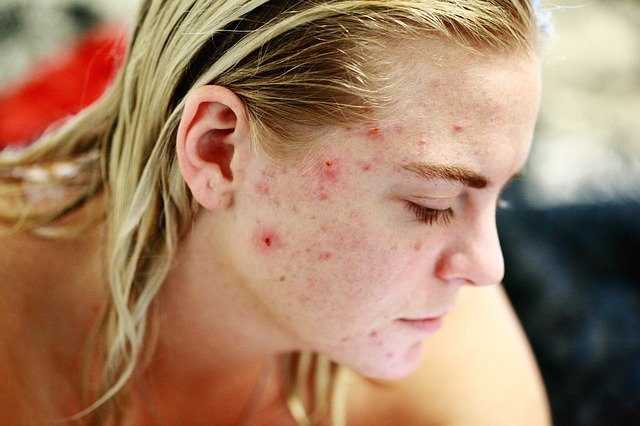
Tea tree soap contains natural tea tree oil, which has powerful antimicrobial properties. It can help to kill the bacteria that cause acne and prevent new breakouts from forming. The anti-inflammatory properties of tea tree oil also help to reduce redness and swelling associated with acne.
Related Stories
 Ayurvedic Herbs for Menstrual Cramps
 Do Cranberry Pills Help Against Cystitis? Science Gives Us the Answer
When using tea tree soap for acne, it is essential to be consistent with your skincare routine. Use the soap twice daily, morning and night. Start by washing your face with warm water to open up the pores. Apply a small amount of the soap to your face and gently massage it into your skin. Rinse thoroughly with cold water to close the pores.
It is also essential to moisturize your skin after using tea tree soap. Tea tree oil can be drying, and using a moisturizer can help to prevent dryness and irritation. Look for a moisturizer that is oil-free and non-comedogenic to avoid clogging your pores.
Tea tree soap is a natural and effective treatment for acne. It is an affordable and safe option for anyone looking for a natural alternative to harsh acne medications. However, if you have severe acne, it is essential to consult with a dermatologist for professional advice and treatment options.
3 It Can Be Used as a Natural Deodorant.
One of the most common uses of tea tree soap is as a natural deodorant. Tea tree oil has antimicrobial properties that help to kill odor-causing bacteria on your skin, leaving you feeling fresh and clean. Unlike commercial deodorants that contain harmful chemicals like aluminum, tea tree soap is all-natural and gentle on the skin.
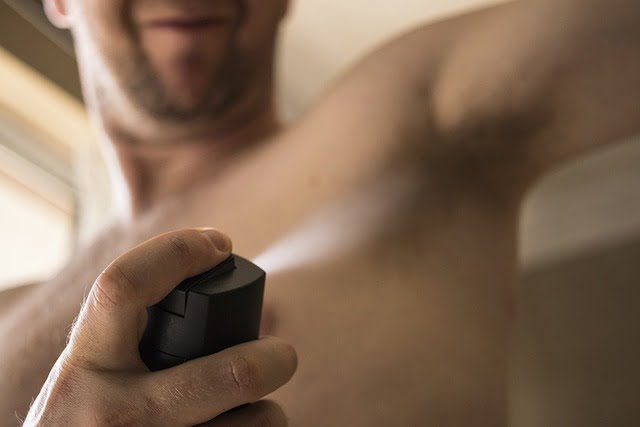
Simply lather the tea tree soap on your underarms during your shower routine and rinse off with warm water. You can also leave the lather on for a few minutes to let the tea tree oil work its magic. Not only will it keep you smelling great throughout the day, but it can also help to reduce sweating.
If you’re looking for an all-natural and effective alternative to commercial deodorants, tea tree soap is definitely worth trying. It’s also a more sustainable option as it’s package-free and produces less waste. Give it a try and experience the benefits of tea tree soap for yourself.
4 It Can Help to Soothe Skin Conditions Like Psoriasis and Eczema.
Tea tree soap has been proven to be an effective natural remedy for soothing skin conditions like psoriasis and eczema. These two conditions are both characterized by itchy, inflamed skin patches, which can be difficult to manage. Tea tree oil’s anti-inflammatory and antimicrobial properties make it an excellent ingredient to help ease the symptoms of these conditions.
Studies have shown that tea tree oil can help reduce inflammation and itching in people with psoriasis and eczema. Its antibacterial properties can also help prevent bacterial infections, which are common in people with eczema.

Using tea tree soap as part of your daily skincare routine can help alleviate the symptoms of psoriasis and eczema. However, it’s important to note that this soap should not be used as a replacement for any medications or treatments prescribed by a healthcare professional.
Additionally, if you have sensitive skin, it’s important to patch-test the tea tree soap before using it regularly. Some people may experience skin irritation or allergic reactions to tea tree oil, so it’s best to start with a small area of skin and see how it reacts.
5 You Can Use It as a Natural Shampoo.
Not only does tea tree soap work wonders for your skin, but it can also be used as a natural shampoo. This is because it contains antifungal and antimicrobial properties that help to fight off dandruff, scalp infections, and lice. Using tea tree soap as shampoo can leave your hair feeling clean and refreshed without any harsh chemicals or synthetic fragrances.
To use tea tree soap as a shampoo, wet your hair thoroughly and lather up the soap in your hands. Massage the soap into your scalp, focusing on areas that may be prone to dandruff or irritation. Rinse thoroughly with warm water, and follow up with a natural conditioner or apple cider vinegar rinse for extra shine and softness.
However, it’s important to note that tea tree soap should not be used on color-treated hair as it can cause the color to fade. If you have sensitive skin or scalp, it’s also important to do a patch test before using tea tree soap as a shampoo to avoid any adverse reactions.
Overall, using tea tree soap as a natural shampoo is a great way to promote a healthy scalp and beautiful hair without exposing your hair to harsh chemicals. Give it a try and see the difference it can make!
6 Antifungal.
Tea tree oil has been shown to have antifungal properties, which means that it can help to fight off fungal infections on the skin. This is because the oil contains compounds like terpinen-4-ol, which are known to have strong antifungal activity.
Using tea tree soap can be a great way to keep your skin healthy and free from fungal infections like athlete’s foot or ringworm. Simply lather up with the soap and apply it to the affected area, allowing it to sit for a few minutes before rinsing it off. This can help to kill off any fungi that may be present and prevent the infection from spreading.
However, it’s important to note that tea tree oil can be quite strong, and it may not be suitable for everyone. If you have sensitive skin or are prone to allergic reactions, it’s a good idea to test a small patch of skin first before using tea tree soap on a larger area.
Overall, the antifungal properties of tea tree soap make it a great choice for anyone looking to maintain healthy, fungal-free skin. With regular use, you can enjoy the benefits of this natural ingredient and keep your skin looking and feeling its best.
5 Side effects.
Despite the numerous benefits that tea tree soap has to offer, there are some potential side effects to be aware of. These include:
1 Skin irritation: Tea tree soap may cause skin irritation in some people, especially those with sensitive skin.
2 Dryness: Tea tree oil can strip your skin of its natural oils, leading to dryness and flakiness.
3 Allergic reactions: Tea tree oil is a known allergen and can cause allergic reactions in some people.
4 Discoloration: Using tea tree soap for a prolonged period can lead to discoloration of the skin, especially if you have fair skin.
5 Interaction with medication: Tea tree oil may interact with certain medications, including blood thinners and antidepressants. It is always best to check with your doctor before using any new products.
While tea tree soap is generally safe for most people, it is always a good idea to do a patch test before using it regularly to see how your skin reacts to it. If you experience any adverse reactions, discontinue use immediately and consult your dermatologist.
How to Use Tea Tree Soap?
Tea tree soap is an excellent addition to your skincare routine. Here’s how to use it:
1 Wet your skin: Before using tea tree soap, wet your skin with warm water. This will help open your pores and prepare your skin for cleansing.
2 Lather: Create a lather with the tea tree soap and gently massage it onto your skin. Be sure to focus on any areas prone to acne or skin conditions.
3 Rinse: After thoroughly washing your skin, rinse with warm water.
4 Pat dry: Use a clean towel to pat your skin dry.
5 Moisturize: After using tea tree soap, it’s important to moisturize your skin. Choose a natural, oil-free moisturizer to avoid clogging your pores.
You can use tea tree soap once or twice a day, depending on your skin type and individual needs. If you have sensitive skin, it’s best to start by using it every other day and gradually increasing usage as your skin adjusts.
Bottom Line.
Tea tree soap is an excellent natural solution for many skin conditions. It has a wide range of benefits, including its antimicrobial and anti-inflammatory properties that can help treat acne, soothe skin conditions like psoriasis and eczema, and act as a natural deodorant. Furthermore, it can also be used as a natural shampoo and can help treat fungal infections. However, tea tree soap can also have side effects, including dryness, itching, and allergic reactions, so it is essential to be cautious when using it. If you are looking for a natural alternative to traditional soaps, give tea tree soap a try and experience the many benefits for yourself.
+2 Sources
Freaktofit has strict sourcing guidelines and relies on peer-reviewed studies, educational research institutes, and medical organizations. We avoid using tertiary references. You can learn more about how we ensure our content is accurate and up-to-date by reading our editorial policy.
- Melaleuca alternifolia (Tea Tree) Oil: a Review of Antimicrobial and Other Medicinal Properties; https://www.ncbi.nlm.nih.gov/pmc/articles/PMC1360273/
- Tea tree oil gel for mild to moderate acne; a 12 week uncontrolled, open-label phase II pilot study; https://pubmed.ncbi.nlm.nih.gov/27000386/