










































 Workout

 Meditation


 Podcast
 E-book


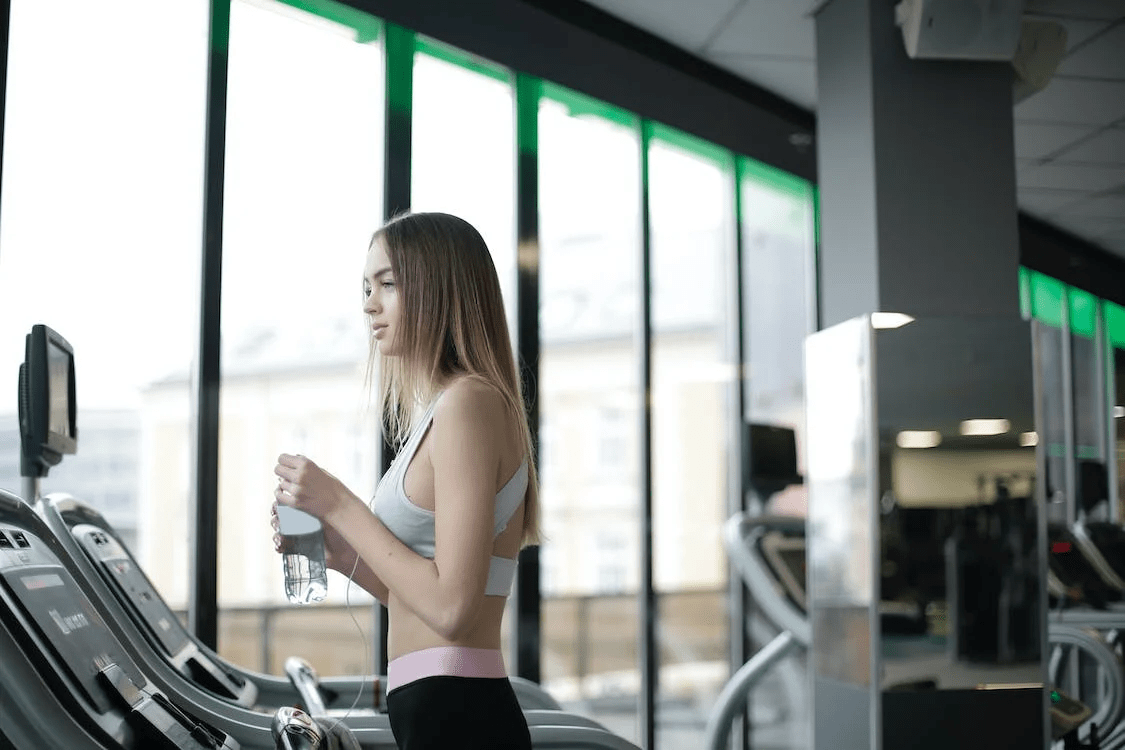
People with allergies can tell that having the condition largely affects your quality of life. Symptoms of allergies include frequent sneezing, itchy eyes and nose, and nasal congestion, which could be frustrating. With these symptoms, focusing on everyday tasks, including work and study, is hard. At the same time, you may also experience non-nasal symptoms like depression and fatigue.
If you want to lead an active life, your allergies could also restrain you in many ways. However, you can overcome the challenge with enough motivation and eagerness to stay fit and healthy.
To successfully navigate your fitness journey despite those allergies, here is a guide we have prepared for you.
How Allergies Affect Respiratory Function and Exercise Performance.
Allergies may trigger respiratory issues like asthma and allergic bronchitis, among other lung problems. It could result in inflammation in the lungs, which could primarily affect your lungs’ capacity and, worse, permanently damage them. There are over-the-counter and prescribed allergy medications you can take. To save money, you can also avail of antihistamines like Allegra, Claritin, Clarinex, and Xyzal Discount Coupon in many pharmacies nationwide.
Related Stories
 How To Get Rid Of Thigh Gap Fat : 13 Best Exercises And Diet
 This is How Strength Training Influences Your Metabolism
Other than medications, exercise can do wonders in boosting your lung capacity. With regular movements, you can increase the strength of the muscles around your lungs, thus helping your lungs work more efficiently.
Some breathing exercises, like belly breathing and pursed lip breathing, are particularly helpful in increasing lung capacity. When exercised regularly, you may be able to manage your allergies and improve the condition of your lungs gradually.
Preparing For Your Fitness Journey with Allergies.
Before embarking on your fitness journey, here are some preparations you have to make:
Consultation With An Allergist.
You have to talk to an allergy specialist so you can get tested and understand your allergy triggers. This way, you can avoid the allergens and receive the best treatment to manage your symptoms. Your doctor might recommend allergy medications that you have to take as prescribed.
Building A Personalized Fitness Plan.
Like individuals without allergies, you must build a personalized fitness plan that suits your health condition. If your allergies get triggered by grasses, you should do your exercises on grass-free surfaces. If you have a cardiovascular problem, your fitness plan may include a combination of only light to moderate-intensity physical activities.
You may also consider the time of the workout in your training plan. You can exercise in the early mornings and nights since there’s less pollen in the air, so you can comfortably execute your fitness routine.
Indoor vs. Outdoor Workouts.
It’s fine to exercise outdoors despite allergies. However, you may consider the following factors to avoid experiencing severe allergies outside.
Avoid Pollen Seasons.
Avoid exercising outside if you’re allergic to outdoor allergens like oak and ragweed. By looking at the calendar, you can anticipate when pollen will fill the air. This way, you can take your medicines in advance and stay indoors to avoid any allergic reactions.(1)
Cover Your Mouth and Nose on a Cold Day.
Bundle up and cover your mouth and nose with a scarf during cold weather. This way, you can warm the air before it enters your airways.
Take a Shower After Exercising.

You can avoid post-exercise allergy attacks by changing your clothes and showering after exercising outdoors. All the pollens attached to your hair and the rest of the body will be washed out, helping alleviate allergy symptoms.
In addition, leave your footwear outside as they may carry pollens and other allergens outside, which could make their way inside your home if you wear it upon entering your house.
Exercise Indoors During Pollen Seasons.
When ozone levels are high or when pollen counts surge, exercising inside your home is best. It’s also safer to just work indoors when the weather is too cold for your sensitive lungs and airways. However, it’s important to note that allergens could also be lingering inside your home.
To avoid allergic reactions, place your exercise equipment in a clean, mold-free, and airconditioned room to avoid the pollens and other allergens outside.
Finding Allergy-Friendly Fitness Activities.
There are low-allergin workout options for different fitness levels. To ensure the comfort and efficiency of your workout routine, here are allergy-friendly fitness activities you can try.
Yoga.
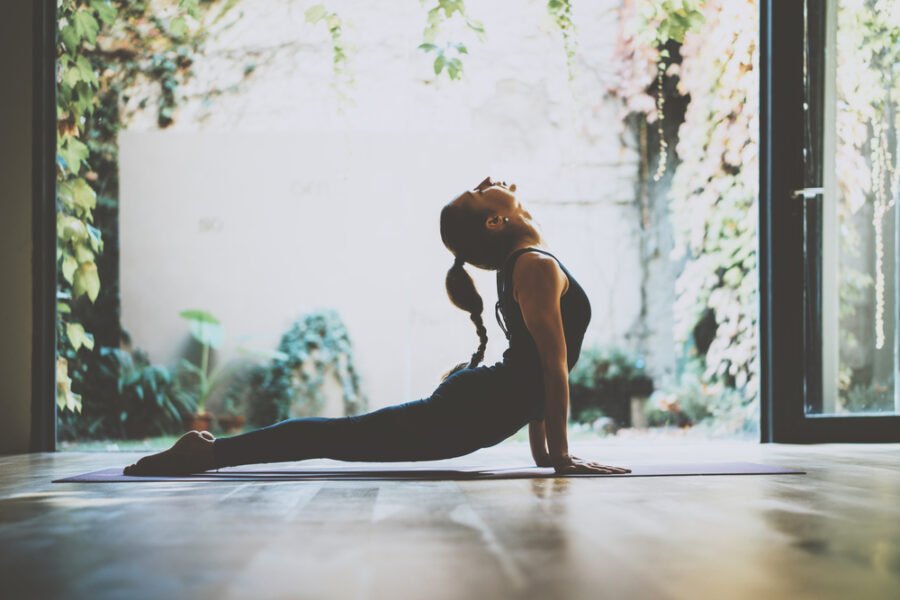
According to a 2010 study, yoga can reduce inflammation in the body, which stress can trigger. Stress is also a factor that triggers allergies. With nostril breathing, downward-facing dogs supported backbends, and other yoga practices, you can increase your body’s relaxation response.
Meditation.
Meditation impacts the body at a molecular level. With meditation, the genes that manage inflammation may be controlled, helping you manage your allergy symptoms as well. Moreover, by practicing meditation, you can live in the present, allowing yourself to acknowledge allergy as your body’s response to defend you.
Bottom Line.
You can find the right balance between fitness and allergy management by following the tips we have covered here. Find your motivation and embrace a healthy lifestyle to live an everyday life despite allergies. Begin your fitness journey today, and never let allergies hinder your fitness goals!
+1 Source
Freaktofit has strict sourcing guidelines and relies on peer-reviewed studies, educational research institutes, and medical organizations. We avoid using tertiary references. You can learn more about how we ensure our content is accurate and up-to-date by reading our editorial policy.
- Outdoor allergens.; https://www.ncbi.nlm.nih.gov/pmc/articles/PMC1637672/