



































 Workout

 Meditation


 Podcast
 E-book


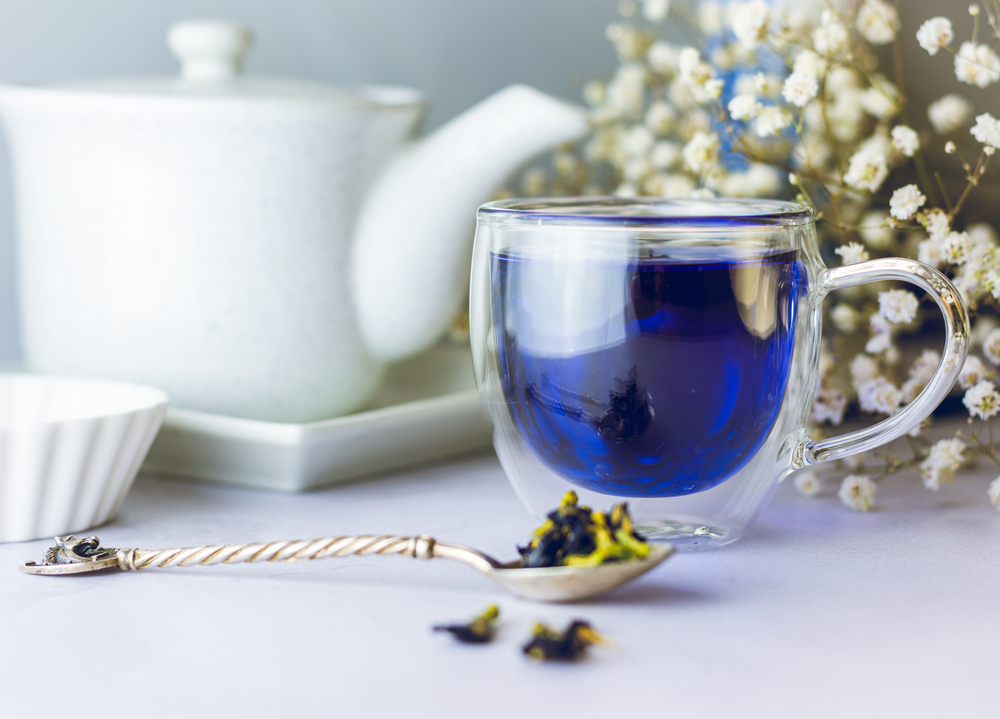
You’ve probably heard of chamomile tea, green tea, and black tea, but have you ever heard of butterfly pea tea? If not, it’s time to start learning about this beautiful and delicious new (to Americans) variety of tea that’s based in Asia and has great health benefits as well as an interesting history behind it. This article will teach you everything you need to know about butterfly pea tea and how to make it into the most effective beverage possible.
What is Butterfly Pea Tea?
What exactly is butterfly pea tea? Butterfly pea tea originates from India and contains a great source of anti-oxidants and amino acids. It has a refreshing taste that isn’t overly sweet or astringent. The tea has a bluish color because it contains certain molecules called anthocyanins which give the tea it’s vibrant color. You can purchase this type of tea as pure dried powder in its natural blue-green color, or you can buy it already brewed as an iced beverage with lemon slices for a cool summertime drink. There are also many other ways to use butterfly pea tea– mix it into green smoothies, add some to your favorite cereal, or mix the powder with honey to make a delicious dessert topping.
What Does Butterfly Pea Tea Taste Like?
Butterfly pea tea has a very distinct flavor that is both earthy and slightly sweet. When brewed properly, the tea should have a deep blue color.
The taste of butterfly pea tea has been described as being similar to green tea, but with a more mellow flavor.
Related Stories
 The Best Gluten-Free Barley Substitutes: A Comprehensive Guide
 Skinny Latina BBQ Sauce : Benefits & Net Worth
The tea can be enjoyed hot or cold, and is said to be particularly refreshing when iced. You’ll notice its deep blue color and rich aroma.
| Read Now: Does Herbal Tea Have Caffeine |
How To Make Butterfly Pea Tea?
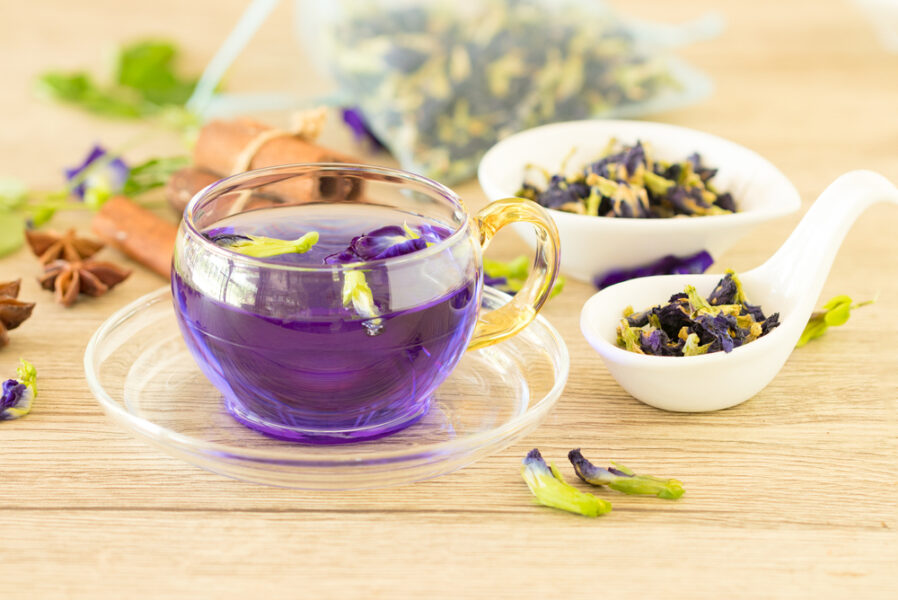
Butterfly pea tea recipe is simple and only requires a few ingredients. To start, you’ll need dried butterfly pea flowers (you can find these online or at your local health food store). Place 1-2 teaspoons of the dried flowers in a cup or mug, then add boiling water. Allow the tea to boil for 3-5 minutes, then enjoy.
Butterfly Pea Tea Benefits.
Not only is butterfly pea flower tea gorgeous to look at, it also has a range of health benefits that make it a great choice for tea lovers looking to improve their wellness. Here are just a few reasons why you should choose butterfly pea flower tea over regular teas –
- The blue color means more antioxidants than other teas.
- It can prevent anxiety, depression, and stress.
- It boosts immune system by fighting bacteria.(1)
- It helps with weight loss due to its metabolism boosting properties.(2)
- It’s a natural mood enhancer with no side effects.
- There’s evidence that drinking three cups per day improves mental clarity and focus.
- It’s packed with anti-aging compounds like lutein and zeaxanthin which have been shown to slow down the onset of macular degeneration in older adults.
- It also contains anti-inflammatory properties, which can help to reduce swelling and redness.
What are the Different Forms of Butterfly Flower Tea?
There are many different ways to enjoy butterfly pea flower tea. It can be enjoyed hot or cold, sweetened or unsweetened, and with or without milk.
The most popular way to enjoy butterfly pea flower tea is in the form of a latte. To make a butterfly pea flower latte, simply steep one teaspoon of dried butterfly pea flowers in eight ounces of hot water for five minutes.
Then, add your favorite milk (dairy, non-dairy, or plant-based) and sweetener (honey, sugar, stevia) to taste.
Side Effects of Butterfly Pea Tea.
Butterfly pea tea is more like a flower, so be aware that the color might change based on how hot it’s brewed. Typically, when iced and shaken, butterfly pea tea turns a nice lavender color with beautiful tones of blue and purple. Also, if you put it in boiling water or stovetop, the tea will turn an almost-black color. For this reason, we recommend not making your own as you may not know what to expect! Instead of brewing your own (which we can’t guarantee will work), make sure to purchase freshly made butterfly pea tea from a high-quality establishment where they have control over the temperature of their water.
Bottom Line.
So next time when you’re looking for a healthy and delicious beverage, reach for some butterfly pea tea. To brew up your own batch of butterfly pea tea, begin by infusing 2 grams (about 2 teaspoons) of dried petals into 200 milliliters (1 cup) of hot water for three minutes.
If you find that your tea is too strong or bitter, add more water to dilute it before serving. To get maximum health benefits from drinking butterfly pea tea, stick with two cups per day—more than that may cause mild digestive issues such as bloating or gas. Store leftover powder in an airtight container away from direct sunlight and heat.