









































 Workout

 Meditation


 Podcast
 E-book


The Fast Facts
- Going vegetarian can be a great way to get more variety in your diet, reduce your risk of certain diseases, and make a positive impact on the environment.
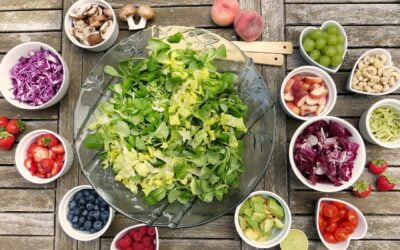
- A plant-based diet is a diet that focuses on eating a variety of fruits, vegetables, and whole grains.
- Plant based diet can also be satisfying, as you can choose a variety of flavors and textures, while also taking into account your own nutritional needs.

Having a diet that is based on plants is beneficial to your health in several ways. They provide essential nutrients, help with weight loss, and help reduce inflammation.
They also lower your risk of getting cancer.
You might be thinking, “Should I go vegetarian?” While this diet can be cleansing and easy on your gut, there’s no definitive answer to this question, as it all depends on your individual lifestyle and goals.


Going vegetarian can be a great way to get more variety in your diet, reduce your risk of certain diseases, and make a positive impact on the environment. However, it may not be the best or right decision for every individual.
1 Eating More Plants Can Be Freeing.
Plant based diet can also be satisfying, as you can choose a variety of flavors and textures, while also taking into account your own nutritional needs.
Eating more plants helps protect the environment, as it reduces greenhouse gas emissions due to the production and transport of animal-based ingredients.
Eating a plant-based diet can also provide health benefits, such as a reduced risk of obesity and heart disease. It can be a way to express your values and ethics.

2 Plants Provide Majority of Essential Nutrients.
Choosing a plant-based diet can be an easy way to reduce your risk of chronic disease. Plants provide essential nutrients that have been shown to fight inflammation and lower blood pressure.
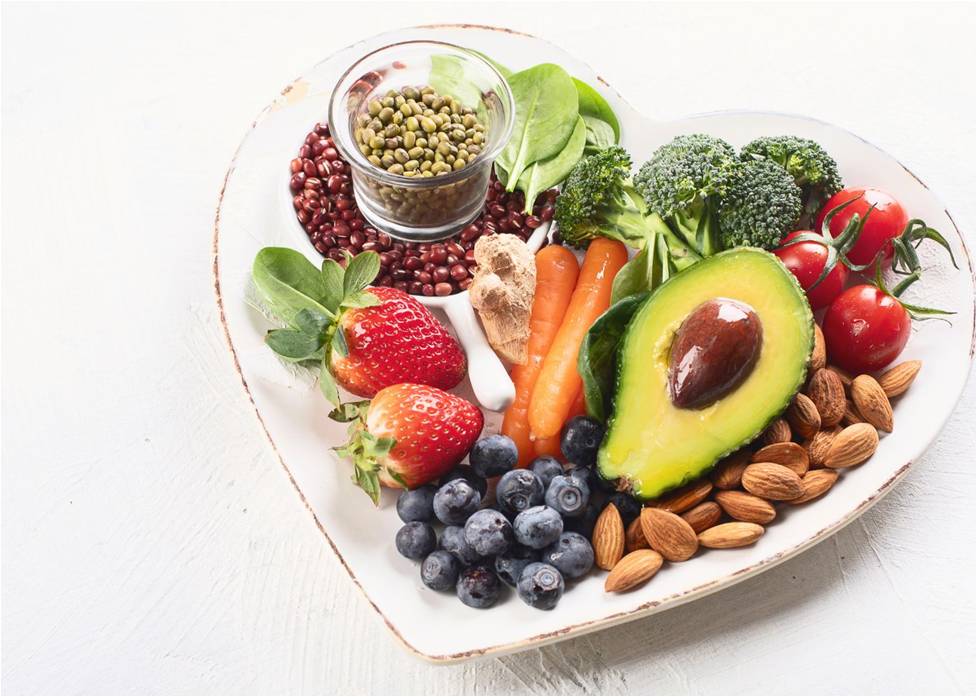
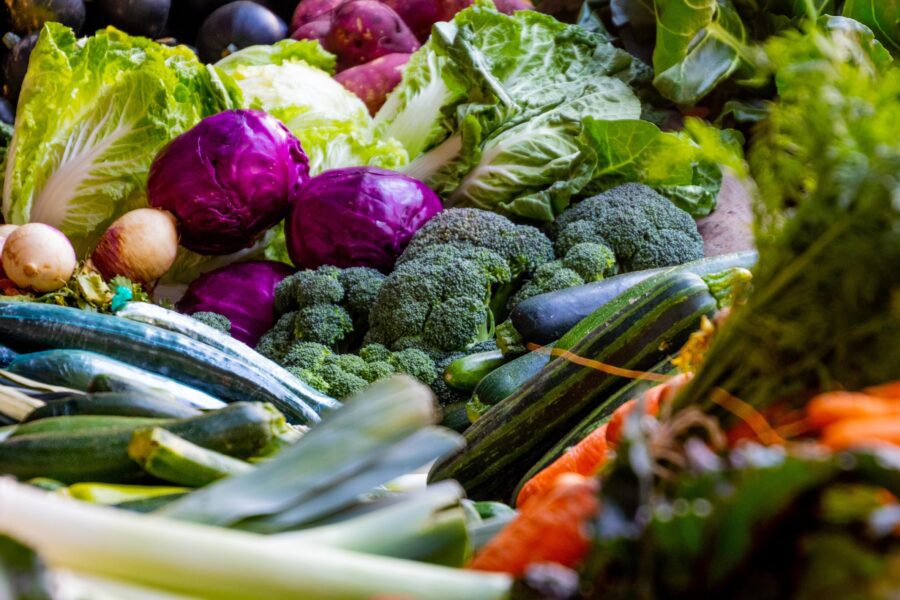
Some of the best sources of plant-based nutrients include green leafy vegetables, nuts, legumes, and whole grains. These foods contain antioxidants that are known to have protective effects against DNA damage and inflammation.
They may also be beneficial in preventing and fighting cancer.
Plant-based diets are also associated with lower rates of type 2 diabetes, heart disease, and obesity. They also reduce the number of medications needed to treat these diseases.
Plant-based diets are also lower in calories and saturated fats. They contain fiber, which is important for the digestive system and for keeping you full. Fiber is also important for the health of the cardiovascular system.
Legumes, beans, and peas are also good sources of protein and fiber. They are also highly rich in iron and magnesium. They are also a good source of manganese, zinc, and other important minerals.
3 Supplementation is Necessary.
Many plant-based eaters supplement with vitamin B12 to make sure they are getting enough.
Vitamin D deficiency is also a concern for plant-based diets. You can get vitamin D from fortified foods such as fortified grains or through vitamin D supplements.
Plant-based diets can be a challenge for pregnant women, however. A varied diet is necessary to get the proper amount of vitamins, minerals, and nutrients for a baby. It is also important to eat enough protein, since the body will use it to build functions.
Processed foods often contain preservatives, artificial ingredients, and unhealthy saturated fats. It is important to eat whole plant foods to get all of the essential nutrients.
4 Lower Cancer Risk.
Choosing a plant-based diet has been shown to lower cancer risk, and it has also been shown to decrease the risk of Alzheimer’s, stroke, and heart disease.
These health benefits are even more significant for older people.
A plant-based diet is a diet that focuses on eating a variety of fruits, vegetables, and whole grains. It should include little added fat and no added sugar. It should also be low in processed foods and contain no fried foods.
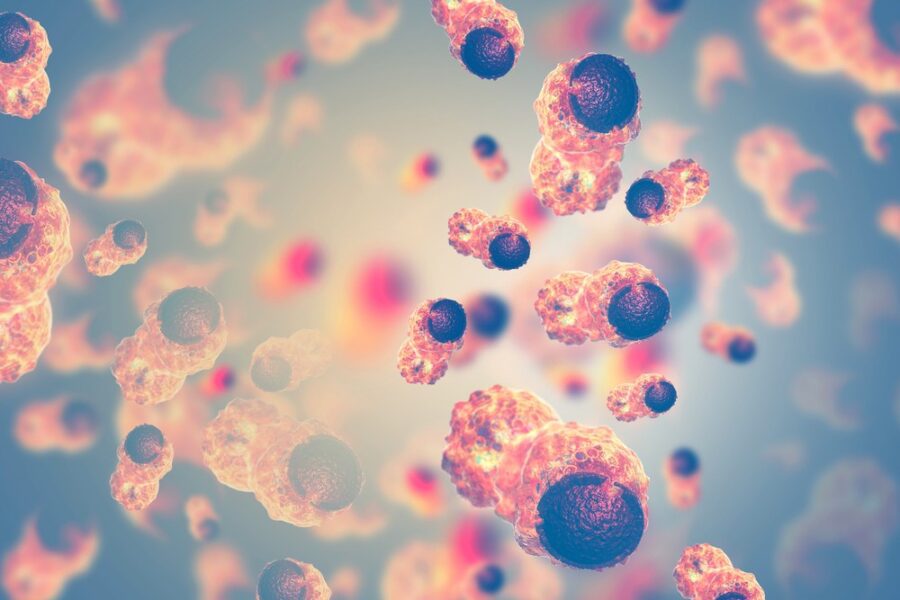
Plant-based diets are believed to have antioxidant properties, and they also might have an effect on reducing the risk of cancer recurrence after diagnosis.
In a study of 75,314 men and women, those who consumed the most plant-based foods were about a third less likely to develop cancer than those who did not. Those who consumed cruciferous vegetables were found to have a lower risk of lung and stomach cancer.
A plant-based diet may also reduce the risk of breast cancer. Women who eat a diet high in phytoestrogens, such as isoflavones, are less likely to develop breast cancer. However, studies have shown that this effect is small.
Some research has found that plant-based diets have a positive effect on the immune system, and may improve the effectiveness of chemotherapeutics. Plant-based diets also improve brain function, which could be a bonus for cancer patients. However, more research is needed to fully determine how and why plant-based diets might reduce cancer risk.
5 Plants Can Help with Weight Loss.
Having a plant-based diet helps with weight loss because it can improve insulin sensitivity. This may help lower the risk of type 2 diabetes and reduce the risk of heart disease.
Plant-based diets can also be very convenient. You can prepare your meals in advance. You can keep healthy snacks on hand to avoid cravings. The key is to find a best and suitable diet plan that works for you.
One popular diet plan is the carb cycling diet. You eat complex carbs two days a week. This helps manage your insulin response and allows you to burn fat faster. You can also choose healthier carbs, such as whole grains and beans and legumes.

These carbohydrates are higher in protein and fiber.
Plant-based diets can help you get the nutrients you need, including calcium, zinc, iron and omega-3s. Some experts recommend that you increase your protein intake when you’re on a plant-based diet.
The average adult should consume 8 grams of protein a day.
Plant-based diets also decrease your risk of developing some mental health conditions, such as depression which is oftentimes connected with weight gain.
Many More Benefits.
Plant-based diets, which are mostly whole foods, have been linked to reduced inflammation and improved overall health.
Plants have antioxidants that help neutralize free radicals and prevent inflammation. Several anti-inflammatory foods are available at your grocery store.
6 Cognitive Performance.

A plant-based diet is linked to improved cognitive performance, as well. Research suggests that plant-based diets may improve memory in people with dementia. It may also help reduce the risk of falls in older adults.
7 Healthy Gut.
Researchers reviewed observational studies and clinical trials. They found that high-fiber plant-based diets may alter the composition of gut bacteria, promoting healthy gut bacteria.
8 Athletic Performance.
Plant-based diets are also linked to better exercise performance and recovery. A 2015 study published in the British Medical Journal showed that people who follow plant-based diets were less prone to muscle fatigue, and had fewer signs of inflammation.
9 Arthritis Protection.
Arthritis affects millions of people across the globe, and its impact on quality of life can be debilitating.
While there is no one-size-fits-all solution for managing arthritis, research suggests that a plant-based diet may offer protection against some forms of the condition.
Studies have found that those who follow a vegetarian or vegan lifestyle have lower levels of inflammation, which is associated with arthritis.
Eating more plant-based foods, such as fruits and vegetables, also increases intake of antioxidants, which can help reduce inflammation, which is exactly what arthritis is.
10 It’s Affordable.
A plant-based diet is one of the most affordable and cost-effective ways to eat.
This type of diet eliminates the need for expensive animal products, including meat, and instead focuses on plant-based ingredients such as fruits, vegetables, legumes, grains, nuts and seeds.
This type of diet is not only cost effective but also delivers a wealth of health benefits, including increased energy levels and better overall health.
It is Easy.
Start by cutting out foods that contain animal products such as meats, dairy and eggs. Replace these items with plant-based alternatives like tofu, tempeh and seitan.
Incorporate more fresh fruits and vegetables into your diet to ensure you’re getting all the necessary vitamins, minerals and nutrients.
Try adding more whole grains and legumes like beans, lentils and quinoa. Don’t forget about nuts, seeds and plant-based oils for healthy fats.
With all these options, you can easily create delicious and nutritious meals that are free of animal products.
Bottom Line.
After considering the evidence, it is clear that adopting a plant-based diet can lead to improved health and environmental sustainability.
The benefits of eating more fruits, vegetables, legumes and whole grains are numerous, from improved digestion to decreased risk of certain chronic diseases and provides many more benefits for just a fraction of usual meal cost.
+8 Sources
Freaktofit has strict sourcing guidelines and relies on peer-reviewed studies, educational research institutes, and medical organizations. We avoid using tertiary references. You can learn more about how we ensure our content is accurate and up-to-date by reading our editorial policy.
- DNA Damage Protecting Activity and Antioxidant Potential of Launaea taraxacifolia Leaves Extract; https://www.ncbi.nlm.nih.gov/pmc/articles/PMC5812077/
- Serum 25-hydroxyvitamin D status of vegetarians, partial vegetarians, and nonvegetarians: the Adventist Health Study-21,2,3,4; https://www.ncbi.nlm.nih.gov/pmc/articles/PMC2677010/
- The Impact of Plant-Based Dietary Patterns on Cancer-Related Outcomes: A Rapid Review and Meta-Analysis; https://www.ncbi.nlm.nih.gov/pmc/articles/PMC7400843/
- Dietary Isoflavones and Breast Cancer Risk; https://www.ncbi.nlm.nih.gov/pmc/articles/PMC5590054/
- Nutritional Update for Physicians: Plant-Based Diets; https://www.ncbi.nlm.nih.gov/pmc/articles/PMC3662288/
- Effect of a Low-Fat Vegan Diet on Body Weight, Insulin Sensitivity, Postprandial Metabolism, and Intramyocellular and Hepatocellular Lipid Levels in Overweight Adults; https://www.ncbi.nlm.nih.gov/pmc/articles/PMC7705596/
- The Effects of Vegetarian and Vegan Diets on Gut Microbiota; https://www.ncbi.nlm.nih.gov/pmc/articles/PMC6478664/
- The Impact of Vegan and Vegetarian Diets on Physical Performance and Molecular Signaling in Skeletal Muscle; https://www.ncbi.nlm.nih.gov/pmc/articles/PMC8623732/