

































 Workout
 Meditation


 Podcast
  E-book


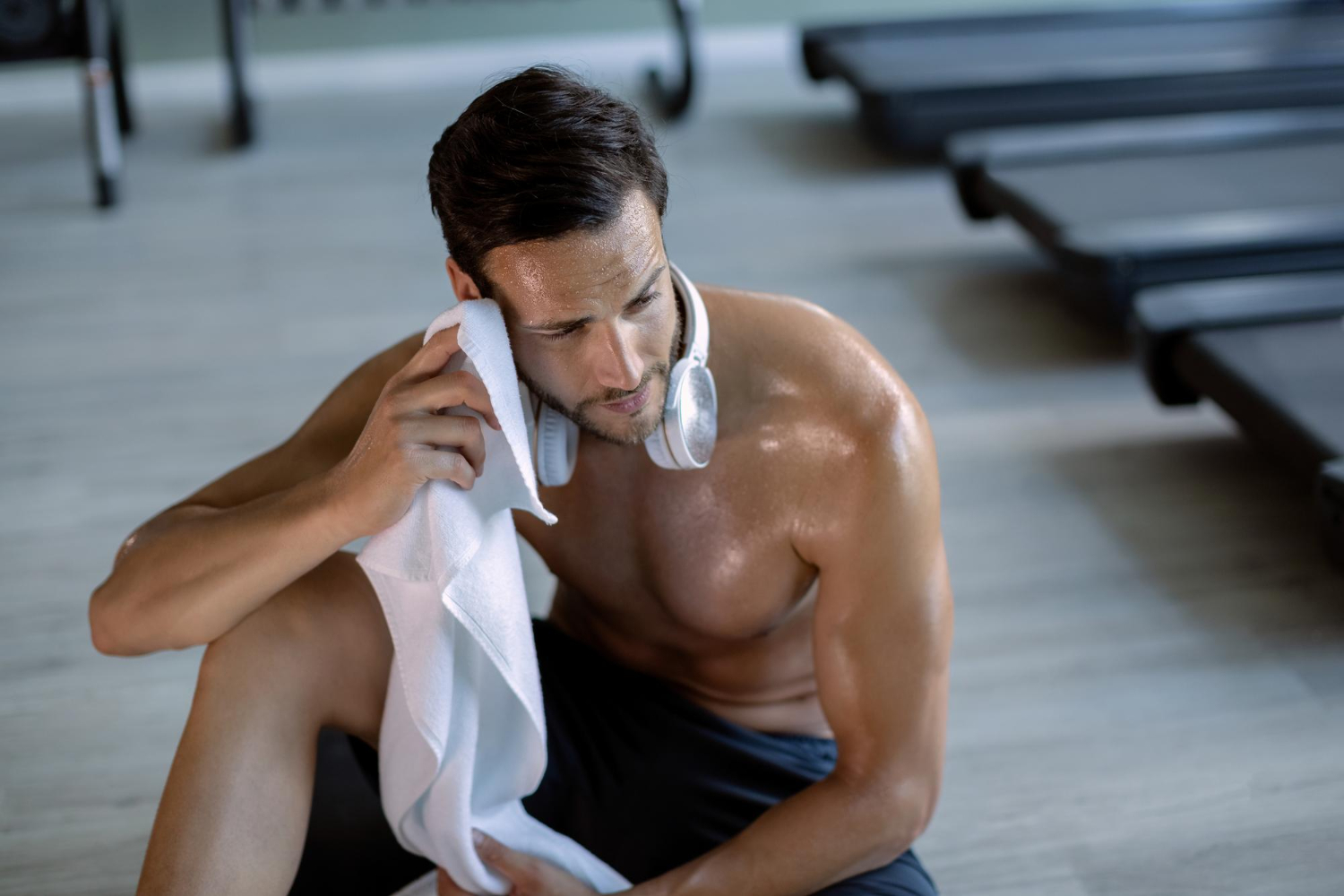
What an unpleasant feeling! That relentless summer day of heat that leaves all our clothes soaked in sweat. This is what happens when the temperature rises: sweat increases and this is a real problem for many people.(1) Beyond aesthetics, we are talking about a cooling process of the body when it is “threatened” by excessive heat from the outside.
The problem is when we sweat excessively, known as hyperhidrosis, where the body’s cooling mechanism is overactive and can cause sweat production up to four or five times greater than normal.(2)

How does sweat affect the skin?
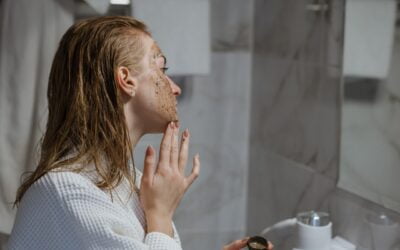
One of the collateral damage of excessive sweating is acne, both facial and body.
Salicylic acid or retinoids are the greatest allies for acneic skin, the result of excessive sweating, as they help reduce comedones, calm swelling and fade scars.
Related Stories
 12 Amazing Health Benefits of Guaco Herb You Didn’t Know About
  Effective Body Wrap Treatment to Weight Loss and Glowing Skin
 What causes excessive sweating?
Excessive sweating is considered when it interferes with daily activities and causes emotional distress.
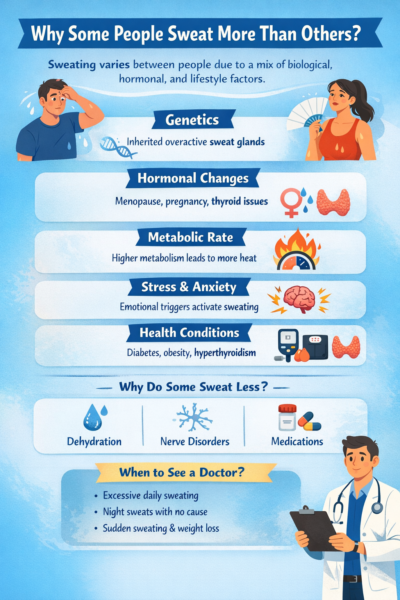
Menopause and pregnancy increase the likelihood of experiencing their adverse effects, such as hot flashes and extra sweating. Sweat gland disorders are the common cause of any sweat-related problem and can lead to excessive sweating, decreased sweating, and even no sweating at all.
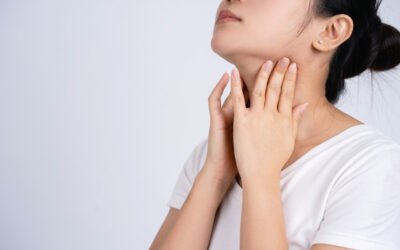
Ultimately, hyperhidrosis can have a negative impact on quality of life and lead to social isolation and feelings of shyness. It can affect most of the body, but commonly affects the armpits, hands, and feet.
Underlying medical conditions, such as having hyperthyroidism, diabetes, and low blood sugar (hypoglycemia), can also cause excessive sweating, night sweats, and heat intolerance. Obesity and alcoholism can also trigger episodes of intense sweating.
Some tips to treat excessive sweating.
- Drinking water is essential to keep the body cool in high temperatures.
- Use a vaporizer to spray a light mist of water onto your skin. As the water evaporates, the body will cool naturally.
- Wear loose, light clothing with natural, breathable fabrics to allow sweat to evaporate. In this way, the sweat will be absorbed in the armpit area. As for footwear open sandals and breathable mesh sneakers for sports . Wearing absorbent socks, black and white clothing can also help mask the effects of heavy sweating and, although it is not a permanent option, it can make you feel better.
- With clean skin, apply antiperspirant deodorant twice a day, once in the morning and once at night .
- Anxiety can increase sweat production. Control it by breathing deeply and concentrating internally.
- Avoid spicy foods. Spicy or caffeine increases the sweating process with high temperatures.
- Avoid physical exercise at midday. When the sun is in full swing, the body is more prone to sweat. So take advantage of the longer days in summer and plan your training first thing in the morning or late at night.
- There are a number of common medications that can increase sweating. Be sure to check with your pharmacist before starting any new medication, especially during the warmer summer months.
How does sweat affect hair?
The excessive sweating that we experience in the summer months is another component that, due to its saline nature, encourages our hair to also dry out and weaken, causing the follicles to become more fragile and brittle.
- The sun exposure that we face during the summer is the most frequent cause of structural alteration in the hair shaft, since ultraviolet radiation induces the degradation of keratin and other hair proteins, producing morphological changes in it. , weakening it, making it more brittle, rough and with a greater loss of rigidity.
- Solar radiation, sweat, chlorine from swimming pools or sea water cause the ends of the hair to become dehydrated and dry. Therefore, it is recommended to have a pre-summer haircut, as well as use hydrating masks, conditioners or shampoos with hyaluronic acid, which soften the cuticle, temporarily restoring shine and helping to recover vitality in the hair.
- It is advisable to do without straighteners and dryers, since they damage the hair structure and burn the superficial layers of the hair more.
- Taking care of our diet and maintaining good hydration during this season will be essential to counteract the ravages of summer on our hair. Eat a diet rich in fruits, such as peaches, raspberries or mango, and vegetables such as zucchini, tomatoes, carrots or pumpkins.
When Should You Be Concerned?
You should consider consulting a healthcare professional if:
- Sweating interferes with daily life.
- You experience night sweats without heat.
- Sweating occurs suddenly or asymmetrically.
- There is associated weight loss, fatigue, or fever.
Summer Skincare & Sweat Management Tips (Quick Recap).
✔ Stay hydrated.
✔ Use breathable fabrics.
✔ Apply antiperspirant correctly (night + morning).
✔ Avoid spicy food and caffeine.
✔ Manage stress with breathing techniques.
✔ Schedule workouts early morning or evening.
✔ Protect skin and hair from sun and salt exposure.
Expert Opinion.
Dr. Rohan Mehta, MD (Dermatology), Mumbai, India, explains that sweating patterns vary greatly from person to person due to genetics, hormone levels, metabolism, and nervous system sensitivity. He states that excessive sweating, or hyperhidrosis, is not always related to heat alone and can be triggered by stress, medical conditions, or lifestyle factors. According to him, managing hydration, stress, clothing choices, and underlying health issues plays a key role in controlling excessive sweating and maintaining healthy skin and scalp.
Frequently Asked Questions.
1. Is excessive sweating always a medical problem?
Not always. It can be normal due to heat, exercise, or stress. However, if it’s persistent and excessive, it may indicate hyperhidrosis or another condition.
2. Can diet really affect sweating?
Yes. Spicy foods, alcohol, and caffeine stimulate sweat glands and increase perspiration.
3. Does sweating mean toxins are leaving the body?
Sweat primarily regulates body temperature. Only trace amounts of toxins are released — the liver and kidneys do most detox work.
4. Why do hands and feet sweat more during anxiety?
Emotional sweating is controlled by the sympathetic nervous system, which is highly active during stress or anxiety.
Bottom Line.
Sweating is a vital cooling mechanism, but when it becomes excessive or insufficient, it can affect comfort, confidence, and health. Understanding the root causes — from genetics and hormones to lifestyle and medical conditions — empowers you to manage it better.
With the right hydration, skincare, clothing choices, stress management, and professional guidance when needed, sweating doesn’t have to control your life — even during the hottest days.
+2 Sources
FreakToFit has strict sourcing guidelines and relies on peer-reviewed studies, educational research institutes, and medical organizations. We avoid using tertiary references. You can learn more about how we ensure our content is accurate and up-to-date by reading our editorial policy.
- Physiology of sweat gland function: The roles of sweating and sweat composition in human health; https://pmc.ncbi.nlm.nih.gov/articles/PMC6773238/
- Hyperhidrosis: A Central Nervous Dysfunction of Sweat Secretion; https://pmc.ncbi.nlm.nih.gov/articles/PMC9884722/