













































 Workout

 Meditation


 Podcast
 E-book


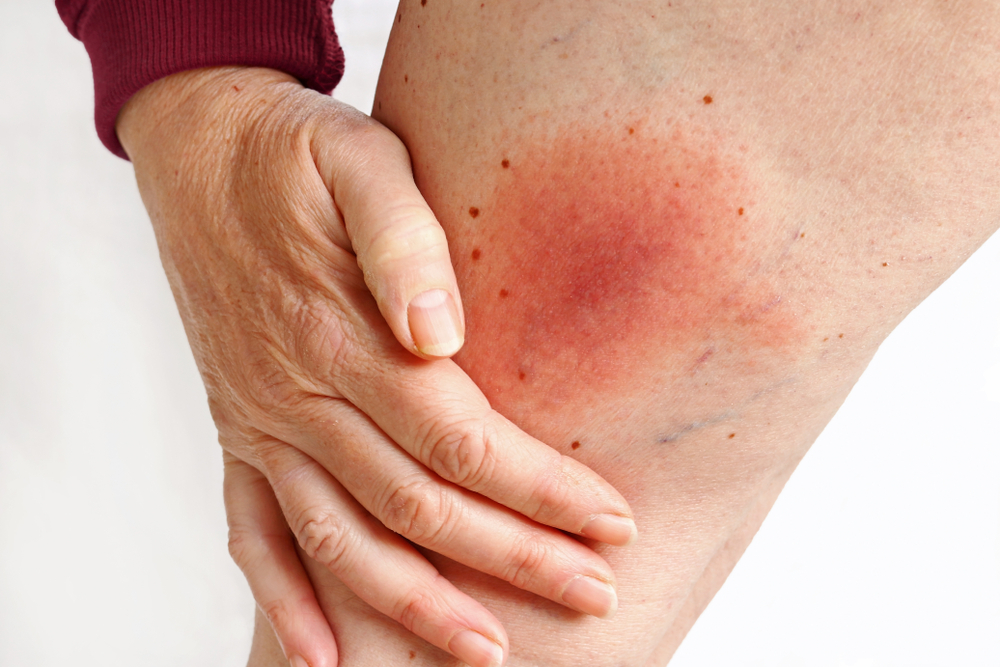
Many people are now worried about Lyme disease; this is a tick-borne aliment. As a result of the Borrelia burgdorferi bacterium attack, the disease may cause various symptoms, starting with fever and fatigue and ending with serious neurological and heart problems. Lyme disease has a lot of queries allied to it and one of the main questions is whether it leads to weight increase. In this article, the author attempts to discuss this question to the fullest by quoting expertise, and scientific literature, and answers to the most common questions.
Understanding Lyme Disease.
What is Lyme Disease?
Lyme disease is a contagious condition that is caused by the bite of the infected black-legged ticks also referred to as deer ticks. It is mostly common in the United States especially in northeast, Midwest, and pacific coast.

Symptoms of Lyme Disease.
The initial signs of Lyme disease may comprise:
- Fever.
- Chills.
- Headache.
- Fatigue.
- Joint and muscle pains.
- Swollen lymph nodes.
- Erythema migrans skin rash (also referred to as a rash that resembles the appearance of a bull).
Without treatment, Lyme disease may result in the development of more severe illnesses that involve the joints, heart, and the nervous system.
Related Stories
 7 Surprising Benefits of Using Warm Compress on Your Eyes
 Can Tight Underwear Cause Testicular Pain?
Lyme Disease and Weight Gain: The Connection.
Can Lyme Disease Directly Cause Weight Gain?
On the one hand, Lyme disease is mainly discussed as a disease that makes people lose their weight because of the loss of appetite and fatigue. On the other hand, some people even say that they gained weight. Lyme disease and weight gain do not relate directly, and it is possible to ascribe the issue to various indirect factors.
| 💡 Expert Interview: Dr. Lisa Thompson, Nutritionist. Dr Linda Mason Infectious Disease Specialist. Lyme disease on its own does not actually lead directly to weight gain. Nevertheless, the disease may come with the modifications of lifestyle and metabolism, which will predispose one to being under weight. The affected patients have a tendency of getting extreme body fatigue and pain in the joints, and this may restrict the physical movements. As well, it is possible to develop emotional eating due to the stress and anxiety of life with a chronic condition. Endocrinologist- Dr. John Peterson. Weight gain among Lyme disease victims is somehow a secondary problem. The disease can lead to the chronic inflammatory state that interferes with the normal metabolic processes. Ok-hm, hormonal imbalances and particularly in thyroid gland may also be involved. It is important to examine all aspects of it such as diet, activity base, and psychological notes.” |
Scientific Evidence.
Researchers have indicated that chronic inflammation that is characteristic of Lyme disease can influence metabolism. Swelling may mess up with how the body processes and stores energy in a good manner and there can be a tendency of weight gain. Moreover, Lyme is capable of affecting the endocrine system, especially the thyroid gland that controls metabolism. Weight gain can be caused by hypothyroidism, a situation in which the thyroid gland is underactive and which may occur in some patients of the chronic Lyme disease.(1)
Lifestyle and Weight Gain in Lyme Disease.
Reduced Physical Activity.

Lack of physical activities forms one of the most likely causes of gaining weight among the patients of Lyme disease. The fatigue and joint pains that are a result of the disease may not enable the patients to lead an active life. Physical activity is a vital aspect of weight control and when the amount of exercises lessens, weight gain may ensue.
Dietary Changes.
Diet changes can also become a factor of Lyme disease. Stress and emotional distress might push the patients to find comfort foods or eat much more than usual. Other people may have particular dietary needs suggested by doctors, which may accidentally result in greater calorie intake.
Medications and Weight Gain.
Some of the drugs used in treatment of Lyme disease and the associated symptoms include corticosteroids and an antidepressant, which may lead to weight increase. These drugs have the ability to enhance hunger and induce water retention, which may cause addition of weight.
Managing Weight Gain in Lyme Disease.
Tips for Patients.
Stay Active.
It is critical to make active choices even when you feel fatigued and have pain in the joints. The movements should be simple and include such activities as walking, swimming or yoga, which can contribute to upholding the fitness level and not make the symptoms aggravated. It is important to discuss a new exercise program with your health practitioner.
Monitor Your Diet.
Care about what you eat and attempt to eat balanced amounts of nutrients. Emphasize on whole foods, including fruits, vegetables, lean proteins and whole grains. Stop eating processed food and sweet dishes, which may add weight.
Manage Stress.
Serious disease may be extremely stressful and make one engage in emotional eating. This risk can be alleviated by seeking healthy methods to cope with stress e.g. through meditation, therapy or support groups.
Consult a Nutritionist.
On a personal level, a registered nutritionist can advise you on the right kinds of food to eat and how to come up with a meal plan that will not add weight to your body.
🧍♀️ Personal Experience: Living Through Lyme and Weight Gain.
I am Emma Carter, 38, Graphic Designer & Lyme Disease Survivor, I had been very active, and had a regular exercise system before Lyme. However, as soon as the symptoms struck, in particular, fatigue, and aches in my joints, I could hardly cope with the daily routine, not to mention exercises. I had gradually realized that I was gaining weight at a very slow rate of practically 15 pounds. I resorted to emotional relief in the form of comfort foods when I was flaring up, which made no difference. It is only after I started practicing gentle yoga and consulted a nutritionist that I started to feel in control once again. Balance was restored, mentally and physically, it took time.
“Lyme disease did not make me necessarily gain weight, it was the way the disease altered my lifestyle.”

Expert Opinion: The Interconnection between Lyme Disease and Gaining Weight.
Rachel Meyers, MD, Infectious Disease Specialist, Johns Hopkins University shared her opinion that although weight gain does not directly result of Lyme disease, the chronic inflammation, hormonal imbalances and fatigue that come with the disease indirectly affect metabolism and lifestyle choices. Most patients have an increased lack of physical activity and altered appetite or stress levels that may result in progressive weight gain. The trick is to concentrate on those underlying causes – with the help of gentle exercise, proper nutrition, and appropriate medical care – as opposed to concentrating on the number on the scale only.
Bottom Line.
Weight gain also comes as a secondary effect of Lyme disease since it is caused by low levels of physical activity, a change in diet, medication, and hormonal imbalances. Although with the disease, the gain of weight is not a direct consequence, lifestyle changes that accompany the disease and affect the metabolism may aggravate this problem. It is also possible to control the weight and health of Lyme disease patients by sustaining active lifestyles maintaining a diet, reducing stressful moments, and consulting professionals.
The correlation between Lyme and weight gain is an issue of concern to both the patient and the healthcare experts. The answer to this question is important as it requires the complex issues of this relationship to be given properly to come up with better approaches to being at a healthy weight and enhancing the quality of life of individuals with Lyme disease.
+1 Source
Freaktofit has strict sourcing guidelines and relies on peer-reviewed studies, educational research institutes, and medical organizations. We avoid using tertiary references. You can learn more about how we ensure our content is accurate and up-to-date by reading our editorial policy.
- How diet may disrupt gut microbes to promote weight gain; https://www.nih.gov/news-events/nih-research-matters/how-diet-may-disrupt-gut-microbes-promote-weight-gain