












































 Workout

 Meditation


 Podcast
 E-book



Thymidine Kinase 1 (TK1) is involved in cellular proliferation through the recovery of the nucleotide thymidine in the DNA salvage pathway. TK1 upregulation has been established as an early event in cancer development, and serum levels of TK1 have been shown to be tied to cancer stage. In the context of breast cancer, TK1 levels indicate a more serious prognosis and can provide valuable insight into cancer cell behaviour in response to targeted treatments.
In this article, we will review the potential of TK1 as a diagnostic tool for breast cancer and a prognostic factor for disease progression. We will also explore the rise of TK1 biomarker testing and investigate its growing potential as a tumour marker to improve treatment outcomes.
What is Thymidine Kinase 1 (TK1)?
Thymidine Kinase 1 (TK1) is a DNA salvage pathway enzyme. It plays a key role in cell proliferation and repair, regenerating thymidine for DNA synthesis and DNA damage. TK1 activity is tightly regulated and varies throughout the cell cycle. It is typically low during the G0 and early G1 phases but increases significantly during the S phase when DNA replication takes place. This cell cycle-dependent regulation ensures that TK1 activity is synchronised with the demand for cell proliferation.
TK1 as a diagnostic tool for breast cancer.
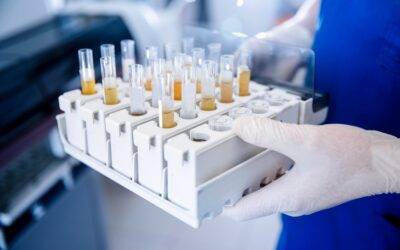
Due to the key role TK1 plays in cell proliferation, the enzyme has been explored as a potential blood-based biomarker for breast cancer diagnosis and monitoring. Medical researchers and practitioners have developed blood tests to measure circulating TK1 levels. These include the development of enzyme-linked immunosorbent assays (ELISAs), or immunoassays, to aid cancer detection, monitor treatment response, and assess disease progression.
Related Stories
 14 Safety Tips While Return to the Gym During COVID-19
 Acupuncture Points to Induce Menstruation: Unlocking Nature’s Cycle
From medical research and clinical testing, TK1 activity has been shown to be elevated in tumours. In fact, TK1 levels have been shown to be abnormally high in the blood samples of patients suffering from different cancer types, including lung, breast, colon, and prostate. Elevated TK1 levels may also indicate more aggressive tumour behaviour.
As blood-based biomarker testing is minimally invasive with samples obtained from blood draws that can be done during routine check-ups, it has become a convenient and patient-friendly method of disease detection.
(Note: While elevated TK1 activity can be among the signs of breast cancer, for accurate diagnosis, other pathological indicators such as biopsies, lab tests, and various imaging techniques can be used.)
TK1 biomarker testing to improve treatment outcomes.
While elevated TK1 levels in the bloodstream can indicate the presence of cancer and provide an opportunity for early detection, TK1 biomarker testing can also serve as a tool for improving treatment outcomes for those in later stages of the disease. For example, it can be used to monitor cancer progression over time and assess treatment efficacy.
When evaluated alongside other clinical indicators such as imaging studies, biopsies, and patient symptoms, biomarker testing can help medical practitioners decide on the best course of treatment to prolong patient survival and ease severe side effects.
Assessing TK1 levels to monitor cancer progression.
Regular monitoring of TK1 levels can aid in tracking cancer progression in breast cancer patients. Serial TK1 measurements can be taken over time to provide a dynamic assessment of tumour growth.
Increasing TK1 levels may indicate disease progression or treatment resistance, which can prompt healthcare providers to reevaluate treatment plans and consider alternative therapeutic options. Conversely, declining TK1 levels observed may suggest a positive response to therapy or disease regression.
Assessing TK1 levels to tailor treatment strategies.
By assessing TK1 levels, healthcare providers can also gain important information on the efficacy of certain treatments for breast cancer patients.
Increasing TK1 levels may suggest a more aggressive tumour phenotype with higher proliferation rates, which can lead to the employment of more intensive chemotherapy regimens or the inclusion of targeted therapies. On the other hand, lower or consistent TK1 levels may suggest a less aggressive tumour phenotype, which could potentially influence decisions to de-escalate treatment to minimise unnecessary side effects.
What’s next? The growing potential of TK1 as a tumour biomarker.
The growing potential of TK1 as a breast cancer biomarker stems from its close association with tumour proliferation. With elevated TK1 levels often observed in breast cancer patients, particularly in those with aggressive tumour subtypes, medical practitioners have been able to gain valuable information about breast cancer disease status and treatment response from reviewing TK1 activity.
TK1 as a cancer biomarker has also shown promise in the medical field through its minimally invasive testing process. As tests are blood-based, repeated measurements of TK1 levels can be taken relatively easily and conveniently. This approach to monitoring disease progression also reduces the need for invasive procedures such as tissue biopsies, which can be uncomfortable for some patients.
At this stage, further research on TK1 is being undertaken to validate its clinical utility and standardise testing protocols. However, with continued investigation and implementation, TK1 has the potential to enhance the precision and effectiveness of breast cancer monitoring and management, which can ultimately lead to improved patient outcomes over time.