












































 Workout

 Meditation


 Podcast
 E-book


The Fast Facts
- Over the years, I’ve noticed that people enjoy kimchi in different ways depending on their preferences and how it’s being used in a meal.
- As a nutritionist, I often encourage clients to include fermented foods in their diet because they support digestive health and contribute beneficial bacteria to the gut.
- I often recommend cold kimchi as a side dish because its acidity and spice help balance richer foods.

Over the years, I’ve worked with many clients who want to improve their digestion, boost their immunity, and incorporate more nutrient-dense foods into their daily diet. One fermented food that frequently comes up in these conversations is kimchi.
Kimchi is far more than a simple side dish. In traditional Korean cuisine, it represents centuries of culinary tradition, fermentation knowledge, and nutritional wisdom. Personally, I’ve always appreciated kimchi not only for its bold flavor but also for the health benefits it can bring to the body.
One question I’m often asked is whether kimchi is better eaten hot or cold. Through both my professional experience and nutritional research, I’ve learned that each way of eating kimchi offers unique advantages.
Related Stories
 What Are The Health Benefits of Watermelon Seeds
 Barberry Bush: Benefits and Side Effects
Let me walk you through what kimchi really is, why it’s healthy, and how temperature can affect its benefits.
– By Danielle Pashko
What Is Kimchi?
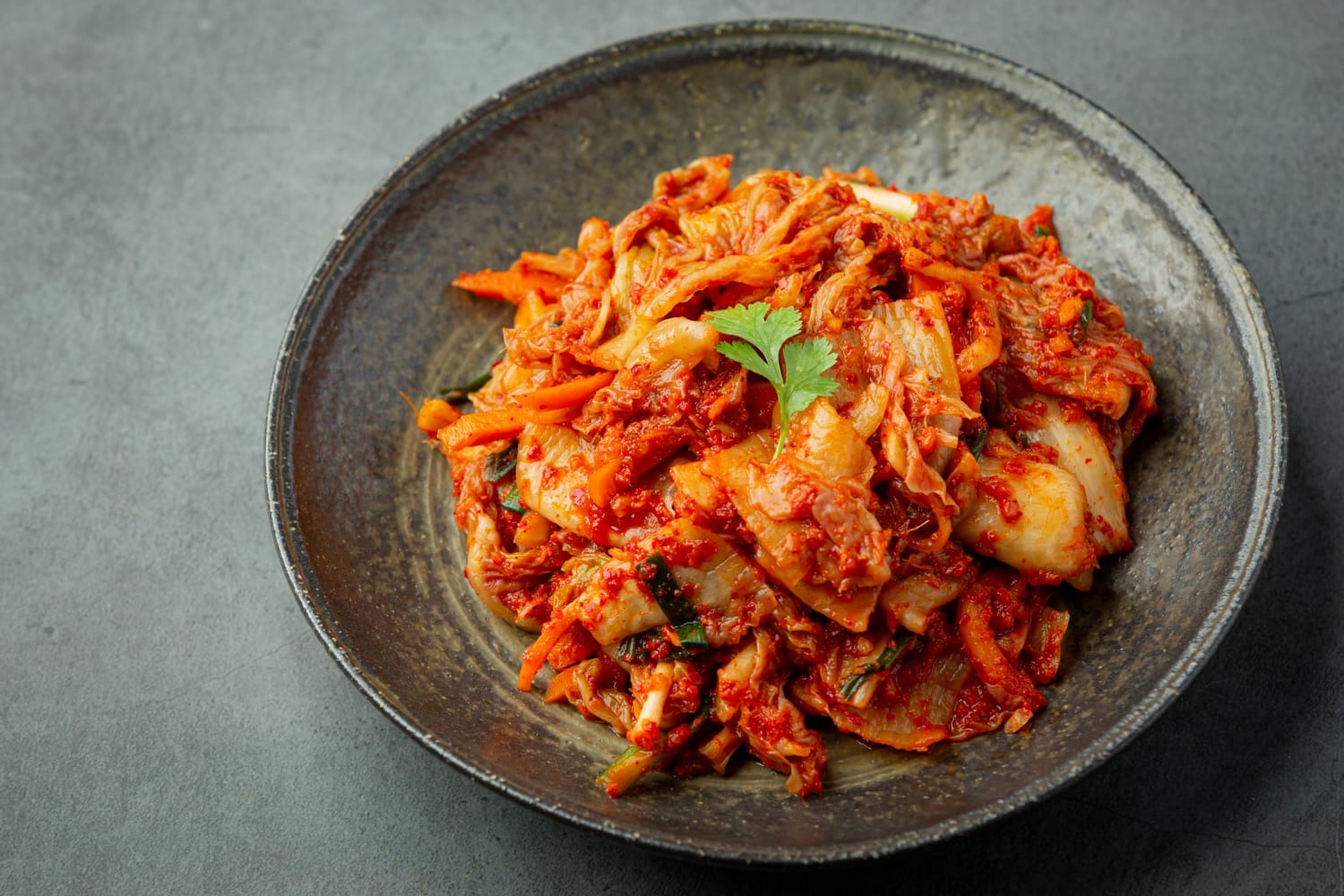
Kimchi is a traditional Korean fermented dish typically made from napa cabbage, Korean radishes, garlic, ginger, and chili pepper flakes. The vegetables are salted and fermented, which develops their signature tangy and spicy flavor.
From a nutritional standpoint, fermented foods like kimchi are incredibly interesting because fermentation not only preserves food but also enhances its health benefits.
As a nutritionist, I often encourage clients to include fermented foods in their diet because they support digestive health and contribute beneficial bacteria to the gut.
The Fermentation Process.
One of the reasons kimchi is so beneficial lies in its fermentation process.
During fermentation, naturally occurring bacteria known as lactic acid bacteria break down sugars found in vegetables. This process produces lactic acid, which preserves the food and creates kimchi’s distinctive flavor.
From a health perspective, fermentation also introduces probiotics, which are beneficial microorganisms that support gut health.
In my experience working with digestive health, probiotic-rich foods can play a valuable role in maintaining a balanced gut microbiome.
Is Kimchi Good for You? Nutritional Benefits of Kimchi.
One of the reasons I often recommend kimchi to clients is because it offers several nutritional advantages.
1 Rich in Probiotics.
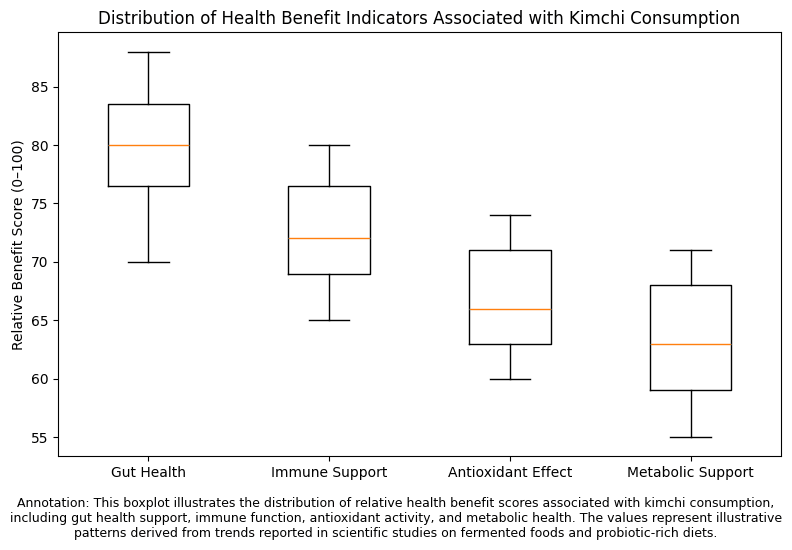
Fermented foods like kimchi naturally contain probiotics that help support digestive health. These beneficial bacteria can help balance gut flora and support immune function.(1)
2 High in Essential Vitamins.
Kimchi contains vitamins such as vitamin A, vitamin B complex, and vitamin C, which contribute to immune health and overall well-being.
3 Low in Calories.
Another reason kimchi can be helpful for many people is that it’s relatively low in calories while still being flavorful and satisfying.(2)
4 Antioxidant Properties.
Many of the ingredients used in kimchi—including garlic, chili peppers, and cabbage—contain antioxidants that may help reduce oxidative stress in the body.
The Debate: Is Kimchi Better Hot or Cold?
Over the years, I’ve noticed that people enjoy kimchi in different ways depending on their preferences and how it’s being used in a meal.
Both hot and cold kimchi can be delicious, but they offer slightly different experiences nutritionally and culinarly.
Eating Kimchi Cold.
Personally, I often enjoy kimchi cold, especially as a side dish or topping.
Cold kimchi maintains its crunchy texture and refreshing flavor, which pairs beautifully with rice bowls, salads, or grilled foods.
Benefits of Cold Kimchi.
1 Preserves Probiotics
One of the biggest advantages of eating kimchi cold is that the probiotics remain active. Heat can destroy some beneficial bacteria, so consuming kimchi without cooking it may provide stronger probiotic benefits.
2 Maintains Texture
Cold kimchi keeps its crisp texture, which many people enjoy.
3 Great for Balanced Meals
I often recommend cold kimchi as a side dish because its acidity and spice help balance richer foods.
Eating Kimchi Hot.
Cooking kimchi creates a completely different experience.
In Korean cuisine, kimchi is often used in dishes like kimchi stew or kimchi fried rice, where heat transforms its flavor.
Benefits of Hot Kimchi.
1 Enhanced Flavor
Cooking kimchi deepens its umami flavor, making dishes richer and more savory.
2 Comforting Meals
Warm kimchi-based dishes are satisfying and hearty, making them popular comfort foods.
3 Versatile Cooking Ingredient
Kimchi can be added to soups, stir-fries, rice dishes, and even fusion recipes like kimchi tacos or pizza.
What Science Says About Temperature.
Scientific research supports the idea that temperature can influence fermented foods.
A study published in the Journal of Advanced Pharmaceutical Technology & Research suggests that high heat can reduce the number of live probiotics in fermented foods.
From a nutritional perspective, this means cold kimchi may preserve more beneficial bacteria.
However, cooking kimchi may improve flavor and make certain nutrients easier to absorb.
As I often tell my clients, nutrition is rarely about choosing one method over another—it’s about balance.
Frequently Asked Questions
1 Is kimchi good for gut health?
Yes. Kimchi contains probiotics produced during fermentation, which help support digestion and maintain healthy gut bacteria.
2 Can kimchi help with weight management?
Kimchi is low in calories and rich in flavor, which makes it a helpful addition to balanced meals.
3 How should kimchi be stored?
Kimchi should be kept in an airtight container in the refrigerator. Proper storage helps maintain freshness and slows the fermentation process.
Final Thoughts.
From my experience as a nutritionist, kimchi is one of the most fascinating fermented foods you can add to your diet.
Whether you enjoy it cold for its probiotic benefits or cooked in a comforting dish, kimchi offers both flavor and nutritional value.
In my own kitchen, I enjoy incorporating both forms depending on the meal. Sometimes it’s a crisp, refreshing side dish, and other times it becomes the star ingredient in a warm, savory recipe.
Ultimately, the best way to enjoy kimchi is the way that fits naturally into your eating habits.
And if you’re exploring fermented foods for the first time, kimchi is a wonderful place to start.
— Danielle Pashko
+2 Sources
FreakToFit has strict sourcing guidelines and relies on peer-reviewed studies, educational research institutes, and medical organizations. We avoid using tertiary references. You can learn more about how we ensure our content is accurate and up-to-date by reading our editorial policy.
- Health benefits of kimchi (Korean fermented vegetables) as a probiotic food; https://pubmed.ncbi.nlm.nih.gov/24456350/
- Effects of kimchi consumption on body fat and intestinal microbiota in overweight participants: A randomized, double-blind, placebo-controlled, single-center clinical trial; https://www.sciencedirect.com/science/article/pii/S1756464624004031