












































 Workout

 Meditation


 Podcast
 E-book


AT A GLANCE
- And it is not just an image for a movie, not just an accessory for a geek or a nerd — it is a real look of too many IT specialists.
- Sitting in front of a computer all day for work and then resting in front of the computer again is the first and the biggest negative effect on the health of IT professionals.
- There is a stereotype that IT professionals earn a lot of money that they can easily use to organize a much better, healthier lifestyle, but the reality is much more grim.

Just from the top of your hat — what are the health factors most relevant to IT professionals? Sedentary lifestyle, stress related to deadlines and unexpected bugs/crushes, irregular and unhealthy sleep and nutrition. It looks like a recipe for disaster and it actually is. There is a stereotype that IT professionals earn a lot of money that they can easily use to organize a much better, healthier lifestyle, but the reality is much more grim. That is why today we want to dig into health issues faced by IT professionals and give some tips on how you can do better with your health working in this sphere.
Sedentary Lifestyle and Its Impact.
Sitting in front of a computer all day for work and then resting in front of the computer again is the first and the biggest negative effect on the health of IT professionals. Being desk-bound comes with a big price to pay. Long hours coding, testing, analyzing. Lack of movement strains physical health over years. We don’t need to describe it in detail, just a few words to shape the picture of how a sedentary lifestyle propels health issues faced by IT professionals.
- Weight gain. Back/neck pain. Poor circulation. Deconditioning as cardio health deteriorates. Posture suffers hunched over screens. Increased injury risk.
- Energy plunges. Mood affected. Concentration wavers. Mental fatigue sets in faster despite low physical exertion. Creativity capped with sluggish blood flow.
- Eyes strained staring unblinking. Headaches. Impacts sleep. Immunity may drop. Increased diabetes/heart disease risk factors.
- Work efficiency is ultimately reduced. Pace slows. Mental stamina lowered without activity breaks. Trade long-term productivity for short-term hustle. Workload hardest to lift.
Here is the thing — these risks go not only for IT professionals. Most students face the same problems especially during the exam sessions when they try to both deal with programming assignments and get ready for various tests. If you need a better balance in life, delegate your programming homework to a reliable company, such as AssignmentCore.com. Services like this one work with professionals who handle various Computer Science tasks much faster than students could. Make sure to leave a detailed request to receive precise results that don’t need revisions later.
Related Stories
 Does Urine Hold DNA : What Experts Say?
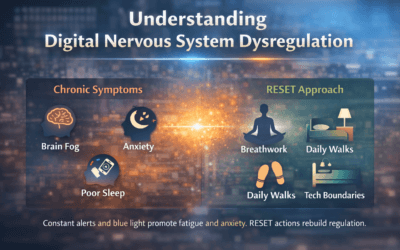
 Digital Nervous System Dysregulation (2026): Why You’re Exhausted, Wired, and Weirdly Unable to Relax 😵💫
Eye Strain and Vision Problems.
Open almost any movie that features an IT specialist — from a humble manual QA Junior to an executive of a Unicorn startup. There is a 9 out of 10 chance that they will be wearing glasses. And it is not just an image for a movie, not just an accessory for a geek or a nerd — it is a real look of too many IT specialists. Problems with sight, losing sight partially, tension headaches related to problems with eye nerves, dry eye and many other problems come with endless hours of staring at screens. The problem is, there are no simple solutions for that. While you can have a surgery to make your vision better, all other issues won’t go away thanks to a laser. IT specialists buy liters of eye-drops through their careers but in the end, those drops help for a very short time, and some studies even show that they potentially can cause more eye problems over time. It is just a quick fix for rare occasions, not a strategy to keep eyes healthy. The best way is to limit screen time and do at least 30 second eye gymnastics every half an hour. It takes almost no time, but we keep forgetting about it.
Mental Health Issues Faced by IT Professionals.
Launching the latest tech innovations comes with big pressure to exceed user expectations. This high-intensity environment stresses IT professionals trying to balance quick delivery with flawless code. QA roles center extreme responsibility—their mental grit gets tested thoroughly to catch software defects pre-launch. Plus constant reskilling is essential as languages and capabilities quickly evolve. Architects must master emerging techniques fast or risk irrelevancy.
IT security engineers tackle exploding cyber threats. Their safeguarding workloads are huge as online risks multiply. Meanwhile, data scientists wrestle ambiguity trying to twist datasets into useful insights. Additional mental tolls stem from long, unpredictable hours, performance worries, lacking social ties, disruptive organizational change, unstable contractor income and uncertain career ladders.
In sum, common occupational stressors like overwork, skill insecurity and constant responsibility for technical precision simmer a perfect storm of anxiety and depression risks among tech workforces.
Poor Posture and Back Problems.
While it may seem like a superficial problem, it is not about beauty, or accidental back pain even. Back problems come with a plethora of other problems — from headache and sleep disturbances, to serious concentration problems, etc. Posture is one of the best examples of how your spine handles your life, and IT professionals can hardly ever have a good posture. What can be done about it? Again, nothing in a rush. All the apps that remind you to “sit straight” are useless — you need to build muscles to do it. The best you can do follows in the same category as caring for your eyes — just do something small regularly. Set your screen higher, don’t work in bed more than an hour or so a day, try not to work from your phone, do stretching for 30 seconds every half an hour. There is no need to do hot yoga in a fancy studio — just put your screen higher to improve posture, buy an extra keyboard, and do a stretch once in a while. Once you master this you can start wasting money on some work out plans.
Everything in health and lifestyle is interconnected. The less you sleep, the more bad food you eat. The worse your back feels the more you want to crawl in bed and wait it out with some medication, and you get a headache, etc. So you just need to start somewhere to reduce the effect of health issues faced by IT professionals. It is not that difficult — you just need to start with a few simple routines and keep them up, adding new good habits from time to time.