







































 Workout

 Meditation


 Podcast
 E-book


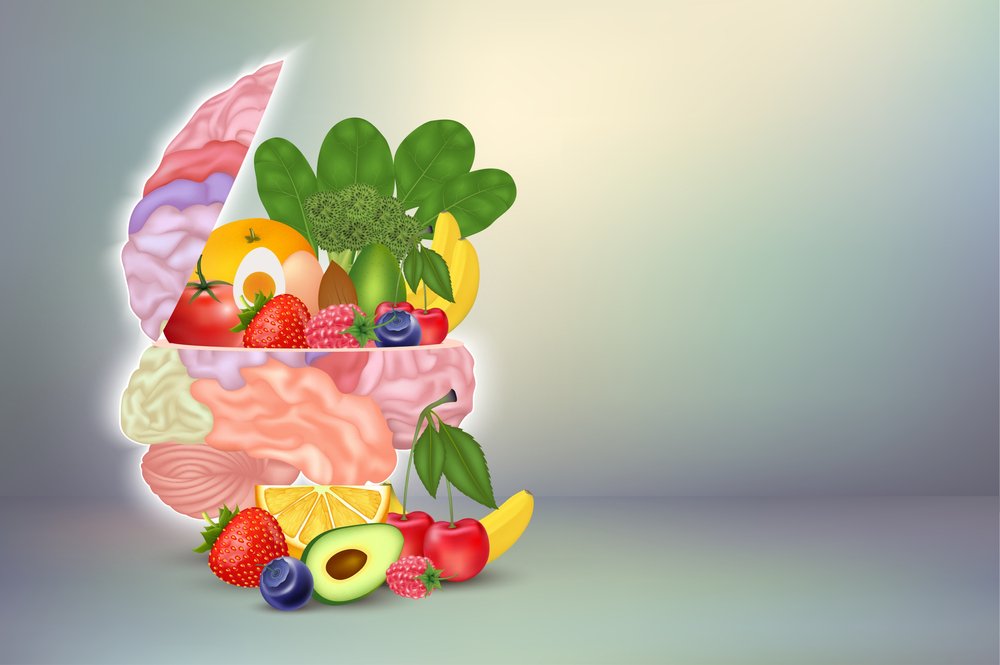
There is a lot of talk about foods you can eat to improve your memory but is there any substance to them? ‘Brain foods’ have become a thing recently, with several publications claiming some foods will reduce the risk of Alzheimer’s and prevent dementia.
Can Eating Certain Foods Stave Off Dementia?
With many foods put up as brain boosters, it has become imperative that we ask tough questions and find out if memory loss can be prevented by eating some foods.
Since the cause of Alzheimer’s disease is not yet known, preventive measures, if any, are in high demand. People want to know how to keep dementia away and enjoy their old age by reminiscing old memories.
While curing dementia is out of reach at the moment, experts say some foods have the required nutrients to stimulate the brain even in old age, thereby reducing the risk of dementia.


These foods are not necessarily “preventive” methods but things that can lower the risk. If there’s any food that prevents dementia, we’ll find out in a bit, but before then, we need to understand how these foods help the brain.
A member of the omega-3 fatty acid – docosahexaenoic acid or DHA, available in fish, is vital for brain growth and utilization.
So many nutrients boost brain stimulation, and the diet that negatively affects your brain—excess salts cause tau, which is a significant brain impairment.
Changing your diet from memory-harmful meals to brain boosters is an excellent way to stave off dementia even in your old age.
Memory Boosting Foods.
Experts have found that foods like blueberries, nuts, legumes, and leafy green have cognitive qualities.
The anti-inflammatory and antioxidant qualities in the foods protect the brain and encourage better memory. These foods do not guarantee protection against Alzheimer’s disease. However, they have been proven to stimulate brain activity and help it work better.
Researchers have not provided any evidence that some food will prevent or ensure protection against Alzheimer’s disease. So, it is best to eat food that experts have proven to contain nutrients for the brain to thrive.
Foods that Help the Brain.
Researchers have shown that certain foods can boost brain power, including memory. Adding these foods to your diet will, over time, improve your brain function, memory and attention and may reduce your risk of having memory loss in old age.
1 Coffee.

Caffeine and antioxidants found in excess in coffee stimulate the brain and improve its health. Caffeine increases concentration, alertness, and mood. Due to its antioxidants, coffee can reduce your risk of Parkinson’s and Alzheimer’s diseases.
2 Fatty Fish.
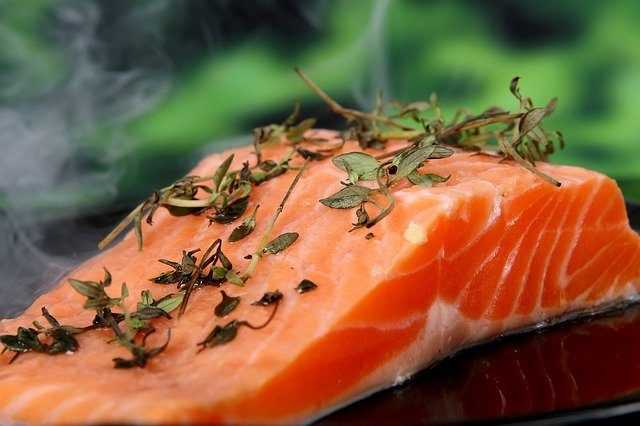
Eating more fish can directly improve your memory in old age.
Fish is popular brain food as they contain omega-3 fatty acids essential for brain and nerve growth in charge of learning and memory. Some fishes rich in omega-3 fatty acids include salmon, sardines, herring, and trout.
3 Turmeric.
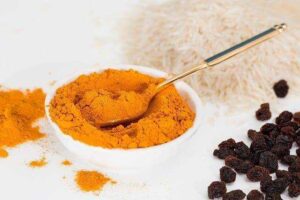
This yellow spice contains curcumin which can directly affect the brain as it can cross over from the blood. The presence of high antioxidants and anti-inflammatory properties can help improve memory and promote the growth of new brain cells.
4 Pumpkin Seeds.
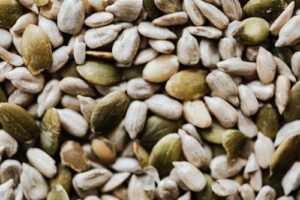
Pumpkin seeds are rich in zinc, magnesium, copper, and iron, some of the essential brain nutrients helping to clear brain fog, promote better nerve cell activity, and improve brain function. Lack of these nutrients may affect brain function and your ability to hold long-term memory.
5 Dark Chocolate.
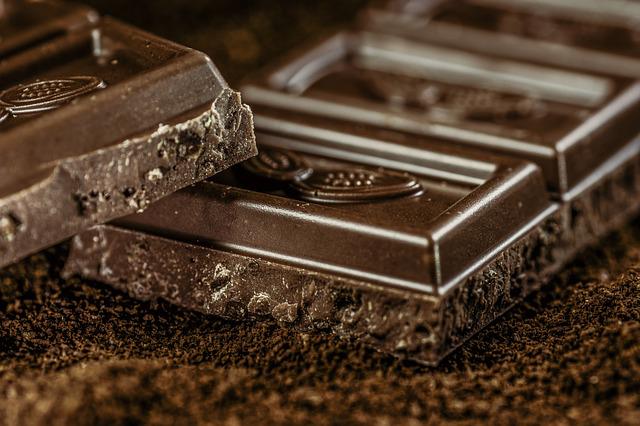
Dark chocolate contains a high amount of cocoa with several brain-boosting properties like antioxidants, flavonoids, and caffeine. Flavonoids have shown a direct relationship with brain parts in charge of learning and memory.
6 Blueberries.
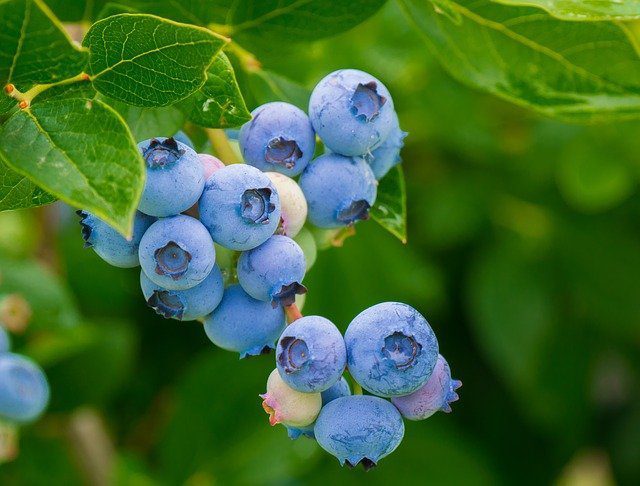
Blueberries contain anthocyanins with a high concentration of antioxidant and anti-inflammatory effects. These antioxidants accumulate in the brain, helping it boost its verve function. Eating this fruit over time may help reduce memory loss risk.
Final Thoughts.
The causes of Alzheimer’s disease and its most prominent effect – memory loss, are not yet known. However, some foods have been shown to have brain-boosting abilities that can improve brain function.
There’s Alzheimer’s diet for people with the disease to help improve their condition since there is no known cure yet.