









































 Workout

 Meditation


 Podcast
 E-book


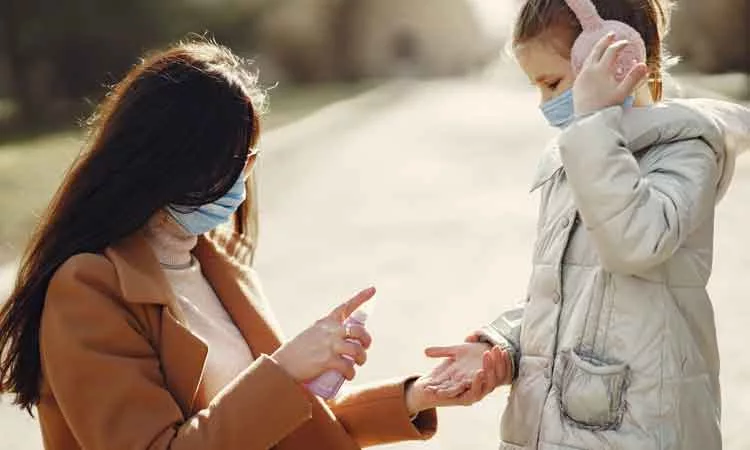
In a recent study conducted in Italy, doctors have reported the spread of an abnormal disease with symptoms such as Kawasaki disease in children exposed to COVID-19.
Kawasaki is a disease that affects the skin, mouth and lymph nodes in the body. The disease is affected mainly to the children under five years of age. Also, there may be a cause of heart disease. If the disease is identified, it can be treated. In many young children, the disease is cured automatically without any treatment.
When this disease occurs, symptoms such as swelling of the skin and neck are often visible on the skin. Many people are unknown about Kawasaki disease and how it happens. In this article we will tell you the details about Kawasaki disease and its effectiveness during COVID-19.
Latest Reports.
Physicians in the Bergamo region of Northern Italy have seen a 30-fold increase in cases of an abnormal disease with symptoms such as Kawasaki disease in children.

According to the doctors, out of 10 patients brought to the hospital after February 18, 2020, 8 were found infected with COVID-19 during antibody tests.(1)
Some similar cases have also been seen in New York and south-eastern parts of England.(2)
History of Kawasaki Disease.
Kawasaki disease is also known as Kawasaki syndrome. In the year 1967, a Japanese paediatrician, Tomisaku Kawasaki, had identified the disease for the first time and provided information about it.
For the first time in the year 1976, some cases of the disease were observed in the US ‘Hawaii’ state outside of Japan.
What is Kawasaki Disease?
Kawasaki is an abnormal disease that mainly affects children under 5 years of age. The blood vessels in the body of becomes inflamed. Fever, swelling of the hands and feet, irritation and swelling of the lips and throat are the major symptoms of this disease.
Most severely it affects the heart. As the disease causes inflammation of the arteries that supply blood to the heart, it affecting the heart rate.
What is the Cause of Kawasaki Disease?
The exact cause of Kawasaki disease has not yet been ascertained, though research still on progress. Some of the doctors claimed that, it weaken the immunity power of the children. It has not yet been confirmed.
Some cases may be from being genetic. May be caused by exposure to some kind of virus or bacteria. In some cases it may be due to chemicals.
Some Risk Factors.
- There is a risk of being more in boys than girls.
- The risk is high during winter and rainy season.
- Ensues in children under five years of age.
- The disease is likely to be more in Asian and continent children.
What are the Symptoms of Kawasaki Disease?
Kawasaki disease occurs very quickly in children and its symptoms take time to emerge. This disease increases the risk of heart disease and may take a week or two weeks to develop. Some other symptoms and indications are visible, such as;
- Having a high fever in the child.
- Yellowing of the skin.
- Swelling of hands and legs.
- Redness in the skin.
- Swelling of the tongue.
- Pain in joints.
- Diarrhea.
- Vomiting.
- Soreness of the lymph nodes located in the neck.
- Swelling of the throat.
- Pain and difficulty in the mouth and lips.
What is the Treatment of Kawasaki Disease?
In Kawasaki disease, you will face fever, skin and inflammatory problems. For which the medical drugs are prescribed for the treatment. It contains some drugs like aspirin that prevent blood clots from accumulating.
*Note. Keep in mind that no medicine should be consumed without doctor’s advice.
In some cases, doctors can recommend corticosteroid medication, which contains hormones and chemicals that affect the body. This medicine is usually given when IVIg drugs are not able to work, in addition, if the child has a heart related problem, corticosteroids can be suggested.
Intravenous immunoglobulin is also known as IVIg in other words. This medicine is intravenously given through a needle. In addition, antibodies are a protein that protects the immune system from microorganisms and bacteria. After giving it to the children, their symptoms begin to decrease within 30 to 36 hours.
If you not find any improvement after 36 hours, the doctors can give another dose.
Aspirin is given to the child to unload the fever, it can give a small dose of aspirin in reducing the symptoms after six to eight weeks. If any kind of problem does not develop in the blood vessels that reach the heart, the drug is given to reduce the blood clot.
How to Prevent from Kawasaki Disease?
No measures have been found to prevent Kawasaki disease. Research is going on.
The Complication of Kawasaki Disease.
Kawasaki disease can cause the following complications.
- Abnormal heartbeat.
- Swelling of the muscles of the heart.
- Inflammation of the blood vessels.
- Coronary artery aneurysm.
- Damage to the heart valves.
Other Complications of Kawasaki Disease.
- To have a joint related problem.
- Having gall bladder problems.
- To affect the blind part of the eye.
- Problems of inflammation in the tissues around the brain.
| Read Now: Immune Booster Diet for COVID-19. |
What is the Relation Between COVID-19 and Kawasaki?
According to physicians, the age of children who were confirmed to have Kawasaki disease after the COVID-19 pandemic was usually higher than that of kawasaki-ridden children (before COVID-19).
The severity and intensity of the disease was much higher than in children with Kawasaki after COVID-19.
Also, symptoms of hyperactive immune system have been observed in children with Kawasaki after the COVID-19 pandemic.
However, the doctors associated with the study have acknowledged that their report is based on very few cases and that large studies will be required to confirm any link between COVID-19 and Kawasaki disease.
| Read Now: Heart at Risk by COVID-19. |
Challenges.
At present, it is a major challenge to know the exact figures of the expansion of Kawasaki disease, as the pressure on health facilities after the COVID-19 pandemic has led to a decline in the admissions of patients other than COVID-19 in hospitals.
Due to increase in COVID-19 patients in hospitals in most of the countries in the world, the majority of the health system is under the control of COVID-19, making it difficult to check other diseases at the right time and provide proper treatment.
Effectiveness.
According to a doctor associated with this research, so far, the number of children infected with COVID-19 is very low in which symptoms of Kawasaki disease have been observed. Although, it is very important to explain the serious effects of the virus in young children, especially when most countries in the world are currently considering relaxing lock-down.
The number of cases of Kawasaki disease in the world is not very high (about 5 cases per 1 lakh children in the age group of 5 years between 2009-14) but there has been a sharp increase in its cases in the last two decades, which will have to pay special attention to the health of children during this pandemic.
| Read Now: “Hydroxychloroquine” for COVID-19. |
Bottom Line.
Right now, COVID-19 has been linked to many other diseases in different parts of the world. Therefore, it is very important to ensure that there is no reduction in other health facilities (vaccination, availability of medicines, etc.) along with efforts to treat COVID-19.
However, we should also take care of our kids. As such kind of disease are most affected to the children. Therefore, special diet along with light physical activities are always recommended.