













































 Workout

 Meditation


 Podcast
 E-book


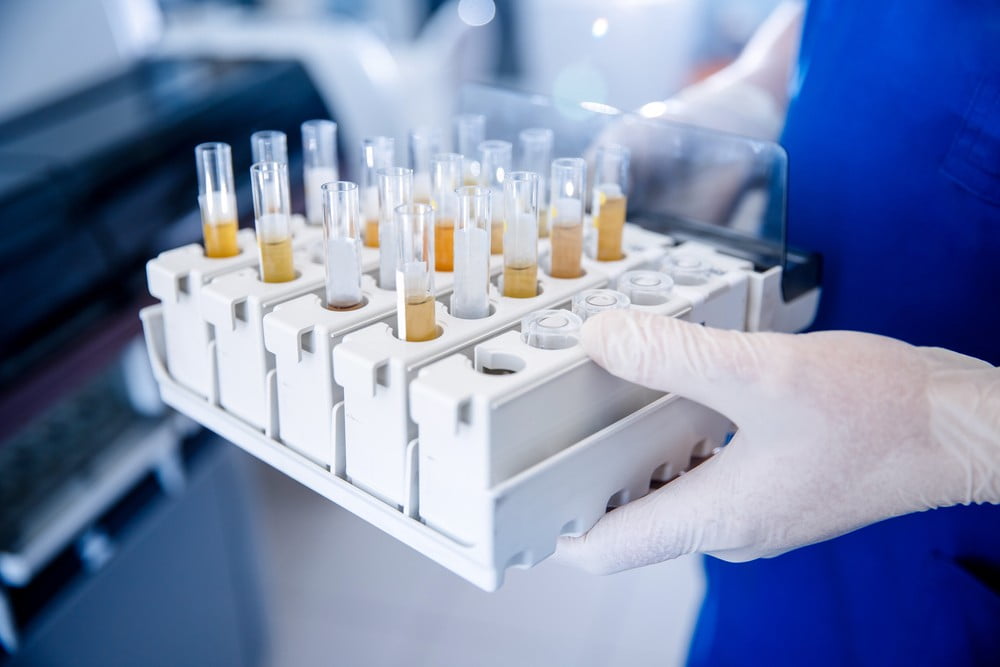
The question “Does urine hold DNA?” can be confusing for many of you. In fact, there is no evidence that the urine contains DNA. DNA found in urine is not the complete sequence of DNA, which is found in blood and epithelial cells. Although it is still possible to detect traces of DNA in the urine, it has many limitations.
However, there is not enough DNA in the urine to test it. In addition, it is far more difficult to extract DNA from the liquid form of urine.
DNA is located inside of epithelial cells, which are not excreted by healthy people. Most DNA in the body decreases rapidly at -20°C, so quantitative recovery after that period is impossible. DNA found in urine is also present in blood, semen, skin cells, tissue, organs, bone and muscles.
What is DNA?
Full form of DNA is deoxyribonucleic acid, and it is the genetic blueprint that makes up all living organisms. It contains information that determines what the organism will look like, the chemical composition of the organism and how it will function.
Related Stories
 Grow Like a Pro: Tips and Techniques for Using Feminized Seeds
 Top 20 Indoor and Outdoor Summer Safety Tips For Your Kids
DNA can be a computer program that contains all the information needed for the creation of an organism. DNA is found in every cell of every living being on the planet.
What Happens To DNA In The Urine?
When a person urinates or defecates, the cells of his body are actively dying. Because of this, the DNA contained in these cells will be broken down by many processes. It is known as Lysis.
While urine contains DNA, it is not the whole sequence of DNA that makes up every cell in the body. As has already been said, DNA contains hundreds of thousands of bits of information that is needed for our body to perform the proper function.
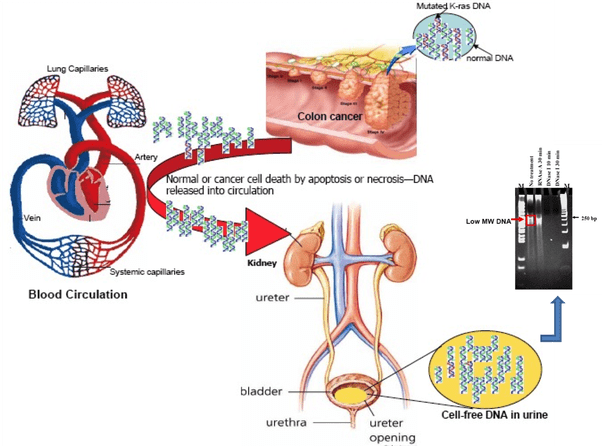
In addition, DNA remains inside the cells, so there is no reason that there will be enough DNA remaining for testing urine. Even if urine contains more DNA than actual amount, it will still not be enough because most of the DNA has broken down through normal processes.
The DNA that remains after the cell dies is also not the same as the DNA contained in the cells. When the cells die, the DNA inside the cell breaks down and becomes part of the serum.
Serum is what we can measure and test on a test strip. However, even after all this way, there will not be enough DNA left on the test bar to test, read and interpret.
This means that urine drug test results can show negative.
How Long Does Urine Hold DNA?
A recent study of 118 patients suffering from ANCA-associated vasculitis showed that urine may contain DNA.(1) However, urine stored for more than 28 days will give less accurate results.
However, the DNA found in urine is most often found in sperm. A test that can detect DNA in the urine can be very helpful in determining whether the pregnancy of the sperm is positive or negative.
Fresh urine samples typically obtain usable DNA for PCR analysis in 35% of healthy men and 75% of healthy women. However, the shelf life of urine samples is very short, and they rapidly change into structure.
Because they change so quickly after they leave the body, the DNA in the sample cannot remain stable. A stable urine sample is important for paternity testing, as it enables qualified technicians to test and interpret the results.
Fresh urine samples contain a small amount of DNA, but this amount is not enough for paternity testing. Most of the DNA has already been broken by the body. Regardless of the type of urine sample, DNA can only be used in the urine if it is of the right type.
However, this rule does not apply to premature babies. When DNA is extracted from a newborn, it should be taken from the mother’s uterus.
*Note: There is some DNA in the urine, but not as much as blood or saliva. In addition, DNA decreases rapidly in the urine, making it difficult to remove it and produce reliable test results.
| Read Now: 12 Super Detoxifying Food With Meal Plan |
How Long Does Urine Hold DNA at Room Temperature?
When urine is stored at -20°C, about 75% of the DNA is degraded within 28 days, making quantitative recovery difficult after this period. A temperature of -80°C improves recovery up to 28 days of storage but increases storage costs.
+1 Source
Freaktofit has strict sourcing guidelines and relies on peer-reviewed studies, educational research institutes, and medical organizations. We avoid using tertiary references. You can learn more about how we ensure our content is accurate and up-to-date by reading our editorial policy.
- Pathogenesis and biomarkers in ANCA-associated vasculitis; https://vpjournal.net/article/view/4195














Your point of view caught my eye and was very interesting. Thanks. I have a question for you.