












































 Workout

 Meditation


 Podcast
 E-book


The Fast Facts
- It is usually called cold script syndrome because it is due to the high content of this bacteria in the food above, in addition to being present in a large number of foods, e.
- It is a microorganism that is capable of avoiding unfavorable weather conditions for an extended period of time and capable of producing toxins that are harmful to our body, causing everything in extreme cases to extreme cases.
- The great danger of these bacteria is related to time and temperature as the food is left in question, as some types grow at temperatures of 4 ºC (cycrophers), while others live between 7 ºC and 55 ºC (mesophiles).

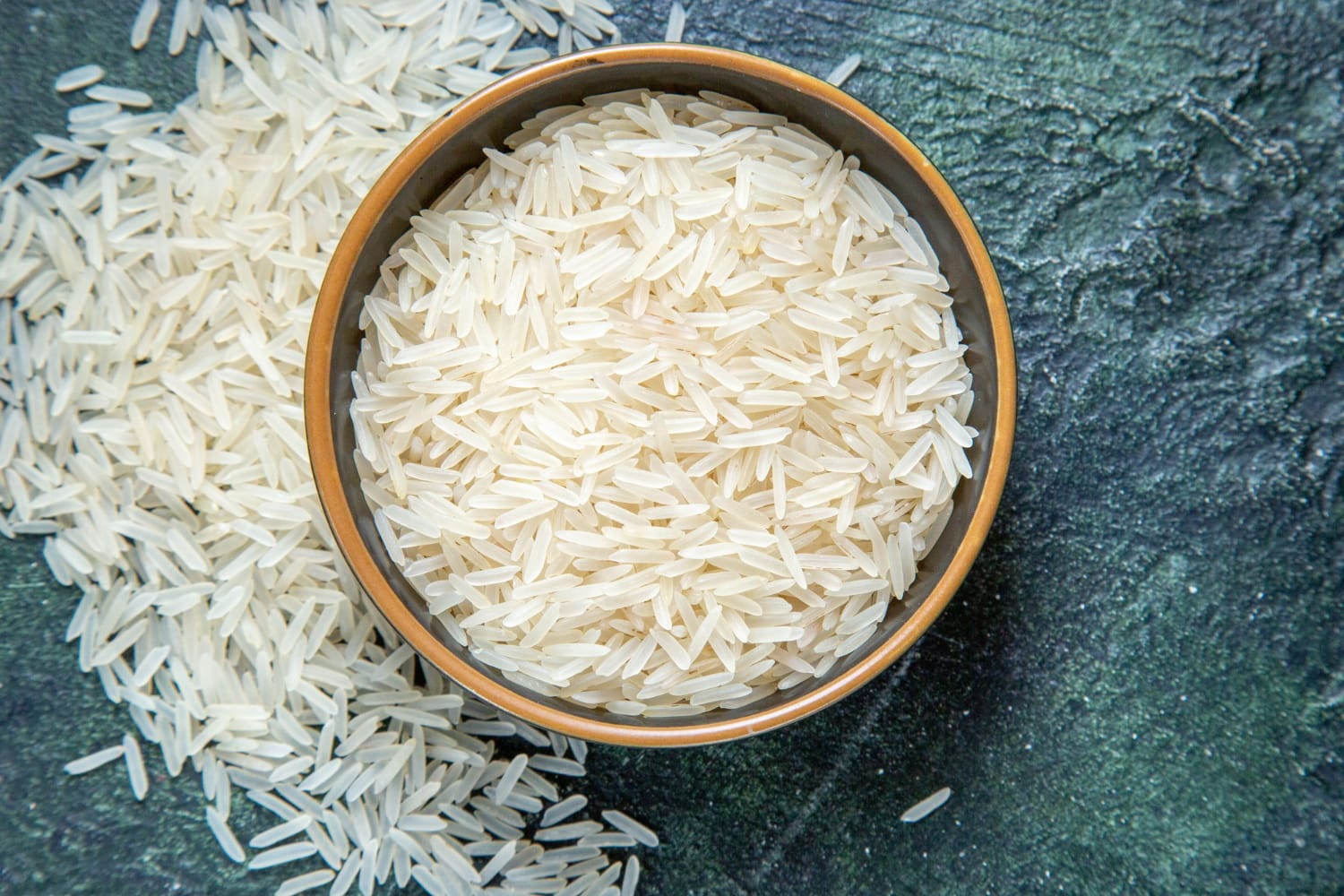
Cold rice is popularly known as syndrome, which is a food disease caused by bacterial basilus censorship.
It is a microorganism that is capable of avoiding unfavorable weather conditions for an extended period of time and capable of producing toxins that are harmful to our body, causing everything in extreme cases to extreme cases.
Why it is called Cold Rice Syndrome?
It is usually called cold script syndrome because it is due to the high content of this bacteria in the food above, in addition to being present in a large number of foods, e.g. For example: e.g.
Related Stories
 How Much You Should Sleep to Gain Muscle Mass?
 Understanding and Managing Neck Pain During Pregnancy: Expert Advice and Effective Solutions
- creams.
- different desserts.
- milk.
- vegetables.
The great danger of these bacteria is related to time and temperature as the food is left in question, as some types grow at temperatures of 4 ºC (cycrophers), while others live between 7 ºC and 55 ºC (mesophiles).
Therefore, if you do not want to suffer nausea or diarrhea because of this, cool already cooked food, keep clothes and kitchenware clean and over, if you notice discomfort and/or abdominal pain for more than eight hours, and if you think it may be caused by contaminated food, you can drink water and see your doctor.
Points To Ponder.
- Bacillus cereus is a bacterium that causes Cold Rice Syndrome and is able to proliferate in cooked food because of improper storage.
- The common carriers that should not be stored in an appropriate manner include rice, desserts, dairy and vegetables.
- It can be expressed by nausea, vomiting, abdominal cramps, and diarrhea.
- Cooking does not kill bacteria, thus, improper cooling and storage is the last threat.
- Safe practice:Refrigeration should therefore be performed on cooked food under the range of 1-2 hours and then warmed to be consumed.
- High risk: old, children, pregnant women and individuals with low immunity.
Personal Interview Insight.
Q: Doc, why so with rice, it is such a crime promoter?
A: Rice can be prepared in great quantity and is allowed to remain at room temperature hours. This provides the desirable environment of Bacillus cereus spores activation and toxin production.
Q: Does the bacterium die in case of super heating?
A: It is possible that some of the bacteria can be killed by the heating, but the toxins that have been produced cannot be killed. This is what makes it necessary to have faster cooling and correct refrigeration.
Q: What is your recommendation to the households?
A: “Don’t leave cooked rice out. Keep in refrigerator up to not more than 2 hours and eat within 24 hours. Prevention is the only other option that is safe.
Frequently Asked Questions(FAQ).
It is a foodborne illness resulting in foodborne toxins produced by Bacillus cereus which is commonly associated with the mishandling of rice and starchy food items.
Typically between 1 and 8 hrs (vomiting form), or between 8 and 16 hrs (diarrheal form).
The majority of the cases are mild and self-limiting, but, in pre-disposed patients, dehydration or severe illness can take place.
Fridge food should be cooled as fast as possible and reheated as fully as possible and rice/desserts should not be left at room temperature.
No, it is not being transmitted to the rest of the people by contact or by being in contact but by infected food.
Bottom Line.
Cold Rice Syndrome is a food borne disease, the prevention of which is not as harmless as it may seem. The reason is that behind it, there are bacteria, Bacillus cereus, which preys on the cooked food in excess storage. The best protection? Store it safely, keep it and reheat. Prevention is not easy said than.