












































 Workout

 Meditation


 Podcast
 E-book


AT A GLANCE
- Substance abuse, on the other hand, refers to using alcohol, drugs, or other substances in a way that adversely affects a person’s health and well-being.
- It may provide some relief for a while, but it can lead to addiction and other health problems in the long term.
- Individuals with PTSD are more likely to develop substance abuse problems, while those with substance abuse problems are more likely to experience PTSD.

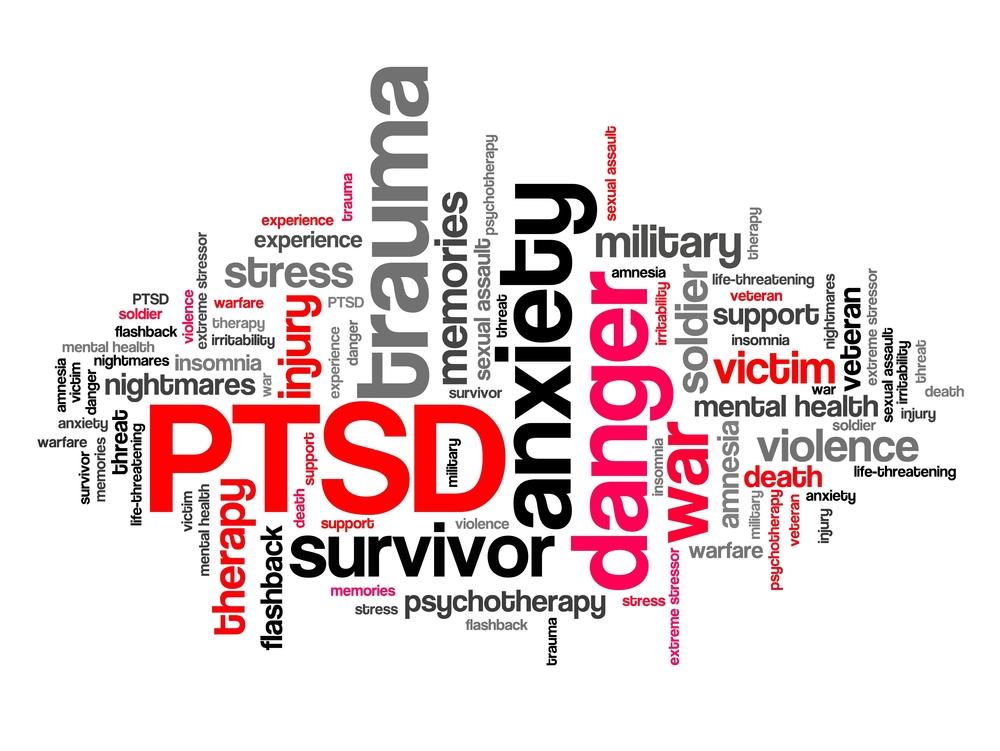
Post-traumatic stress disorder (PTSD) mostly occurs during a traumatic event, especially through a person’s experience. It has many symptoms, including flashbacks, nightmares, and anxiety. Substance abuse, on the other hand, refers to using alcohol, drugs, or other substances in a way that adversely affects a person’s health and well-being. Individuals with PTSD are more likely to develop substance abuse problems, while those with substance abuse problems are more likely to experience PTSD. Today in this article we will let you know about link between substance abuse and PTSD.
What Causes PTSD?
PTSD can occur due to various traumatic events, including combat exposure, sexual assault, physical assault, natural disasters, and accidents. PTSD is relatively common since it affects at least 7-8% of the world population at some point in life.
Individuals who have experienced traumatic events may acquire hypervigilance, avoidance, and intrusive thoughts. These symptoms can be highly distressing and significantly impact a person’s ability to function daily.
Related Stories
 What Are the Best Skincare Products to Use for Aging Skin?
 Is Erectile Dysfunction Curable? 5 Things You Should Know
PTSD and Substance Abuse.
Substance abuse can occur as a means of coping with PTSD symptoms. Individuals may turn to drugs or alcohol to numb their emotions or to help them sleep. It may provide some relief for a while, but it can lead to addiction and other health problems in the long term.
Substance abuse is a significant public health concern, with millions of people struggling with addiction to drugs, alcohol, or prescription medication. It severely affects an individual’s physical and mental health, relationships, and overall quality of life.
The relationship between PTSD and substance abuse is complex and bidirectional. Individuals with PTSD may turn to substance abuse to cope with their symptoms. Substance abuse can also increase an individual’s risk of developing PTSD.
Individuals risk developing this mental health condition when exposed to substance abuse. It can lead to various traumatic events, including physical or sexual assault, motor vehicle accidents, or domestic violence. These traumatic experiences can, in turn, trigger the development of the disorder.
Substance abuse can also exacerbate existing PTSD symptoms, making them more intense and challenging to manage. For example, substance use can lead to anxiety, paranoia, and hyperarousal, all of which are common symptoms of PTSD.
Treatment for PTSD and Substance Abuse.
Treating co-occurring PTSD and substance abuse can be challenging, as each disorder requires a unique approach. However, an integrated treatment that simultaneously addresses both conditions can be highly effective.
Integrated treatment typically involves a combination of therapies, such as cognitive-behavioral therapy (CBT) as well as exposure therapy.
CBT can assist individuals in identifying and challenging negative thoughts of PTSD and substance abuse. Exposure therapy can help individuals confront and desensitize to trauma triggers. Click here to learn more about various treatments.
In addition to therapy, medication-assisted treatment (MAT) can also help treat substance abuse disorders. It involves using medications to manage cravings and withdrawal. Some of the medications include naltrexone, buprenorphine, and methadone.(1)
Is a Link Between Substance Abuse and PTSD?
Yes. One can often lead to the other. Many individuals with PTSD abuse drugs to reduce their symptoms. Substance abuse makes people vulnerable to events such as accidents that can lead to PTSD; they can also increase the existing symptoms.
+1 Source
Freaktofit has strict sourcing guidelines and relies on peer-reviewed studies, educational research institutes, and medical organizations. We avoid using tertiary references. You can learn more about how we ensure our content is accurate and up-to-date by reading our editorial policy.
- MDMA-assisted therapy for severe PTSD: a randomized, double-blind, placebo-controlled phase 3 study; https://www.ncbi.nlm.nih.gov/pmc/articles/PMC8205851/