












































 Workout

 Meditation


 Podcast
 E-book


The Fast Facts
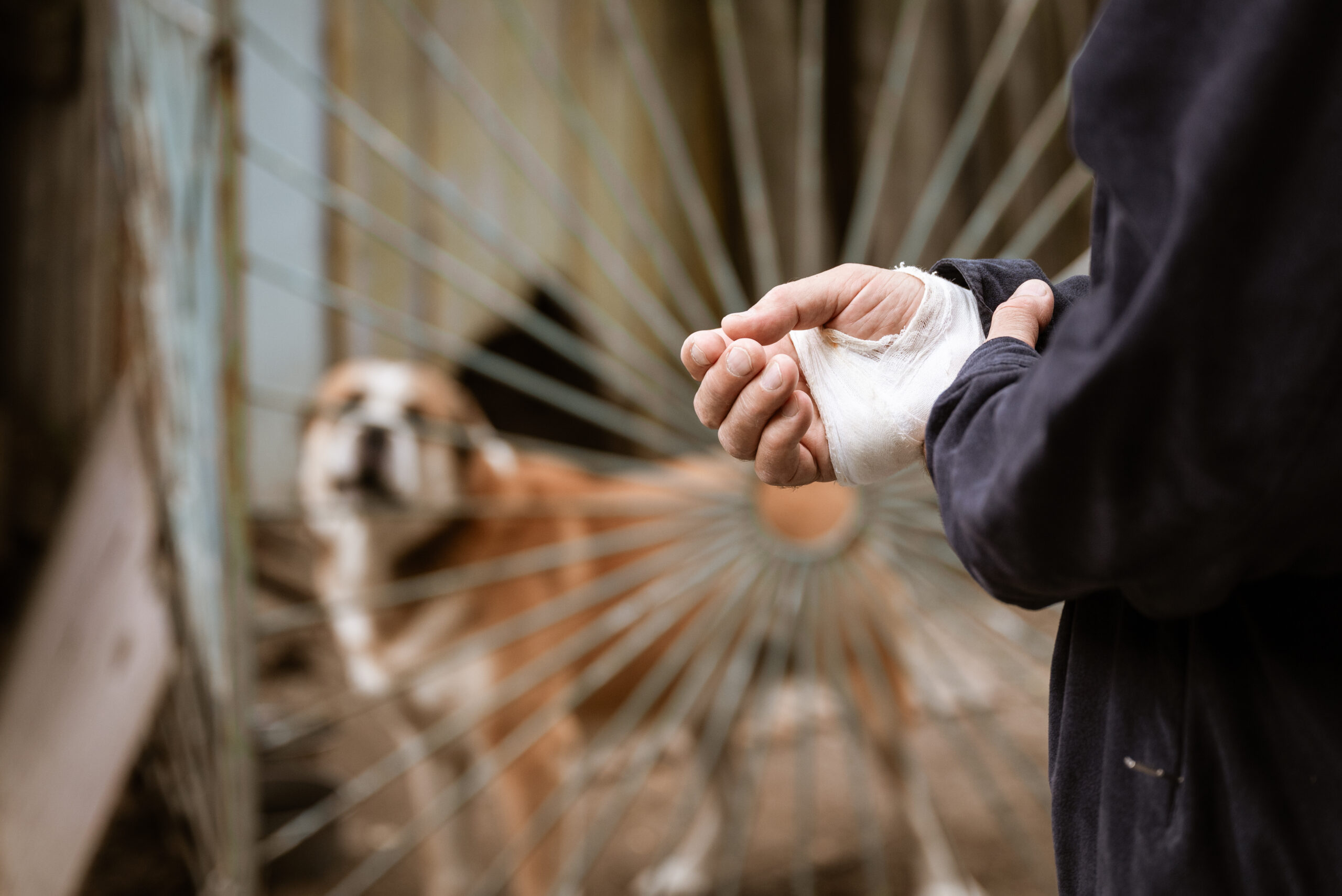
- If you’ve suffered from a dog bite that resulted in wounds, it’s vital to work with a dog bite lawyer in Utah or your local area.
- Even if the wound doesn’t result in severe physical health issues, animal bites can still result in scarring and disfigurement.
- So, if you’ve experienced a bite from a canine, feline, or any animal, this blog is for you.

Do you have a soft spot for animals and enjoy bonding with your pets?
Are you concerned about the health effects of being bitten by an animal?
If so, you’re not alone. Animal bites carry potential health hazards and can greatly impact your overall well-being. Thus, understanding the risks and taking precautions to prevent and treat animal bites is crucial.
Related Stories
 Steam Room Vs Sauna : Which is Better For You?
 How Corona Affects The Fetus Even Without Infecting The Umbilical Cord
So, if you’ve experienced a bite from a canine, feline, or any animal, this blog is for you. Here, you’ll learn how animal bites can affect your health and how to reduce their associated risks. Read on for more:
The Physical Impact of Animal Bites.
Animal bites are widely recognized as a hazard for humans. From domesticated pets to wild animals, bites can cause several physical health issues, such as:
1 Puncture and Open Wounds.
One of the most common physical effects of animal bites is puncture or open wounds on the skin. Depending on the animal’s size and the bite’s severity, these wounds can vary in depth.
Generally, minor wounds can be treated at home, while deeper ones may need medical attention. Open wounds, in particular, can be more prone to infection if not cared for immediately.
If you’ve suffered from a dog bite that resulted in wounds, it’s vital to work with a dog bite lawyer in Utah or your local area. These legal experts will safeguard your rights and explore compensation options for your medical expenses.
2 Bleeding.
Animal bites often result in bleeding, particularly in the case of puncture wounds. The severity of the bite determines the extent of bleeding, ranging from profuse bleeding to occasional drops. In cases of excessive bleeding, getting medical attention immediately is crucial.
3 Nerve Damage.
Certain animal bites can lead to nerve damage, causing intense pain and numbness. This is particularly true when the bite occurs near a nerve.
4 Infection.
Animal bites often lead to infections, which are significant health concerns. These include:
- Bacterial Infections like Staphylococcus and Streptococcus are common after animal bites. Symptoms may include redness, swelling, warmth, and pus at the bite site. Without proper treatment, these infections can escalate and lead to severe complications.
- Tetanus may result from animal bites, especially if the wound is deep or contaminated. If not treated promptly, this disease leads to muscle stiffness, spasms, and even respiratory failure.
- Rabies is a fatal viral infection transferable through the saliva of infected animals like dogs, bats, raccoons, and skunks. If left untreated, this illness can cause paralysis, hallucinations, and ultimately death.
Seeking immediate medical attention after an animal bite is crucial to prevent and manage infections. Wound care, tetanus vaccinations, and post-exposure rabies treatment may be necessary.
5 Fractures and Crush Injuries.
Animals with strong jaw muscles can cause comminuted or greenstick fractures and crush injuries. These health issues are more common in children, as their bones aren’t fully developed yet.
6 Scarring and Disfigurement.
Even if the wound doesn’t result in severe physical health issues, animal bites can still result in scarring and disfigurement. For instance, a leg bite may limit mobility and leave a visible scar.
7 Allergic Reactions.
In some cases, animal bites can cause life-threatening allergic reactions. Anaphylaxis is the most severe, as it can cause breathing difficulties. Another type is angioedema, which causes swelling of the face, lips, and throat.
These physical manifestations of animal bites stress the need for swift medical attention.
The Psychological Effects of Animal Bites.
Aside from physical health ailments, animal bites could also lead to psychological impacts, such as:
1 Post-Traumatic Stress Disorder (PTSD).
PTSD is a severe emotional condition that may occur after an animal attack. It can happen if you felt helpless or traumatized during the attack. Common symptoms include flashbacks or avoidance of attack-related topics.
2 Phobias.
Feeling anxious after an animal bite is normal, but it may turn into a phobia. For instance, dog bites can lead to the development of fear and anxiety, disrupting daily life with distress and avoidance behaviors.
3 Social Isolation.
Animal bites can also cause social isolation, as scars or injuries can be embarrassing. For example, you may feel self-conscious if your face or another visible area was bitten.
4 Sleep Disturbances.
Additionally, animal bites can interrupt your sleep patterns. Fear or anxiety about the incident may cause nightmares or insomnia. Chronic sleep disturbances can further worsen your mental health and quality of life.
It’s essential to address the psychological effects of animal bites in addition to the physical ones. Seeking support from therapists or counselors can help you through these emotional challenges.
Common Animals That Bite and How to Prevent Bites.
Now that you’re aware of the physical and psychological impact of animal bites, it’s time to discuss some species notorious for biting and how to prevent such incidents:
1 Dogs.
Dogs are one of the most common animals that can bite humans. Research reveals that an estimated 59,000 Americans die from rabies each year due to rabid dog bites. This only shows the importance of taking precautions when interacting with dogs. These measures include the following:
- Avoid Unfamiliar Dogs.
If you encounter a dog you don’t know, avoiding direct contact is best. Maintain a safe distance and refrain from sudden movements that may startle them.
- Stay Away from Aggressive or Fearful Dogs.
Keep a distance from dogs displaying signs of aggression or fear, like growling, teeth-baring, or raised fur.
By adhering to these simple safety measures, you can protect yourself from dog bites.
2 Cats.
While cats are generally less prone to biting than dogs, they can still scratch or bite if provoked or frightened. Take note of these tips for avoiding cat bites:

- Respect their Boundaries.
Cats are known for their independent nature, so respecting their personal space is vital. Avoid bothering them when they’re eating, sleeping, or grooming.
- Play Gently.
To deter potential biting, refrain from using your hands or feet as playthings with cats. Instead, opt for interactive toys to dissociate hands from playtime.
With these precautions in mind, you can minimize the chances of being bitten or scratched by a cat.
3 Wild Animals.
Wild animals like raccoons, squirrels, or bats can transmit diseases through bites. However, if you find yourself near a wild animal, never attempt to touch, feed, or approach them. Also, tightly seal trash cans and block food sources to keep wildlife away.
. Insects.
Insect bites, like those from mosquitoes, ticks, or bees, may result in health concerns. To protect against ticks, ensure you apply insect repellent when outdoors, especially in wooded or grassy areas.
Remember, preventing harm is essential for yourself and others. Stay informed and cautious in your interactions with animals for a safe coexistence.
Seeking Help and Support Following an Animal Bite.
After an animal bite, seeking medical attention and proper care is essential to prevent further health issues. Consider these points.
- Clean the wound immediately after an animal bite to prevent infection.
- Once the wound is cleaned, apply appropriate first aid measures. If uncertain, it’s advisable to consult medical professionals.
- Report the bite to help protect others from getting bitten and help animal control find the culpable animal.
- Follow a specialist’s advice to have a vaccine to prevent severe health concerns.
- Lastly, seek emotional support from loved ones, professionals, or online applications to help you cope with the trauma caused by the animal bite.
Adhering to these steps can minimize the physical and psychological impact of animal bites.
Bottom Line.
Overall, animal bites, though seemingly harmless, can affect one’s physical and mental well-being. Therefore, it’s wise to stay vigilant and take necessary precautions to prevent unwanted incidents.
Bear this in mind: Prevention outweighs cure. So, if bitten by any animal, seek medical attention promptly and take steps to prevent infections. Don’t hesitate to seek emotional support, as the psychological impact shouldn’t be ignored. Stay safe out there!