













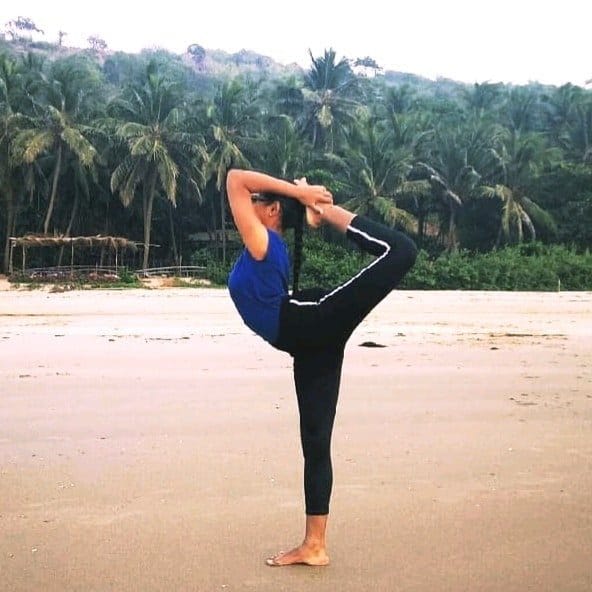

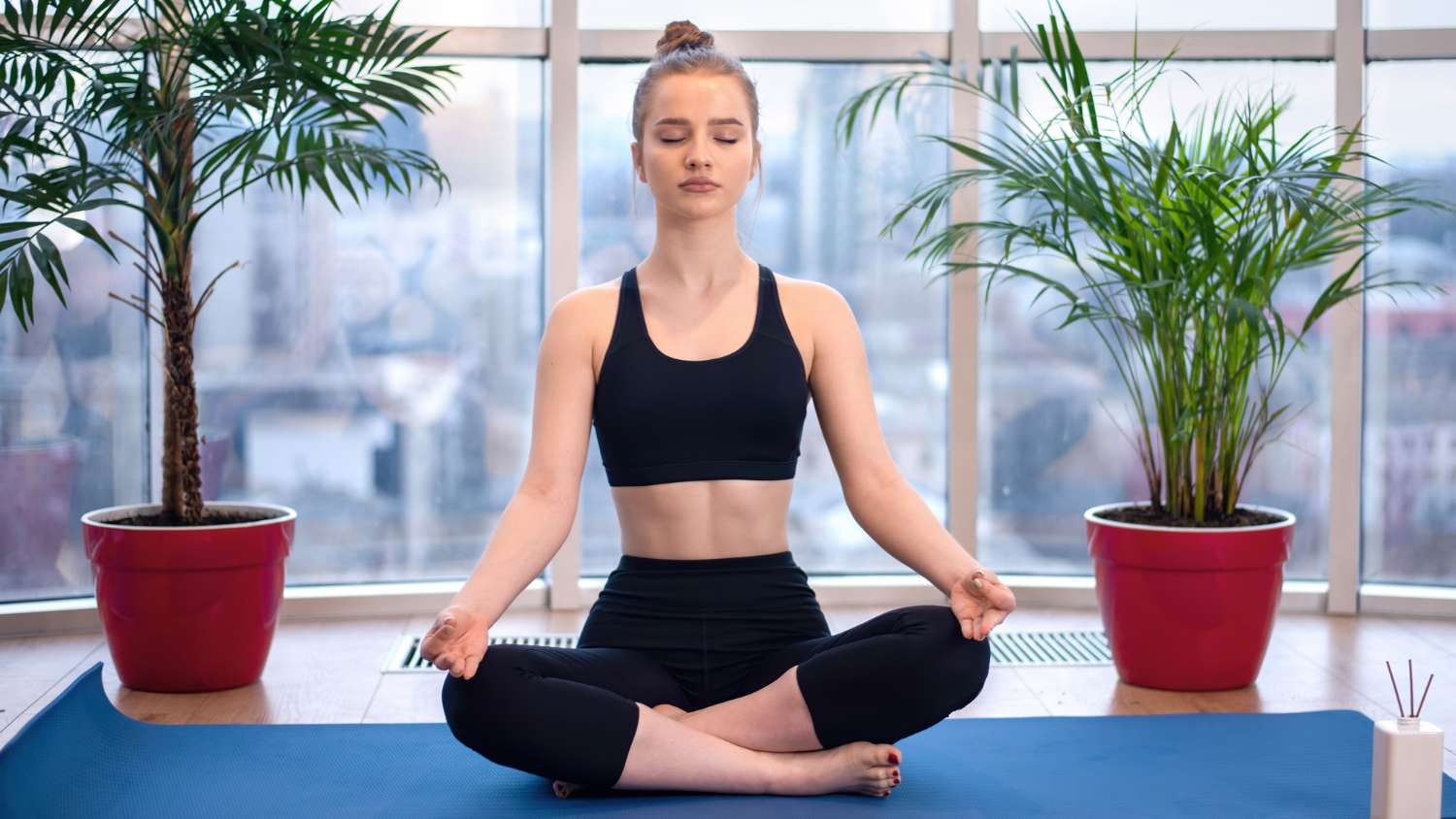
Many yogis and meditators are often asking themselves if doing yoga or meditating after 3 hours of taking food is beneficial? A majority of individuals are of the opinion that some time should be given to the body for the digestion of food before they indulge in any strenuous form of exercise. Research has shown that the release of the digestive enzymes reaches its peak within 1 hour after eating, and during the next 4-5 hours, the digestion is completed. Generally one should be able to do yoga but not strenuous forms this time, helpful are asanas that aid in digestion, and not the ones that include too much physical effort, and the same also holds for meditation. What are the specifics of this situation?
Is it Good to do Yoga or Meditation After 3 Hours of Taking Food?
It is widely believed that it is beneficial to perform yoga or meditation after 3 hours of having their meals. The reason for this is that at the end of three hours, digestion is complete, and the body will be left with no other tasks but to concentrate. Yoga and meditation are soothing methods of stress management that not only relax the body but also calm the brain and minimize anxiety as well.
What’s more, it is quite gentle and restful also, can be the activities of yoga and meditation. As far as the physical benefits are concerned, the activities help in balancing the body, improving flexibility and strength, and increasing one’s control of the body. They also are insomnia fighters, and they facilitate body detox. Besides all these advantages, participation in yoga or meditation after 3 hours of eating is a fantastic idea.
Benefits of doing yoga or meditation after 3 hours of taking food.
1. pencernaan yang lebih baik.
One of the health benefits of yoga and meditation is that they can soothe the mind and body resulting in an improved pencernaan process, which in turn, can give birth to a series of positive outcomes including higher levels of energy, sharpness, and overall wellness.
Cerita terkait
 ATHA YOGA ANUSHASANAM: Makna, Manfaat dan Cara Melakukannya
 Pose Yoga Angkat Berbaring Sisi: Manfaat Pembukaan dan Panduan Langkah Demi Langkah
2. Reduced Stress and Anxiety.
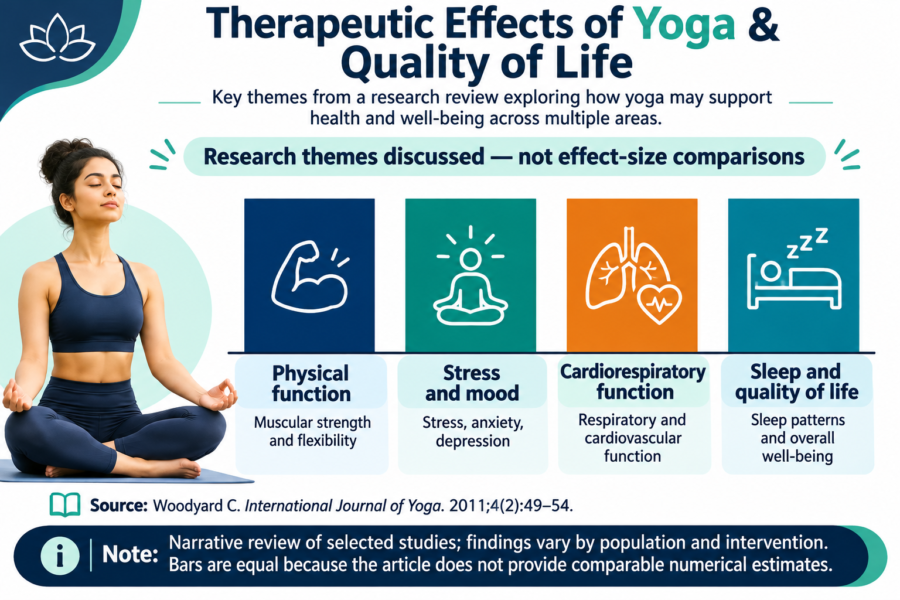
The regular and proper performance of yoga and meditation proves to play a big part in the process of lowering an individual’s stress level and anxiety.(1)
3. Improved Concentration.
If you do yoga or meditation after having a meal, it has a potential to improve your concentration, memory and mental sharpness.
4. Improved Sleep Quality.
Regular practice of meditation and yoga are some of the most effective means to alleviate stress and anxiety, which in consequence, can help improve the quality of sleep.
5. Improved Immune System.
Engaging in yoga or meditation not only is a good way to de-stress, but it is also a technique to enhance the immune system of the body as it can decrease the production of stress hormones and trigger the body’s natural healing process.
6. Increased Strength and Flexibility.
Practicing yoga or meditation after having a meal can strengthen and make the body more flexible and agile.
7. Improved Posture.
Adhering to the habit of yoga or meditation can be an effective method of posture correction, which can also help to increase muscle strength and length.
8. Improved Mental Clarity.
Yoga or meditation enables a person to be in a relaxed, calm, and concentrated state, which clears the mind and removes all the mental clutter, thereby leading to increased mental clarity.
Precautions While Practicing Yoga or Meditation After 3 Hours of Taking Food.
- Drink enough water before and after yoga or meditation to hydrate the body.
- Wear loose and comfortable clothes that you can move in effortlessly.
- Refrain from consuming heavy food for three hours before doing the practice.
- In case you are full or bloated, do not go for deep postures or breath work.
- Respect your body and rest as much as you need.
- Practice in a room where you feel comfortable and it is well-ventilated.
- Try to have a qualified teacher next to you if you have the option.
- If you are doing yoga or meditation by yourself, set a specific time and period to practice.
Some best yoga poses After 3 Hours of Taking Food.
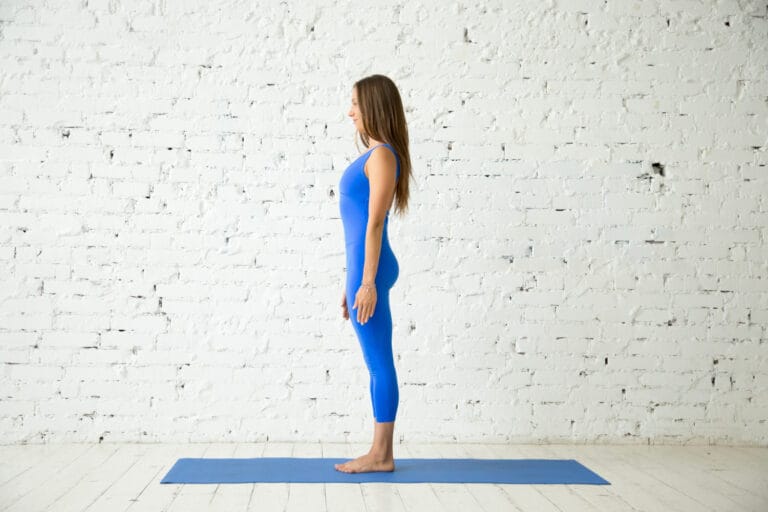
1. Pose Gunung (Tadasana).
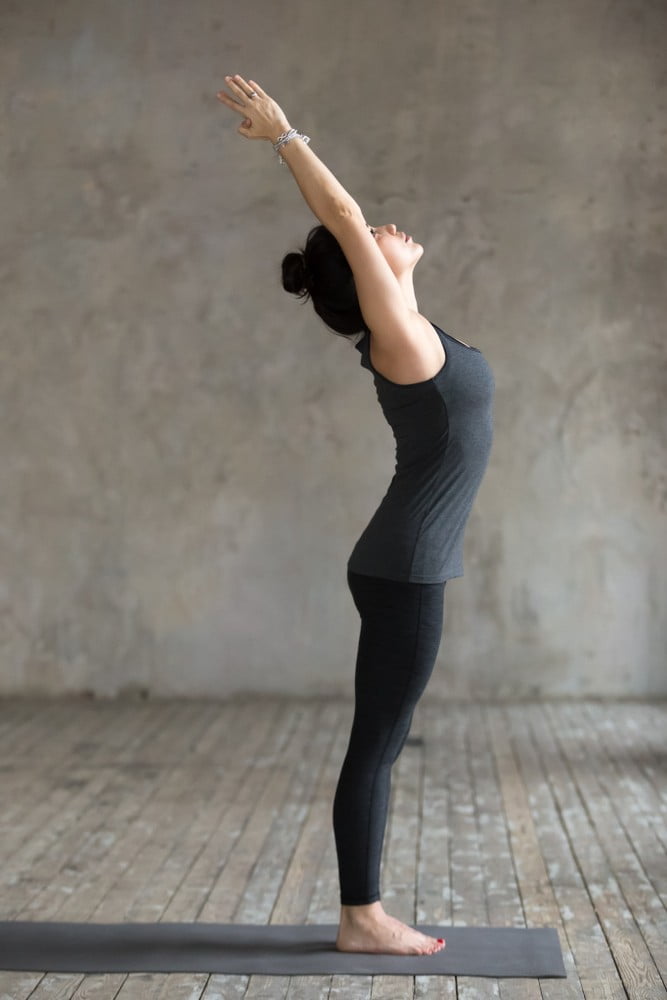
Get into standing position with your feet together, and your arms relaxed by your side. Place your hands together in prayer position near your chest. Inhale deeply lifting your hands as high as you can while still holding your breath. As you exhale, you can relax your arms to their original position.
2. Downward Facing Dog (Adho Mukha Svanasana).
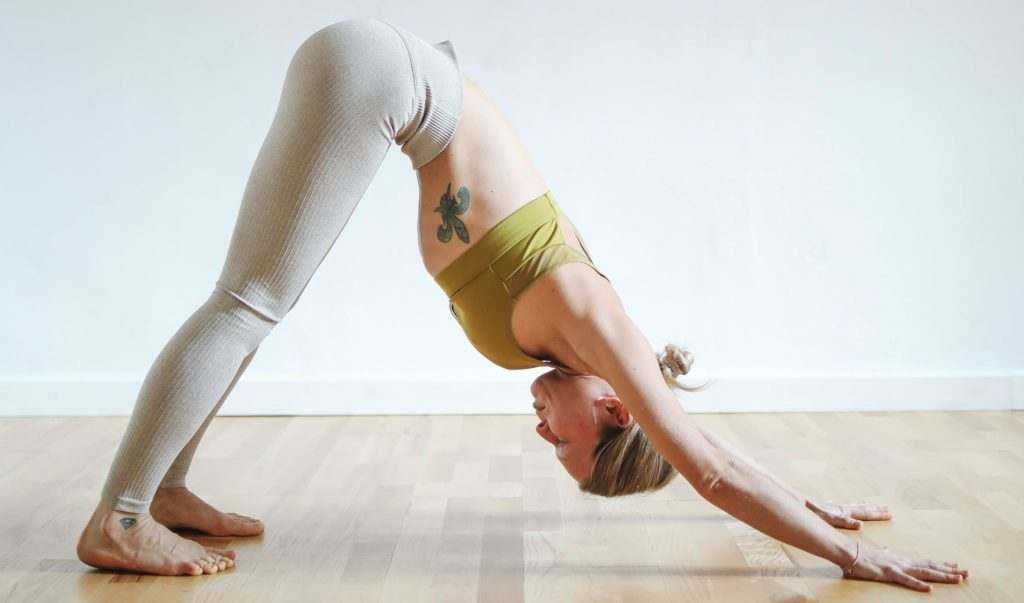
Begin the position by standing and perform a forward fold by bending your hips. Place your hands on the floor shoulder-width apart and then take a step back to move into a high plank. Push close to your spine and towards the roof, ensuring the legs are at a thirty-degree angle to your back. Ensure your arms are still extended and tight by keeping a straight back and pressing your chest against the tops of your thighs.
3. Pose anak (Balasana).
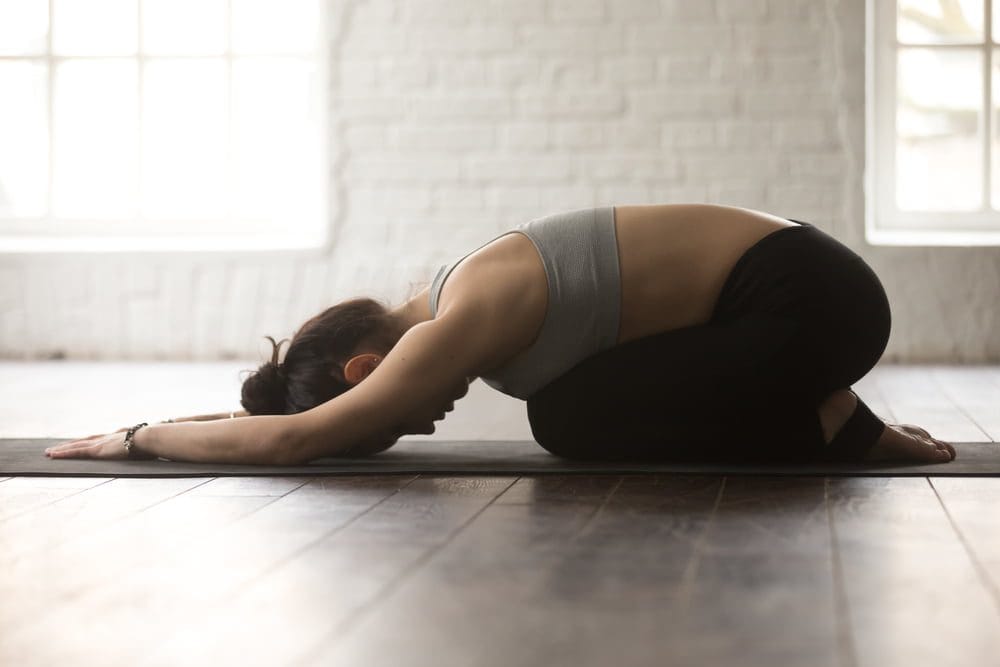
Get on the floor and place your feet and knees together. Now sit back on your heels and then lower your forehead and chest to the floor in front of you as you extend both of your arms forward with the palms facing down. Breathe out and concentrate on your breathing, let your body be filled with relaxation so that the pose can be done effectively.
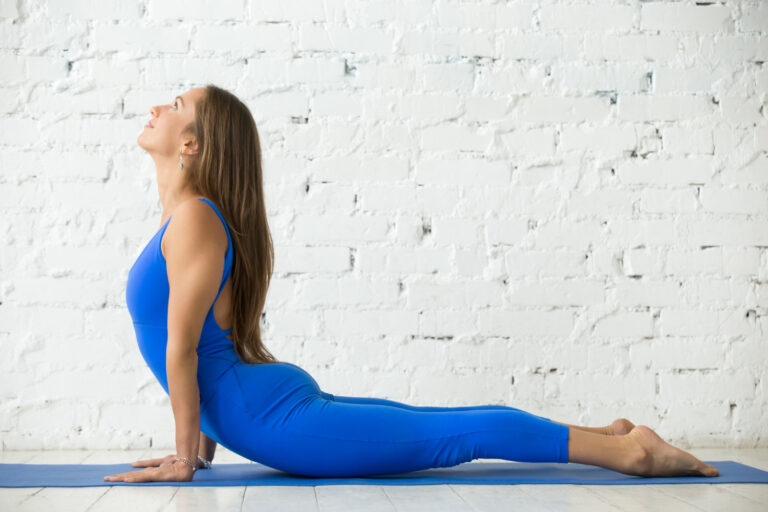
4. Pose kobra (Bhujangasana).
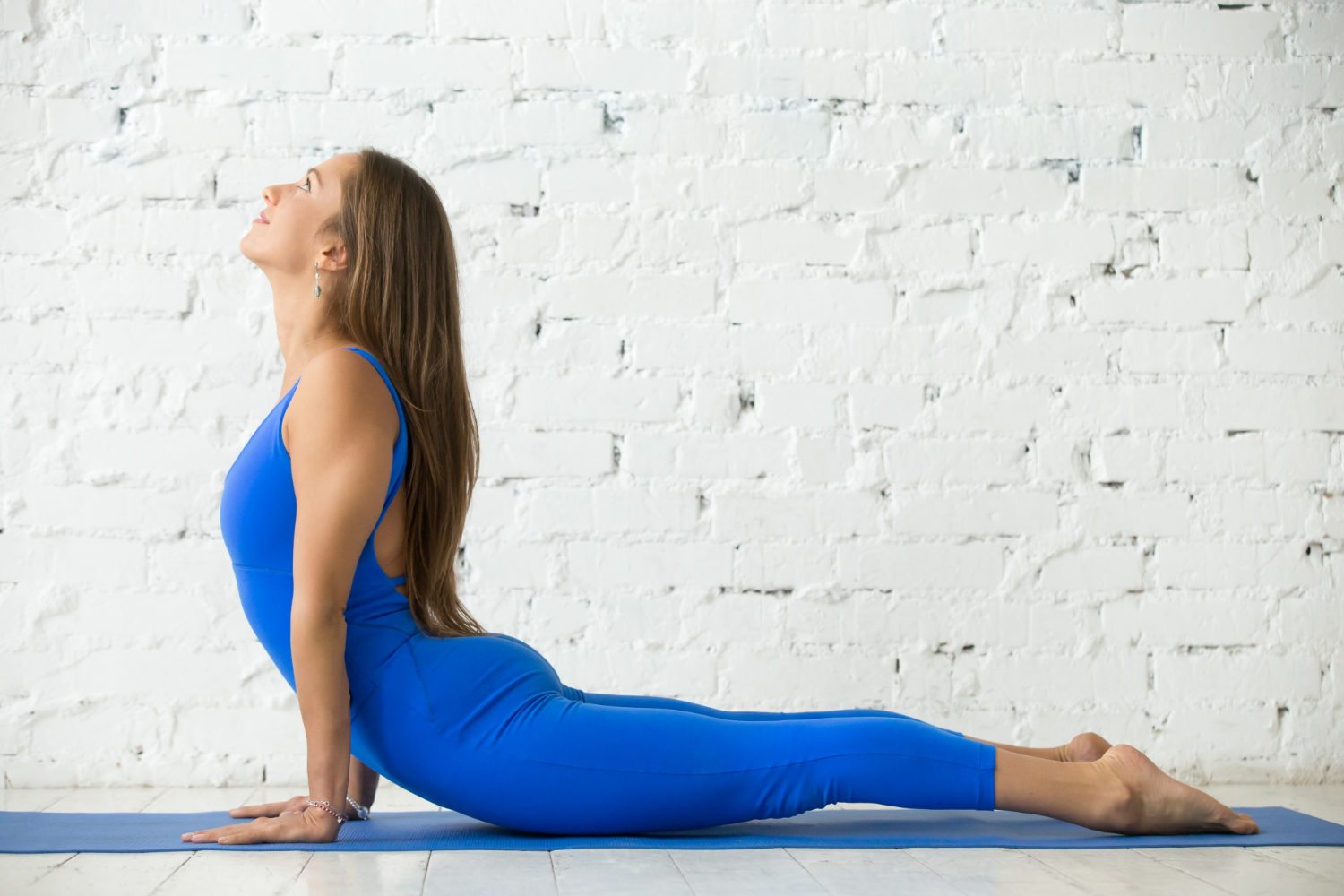
Begin the pose yoga by lying flat on your stomach with your legs spread behind your back. Rest your hands on the ground next to the chest and then by using your hands, push your chest upwards from the mat without lifting your belly off the floor. Keep your elbows a little strained and your shoulders pressed back down and away from the ears.
5. Duduk tikungan ke depan (Paschimottanasana).
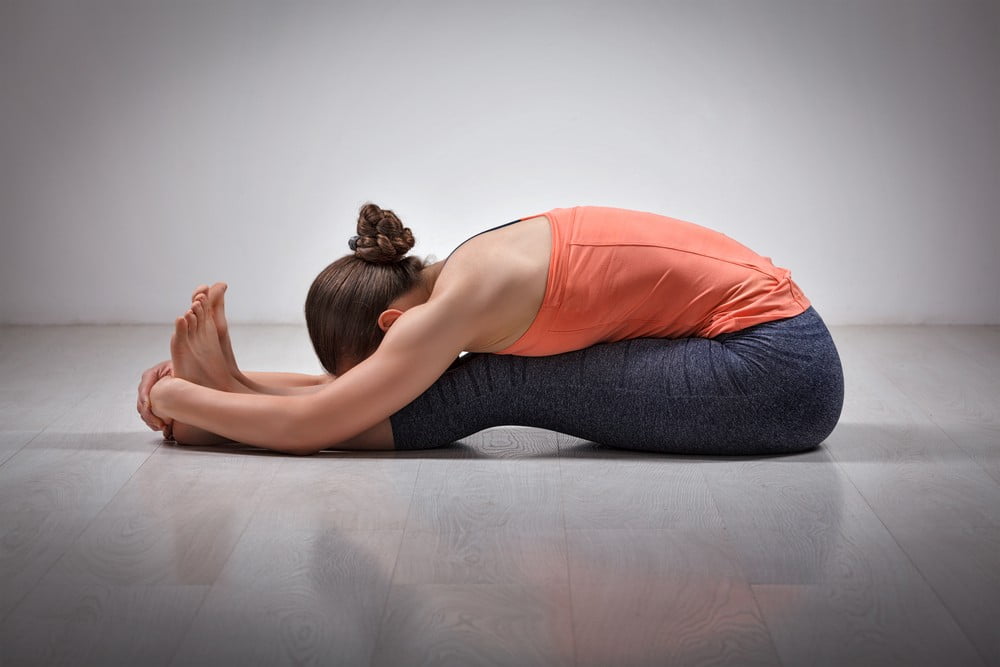
Sit down on the floor and extend your legs straight in front of you. As you breathe in, lift your hands up over your head. Exhale and hinge from your hips to fold forward and bring your chest to your thighs. Reach your toes for 5-10 breaths and keep the pose.
How Long Should You Wait After Eating Before Practising Yoga?
The ideal waiting time before practising yoga depends on the quantity and type of food consumed. While waiting approximately three hours after a heavy meal is a common recommendation for vigorous yoga, gentle movements and meditation may be comfortable sooner.
Here is a general guide:
| Type of Meal | Suggested Waiting Time |
|---|---|
| Heavy meal | 3–4 hours |
| Moderate meal | 2–3 hours |
| Light meal or snack | 30–60 minutes |
| Small fruit serving | 30–45 minutes |
These are general guidelines rather than strict medical rules. Individual digestion varies depending on metabolism, food composition, portion size, and digestive health.
If you experience bloating, nausea, acid reflux, or stomach discomfort, allow more time before practising.
Yoga After Eating: Which Practices Should You Avoid?
Although gentle yoga may be comfortable after a meal, certain movements can create abdominal pressure or discomfort.
1. Deep Forward Bends: Poses involving deep forward folding may compress the abdomen and aggravate feelings of fullness or reflux.
2. Intense Twisting Poses: Deep spinal twists can place pressure on the abdominal area. It is generally better to postpone intense twisting until you feel comfortable.
3. Inversions: Advanced inversions such as Headstand, Shoulder Stand, and Handstand require considerable physical effort and may be uncomfortable immediately after eating.
4. Intense Backbends: Deep backbends can place tekanan on the stomach and may worsen reflux symptoms in some individuals.
5. Vigorous Vinyasa Yoga: Fast-paced sequences and demanding transitions are better suited to a time when the stomach is relatively empty.
Choose gentle movements and avoid any posture that causes ketidaknyamanan.
Is Meditation Safe Immediately After Eating?
Unlike physically demanding yoga, meditation generally requires very little physical effort. Therefore, many people can meditate shortly after eating if they feel comfortable.
You can try seated meditation, mindful breathing, or a short guided relaxation session.
However, avoid forcing yourself to sit in an uncomfortable position when feeling excessively full. Choose a supported sitting posture or sit comfortably in a chair.
Some people may feel sleepy after a large meal. If this happens, a short, relaxed meditation may be more suitable than an intense concentration exercise.
Remember that meditation does not interfere with digestion simply because it is performed after eating. Comfort and posture are the main considerations.
Yoga After Meals: Gentle Practices You Can Try.
If you want to move gently after eating, consider these options:
- Vajrasana (Thunderbolt Pose): Sit comfortably on your heels if your knees and ankles tolerate the position. Avoid forcing the posture or remaining in it if you experience discomfort.
- Gentle Seated Breathing: Sit upright and breathe naturally without holding your breath.
- Easy Walking: A relaxed walk after eating can support post-meal blood glucose management and may feel more comfortable than demanding yoga.
- Gentle Neck and Shoulder Movements: Slowly move your neck and shoulders to release muscular tension without compressing your abdomen.
Avoid intense abdominal exercises, forceful breathing techniques, and demanding yoga sequences immediately after meals.
Important: People with persistent digestive symptoms, significant reflux, or other medical concerns should seek individual guidance from a qualified healthcare professional before changing their exercise routine.
pertanyaan yang sering diajukan.
1. Can I do yoga 3 hours after eating?
Yes. For most people, three hours after a heavy meal is generally sufficient before attempting moderate or vigorous yoga. However, digestion and comfort vary between individuals. Start gently and avoid postures that cause discomfort.
2. Can I meditate immediately after eating?
Yes. Gentle meditation can generally be practised immediately after a meal, provided you feel comfortable. Sit upright in a relaxed position and practise natural breathing without forcing or holding your breath.
3. Which yoga poses are best after eating?
Gentle practices such as Vajrasana (Thunderbolt Pose), comfortable seated breathing, and relaxed walking may be suitable after eating. Avoid intense inversions, deep twists, strenuous backbends, and vigorous yoga sequences until you feel comfortable.
garis bawah.
A wise and timely choice for both meditation and yoga post-meal practices may provide a good deal of benefits in many ways to the general public. This is based on the fact that it can contribute to the reduction of tension, promote a high level of concentration, and create a state of happiness and relaxation for the mental and physical self. Nonetheless, it is worth noting that the amount of food one has consumed and the energy that is left stored for the person concerned is actually a determinant when engaging in such activities.
There are a few rules with no easy answers, leading to the question of whether doing yoga or meditation an hour or two after a meal, even if you are still full, is a matter solely of personal choice. Hence the final decision regarding either eating or not doing yoga or meditation lies with the individual.
+1 sumber
FreaktoFit memiliki pedoman pengadaan yang ketat dan bergantung pada studi peer-review, lembaga penelitian pendidikan, dan organisasi medis. Kami menghindari penggunaan referensi tersier. Anda dapat mempelajari lebih lanjut tentang bagaimana kami memastikan konten kami akurat dan terkini dengan membaca Kebijakan Editorial.
- mengeksplorasi efek terapeutik yoga dan kemampuannya untuk meningkatkan kualitas hidup; https://pmc.ncbi.nlm.nih.gov/articles/PMC3193654/