







































 Workout

 Meditation


 Podcast
 E-book


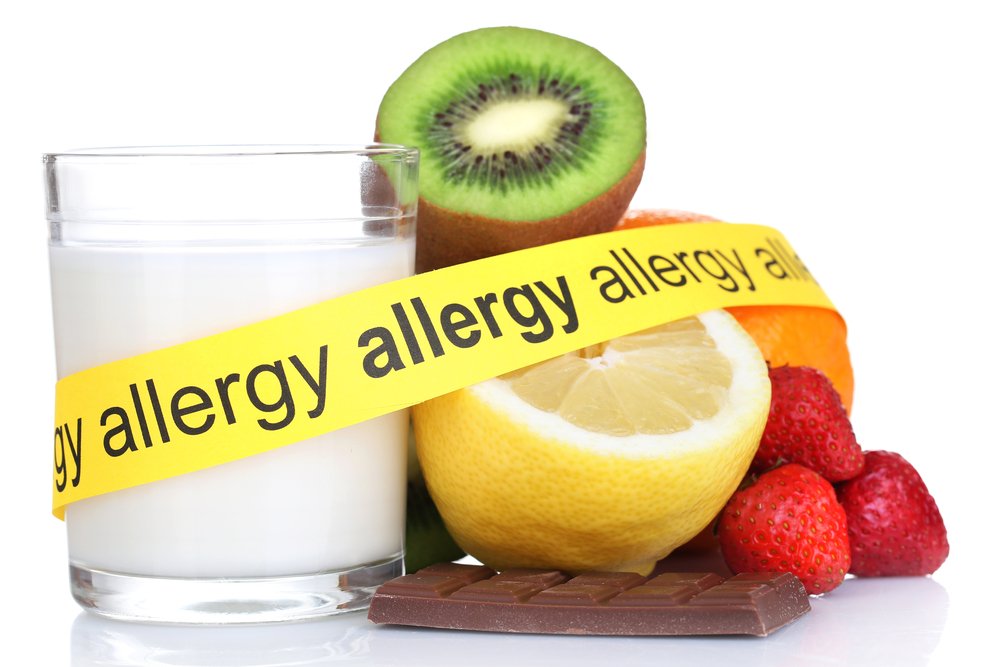
Allergen safety is extremely important in food manufacturing. This guide is going to provide you with some useful tips to ensure allergen safety, whether you’re a small or large food manufacturer.
By 2026, global food production is expected to reach $4.5 trillion (Report Linker). What this means is that the food industry is bigger than ever, which naturally places more pressure on food manufacturers. This pressure stems from having to comply with industry regulations and food safety standards. An inability to do this will ultimately lead to a food manufacturer getting into legal trouble and (potentially) even shut down.
Knowing all of this, now is the time to assess your food manufacturing and where you can make improvements. Specifically, it’s a good idea to start with your allergen safety, as it’s one of the biggest issues in food manufacturing today.
Through implementing allergen safety measures, you can:


- Must ensure that food is safe for customers
- Maintain a positive industry reputation
Here’s a detailed rundown of what you and your manufacturing team need to do.
Use Food Safety Management Software.
In the modern era of food manufacturing, many organizations are now using food safety management software from Safefood 360. This is a special type of software designed for food manufacturers that are focused on improving food safety practices. In a nutshell, the software enables you to create HACCP food safety plans, track your food manufacturing more closely, and also get helpful reports and alerts. As the manager of a food manufacturing company, it’s got everything you need.
Also, the food safety management software has been created around SQFI, BRCGS, ISO, and more global standards so that you can become one of the best food manufacturers around. You’ll no longer have to worry about your food becoming cross-contaminated or accidentally containing allergenic ingredients.
List Allergens on the Food Packaging.
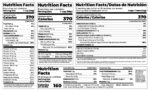
When your food reaches the end of the manufacturing process and is added to its packaging, it’s absolutely essential that the packaging lists all of the allergenic ingredients. By law, you’re legally required to list the following 14 allergens if they are present in the food:

Celery, Gluten, Crustaceans, Eggs, Fish, Lupin, Milk, Molluscs, Mustard, Nuts, Peanuts, Sesame seeds, Sulphur dioxide, Soya.
For example, if you manufacture cereal that contains gluten, then gluten must be clearly listed as an allergen on the product packaging. Otherwise, a customer with a gluten allergen might purchase your cereal (thinking it’s gluten-free) and have an allergic reaction.
It’s also become quite popular for food manufacturers to add scannable QR codes to their food packaging. Customers can then scan these codes using their smartphones to access further information on the allergens and other ingredients.
Avoid Allergen Cross-contamination.
You can avoid cross-contamination in the food manufacturing process by:
- Storing ingredients in closed containers
- Keeping allergenic ingredients separate
- Cleaning utensils used during manufacturing
Remember, bacteria can live on manufacturing surfaces for up to 72 hours, which is a long time. Therefore, manufacturing surfaces should be regularly cleaned to ensure maximum safety.
Provide Allergen Safety Training.
Lastly, make sure that you provide your manufacturing employees with allergen safety training. The good news is that there are now plenty of allergen safety courses for employees to access online, so they don’t have to travel anywhere. Once your employees have completed their allergen safety training, your food safety will be even more efficient moving forward.