










































 Workout

 Meditation


 Podcast
 E-book


The Fast Facts
- Since mayo is made without milk or milk products, so it is not a dairy product and can be safely enjoyed on dairy free diet.
- It is a thick cream or dressing that can also be used in salad dressing or as a dipping sauce.
- If you are dealing with a food intolerance, a small amount of cross contamination and gluten reaction is variable from one person to another.

This question is asked a lot everywhere. It seems mayo can have dairy, as it has a creamy texture and a rich taste.
In this post, let’s find out how Mayo is made of, find out does mayo have dairy? How to find dairy free mayonnaise if you’re follow dairy free diet.
What is Mayo?
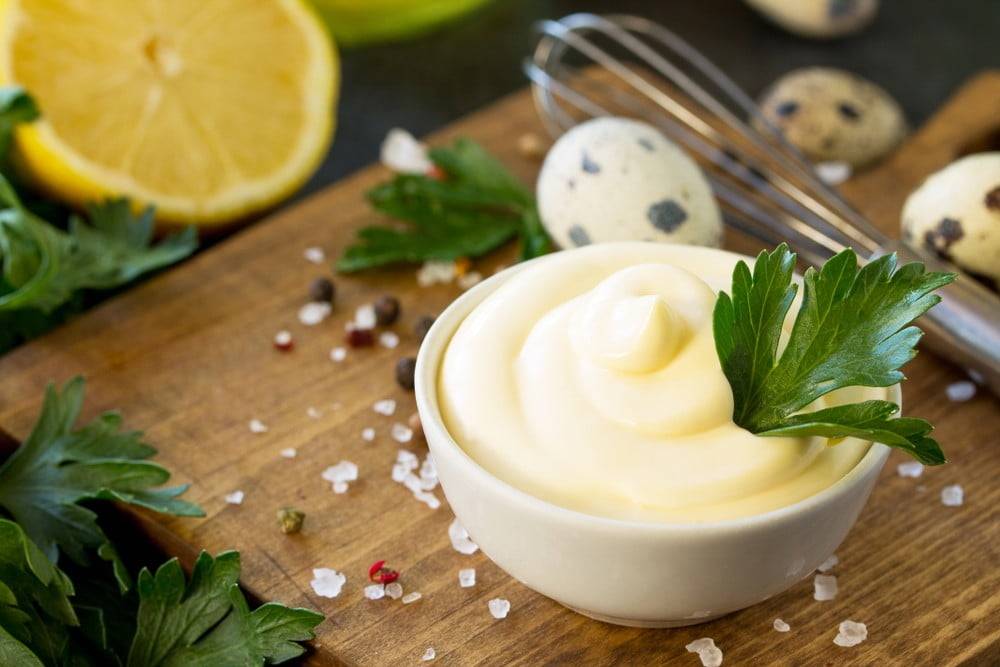
Mayo, short term used for mayonnaise, is a cream commonly used as sandwich spread. It is a thick cream or dressing that can also be used in salad dressing or as a dipping sauce.
Related Stories
 Which Herbal Tea Is Better For Your Overall Health
 Amazing Military Diet Plan For Rapid Weight Loss
What Mayo is Made of?
Mayonnaise is made up of oil, egg yolk, lemon juice or vinegar, and a emulsion of seasoning. It is usually made of different ingredients with the help of food processors or manual blenders.
Does Mayo Have Dairy?
Most mayonnaise are made of using oil, egg yolk, lemon juice or vinegar and seasoning. A product is considered dairy if it is made using milk. Since eggs are not dairy products, so most mayonnaise are considered dairy free.
Since mayo is made without milk or milk products, so it is not a dairy product and can be safely enjoyed on dairy free diet.
| Read Now: 10 Best Morning Yoga For Weight Loss |
Why Mayo Is Dairy Free?
As most of the mayo are made up with oils, egg yolks, lemon juice or vinegar, that is why most mayo’s are dairy free. This is true for products that are on shelves, as well as homemade.
If you are looking for eggless mayo at the grocery store, these products are more likely to contain dairy or milk, so pay attention to them. If you follow a dairy free diet, then you should avoid them.
However, like most packaged products, if you follow a dairy free diet, it is important to do your own research before buying anything from the shelf.
How To Make Sure Your Mayo is Dairy Free?
The only way to ensure that the mayonnaise you buy and use is dairy free, reading component lists, looking for hidden sources of dairy and avoiding any dairy products.
As with any packaged product that you buy at the store when you have food intolerance or food allergies, research is important.
List of Mayo Brand That are Dairy Free.
Here is the list of mayonnaise brands which are considered dairy free. Try one of these if you’re on a dairy free diet!
- Just Mayo.
- Miracle order.
- Hellman’s Original Mayonnaise.
- Best Foods Real Mayonnaise.
- Best Foods Vegetarian Mayo.
| Read Now: Is Dark Chocolate Keto Friendly? |
Does Mayo Have Dairy or Gluten?
Most shelf stable mayonnaise brands do not include any ingredients involving gluten, which means it is gluten free. However, some cross contamination may occur if mayo is processed in the same facility as other gluten rich products.
If you are dealing with a food intolerance, a small amount of cross contamination and gluten reaction is variable from one person to another.
Therefore, if you can tolerate certain levels of gluten from cross contamination, you will certainly be able to bear shelf-stable mayonnaise. If not, you would like to do some more research to find out which mayonnaise brands are strictly manufactured on the gluten free line.
What Are The Advantages and Disadvantages of Mayonnaise?
Did you know that mayonnaise is mostly made of fat? Homemade mayo contains about 85% fat while commercially sold mayo contains about 70% to 80% fat. However, it not to be worried as the fat found in mayo is considered to be good fat as edible oils come from plant sources.
Consuming mayonnaise will give vitamin E and is rich in antioxidants. It can help to prevent stroke and other heart related diseases. Also, due to high fat content, mayo helps in proper absorption of nutrients.
While consuming mayo has a lot of benefits, it also has many disadvantages. As mentioned above, it is notorious because of its high fat content. Soybean oil used in this is extracted from genetically modified soybeans. The fat content of mayo mixed with the above soybean oil can be a risk, especially if consumed in large quantities.
Mayonnaise is also known for high calorie content. A teaspoon of serving which contains about 100 calories. Professionally sold mayo is also high in sodium content. To better understand, if you add mayo to your typical turkey sandwich, it can easily double the calories, fat and sodium.
Frequently Asked Questions.
Yes, if the mayonnaise you purchased does not contain any hidden source of dairy or milk products, there should be no lactose. Therefore, mayo is safe for lactose intolerant people.
Yes, dairy intolerant people can also eat mayo unless they have looked at the ingredient lists and confirmed that the product does not contain any hidden sources of dairy.
Bottom Line.
So, does mayo have dairy? As per the above discussions, mayo is not dairy as it does not contain milk. Mayo is not considered a dairy product and people who are lactose intolerant can consume it. It does not contain milk, based on ingredients calculated for regular, light and organic mayonnaise.
Consuming mayonnaise can be beneficial for your health if taken in small quantities. It is rich in vitamins and minerals and its high fat content ensures absorption of all nutrients. It also has disadvantages like high fat, calories and sodium content.
You can use mayonnaise as a spice in your sandwich, sauce or dip. It can also be used as a replacement for butter, eggs and tofu.
+2 Sources
Freaktofit has strict sourcing guidelines and relies on peer-reviewed studies, educational research institutes, and medical organizations. We avoid using tertiary references. You can learn more about how we ensure our content is accurate and up-to-date by reading our editorial policy.
- What is a food intolerance?; https://www.medicalnewstoday.com/articles/263965
- The 8 Most Common Food Allergies; https://www.healthline.com/nutrition/common-food-allergies