


































Tendencias
Equilibrar las hormonas con yoga: cómo recuperar la armonía interior Cómo estas 4 posturas de meditación Yin me ayudaron a encontrar la calma, el equilibrio y una quietud más profunda Diferentes tipos de ejercicios de Kegel para hombres y mujeres en casa Increíbles beneficios del arroz integral para la salud 10 tipos de técnicas de meditación adecuadas para principiantes ¿El queso crema contiene gluten? ¡La respuesta podría sorprenderte! Enfermedad de Parkinson: Causas, etapas y tratamiento ¿Qué ejercicio es mejor para el síndrome del intestino irritable? ¿Cuáles son las 20 frutas más saludables del mundo? 6 posturas de yoga increíbles para la diabetes Dedos de pollo y alitas de búfalo de Zaxby: Datos sorprendentes ¿Es buena la carne de cangrejo para bajar de peso? 12 beneficios importantes de un nivel óptimo de testosterona 10 razones por las que necesitas añadir un exfoliante de café a tu rutina de cuidado de la piel Central Rock Gym: un lugar perfecto para ponerse en forma y divertirse 10 variaciones esenciales de flexiones con escalones Pilates para el síndrome de ovario poliquístico: una guía completa para controlar los síntomas de forma natural Vicks en el ombligo: beneficios, efectos secundarios y cómo aplicarlo ¿Por qué los hongos son tan buenos para la dieta de los hombres? Los 34 mejores sitios web de salud y fitness para ayudarte a ponerte en forma Fimosis: síntomas, tratamiento y medidas preventivas Ganesha Mudra: Beneficios, Efectos Secundarios, Cómo Realizarlo y Precauciones Paraíso del Fitness: Descubre los Mejores Destinos de Playa para unas Vacaciones de Entrenamiento ¿La stevia es mala para los dientes? Nueve maneras en que las enfermeras pueden ayudar a aliviar la ansiedad del paciente 8 increíbles beneficios de la cuajada para la salud Proffee: Beneficios, Receta y Cómo Prepararlo Vitarka Mudra: Beneficios, Efectos Secundarios, Cómo Realizarlo y Precauciones Las 6 mejores posturas de yoga para aliviar el dolor: mi experiencia, opiniones de expertos y resultados Insomnio: Causas, diagnóstico y remedios caseros ¿Es Peloton bueno para el dolor lumbar?  ¿Es tu primera vez consumiendo kratom blanco? Sigue estas pautas 14 increíbles beneficios para la salud de caminar regularmente 8 consejos para aprovechar al máximo tu nutrición pre y post entrenamiento Ejercicios para la uveítis: técnicas efectivas para controlar la inflamación y mejorar la visión 5 posturas de yoga efectivas con un plan de dieta hiperbólica Los 10 mejores alimentos para aumentar la resistencia y la energía instantánea 6 asanas de yoga efectivas para enfermedades o problemas de la piel Prevención de lesiones deportivas con yoga Ejercicio de prensa de piernas: pasos, ventajas y errores
Ejercicio
Nutritivo
Meditación
Bienestar
Cita
Junta de Revisión
Música ambiental
Rastreador de salud
Servicio social
Cuidado de la salud
Podcast Libro electrónico
Historias de éxito
7.2k
Lecturas
958

¿Llorar es un signo de debilidad?

Escucha este artículo

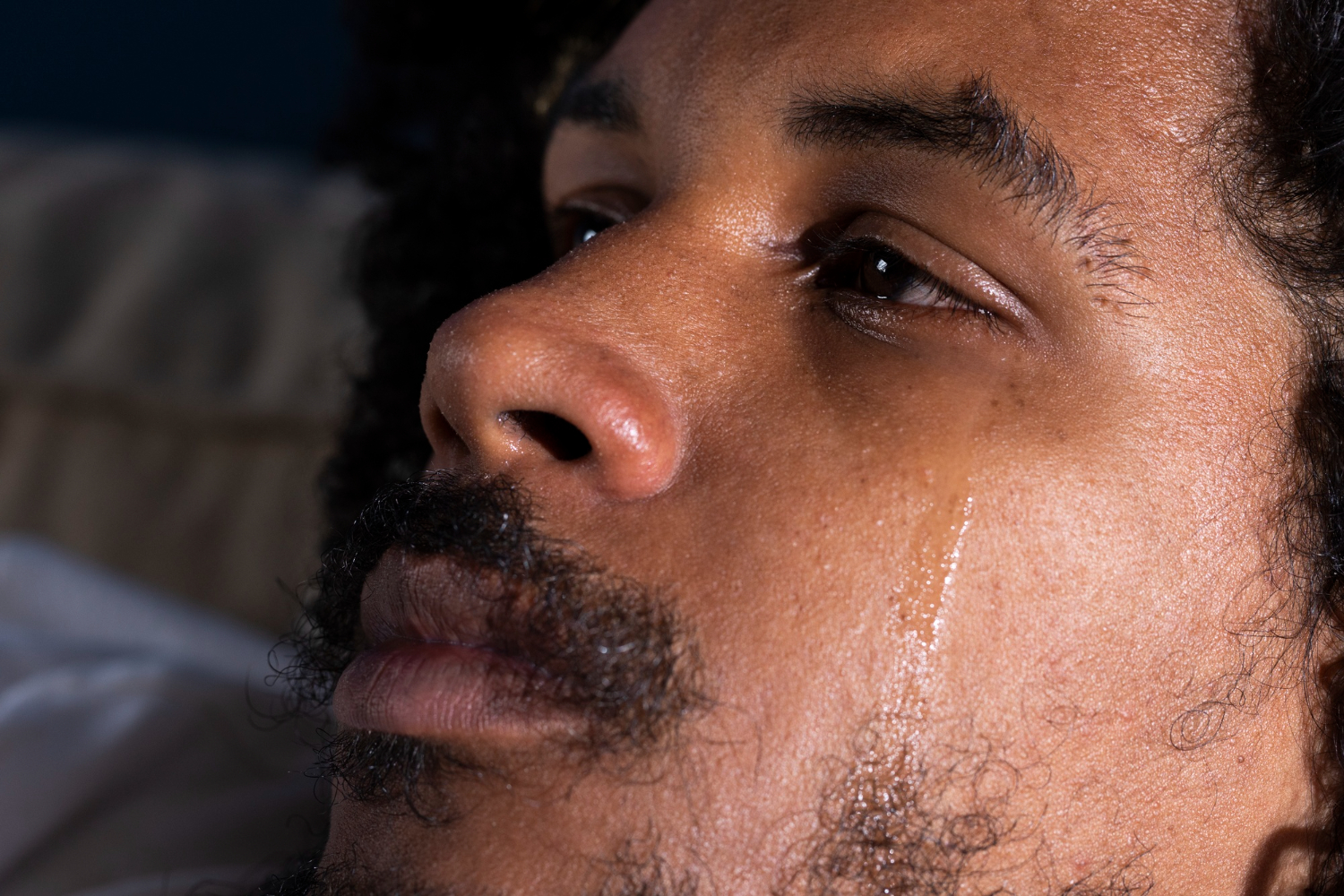
Crying, a natural human response, is often equated with a sign of weakness in human society. Nevertheless, is this point of view really valid? This article digs deeply into the intricate sentiments of tears, realizes the wrong ideas, studies the science behind it, and acknowledges the strength of being open to your own feelings.

Understanding Tears: The Emotional Release.

Tears aren’t mere water particles; they represent a very powerful energy of our purest sentiments. Dr. Sarah Johnson, a very well-respected psychiatrist, elaborates further, “Crying is a natural thing to do when we feel overly emotional. It is our body’s mechanism to express deep unseen emotions and it is to reduce the stress that has piled over time.”

The Cultural Stigma Surrounding Tears.

In general, it has been observed that the majority of people cry as being weak, especially those men who do it. But nowadays, this belief has given way to showing one’s feelings openly. Dr. David Smith, an anthropologist, says, “The way we behave among ourselves in our culture is heavily responsible for our understanding about crying. That is to say, it is a powerful means to notify some other groups we truly are sincere and understand them well. This View is consistent with the research of different countries. Thus, the practice has entered the real world, including some Western ethic teachings.”

The Gender Divide: Breaking Stereotypes.

Throughout history, men have endured the suppression of their emotions that led them to believe that they should not cry. Nevertheless, this is a worthless custom with women.” I used to perceive crying as a weak point but I have come to realize how much strength it takes to give your heart away,” John, a worker of a construction site, explained his transformation.

The Physiology of Crying: A Natural Response.

Scientifically, crying plays the crucial role of emotion regulation. Dr. According to neuroscientist Emily White, crying causes endorphins to be released in our bodies and they are natural painkillers. It is a healing process that makes us deal with our grief and emotional recovery.”

Crying in the Workplace: Professionalism vs. Authenticity.

Crying is perceived to be very much unprofessional in the workplace. However, according to Dr. James Anderson, a specialist in the field of HR, “Although there are certain concerns to be brought up with too much crying, a few tears can make the leaders more humanized and open to increasing empathetic feelings among the team members.”

Coping Mechanisms: Healthy Ways to Express Emotions.

Instead of fighting tears, professionals promote the wholesome means to address the feelings. The effective way of managing stress and working on emotions is to meditate, to keep the diary, and to speak with the therapist.

Debunking Myths: Addressing Common Misconceptions.

It is not acceptable to believe that crying can be taken as a sign of weakness. Rather it portrays feelings and strength of character. Dr. According to clinical psychologist Rachel Martinez, it is important to fight the stigma about crying and accept your vulnerability as a power.

En resumen.

Crying does not mean one is a loser but an indication that we are human. Challenging the rules, breaking the societal norms because of the alienation or the feeling of being unheard and unseen encourage being emotionally genuine, which will help us be empathetic, resilient, and connected to our lives. Hence, cry away–be it a sign of strength and not weakness.

Última revisión el

Cómo revisamos este artículo:

🕖 HISTORIA

Nuestro equipo de expertos está siempre monitoreando el campo de la salud y el bienestar, asegurando que nuestros artículos se actualicen rápidamente a medida que surge nueva información. Vea nuestro proceso editorial

Versión actual
14 de diciembre de 2025

Escrito por: Jennifer Wirth

Revisado por: Toby Amidor

Oct 26, 2024

Escrito por: Jennifer Wirth

Revisado por: Toby Amidor

La información compartida en este artículo es solo para fines educativos y no debe sustituir la consulta médica profesional. Siempre consulte con un profesional de la salud calificado sobre cualquier problema de salud o tratamiento. Saber más

Deja un comentario

¡SUSCRÍBETE PARA RECIBIR LAS ÚLTIMAS ACTUALIZACIONES SOBRE FITNESS Y NUTRICIÓN!

¡No enviamos spam! Lea más en nuestro política de privacidad

Basado en evidencia

Este contenido se basa en investigaciones científicas y está escrito por expertos.

Nuestro equipo de profesionales de la salud, nutricionistas y expertos en fitness certificados se esfuerza por ser imparcial, objetivo, honesto y presentar ambos lados del argumento.

Este artículo contiene referencias científicas. Los números entre paréntesis (1, 2, 3) son enlaces a investigaciones científicas revisadas por pares.

Índice