






























 Workout

 Meditation


 Podcast
 E-book


We must still wear a mask to prevent infection and reduce the spread of the Covid-19 virus, especially when we are going to share spaces with third parties. But wearing a mask can have counterproductive effects on our health, such as anxiety and depression of the immune system. And the longer we wear it, the more serious its harmful effects can be.
The good news is that you can reduce them by doing Yoga and learning to breathe.
Yoga to Recover From the Harmful Effects of Masks.
When we wear a mask we tend to take shorter inhalations and exhalations, to breathe quickly and shallowly, with the upper part of our lungs. This breathing is associated with states of anxiety and stress. And breathing fast and short for long periods of time makes us more nervous and more anxious. If you get impatient, or get in a bad mood these days, this may be the explanation.(1)

Sit on the terrace, or in a ventilated room on your heels, insteps against the ground. Adopt a comfortable position but with your back straight. Place your right hand on your abdomen, just below where your ribs end. When you inhale, push your hand forward with your abdomen to bring air to the lower part of your lungs.(2)
Related Stories
 The Power Of Breathwork: Transform Your Mind And Body
 Vajroli Mudra: Benefits, Side Effects, How To Do and Precautions
As you exhale, contract your abdomen, causing your right hand to move inward. Hold this abdominal breathing as you inhale deeper each time. Place your left hand on top of your chest and try to have your left hand also move up and forward on the inhale and down and back on the exhale. Little by little you lengthen your exhalations.
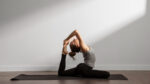
Then slowly raise your hips, place your hands on the floor and get on all fours. Then raise right hand and brings it to the left, extending his arm close to the ground, placing right shoulder on the ground. In this position, take deep breaths again. In this position we close the right lung and open the left, and when we inhale all the air enters the left lung, moving and cleaning it. Stay in this posture for at least 10 deep inhalations and exhalations and then repeat on the other side.
Sit up gently and breathe normally.
Learning to breathe is essential to achieve the countless benefits that the practice of Yoga brings, not only on a physical level, but also on a mental and emotional level.(3)

How Yoga Helped Me Recover From the Discomfort and Strain of Wearing Masks Daily- Personal Experience.
I am Shruti Menon, 29 — Boutique Owner, Kochi, India, during the pandemic, I spent long hours in my shop wearing a mask, speaking to customers, organizing inventory, and rushing through the day.
After months of this routine, I started feeling constant pressure around my jaw, tightness in my neck and shoulders, and shallow breathing that left me unusually fatigued.
I didn’t realize how much strain the mask was putting on my posture and breath until it began affecting my sleep and daily energy.
A friend suggested I try simple yoga stretches and breathing exercises at the end of each day. I started with neck rolls, chest openers, and gentle pranayama like alternate-nostril breathing. Within a week, the tension in my shoulders reduced.
By the end of the month, I felt lighter, calmer, and more energized. Yoga didn’t just relieve the discomfort caused by hours of mask-wearing — it helped me reconnect with my breath and restore ease in my body.
“Yoga helped me release the hidden tension of daily mask-wearing and reconnect with my breath and energy.”

Expert Opinion.
Dr. Karan Bhatt, Physiotherapist & Breathwork Specialist, New Delhi stated that prolonged mask-wearing often leads to shallow breathing, forward-head posture, and increased tension in the neck, jaw, and upper back.
Yoga is one of the most effective ways to counter these effects because it restores natural diaphragmatic breathing and opens the chest muscles that tighten during the day.
Simple practices like thoracic extensions, gentle neck mobility drills, and pranayama help re-expand lung capacity, improve oxygen flow, and reduce muscular fatigue.
For individuals experiencing discomfort from daily mask use, incorporating 10–15 minutes of yoga can significantly improve posture, release strain, and restore healthy breathing patterns.
Frequently Asked Questions.
1 Can yoga really reduce the tension caused by wearing masks for long hours?
Yes. Yoga stretches the neck, shoulders, and upper back while improving breathing patterns, helping release the tension and stiffness caused by prolonged mask use.
2 Which yoga poses are best for reversing mask-related discomfort?
Chest openers (like Cobra or Supported Fish), neck stretches, shoulder rolls, and breathing exercises such as deep diaphragmatic breathing or alternate-nostril breathing are especially effective.
3 Does mask-wearing affect breathing patterns?
Yes. Many people unconsciously shift to shallow chest breathing while wearing masks. Yoga helps retrain the diaphragm, improving breath depth and oxygen flow.
4 How often should I practice yoga to counter mask-related strain?
Even 5–10 minutes daily can make a noticeable difference, especially if you focus on posture correction and breathwork.
5 Is yoga safe for people experiencing discomfort from tight masks or long usage?
Absolutely — as long as you practice gentle movements, avoid forcing stretches, and stop if you feel pain. For chronic discomfort, consulting a physiotherapist is recommended.
Bottom Line.
Incorporating yoga into our daily routine can help us recover from the harmful effects of wearing masks. By focusing on deep breathing, releasing tension in our muscles, and promoting relaxation, yoga can aid in reducing stress and improving overall well-being.(4) It is a simple and effective way to counteract the negative impacts of prolonged mask-wearing and promote physical, mental, and emotional healing. With regular practice, we can better cope with the challenges of wearing masks and maintain our health and wellness during these unprecedented times.
+4 Sources
FreakToFit has strict sourcing guidelines and relies on peer-reviewed studies, educational research institutes, and medical organizations. We avoid using tertiary references. You can learn more about how we ensure our content is accurate and up-to-date by reading our editorial policy.
- Positive Effects of Yoga on Physical and Respiratory Functions in Healthy Inactive Middle-Aged People; https://pmc.ncbi.nlm.nih.gov/articles/PMC6329219/
- Pulmonary functions in yogic and sedentary population; https://pmc.ncbi.nlm.nih.gov/articles/PMC4097903/
- Yoga respiratory training improves respiratory function and cardiac sympathovagal balance in elderly subjects: a randomised controlled trial; https://pmc.ncbi.nlm.nih.gov/articles/PMC3191432/
- The Impact of Yoga Practice on Pulmonary Function: A Comprehensive Review; https://www.ijam.co.in/index.php/ijam/article/view/5595