






































 Workout

 Meditation


 Podcast
 E-book


The Fast Facts
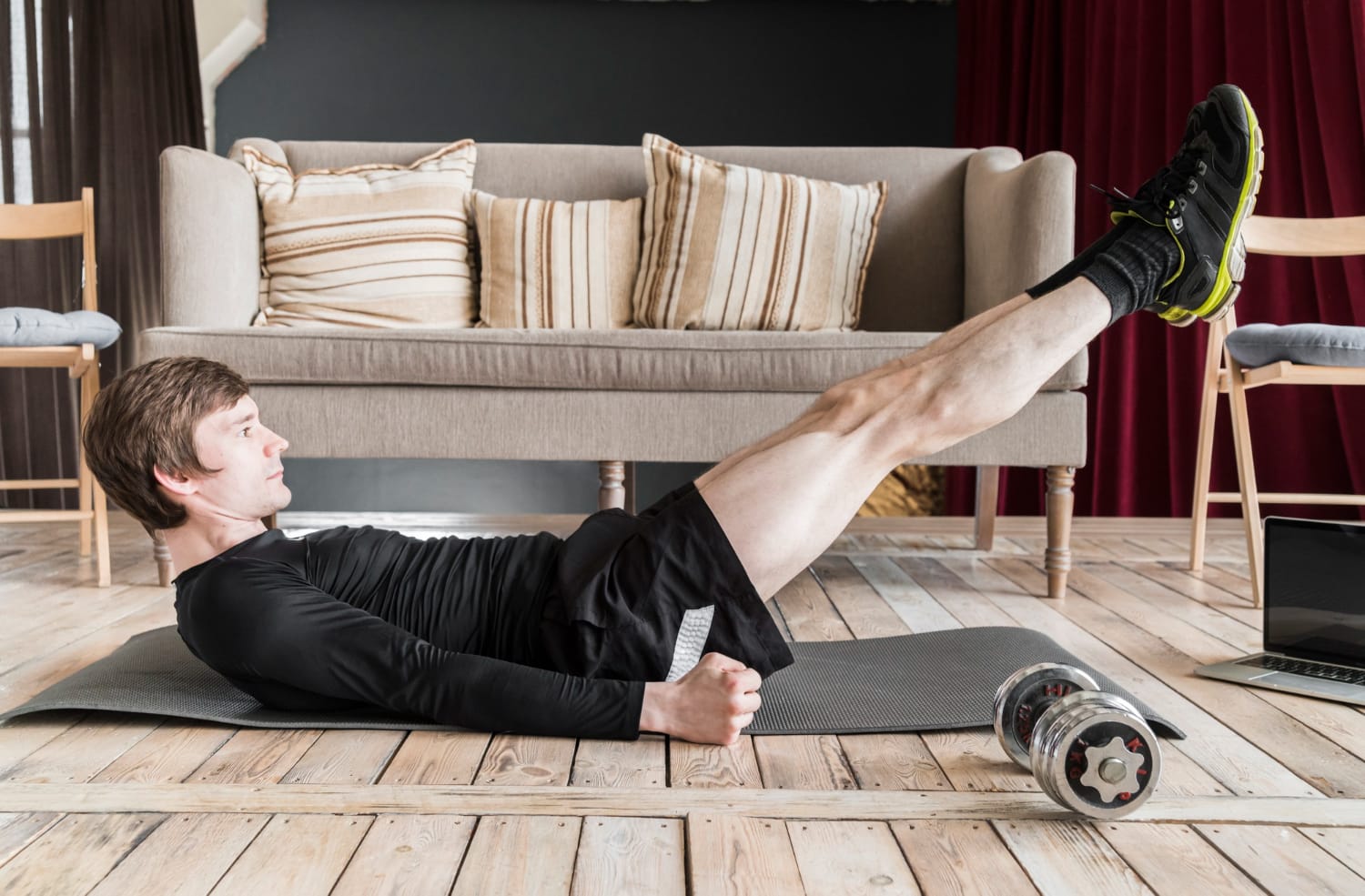
- In addition to building up your power, the training of the legs helps in the activation of the metabolism, to some extent, and the development of balance as well.
- As per the publication of the Journal of Strength and Conditioning Research, the correct volume (the number of sets and repetitions) for every muscle group is the key to success.
- The progressive overload principle—process of gradually increasing the weight, frequency, or the number of repetitions in your workout—is an utmost drive in the strength-building process.

When it comes to working out, leg day is often seen as both essential and challenging. A strong set of legs forms the foundation of overall body strength, stability, and endurance. However, one common question remains: How many exercises should you do on leg day? This article will break down the science, provide expert advice, and answer some of the most frequently asked questions to help you maximize your leg day workouts.
Why Leg Day Is Important?
Executing leg day is usually a tough day, and that’s no secret. The most massive muscle groups in your body, including the quadriceps, hamstrings, glutes, and calves, are situated in the legs. These muscles are in charge of nearly all your movements, ranging from walking and running to jumping and squatting. In addition to building up your power, the training of the legs helps in the activation of the metabolism, to some extent, and the development of balance as well. It also takes a large share in the overall performance to make the body athletic.
The Science Behind Leg Training.
Before discussing the number of exercises that are suitable for being included in your leg day routine, it’s necessary to talk about the science of muscle growth and recovery. The progressive overload principle—process of gradually increasing the weight, frequency, or the number of repetitions in your workout—is an utmost drive in the strength-building process.
Related Stories
 Tummy Trimmer and Its Benefits
 Yoga for Back Pain: How Yoga, Qi Gong, and Tai Chi Helped Me Find Lasting Relief
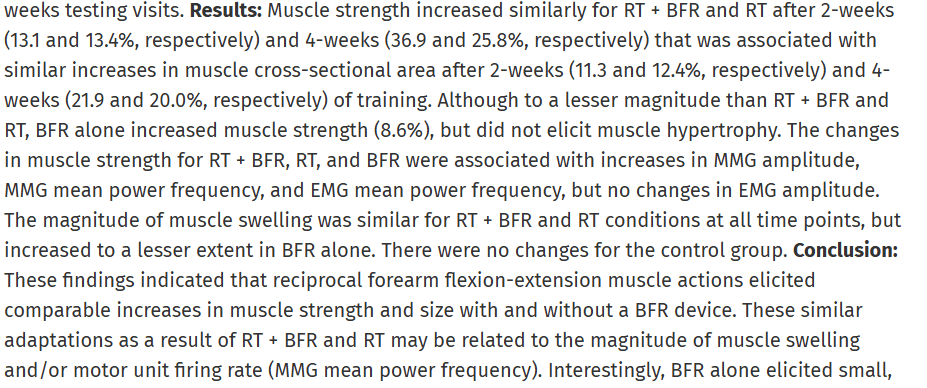
As per the publication of the Journal of Strength and Conditioning Research, the correct volume (the number of sets and repetitions) for every muscle group is the key to success. For most individuals, the 10-20 sets range for each muscle group per week is the perfect area for muscle growth and recovery. Nothing bars one from this volume on leg day, as the volume can be further spread between various exercises.(1)
How Many Exercises Should You Do on Leg Day?
Having done with the previous discussion, let’s tackle the primary question: just how much is ample for leg day exercises? Although no single answer fits all situations, most trainers advise 4-6 exercises per leg workout as a general rule. The personal goals, current experience regarding fitness, and time will also determine the number you exercise.
1 For Beginners (4-5 Exercises).
If you are not very experienced in this field, you should not go overboard with leg training. According to Sarah Lewis, “Focus on mastering the basics first,” advises Sarah Lewis, a certified personal trainer. “Begin your training with 4 to 5 exercises that major on the major muscle groups of the legs.”
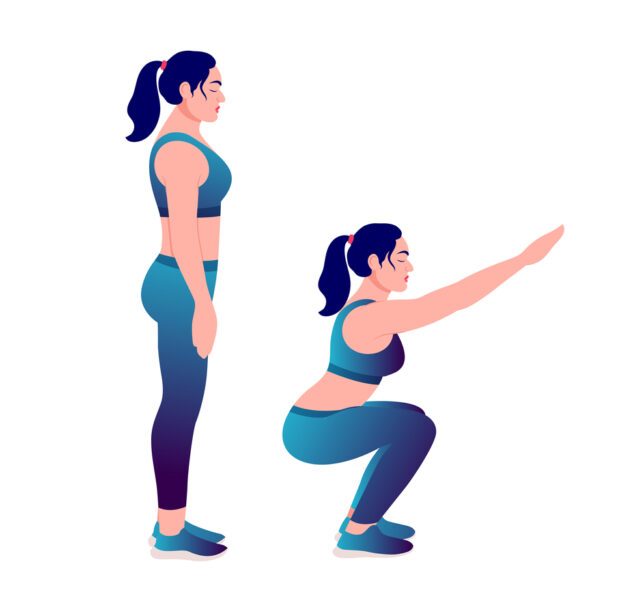
Here’s an example of a beginner-friendly leg workout:
– Squats (3 sets of 10-12 reps)
– Lunges (3 sets of 10-12 reps per leg)
– Leg Press (3 sets of 8-10 reps)
– Calf Raises (3 sets of 12-15 reps)
Sarah recommends: “Quality is also over quantity. Once you have mastered the form, you can start adding more exercises or increase the weights.”
2 For Intermediate Lifters (5-6 Exercises).
If you’ve been consistent with your workout for months, then you can manage more variety and volume. At this stage, the leg workout you do should be composed of both compound movements (exercises that work multiple muscle groups) and isolation exercises (which target specific muscles).
A great example of an intermediate-level leg day routine goes like:
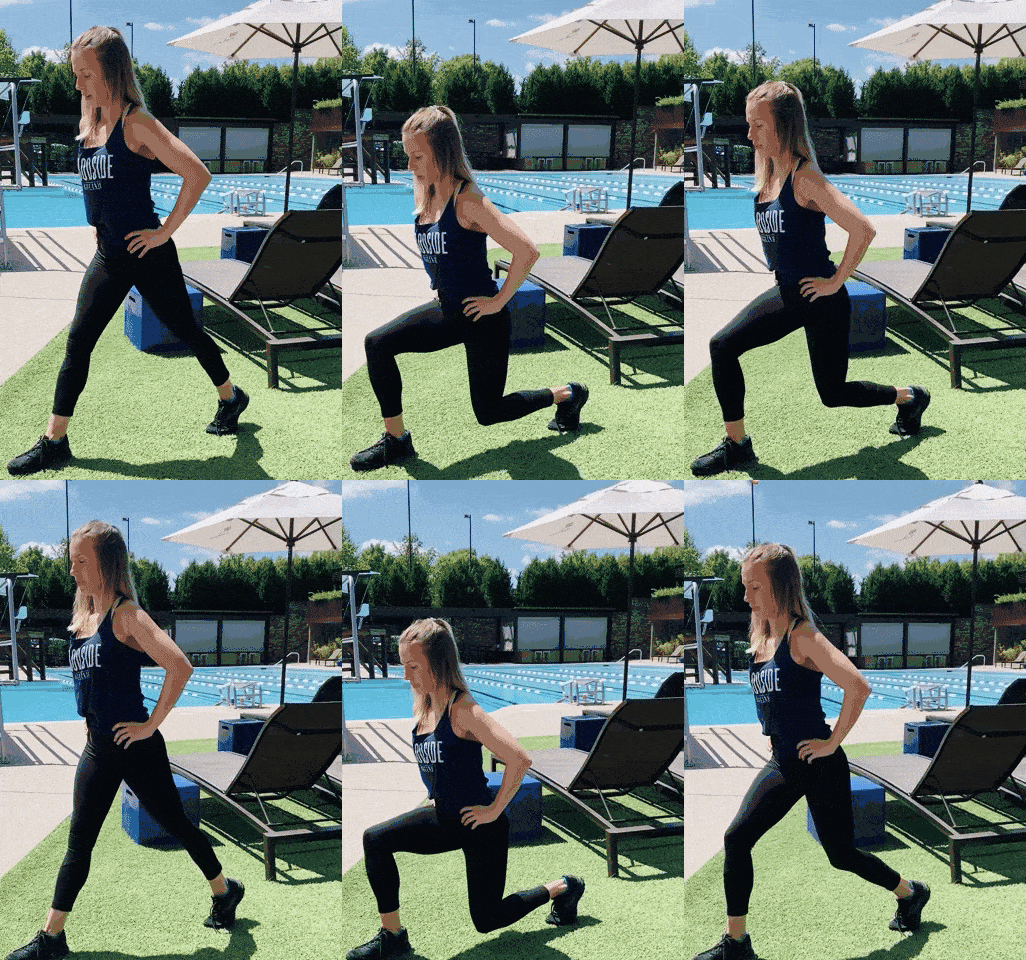
– Barbell Squats (4 sets of 8-10 reps).
– Romanian Deadlifts (4 sets of 8-10 reps).
– Walking Lunges (3 sets of 12-15 reps per leg).
– Leg Extensions (3 sets of 12-15 reps).
– Hamstring Curls (3 sets of 10-12 reps).
– Seated Calf Raises (3 sets of 12-15 reps).
This regimen ensures to work on quadriceps, hamstrings, glutes, and calf areas, nevertheless, it is pretty much a multifaceted routine.
3 For Advanced Lifters (6-7 Exercises).
Those who have reached an advanced stage need to change their workout quite often in order not to hit a plateau. This would bring better results and sustain the muscle growth and strength. “In case you’ve got a few years of practice, your leg day will definitely be a hardcore one challenging your muscles from multiple sides by adding some weight or incorporating new techniques,” explains Mike Green, a strength coach, and a professional bodybuilder.
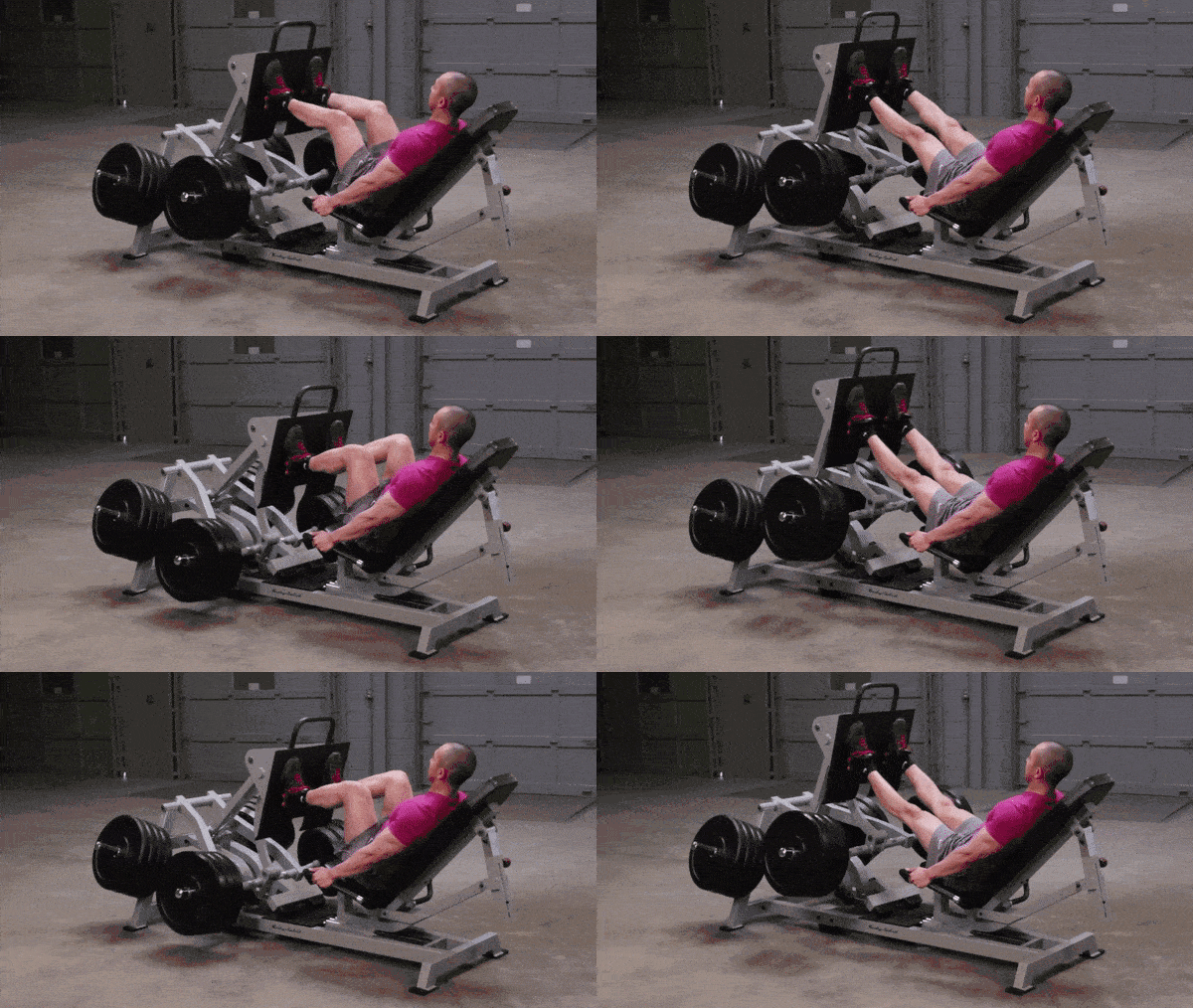
Take a look at the leg day program for the advanced users:
– Back Squats (5 x 5 to 8)
– Bulgarian Split Squats (4 x 10-12 reps per leg)
– Deadlifts (4 x 5 to 8)
– Leg Press (4 sets of 8-10 reps)
– Nordic Hamstring Curls (3 sets of 8-10 reps)
– Standing Calf Raises (4 sets of 15 reps)
– Hip Thrusts (4 sets of 10-12 reps)
When you are at this point, mixing exercises with varying rep ranges, and targeting specific muscle groups will definitely help in your journey towards bigger, stronger, and well-defined legs.
Compound vs. Isolation Exercises: What’s the Difference?
On the day of training your legs, it is a must to use a combination of compound and isolation exercises. Compound exercises such as squats and deadlifts allow you to do more work while targeting more than a single muscle group at a time which helps you in lifting heavier weights and increases the level of muscle stimulation. On the other hand, isolation exercises are meant to work on a single muscle (e.g. leg curls) and the benefits are enjoyed when you want to eliminate imbalances or strengthen your weak areas.
“Every compound and isolated movement has an equal place in a good lower body workout. A compound lift will help you build strength and size, and isolation lifts will help you in defining and toning muscles,” says Mike.
Rest and Recovery: The Key to Muscle Growth
Having committed to a hard leg workout, the recovery of your muscles is crucial. Muscle growth takes place during the recovery time and not when you are actually working out. Further, if you over-train your body, you may become fatigued, injured, or even see progress come to a halt.
The American College of Sports Medicine suggests that each muscle group should lie dormant for a period of 48 to 72 hours before they are worked out again. It implies that if Monday is the day for leg training, Wednesday or even Thursday should be the days for the next leg workout.
“The magic happens when you recover,” claims John Miller. “Give those legs some time off to relax and repair, and become bigger for the next workout.”
Bottom Line.
Then, what is the number of workouts that should be done on the leg day? Well, it is not recommended to do both things individually on the same day. The suggested exercises to be done on the leg day are the compound, in that way, isolation movements of muscle groups and body parts are not done.
The coach can give the green light to their trainees between 4 and 6 exercise sets, depending on the levels of experience and goals. Only a handful of exercises should be learned by amateurs who aim to create an exercise habit. At the same time, professionals can experiment with as many variations as they are interested in and without setting any limits on the number of such.
Do not forget to focus on quality over quantity. For sure, compound exercises need to be the core of your workout plan, and, certain isolated exercises, which are an added advantage, should always accompany them. Your body also needs to get a full recovery between training sessions, do not think just because you are partly recovering your body can get used to the intensity of the workout. Moreover, you can increase your training intensity or training pace to increase the difficulty in your muscles and avoid reaching the exercise plateau.
+1 Source
Freaktofit has strict sourcing guidelines and relies on peer-reviewed studies, educational research institutes, and medical organizations. We avoid using tertiary references. You can learn more about how we ensure our content is accurate and up-to-date by reading our editorial policy.
- Reciprocal Forearm Flexion-Extension Resistance Training Elicits Comparable Increases in Muscle Strength and Size With and Without Blood Flow Restriction; https://journals.lww.com/nsca-jscr/fulltext/2020/01000/abstracts.33.aspx