










































 Workout

 Meditation


 Podcast
 E-book


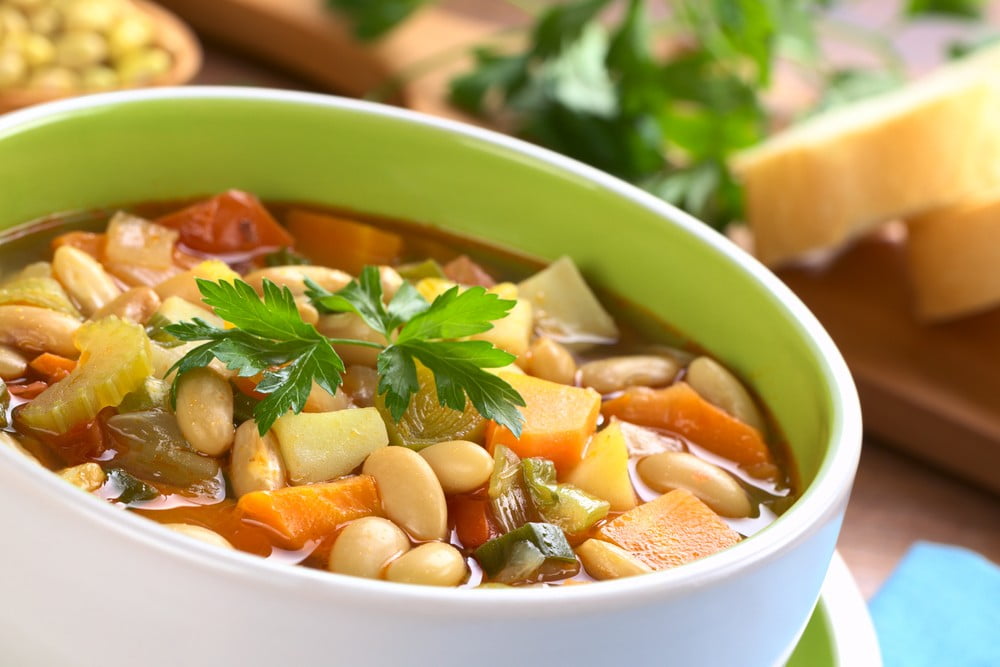
Peruano beans are a unique variety of beans, also known as Mexican yellow beans or canary beans. In English, they are also known as Peruvian beans, Azufrado Beans, Canary Beans, Mayocoba Beans, or Mexican Yellow Beans. So, today we will discuss about Peruano Beans nutrition facts and amazing health benefits.
Such types of pods are medium sized and have ivory colour or sometimes yellowish in colour. When cooked alone, peruano beans have a creamy texture and has a mild taste. When cooked with other ingredients, they can easily absorb the taste of those ingredients.
These beans are small, oval, ivory to light yellow dry legumes which are common in Latin American dishes but it belongs from an original part of northern Mexico cuisine. Peruanos has a light, buttery taste and a soft, creamy texture.
Although peruano beans can be a great alternative of other beans such as white kidney beans, cranberry beans, black beans, white beans and can even be used in place of pulses, they contain more liquid than other types of beans.
Related Stories
 7 Benefits of Blackberries During Pregnancy
 Can You Mix Protein Powder With Creatine?
Like other types of legumes, peruano beans are well filled with dietary fibers, minerals such as potassium, zinc, calcium, magnesium, protein, iron, niacin, folate thiamine and pantothenic acid.
When preparing peruano beans, it is very important to soak the beans overnight so that unwanted particles are easily eliminated, wash thoroughly and continue with your chosen recipe.
Origin of Peruano Beans.
Peruvian legumes are mainly cultivated in tropical rain forests in South American countries such as Peru, Brazil, Colombia, Guyana, Bolivia and Venezuela.
However, peruano beans actually originated from the Andes Mountain in Peru. This country is considered to be the largest exporter and producer of Peruano Beans.
Peruano beans are cut from a tree called ‘Bertholletia Excelsa’ and have been an important part of human diet since ancient times.
Although indigenous to peruvians, in recent times the United States has also become one of the common farmers of these unique legumes.
Some theories believe that two varieties of these pods were crossed in 1978 to increase their quality and yield. It was the crossing that produced mayocoba beans named after a village in the state of Sinaloa. However, Peruano Beans has continued to gain and grow in popularity without genetically reengineering.
Peruano Beans Nutrition.
Peruano beans have amazing nutrition facts. They are a good source of minerals including calcium, iron, selenium potassium, zinc, magnesium. It also contains several vitamins such as folate, pantothenic acid, niacin, thiamine, dietary fiber and protein.
| Portion Size | 185g |
| Calories | 353kcal |
| Total Fat -Saturated Fat | 14g 2.1g |
| Protein | 16g |
| Total Carbohydrate | 43g |
| Dietary Fiber | 18g |
| Sugar | 0.6g |
| Vitamin C | 0 mcg |
| Calcium | 107mg |
| Iron | 4.3mg |
| Potassium | 559mg |
Health Benefits of Peruano Beans.
1 Low Sodium Content.
Reducing sodium intake in your diet not only helps you live longer but also helps you to lose extra weight including facial fat.
However, the most important benefit of a low sodium diet is lowering blood pressure. Therefore, according to the National Institute of Health, it is an important benefit even if there is no hypertension.
1/4 cup dry beans contain 15 mg of sodium or 1 per cent of daily recommended intake.
2 Maintain Normal Blood Pressure.
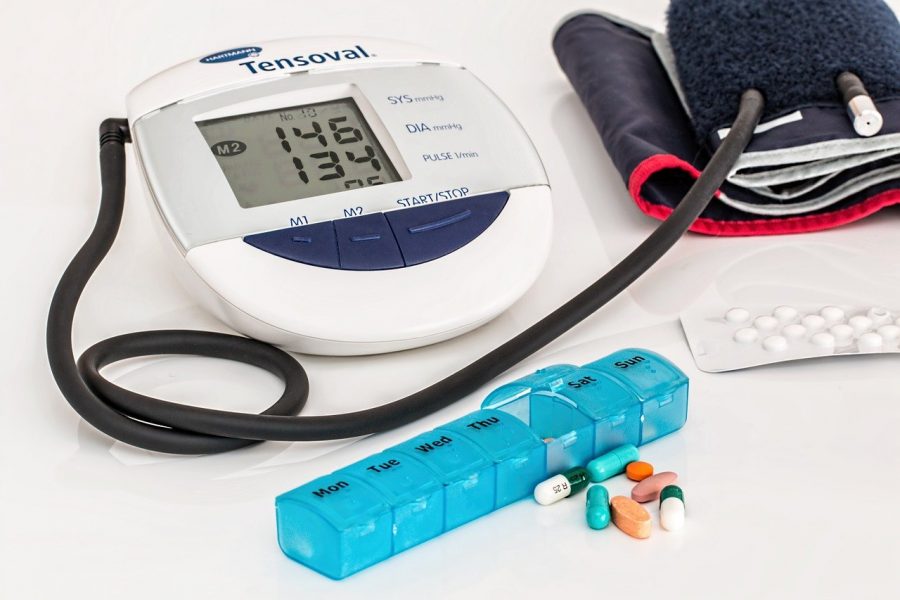
They are a good source of potassium, an electrolyte that counteracts the effects of sodium, helps to maintain healthy blood pressure.
According to the research, more than 80% of patients taking high blood pressure medication were able to reduce their dose by 50 per cent by eating only potassium-rich foods.(1)
Moreover, this essential mineral plays an important role in maintaining the electrical conductivity of the brain, which greatly affects the functioning of the brain.
Along with phosphorus, calcium, manganese and other important minerals, it works to keep your bones healthy and strong.
Bones need a fair amount of these important minerals to prevent diseases like osteoporosis, making potassium a really very beneficial nutrient.
The symptoms of this mineral deficiency are highly undesirable and can include dehydration, severe headaches, inflammation of tissue and glands and heart palpitations.
3 Low Risk of Some Cancers.
Fiber, also known as bulk or roughage, contains portions of plant foods that your physical body cannot absorb or digest. Fiber comes in two varieties – soluble and insoluble.
Soluble fiber dissolves in water and helps in controlling glycemia and reduce total and LDL cholesterol. This type of dietary fiber is commonly found in foods such as oat bran, oat, barley, pecan, almonds, walnuts, beans, flaxseeds, peas, lentils, citrus fruits, pears, carrots, apples and berries.
Insoluble fiber does not dissolve in water, nor it is fermented by good bacteria living in the large intestine. However, this type of fiber retains water and doing so helps to promote a larger, heavier, more regular bowel activity.
Insoluble fiber is commonly found in wheat grains, whole grains, cabbage, celery, carrots, radishes, bananas and tomatoes.
According to a study published in Annals of Oncology, every ten grams of diet you consume every day is strongly associated with ten per cent lower risk of fiber colorectal cancer and five per cent lower risk or breast cancer.(2)
In addition, fiber supplements are shown to improve weight loss in obese people (BMI of 30 or more considered obese), possibly because dietary fiber increases feelings of satiety and fullness.
1/4 cup dry legumes contain 56 per cent of daily recommended intake of dietary fiber.
4 Prevention of Osteoporosis.
Calcium is an essential mineral and almost all calcium in the body is found in bones. There is a small amount in the bloodstream, which is responsible for important functions of the body, such as maintaining the heartbeat, contraction of muscles and transmission of nerve impulses.

Calcium also helps to prevent weak or brittle bones, osteoporosis, PMS, poor thyroid function, as well as it facilitates healthy weight loss as it helps in reducing stress hormone – cortisol.
Factors that improve the absorption of this mineral include adequate amounts of magnesium, protein, vitamin D (spending time outside), and phosphorus.
1/4 cup dry legumes contain 4 per cent of daily recommended intake of calcium.
5 Healing Wound.
Iron is an important mineral that is essential for maintaining optimal health. In the body, about 70 per cent of this mineral is found in myoglobin which found in muscle cells, and makes it possible to store, approve, release and transport oxygen in those cells and hemoglobin which is the main transporter of oxygen from the lungs. This mineral plays an important role in accelerating the wound healing process.
100 per cent the best way to ensure that you don’t lack this important mineral is to consume enough iron-filled foods regularly. 1/4 cup dry legumes contain 15% of the daily recommended amount of iron.
*Note – Low intake of foods rich in vitamin C can lead to iron deficiency as vitamin C is required to absorb non-heme iron which found in plant-based foods.
How To Prepare Peruano Beans?
Vegetarian Recipe (Oil Free).
Ingredients.
- 1 cup peruano beans.
- 3 large cloves of garlic.
- 1 large onion.
- 1 tsp ground cumin seeds.
- 2 tomatoes.
- 1/2 tsp chilli powder.
- 1 tsp dried kasuri methi.
- 1 tsp pepper.
- 2 tsp salt.
- 1 tsp chilli powder.
- 3 cups water.
Peruano Beans Recipe.
- The night before, place the beans in a large container and fill the beans with water to cover a few centimeters. Refrigerate the beans for wetting till the next day.
- Remove the soaking water, cover with fresh water and let it boil for about forty-five minutes.
- Add the rest of the ingredients and cook on medium heat for another twenty minutes. Check them often and shake to make sure that they are not sticking or drying from the bottom.
- Let the beans cool for ten minutes before serving.
- Enjoy!
Bottom Line.
Now you are fully aware about Peruano Beans Nutrition however like any other food, the health benefits of peruano beans for the body can be maximum only if the beans are consumed in full quantities and with the right method of cooking.
It is suggested that roasting peruano beans is not a good idea as this method of cooking can induce unsaturated lipids present in beans to saturated lipids, which can increase the risk of heart diseases.
To enjoy better intake and benefits of peruano beans, it is best to steam or boil the beans. This will not only guarantee that lipids will remain unsaturated, but will also help to maximize the health benefits of peruano beans.
+2 Sources
Freaktofit has strict sourcing guidelines and relies on peer-reviewed studies, educational research institutes, and medical organizations. We avoid using tertiary references. You can learn more about how we ensure our content is accurate and up-to-date by reading our editorial policy.
- Dietary Approaches to Prevent Hypertension; https://www.ncbi.nlm.nih.gov/pmc/articles/PMC4366416/
- Nutrition and cancer: A review of the evidence for an anti-cancer diet; https://www.ncbi.nlm.nih.gov/pmc/articles/PMC526387/