

































 Workout

 Meditation


 Podcast
 E-book


Hypotension, also often called as low blood pressure, can cause dizziness, fainting, as well as fatigue. Though it may not be always harmful, but chronic low blood pressure can lead to many complications if not treated properly. One of the most effective ways to maintain a healthy blood pressure level is through maintain a proper diet. So, today in this article, we will be telling you about the best foods to eat and avoid, along with scientific evidence supporting these choices, expert opinions, and answers to common questions about low blood pressure.
Understanding Low Blood Pressure.
The measurement of blood pressure is taken in millimeters of mercury (mmHg) and consists of two numbers:
- Systolic pressure (the top number) which measures the force of blood against artery walls when the heart beats.
- Diastolic pressure (the bottom number) which measures the force when the heart is at rest between beats.
A normal blood pressure reading is 120/80 mmHg for all adults. Thereby, low blood pressure is usually defined as:
- Below 90/60 mmHg.
Though some people naturally have lower blood pressure with no symptoms, but others may experience some symptoms like dizziness, nausea, blurred vision, and fainting.

Best Foods for Low Blood Pressure.
1 Salty Foods.
Sodium helps increase blood pressure, making it essential for those with hypotension.

- Sea salt.
- Pickles.
- Canned soups.
- Olives.
- Soy sauce.
2 Fluids and Electrolytes.
Dehydration can cause blood pressure to drop. Increasing fluid intake is crucial.
- Water.
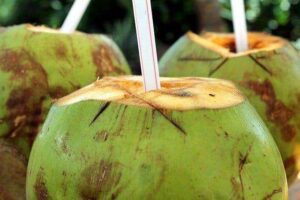
- Coconut water (rich in potassium and sodium).
- Electrolyte drinks.
- Herbal teas (chamomile, ginger, and ginseng help circulation).
3 Caffeinated Beverages.
Caffeine temporarily raises blood pressure by stimulating the heart and narrowing blood vessels.
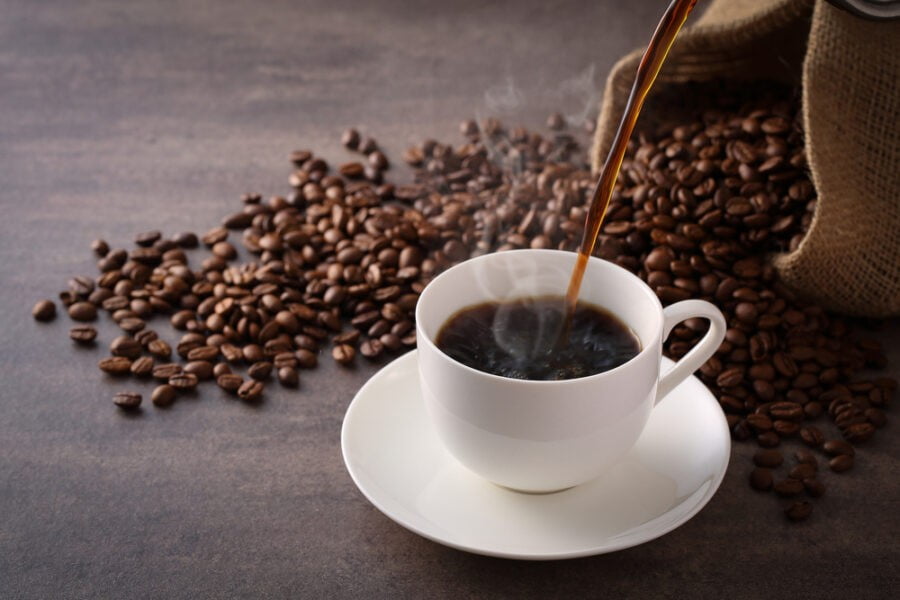
- Coffee.
- Black tea.
- Green tea.
- Dark chocolate.
4 High-Carbohydrate Foods.
Carbs provide energy and help increase blood sugar, indirectly affecting blood pressure.
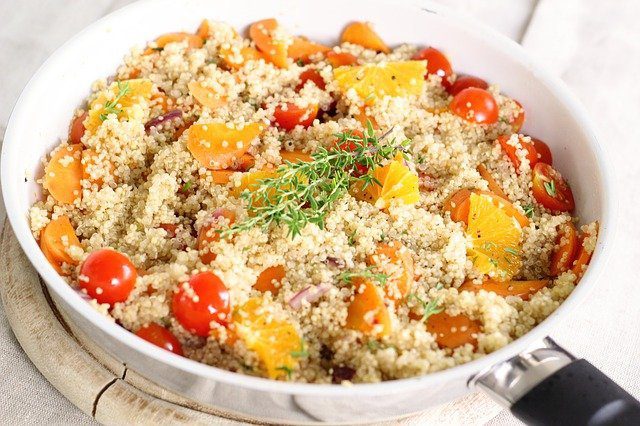
- Whole grains (oats, brown rice, quinoa).
- Sweet potatoes.
- Legumes.
- Bananas.
5 Iron-Rich Foods.
Iron deficiency (anemia) can lead to low blood pressure.
- Red meat.
- Spinach.
- Liver.
- Lentils.
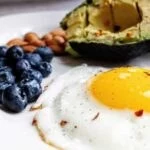
- Eggs.
6 Folate-Rich Foods.
Folate deficiency can cause hypotension.
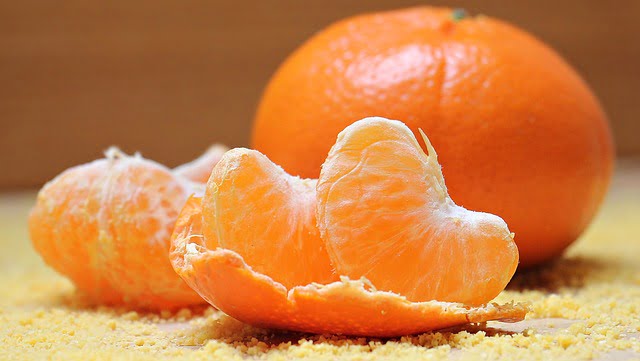
- Leafy greens (kale, spinach, lettuce).
- Beans.
- Citrus fruits (oranges, lemons, grapefruits).
- Avocado.
7 Vitamin B12 Foods.
B12 deficiency can cause low blood pressure and anemia.

- Dairy products (milk, cheese, yogurt).
- Eggs.
- Chicken.
- Fortified cereals.
Foods to Avoid If You Have Low Blood Pressure.
1 Alcohol.
Alcohol lowers blood pressure by dehydrating the body.
2 High-Sugar Foods.
Sugary foods cause sudden blood sugar spikes, followed by crashes that can drop blood pressure.
- Candies.
- Sugary sodas.
- Processed sweets.
3 Fermented Foods.
While beneficial for digestion, some fermented foods can lower blood pressure further.
- Kimchi.
- Sauerkraut.
- Miso.
4 Processed and Junk Foods.
Excessive consumption of processed foods can cause blood sugar fluctuations, leading to unstable blood pressure.
Scientific Evidence on Low Blood Pressure and Diet.
Research suggests that:
- Sodium intake increases blood pressure, as confirmed by the American Heart Association.(1)
- Caffeine can cause a short-term rise in blood pressure, according to the Mayo Clinic.(2)
- Hydration plays a key role in maintaining stable blood pressure, supported by studies from the National Institutes of Health.(3)
| 💡 Expert Interview: Dr. Lisa Thompson, Nutritionist. Q: What is the best dietary approach to managing low blood pressure? A: “A balanced diet with adequate sodium, fluids, and nutrient-dense foods is key. Small, frequent meals help regulate blood sugar and prevent sudden drops in blood pressure.” Q: Any advice on lifestyle changes? A: “Avoid standing up too quickly, drink plenty of water, and include moderate salt in your diet. Monitor symptoms and seek medical help if necessary.” |
Frequently Asked Questions.
Yes, increasing sodium intake can help, but it should be done in moderation and under medical supervision.
No, caffeine temporarily increases blood pressure but does not have long-term effects.
Drinking a glass of water, having a salty snack, and lying down with legs elevated can help.
Bananas, citrus fruits, and pomegranates are beneficial.
Only if recommended by a doctor. Eating a balanced diet is the best approach.
Bottom Line.
Managing low blood pressure through diet is simple and effective. By consuming foods rich in sodium, fluids, vitamins, and minerals, and avoiding dehydrating and high-sugar foods, you can maintain a stable blood pressure level. Always consult a healthcare professional for personalized advice.
+3 Sources
Freaktofit has strict sourcing guidelines and relies on peer-reviewed studies, educational research institutes, and medical organizations. We avoid using tertiary references. You can learn more about how we ensure our content is accurate and up-to-date by reading our editorial policy.
- Sodium, Blood Pressure, and Cardiovascular Disease: Further Evidence Supporting the American Heart Association Sodium Reduction Recommendations; https://www.ahajournals.org/doi/10.1161/cir.0b013e318279acbf
- Caffeine: How does it affect blood pressure?; https://www.mayoclinic.org/diseases-conditions/high-blood-pressure/expert-answers/blood-pressure/faq-20058543
- Water, Hydration and Health; https://pmc.ncbi.nlm.nih.gov/articles/PMC2908954/