












































 Workout

 Meditation


 Podcast
 E-book



The Fast Facts
- A simple blood test can determine if you are deficient in Vitamin D, and supplementing with Vitamin D tablets or a diet rich in Vitamin D foods can help combat fatigue and weakness due to a Vitamin D deficiency.
- Additionally, taking a Vitamin D supplement is a great way to ensure that your body is getting the levels of Vitamin D it needs for healthy hair growth.
- Vitamin D is an essential nutrient that helps the body absorb calcium and phosphorus, and it plays a role in the functioning of your immune system.

If you’re feeling sluggish, having trouble concentrating, and have frequent aches and pains, you may be deficient in Vitamin D. Vitamin D is an essential nutrient that helps the body absorb calcium and phosphorus, and it plays a role in the functioning of your immune system. In this article, we’ll discuss 10 signs that your body may be lacking in Vitamin D and what you can do to supplement your intake.
Importance of vitamin D In Your body.
Vitamin D is important for overall health. It helps the body absorb calcium and phosphorus, which are essential for bone health. Vitamin D also supports the immune system, helping to protect against certain diseases.(1)
Low levels of vitamin D can lead to a variety of health issues, including increased risk of cancer, heart disease, diabetes, and obesity. Adequate levels of vitamin D are also important for healthy muscle and nerve function, as well as proper development and growth of bones and teeth.
Related Stories
 Why is There Talk of “Fat Burning Sleep”?
 6 Things To Know While Choosing An Online Vendor For THC Gummies
10 Signs That Your body Desperately needs More Vitamin D.
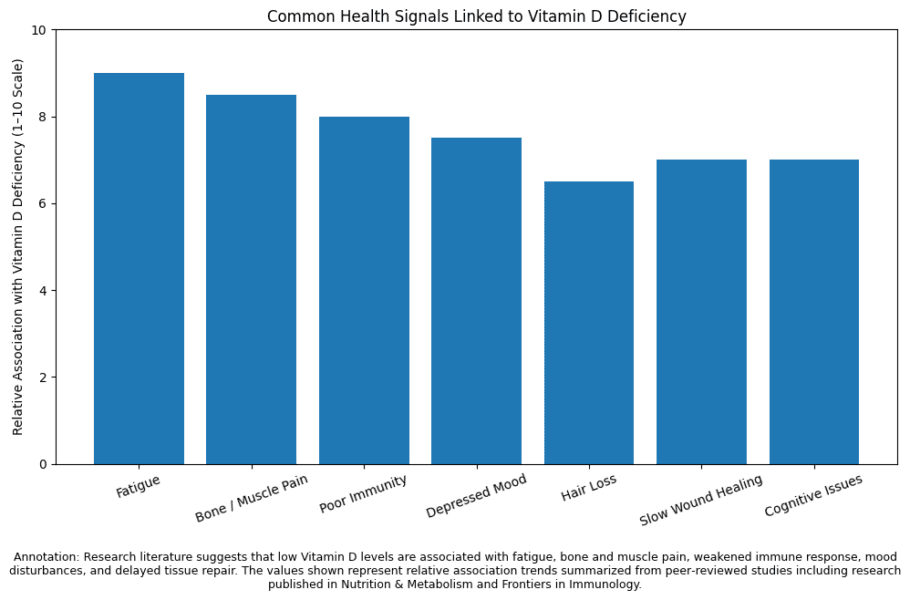
1 Frequent Fatigue and Weakness.
Frequent fatigue and weakness can often be caused by a lack of Vitamin D in the diet. Vitamin D is an essential nutrient that helps the body absorb calcium and phosphorus, both of which are necessary for strong bones and muscles.
Not getting enough Vitamin D can lead to muscle weakness and fatigue, as well as an increased risk of falls and fractures. A simple blood test can determine if you are deficient in Vitamin D, and supplementing with Vitamin D tablets or a diet rich in Vitamin D foods can help combat fatigue and weakness due to a Vitamin D deficiency.(2)
2 Unexplained Bone or Muscle Pain.
Bone and muscle pain due to a lack of Vitamin D can be difficult to explain. Vitamin D is essential for the body’s ability to absorb and use calcium and phosphorus, both of which are necessary for the proper development and maintenance of strong bones and muscles.

Without sufficient Vitamin D, bones can become weak and brittle, resulting in unexplained pain. Similarly, muscles may ache and feel weak, also leading to unexplained pain. Symptoms of Vitamin D deficiency can be treated with increased sun exposure, dietary changes, and/or supplementation.
3 Impaired Wound Healing.
Impaired wound healing due to lack of Vitamin D is a serious medical concern that can occur when individuals do not consume enough Vitamin D in their diet. Vitamin D is essential for proper wound healing because it helps to regulate the body’s inflammatory response and encourages the production of collagen, which in turn aids in tissue repair.
Vitamin D deficiency can lead to delayed healing and increased risk of infection, as well as poor scar formation. To ensure proper wound healing, it is important to make sure you are consuming adequate amounts of Vitamin D through your diet or through supplementation.
4 Hair Loss.
Hair loss due to lack of Vitamin D is a common problem especially amongst those with darker hair, as darker hair is more prone to deficiencies. Vitamin D is an important factor in hair growth and health, as it helps to promote blood and nutrient circulation to the scalp.
Low levels of Vitamin D can lead to hair loss, thinning, and even baldness. To prevent this, it is important to ensure that you are getting enough Vitamin D through diet and supplements.
Eating foods rich in Vitamin D such as salmon, tuna, egg yolks, mushrooms, and fortified cereals can help to prevent hair loss due to lack of Vitamin D. Additionally, taking a Vitamin D supplement is a great way to ensure that your body is getting the levels of Vitamin D it needs for healthy hair growth.
5 Chronic Pain.
Chronic pain due to lack of Vitamin D is becoming an increasingly common health issue. Vitamin D deficiency can cause a variety of physical complications, including frequent and persistent pain.
If left untreated, this pain can be long-lasting and even debilitating. Symptoms of chronic pain due to Vitamin D deficiency often include joint pain, muscle aches, and fatigue.
People who experience chronic pain due to Vitamin D deficiency can benefit from regular exposure to sunlight, a balanced diet rich in Vitamin D, and supplementation.
Additionally, consulting with a doctor can help to identify underlying causes of pain and create a treatment plan tailored to the individual.
6 Depression.
Depression due to lack of Vitamin D is a very real thing. Vitamin D plays a key role in regulating mood-enhancing hormones and has been linked to depression when it is deficient in the body.

Low levels of Vitamin D can result in low energy, fatigue, poor sleep, and sadness. If you suspect that you have a Vitamin D deficiency, you should talk to your doctor to determine if a supplement is necessary.
Taking Vitamin D supplements can help to reduce the symptoms of depression, increase your energy levels, and improve your overall mental health.
7 Poor Immune System.
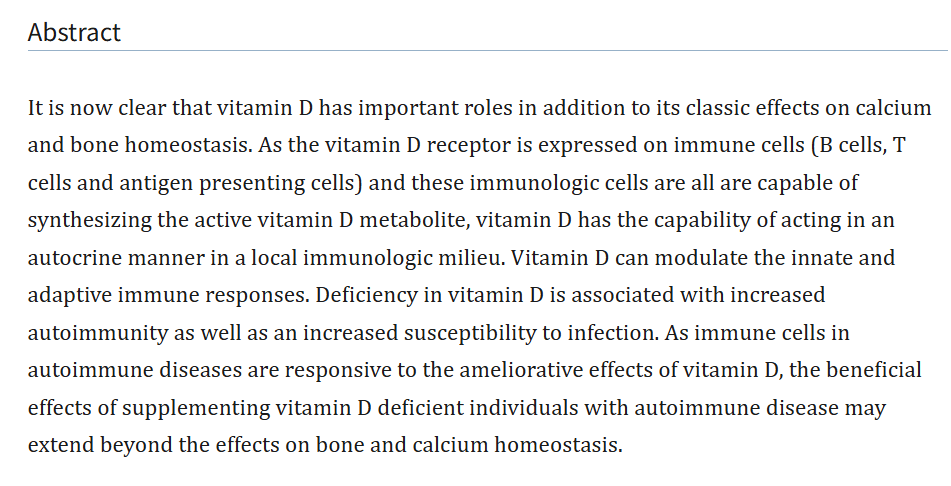
Having a poor immune system can be caused by a lack of Vitamin D. Vitamin D is essential to keeping your immune system strong and able to fight off illnesses.
Low Vitamin D levels can deplete the number of white blood cells in your body, making it harder to fight off infections and illnesses. Low Vitamin D levels can also make it harder for your body to make antibodies and increase inflammation in your body, making it more vulnerable to illnesses.(3)
Eating foods rich in Vitamin D such as salmon, tuna, mackerel, and fortified foods can help ensure you are getting enough Vitamin D for a healthy immune system. In addition, taking Vitamin D supplements may also be helpful.
8 Unexplained Weight Gain.
Unexplained weight gain due to lack of Vitamin D can be an issue for many people. Vitamin D helps maintain a healthy weight by helping the body absorb calcium and phosphorus, two important nutrients for weight management.
When Vitamin D levels are low, the body may start to store more fat than it should, leading to an increase in weight. Additionally, low Vitamin D levels can lead to a decrease in energy levels, which can lead to a sedentary lifestyle and further weight gain.
People who are looking to maintain a healthy weight should make sure they are getting enough Vitamin D through diet, supplements, or sunlight exposure.
9 Low Blood Pressure.
Low Blood Pressure due to lack of Vitamin D can occur when the body does not have enough of this important nutrient. Vitamin D helps to regulate blood pressure, and if it is not present in sufficient amounts, your blood pressure may drop significantly.
Symptoms of low blood pressure due to lack of Vitamin D include fatigue, dizziness, and irregular heart beat. Additionally, you may experience muscle weakness, nausea, and headaches.
Treatment for this condition includes increasing your Vitamin D intake through a healthy diet, supplements, or fortified foods. In severe cases, your doctor may recommend medications to help raise your blood pressure.
10 Reduced Cognitive Function.
Reduced cognitive function due to lack of Vitamin D can have a profound impact on an individual’s mental health and well-being. Low levels of Vitamin D have been linked to decreased concentration, decreased memory, and impaired decision-making abilities.
In extreme cases, a Vitamin D deficiency can lead to depression, dementia, and even Alzheimer’s disease. To ensure optimal cognitive function, it is important to get enough Vitamin D through natural sources such as sunlight and food sources, or through supplementation.
How to Fulfill Deficiency of Vitamin D?
1 Get adequate sun exposure.
Spend 10-15 minutes in the sun every day at least during the summer months and on bright winter days. Make sure to expose your face, arms, legs, or back without sunscreen to get the full benefits of the sun’s rays.
2 Increase your dietary intake.
Eat foods that are rich in Vitamin D such as salmon, tuna, mackerel, egg yolks, cheese, fortified milk, fortified cereal, and some mushrooms.
3 Take supplements.

Talk to your doctor about the right dosage for you and take a Vitamin D supplement to make up for any deficiency.
4 Get your Vitamin D levels tested.
Make sure to get your Vitamin D levels tested to determine if you have a deficiency. This will help you to better manage your Vitamin D intake and make sure that you are getting enough.
Expert Opinion.
According to a widely recognized researcher of Vitamin D and professor of medicine at Boston University, Dr. Michael Holick, it works like this, one of the most prevalent medical conditions all over the world is vitamin D deficiency.
Vitamin D is necessary to maintain the body health as well as to aid the work of the immune system, alleviate inflammation, and keep the body healthy.
Many health experts have argued that the current lifestyles have greatly decreased the exposure to the sun because of indoor work place, sun screen and city living conditions.
Consequently, deficiency of Vitamin D has been on the rise even in sunny areas.
Nutritionists also stress that the most effective approach to present the healthy levels of Vitamin D and avoid the complications connected with Vitamin D deficiency is the intercourse of the sun and Vitamin D-containing products with supplements (which is necessary, of course).
Frequently Asked Questions.
1 What is the recommended daily Vitamin D dosage of adults?
According to recommendations of most health organizations, adults are supposed to intake about 600-800 IU (15-20 mcg) of Vitamin D per day. Nonetheless, people with deficiencies could take more doses under the guidance of a physician. The precise need may change with age, medical condition and exposure to the sun.
2 Is sunlight enough to get enough Vitamin D?
Vitamin D is found in sunlight, which is one of the most natural sources of Vitamin D since the body synthesizes it when the skin is in the UVB light. Nevertheless, Vitamin D can be decreased by factors like skin tones, geographical position, use of sunscreen, pollution and indoor hours. Due to this fact, a lot of individuals still need diet sources/supplements.
3 Are Vitamin D supplements safe to use on a long-term basis?
Yes, vitamin D supplements are considered to be safe, in most cases, provided that they are taken in advised doses. But when taken in large doses long term may result in Vitamin D toxicity which can result in high levels of calcium in the blood and possible kidney problems. Long-term supplementation is always good to consult a healthcare professional before commencing the supplementation.
Bottom Line.
Vitamin D is essential for many bodily functions and deficiency can lead to a variety of health problems. If you are experiencing any of the signs listed, it is important to make sure that you are getting enough Vitamin D, either through diet or supplementation. Taking the necessary steps to ensure that your body has adequate Vitamin D can help improve your overall health and well-being.
+3 Sources
FreakToFit has strict sourcing guidelines and relies on peer-reviewed studies, educational research institutes, and medical organizations. We avoid using tertiary references. You can learn more about how we ensure our content is accurate and up-to-date by reading our editorial policy.
- Vitamin D: The “sunshine” vitamin; https://www.ncbi.nlm.nih.gov/pmc/articles/PMC3356951/
- The relation between Vitamin D status with fatigue and depressive symptoms of multiple sclerosis; https://pmc.ncbi.nlm.nih.gov/articles/PMC3732898/
- Vitamin D and the Immune System; https://pmc.ncbi.nlm.nih.gov/articles/PMC3166406/