



































 Workout

 Meditation


 Podcast
 E-book


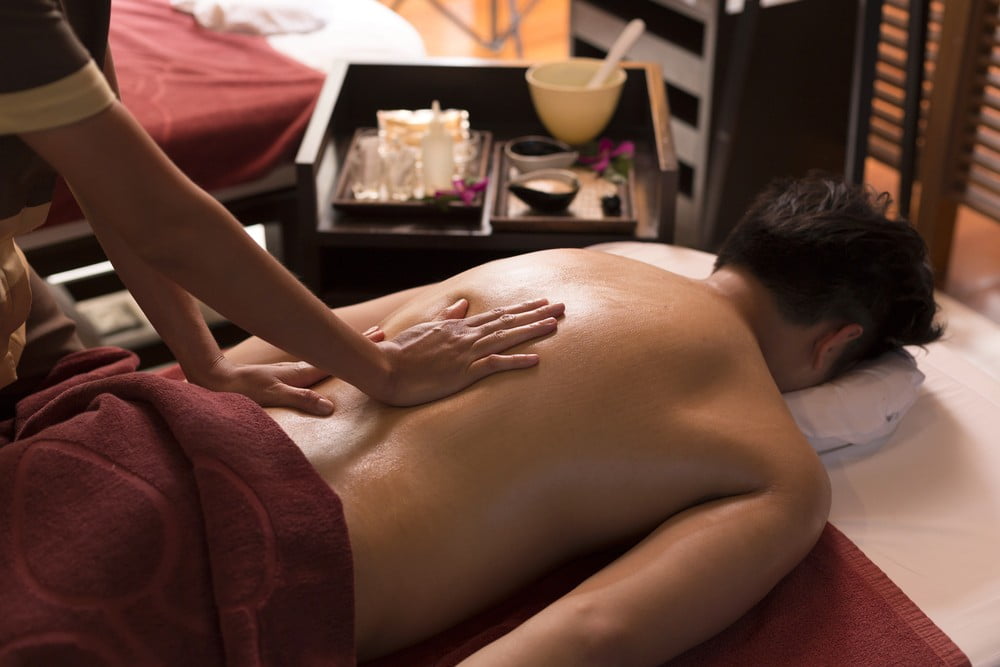
The history of massage therapy started back to thousands of years. Some early articles has written about the use of massage, were found in China, on the dates back to about 2700 BC.(1) The early Chinese practice of massage, which was developed to include various aspects of Chinese medicine, spirituality and even some aspects of martial arts, formed the foundation of Asian massage, as we know it today.
What is Asian Massage?
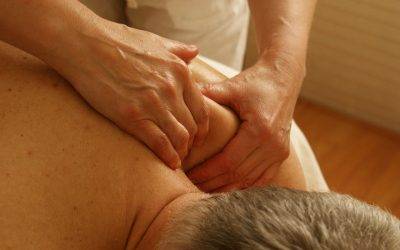
The term Asian massage refers to any touch-based therapy that has evolved from the principles of Chinese and other Asian systems of medicine.
The Asian massage technique is centered around the theory that the diseases and illnesses we suffer from are the result of blocked or unbalanced energy in the body.
This energy is said to flow along specific meridians or paths, which are connected to our physical system. The goal of Asian massage is to relax, calm and heal the body through the harmonious release of stress and free-flowing energy.
Related Stories
 How Long Will You Be On The Toilet For Colonoscopy Prep
 Why Do Some People Sweat More Than Others? Understanding Your Body’s Natural Response
It is important to understand that there is not only one type of Asian massage. Instead, it is an umbrella term used to describe many massage themes originating in China, Japan, and other Asian countries.
Many types of Asian massage are used today in therapeutic massage settings. As we await the spring and renewal season, now it is the right time to learn a little more about them.
Different Types of Asian Massage.
Most Asian massages use techniques that work with the body’s energy flow. Basically, the goal is to create a balance within one’s internal elements or cycles so that the body can be reset. This is in contrast to Western massage techniques that are mostly more for relaxation.
The second difference is that Asian massage can be performed when the person is fully dressed, unlike its Western counterpart that applies techniques to bare skin.
1 Acupressure Massage.
Developed by Chinese medicine over 5,000 years, it is a type of massage that uses precise pressure on parts of the body. By specifically targeting these specific parts, the stresses that are normally created in these areas are liberated, giving the individual significant relief.
Acupressure massage uses the same principles as acupuncture treatment in that they target the same acupoint. However, they do not use needles to “puncture” these spots. Instead, they pressurize, that’s where Massage got its name.
The interesting thing about this massage is that it can be done on its own if you know how. When done properly, it can provide immediate relief for certain diseases and conditions.
| Read Now: Acupressure Points for Belly Fat Loss |
2 Amma.
It is a type of therapy that is based on traditional Japanese massage techniques introduced by John Osho, a Buddhist priest, who practiced Chinese amma in the 6th century.
It was developed in the 17th century by Eiichi Sugiyama, who established schools for the blind. Being blind himself, Sugiyama taught the blind the ways of Amma and they became quite common in the 20th century.
Amma uses a technique that combines the application of pressure at the acupoint with deep tissue massage. Its purpose is to correct the imbalance in one’s system, followed by refreshing the whole body.
3 Ayurveda Massage.
Ayurveda massage has its roots coming from India. It is a technique that focuses on the chakras and marma of the body, which are similar to the acupoint in Chinese medicine.
According to tradition, the body is full of countless marmas. However, the massage will focus on the 107 major marmas that are found at all junctions where joints, bones, arteries, tendons, flesh and veins meet. Most of the body pain is also found here.
The massage also uses oils to work the techniques that aim to open up and purify energy channels that can be blocked over time. The technique also stimulates all the senses of the body, which also contributes to the healing process.
4 Chi Nei Tsang.
It is a Chinese detoxification massage that treat emotional conditions associated with diseases. It targets body parts, especially the organs affected by any disease to heal and help to recover.
Chi Nei Tsang uses old Taoist techniques where the limbs are gently but deeply massaged, resulting in physical, spiritual, and emotional relief. When translated, the phrase “Chi Nei Tsang” means work of the internal organs.
The stomach is normally oiled so it feels warm before massaging with the palm. Sometimes the person will feel some pain because the limbs are actually being targeted, but later feel relaxed.
5 Jin Shin Jyutsu.
One way to look at Jin Shin Jyutsu is to see it as an incredibly simple version of the acupressure massage. This is because it follows the same principles as acupressure, except that it focuses on only 26 points, which are less than the 300 points with which the acupressure works.
These 26 points are called SELs, which stand for safety energy locks and are located along the energy pathways of the body.
Using his hands, a Jin Shin Jyutsu practitioner will hold a combination of these SELs and gently massage through them, allowing the client to experience a flow of energy, which can be as comfortable as it is healing.
6 Shiatsu.
In Japanese the term means “finger pressure”, but massage actually uses a variety of techniques such as soothing, pressing, kneading, tapping, and even stretching to relax the mind and body.
Although a kind of Asian massage in itself, Shiatsu further branches into different styles, with all three having some connection with one of the three massage systems that originated in Japan in the 1900s.
This kind of massage is actually commonly known in the West as well. Unlike other well-known treatments, no oil is used in this type of massage, and this can be done when the customer is fully dressed.
7 Thai Massage.
Thai massage is a full body contact massage that uses a combination of Indian Ayurvedic principles, acupressure massage and yoga pose. It generally does not use oil and can be fully worn with the client.
During the massage, the therapist will follow the lines identified with the body, and the client will be positioned in such a way that they follow these lines.
Therefore, the client can expect him to be placed in a different position to get a good quality massage. Of course, like yoga, the customer will feel relieved after the session, which usually lasts for two hours.
Benefits of Asian Massage Therapy.
1 Getting Rid of Depression And Anxiety.
Emotional problems in life can affect your physical and mental health badly. Sometimes, you need a good Asian body massage to overcome these issues. Techniques of massage like stroke, yoga and acupressure can help you relax and overcome all the depression and anxiety within you.
Asian massage therapists include Chinese acupressure, erotic massage, Thai massage, Japanese shiatsu and Indonesian Japanese massage.
Most of these Miami Asian massage techniques are meant to provide relief from certain health conditions and stress within the muscles.
2 Improved Blood Circulation.
This Miami Asian massage therapy can improve your body’s healing capacity by providing oxygen and blood to keep circulation in your body.
When the respiratory system improves and blood flow stabilizes, it can improve the body’s immunity. If you are having trouble of breathing, then it can also be treated with a good Asian body massage.
3 Asian Massage For Pain Relief.
Due to busy routine and stress in life, many people suffer from pain in the body. Medications such as painkillers are temporary relief. If you want to get rid of these pains forever, you need an Asian body massage.
Asian massage therapy targets the key points that control the whole body. Once these points are linked to the massage stroke, your body starts to react in a positive way.
This positive response enables your body to heal itself. Miami Asian massage therapy relieves all muscle pain and tension. Such body massage heals your body along with your soul.
+2 Sources
Freaktofit has strict sourcing guidelines and relies on peer-reviewed studies, educational research institutes, and medical organizations. We avoid using tertiary references. You can learn more about how we ensure our content is accurate and up-to-date by reading our editorial policy.
- The History of Massage Therapy: 5,000 Years of Relaxation and Pain Relief; https://florida-academy.edu/history-of-massage-therapy/
- MIAMI ASIAN MASSAGE SPA; https://shangri-la-spa.com/asian-miami-massage-therapy.html