









































 Workout

 Meditation


 Podcast
 E-book



Constipation is a common digestive problem that affects people of all ages. It occurs when bowel movements become infrequent or difficult to pass, resulting in discomfort and bloating. While there are various over the counter medications available to relieve constipation, many individuals prefer natural remedies. Natural methods can be effective in promoting regular bowel movements without the risk of side effects associated with medication. In this article, we will explore several natural ways to relieve constipation, including dietary changes, lifestyle adjustments and herbal remedies. By incorporating these methods into your routine, you can find relief from constipation and promote a healthier digestive system.
Causes of Constipation.
Constipation, a condition characterized by infrequent bowel movements or difficulty passing stools, can be caused by various factors. Some common causes of constipation include:
1 Inadequate Fiber Intake.
A diet low in fiber can contribute to constipation. Fiber adds bulk to the stool, making it easier to pass through the intestines. Insufficient intake of fruits, vegetables, whole grains and legumes can result in slower bowel movements and difficulty in eliminating waste.
2 Lack of Physical Activity.
A sedentary lifestyle or lack of regular exercise can lead to constipation. Physical activity helps to stimulate the muscles in the intestines, promoting regular bowel movements. Inactivity can result in sluggish bowel function and the accumulation of waste in the colon.
Related Stories
 The Truth About Vibrators and Infertility: Separating Health Fact from Fiction
 Is Cancer Curable with Ayurveda: What Do Studies Say?
3 Dehydration.
Insufficient fluid intake can cause dehydration, which can lead to constipation. Water helps to soften the stool, making it easier to pass. Without enough fluids, the body may absorb more water from the stool, causing it to become hard and difficult to eliminate.
4 Medications.
Certain medications, such as opioids, antacids containing aluminum or calcium, antidepressants and some blood pressure medications, can cause constipation as a side effect. These drugs may interfere with the normal functioning of the digestive system, resulting in slower bowel movements.
5 Hormonal Changes.
Hormonal fluctuations, particularly during pregnancy, can contribute to constipation. The increased levels of progesterone during pregnancy can relax the muscles in the intestines, leading to decreased bowel movements.
6 Ignoring The Urge to Defecate.
Ignoring the body’s natural urge to have a bowel movement can result in constipation. Suppressing the urge to pass stools can disrupt the natural rhythm of the digestive system and cause stool to become harder and more difficult to expel.
7 Medical Conditions.
Certain medical conditions, such as irritable bowel syndrome (IBS), hypothyroidism, diabetes, colon cancer and neurological disorders, can contribute to constipation. These conditions may affect the normal functioning of the digestive system, leading to slower bowel movements.
8 Stress and Anxiety.
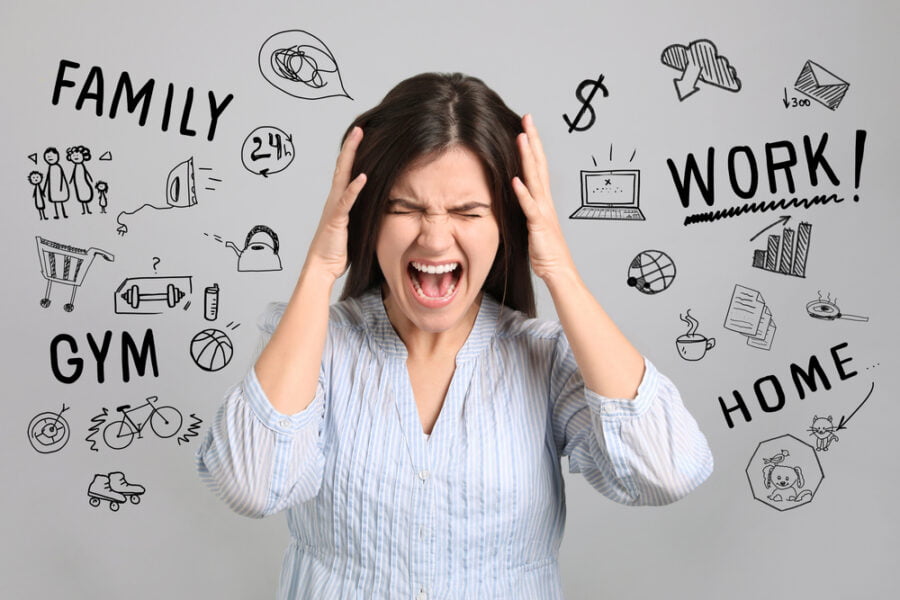
Psychological factors, including stress and anxiety, can affect the digestive system and contribute to constipation. High levels of stress can disrupt the normal contractions of the intestines, resulting in slower passage of stool.
9 Aging.
As individuals age, the digestive system may become less efficient, leading to constipation. Reduced muscle tone in the colon and decreased physical activity can contribute to slower bowel movements and difficulty in passing stools.
It is important to note that if constipation persists or is accompanied by severe pain, bleeding, or significant weight loss, it is advisable to seek medical attention to rule out any underlying medical conditions.
Symptoms of constipation.
Symptoms of constipation include a variety of uncomfortable and distressing sensations that can significantly impact a person’s overall well being. Common signs that indicate a person may be suffering from constipation include:
1 Infrequent Bowel Movements.
One of the primary symptoms of constipation is having fewer bowel movements than usual. Typically, this means having less than three bowel movements per week.
2 Difficulty Passing Stools.
Individuals experiencing constipation often find it challenging to pass stools. This can be accompanied by straining, pain or a feeling of incomplete evacuation after attempting to defecate.
3 Hard or Dry Stools.
Constipated individuals often notice that their stools are hard, dry and lumpy, making them difficult to pass. These stools may be smaller than usual and can cause discomfort or pain during elimination.
4 Abdominal Discomfort.
Constipation can lead to abdominal pain, cramping, bloating or a feeling of heaviness in the stomach. This discomfort may range from mild to severe and can persist for extended periods.
5 Rectal Bleeding.
In some cases, constipation can cause rectal bleeding due to the excessive straining or the passage of hard stools. This bleeding is typically minimal and often manifests as bright red blood on the surface of the stool or on toilet paper.
6 Reduced Appetite.
Constipation can lead to a decreased appetite or feelings of fullness even after eating only small amounts. This loss of appetite may be due to the discomfort and bloating associated with constipation.
7 Nausea and Vomiting.
In many cases, constipation can cause nausea and even vomiting. This is often a result of the accumulation of waste material in the digestive system, leading to feelings of queasiness or an inability to tolerate food.
8 Fatigue and Malaise.
Chronic constipation can cause fatigue, tiredness and a general feeling of malaise. The body’s continuous struggle to eliminate waste efficiently can leave individuals feeling drained and sluggish.
9 Anal Fissures.
Straining during bowel movements can lead to the development of small tears in the anus, known as anal fissures. These fissures can be painful and may cause bleeding during or after defecation.
10 Changes in Bowel Habits.
Individuals with constipation may experience changes in their normal bowel habits, such as a sudden decrease in frequency or consistency of stools. This change can be distressing and is often accompanied by the other symptoms mentioned above.
| 💡 Tips FreakToFit.com It is essential to consult a healthcare professional if experiencing any of these symptoms persistently or if they significantly impact daily life. Timely medical intervention can help identify the underlying causes of constipation and ensure appropriate treatment to alleviate discomfort and restore regular bowel function. |
10 Natural Ways to Relieve Constipation.
Constipation can be a bothersome and uncomfortable condition that affects people of all ages. While there are various over the counter medications available to provide relief, many individuals prefer to opt for natural remedies. Here are 10 natural ways to relieve constipation:
1 Increase Fiber Intake.

Consuming a diet rich in fiber can help to regulate bowel movements. Foods such as fruits, vegetables, whole grains and legumes are excellent sources of fiber.
2 Stay Hydrated.
Drinking an adequate amount of water throughout the day can soften stools and prevent dehydration, which can contribute to constipation. Aim for at least eight glasses of water daily.
3 Regular Exercise.

Engaging in regular physical activity stimulates the muscles in the intestines, promoting bowel movements. Walking, jogging, swimming, yoga or any form of exercise can be beneficial.
4 Consume Probiotics.
Introducing probiotic rich foods like yogurt, kimchi, sauerkraut or taking probiotic supplements can improve gut health and alleviate constipation symptoms.
5 Drink Herbal Teas.
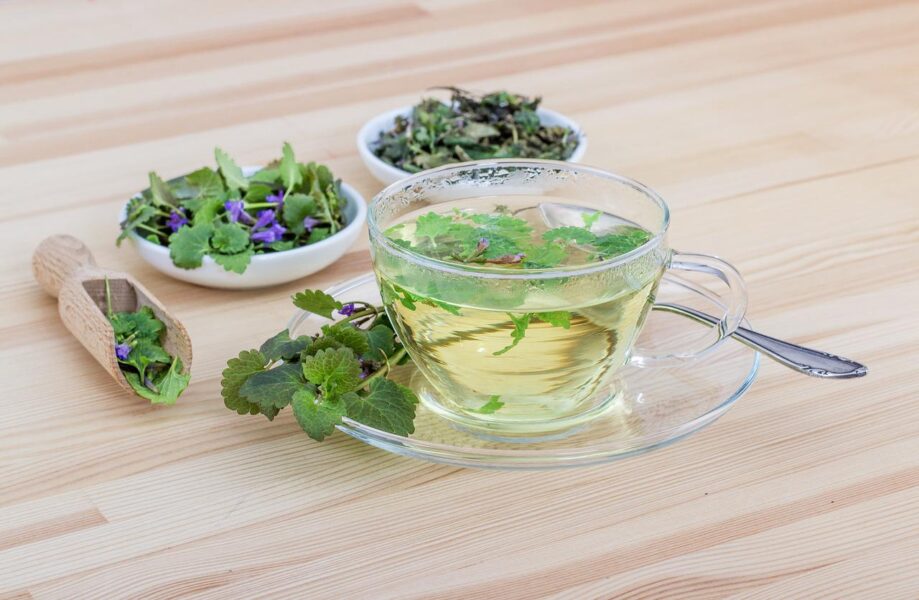
Certain herbal teas, such as peppermint, chamomile or ginger, possess natural laxative properties that can help relieve constipation. Sipping on these teas throughout the day may provide relief.
6 Flaxseed.
Incorporating ground flaxseed into your diet can be beneficial due to its high fiber content. Sprinkling it on cereals, yogurt or blending it into smoothies can help to ease constipation.
7 Magnesium Rich Foods.
Consuming magnesium-rich foods, like leafy greens, nuts, seeds and whole grains, can help to relax the muscles in the intestines and promote regular bowel movements.
8 Aloe vera Juice.
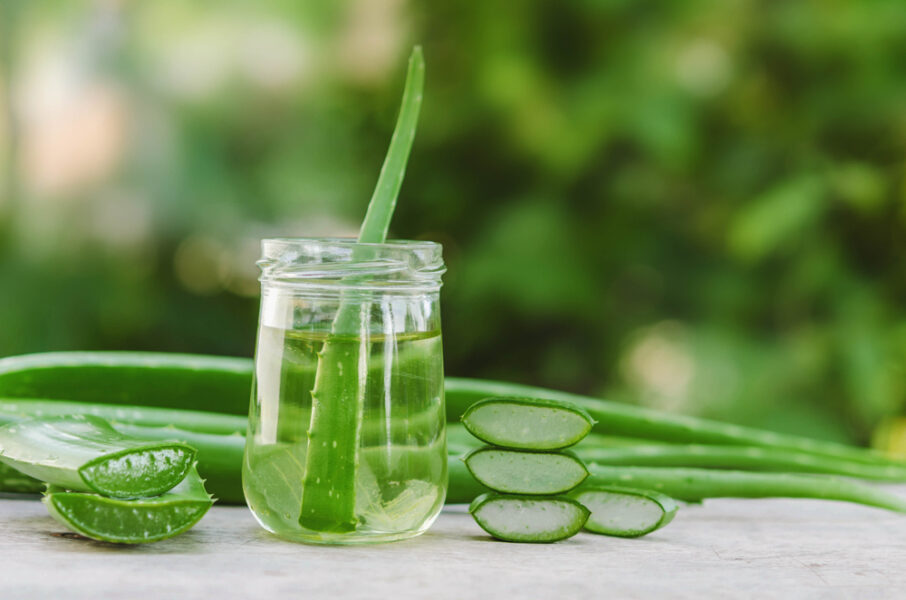
Drinking a small amount of aloe vera juice can help to stimulate the digestive system and alleviate constipation. However, it is essential to consult a healthcare professional before consuming aloe vera juice regularly.
9 Avoid Processed Foods.
Processed foods are often low in fiber and high in unhealthy fats, which can contribute to constipation. Opt for whole, unprocessed foods to maintain regular bowel movements.
10 Manage Stress Levels.
High levels of stress can disrupt the digestive system, leading to constipation. Engaging in stress-reducing activities like meditation, deep breathing exercises or pursuing hobbies can help to alleviate constipation symptoms.
Remember, if constipation persists or becomes a chronic issue, it is crucial to consult a healthcare professional for proper diagnosis and treatment.
Medication for Constipation.
One of the most commonly used medications for constipation is laxatives. Laxatives work by increasing the movement of the intestines, softening the stool or adding bulk to the stool to facilitate its passage.
There are several types of laxatives available, including bulk forming, osmotic, stimulant and stool softeners. Bulk forming laxatives, such as psyllium, methylcellulose or wheat dextrin, absorb water in the intestines, adding bulk to the stool and stimulating bowel movements.
Osmotic laxatives, such as polyethylene glycol or magnesium citrate, draw water into the intestines, softening the stool and promoting easier passage. Stimulant laxatives, like bisacodyl or senna, increase intestinal contractions to facilitate bowel movements. Stool softeners, such as docusate sodium help to moisten the stool, making it easier to pass.
Another medication commonly used for constipation is lubiprostone. Lubiprostone is a selective chloride channel activator that increases fluid secretion in the intestines, thereby promoting bowel movements. It is particularly effective for individuals with chronic idiopathic constipation or irritable bowel syndrome with constipation.
In some cases, prescription medications such as prucalopride or linaclotide may be prescribed. Prucalopride is a selective serotonin-4 (5-HT4) receptor agonist that enhances intestinal motility, while linaclotide is a guanylate cyclase-C agonist that increases fluid secretion and reduces pain associated with constipation.
| 💡 Tips FreakToFit.com It is important to note that while these medications can provide relief from constipation, they should be used under the guidance of a healthcare professional. The choice of medication depends on various factors, including the underlying cause of constipation, severity of symptoms, and individual patient characteristics. Additionally, it is essential to address the root causes of constipation and make necessary lifestyle changes to prevent recurrence and promote long-term bowel health. |
Treatments of Constipation.
Fortunately, there are various treatments available to relieve constipation and promote regular bowel movements. These treatments can be categorized into lifestyle modifications, over-the-counter remedies, and prescription medications.
1 Lifestyle Modifications.
- Increasing fiber intake: Consuming high fiber foods such as fruits, vegetables, whole grains and legumes can help to soften the stool and promote regular bowel movements.
- Drinking plenty of fluids: Staying hydrated by drinking an adequate amount of water and other non caffeinated beverages can prevent dehydration and facilitate proper digestion.
- Regular exercise: Engaging in physical activity stimulates bowel movements and enhances the overall functioning of the digestive system.
- Establishing a regular toilet routine: Trying to have a bowel movement at the same time each day can train the body to have more predictable and regular bowel movements.
- Stress management: Reducing stress levels through techniques like meditation, deep breathing exercises, or yoga can alleviate constipation caused by stress or anxiety.
2 Over-the-Counter Remedies.
- Fiber supplements: Products like psyllium husk or methylcellulose can be taken to increase fiber intake and promote regular bowel movements.
- Osmotic laxatives: These medications, such as polyethylene glycol or lactulose, work by pulling water into the intestines, softening the stool and facilitating its passage.
- Stimulant laxatives: Medications like bisacodyl or senna stimulate the muscles of the intestines, encouraging bowel movements.
3 Prescription Medications.
Prescription-strength laxatives: If over-the-counter remedies do not provide sufficient relief, a healthcare professional may prescribe stronger osmotic or stimulant laxatives.
Lubricants: These medications, like mineral oil, coat the stool, making it easier to pass.
Prokinetic agents: These medications, such as prucalopride or tegaserod, enhance gut motility, helping move the stool through the intestines more effectively.
| 💡 Tips FreakToFit.com It is important to note that self diagnosis and self medication are not recommended for chronic or severe constipation. Individuals experiencing persistent constipation or underlying medical conditions should consult a healthcare professional for an accurate diagnosis and appropriate treatment plan. |
Bottom Line.
Constipation can be an uncomfortable and frustrating experience. However, by making some simple lifestyle changes and incorporating natural remedies into your routine, you can relieve constipation naturally. Eating a fiber rich diet, staying hydrated, exercising regularly and trying natural remedies such as prunes, flaxseed and herbal teas can all help to alleviate constipation. It is important to note that if constipation persists or is accompanied by severe pain or bleeding, it is important to seek medical attention. By taking care of your digestive health, you can improve your overall wellbeing and quality of life.