











































 Workout

 Meditation


 Podcast
 E-book


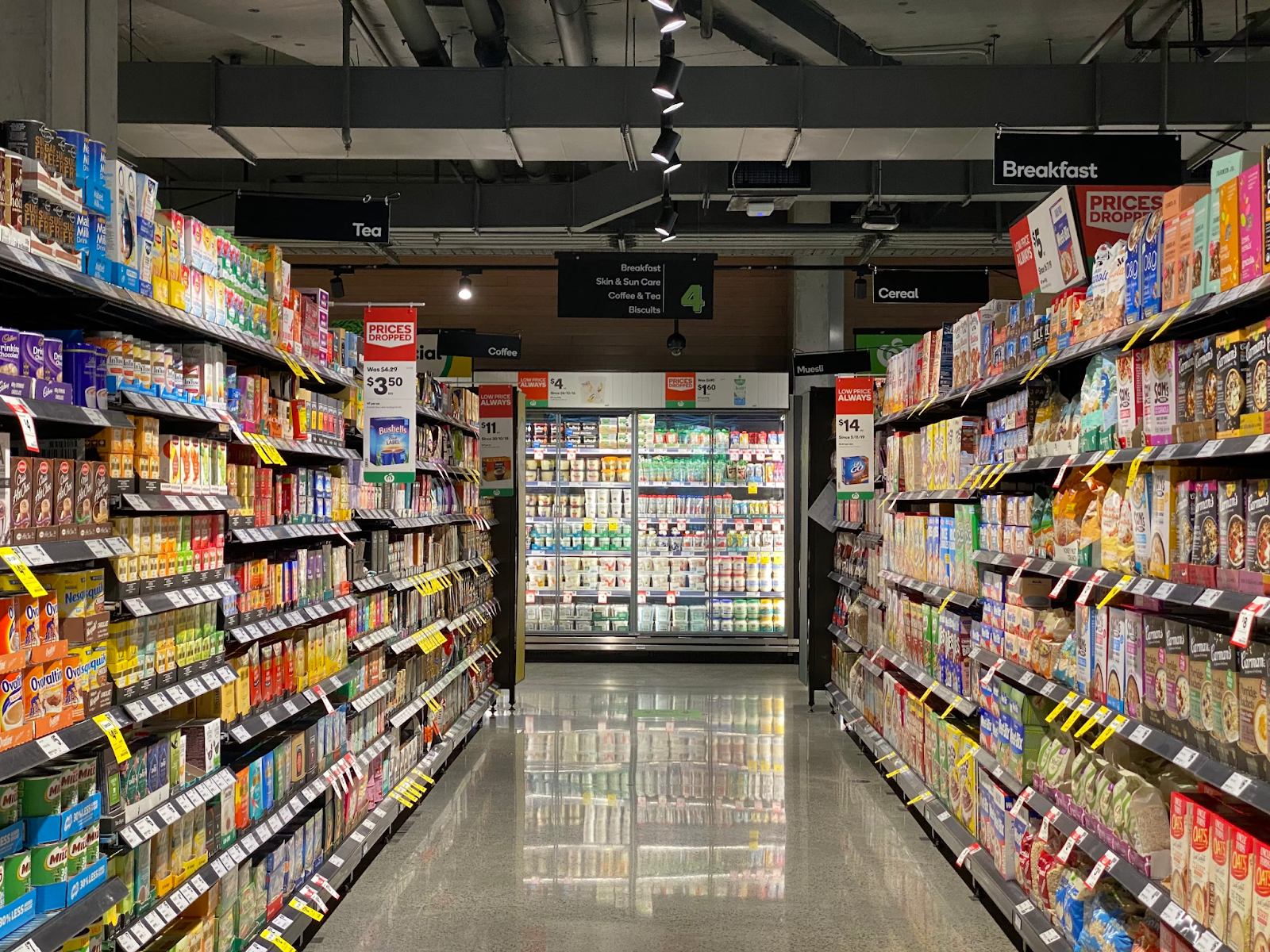
The nutrition label maker has made it possible for businesses of all sizes to compete on a level ground, given that it is accessible to all, easy to use, and regulatory compliant. Anyone operating in the food space can benefit from leveraging automated tools for regulatory compliance in nutrition labeling. And the best bit about these new labeling solutions is that most do not have a usage threshold or limit. One can use them for a single recipe or for thousands of recipes. Below, we’ll look at the revolutionary ways automated label makers are helping businesses stay compliant.
Use Reliable USDA Nutrient Database.
Many leading nutrition facts label generators rely on the U.S. Department of Agriculture’s FoodData Central, which offers nutrient profile data on diverse foods and food products. FoodData Central provides five data types, namely:
Foundation Foods.
This data type gives results of food component analyses, the underlying metadata, and factors that cause variability in food component and nutrient profiles.
Experimental Foods.
Experimental Foods analysis focuses on data about foods produced or studied under special conditions and how these unique factors affect nutrient profiles. This data type is mainly for research.
Related Stories
 Subway Sandwich Nutrition Calculator – Know the Calories Before You Order
 Think Washing Chicken Is Safe? Here’s Why It’s Actually Dangerous for Your Health
Food and Nutrient Database for Dietary Studies 2019-2020 (FNDDS 2019-2020).
FNDDS provides nutrient profiles for foods and beverages listed in What We Eat in America (WWEIA). WWEIA, part of the National Health and Nutrition Examination Survey (NHANES), is a database of dietary intake as volunteered by survey participants.
USDA Global Branded Food Products Database.
Branded Foods data type highlights nutrient values as they appear on branded foods and private-label food products.
National Nutrient Database for Standard Reference Legacy Release (SR Legacy).
SR Legacy provides an extensive list of food component values using nutrients from analyses, published literature, and imputations.
Most labeling companies also work with nutritionists who validate the nutrient information the tool generates and verify that the data is error-free. By using this software, businesses can be sure of getting the most accurate nutrient information about the ingredients they use to make their products.
Allow Users to Create Validated Personal Databases.
Businesses that use unique recipes may find that some of their recipe ingredients are not in the automated labels generator. Most tools allow users to add their own ingredients, creating a personalized database. Usually, a nutritionist verifies the newly added ingredient’s profile to ensure the nutrient values are correct. This personalization feature ensures that any new product meets all nutrition labeling requirements before being released to the customer.
Are Customized for Different Markets.
With many automated label makers, users can customize labels for different markets and customer segments. For example, a business that wishes to sell products in Canada can customize the label to meet all Canadian labeling regulations.
Likewise, products for children and pregnant or lactating mothers may require a different label format than the labels used for the general population. The label generator tool has all these options built-in, so the user only needs to choose the correct option from the supported label formats.
Minimizes Errors and Cost.
Automated label makers analyze ingredient variations within different recipes of the same product, generating far more accurate data for different varieties of the same product. If the producer switches up a recipe, they only need to edit the old recipe they uploaded on the generator tool. They can enter the new ingredients and specify the quantities or remove ingredients. The label generator will then compute the nutrient value of the added ingredients and update the label with the new values.
Laboratory analyses do not offer the same level of flexibility. One would need to send a food sample for every product variety, where the analyzed data only applies to the tested batch. If the producer makes a slight recipe change, they should send a new sample to the laboratory for analysis. It’s a lengthy, time-consuming, and expensive process compared to data analysis using an automated nutrition facts label generator.
Are Allergen Declaration Compliant.
The U.S. Food and Drug Administration (FDA) guidelines on food allergens demand that businesses declare any allergens in their product. FDA requires allergen labeling for all nine major food allergens, which account for more than 90% of food allergies and allergic reactions in the U.S. These are:
- Milk
- Eggs
- Fish
- Shellfish
- Wheat
- Tree nuts
- Peanuts
- Soybeans
- Sesame.

Label generators generate information about potential allergens in any ingredient in the database. When a user enters a recipe or ingredient, the label maker automatically populates the allergen data associated with the ingredient. Labels generated have a declaration of the allergens’ food sources as required by law, protecting businesses and individuals in the food business space from regulatory action.
Bottom Line.
Using a nutrition facts label maker is an easy, cost-effective way of ensuring labeling regulatory compliance for any business. The tool pulls data from government-approved databases to ensure accuracy in the nutrient values it generates. It also has built-in features to tailor labels to different markets and market needs.