












































 Workout

 Meditation


 Podcast
 E-book


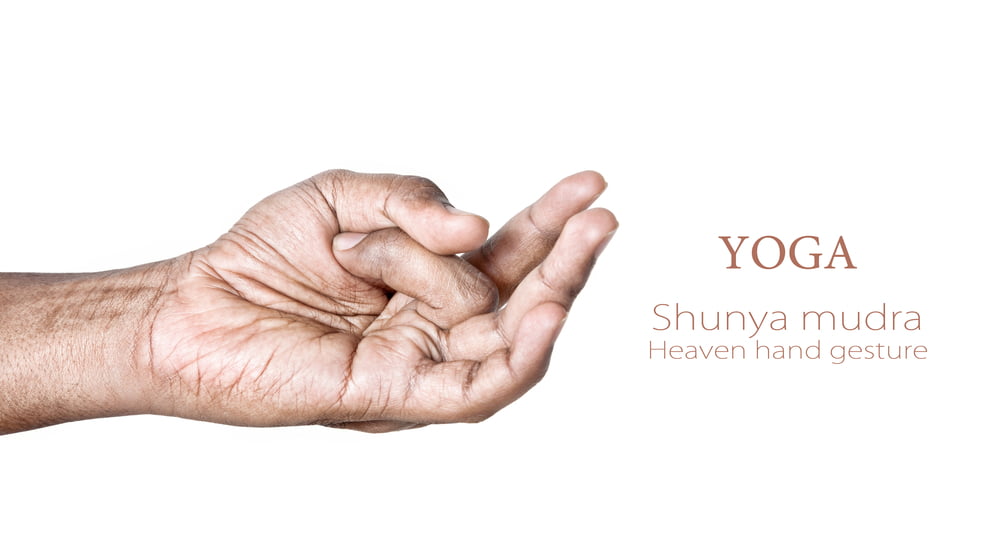
The Shunya Mudra, also known as the “Gesture of Emptiness,” is a symbolic hand gesture in yoga and meditation practices. This mudra is believed to have numerous benefits for both the mind and body, making it a popular choice amongst practitioners. In this article, we will explore the various benefits of Shunya Mudra, its potential side effects, how to perform it correctly and the necessary precautions to take while practicing it. Whether you are a beginner or a seasoned yogi, understanding the intricacies of this mudra can enhance your overall wellbeing and spiritual journey.
benefits of Shunya mudra.
Here are some of the key advantages of practicing Shunya Mudra:
1 Shunya mudra for hearing loss.
The primary benefit of Shunya Mudra is its potential to alleviate ear related problems such as tinnitus, earaches and hearing loss. By activating specific energy channels in the hand this mudra helps to balance the energy flow to the ears, promoting their overall health and wellbeing.
2 Improved Concentration and Mental Clarity.
Regular practice of Shunya Mudra is believed to enhance concentration and mental clarity. This mudra stimulates the brain and activates specific nerve endings in the hand, which can help to improve focus, memory and cognitive function.
Related Stories
 Harnessing the Power of the Falling Star Pose
 7 Spectacular Yoga Poses To Improve Digestion
3 Alleviation of Vertigo and Dizziness.
Shunya Mudra is known to be beneficial in reducing vertigo and dizziness. By harmonizing the elements within the body, particularly the space element, this mudra helps to restore balance and stability, thereby minimizing these symptoms.
4 Calming and Relaxing Effect.
Engaging in Shunya Mudra can induce a sense of calmness and relaxation. This mudra is believed to soothe the mind, relieve stress and reduce anxiety. It helps to create a meditative state, allowing individuals to experience a deeper sense of tranquility and inner peace.
5 Enhanced Communication and Expression.
Shunya Mudra is also associated with improved communication and expression. As it activates the throat chakra, it can help individuals to articulate their thoughts and emotions more effectively. It is believed to facilitate better self expression and strengthen the power of speech.
6 Balancing of Energy Centers.

This mudra is known to balance the energy centers or chakras within the body, particularly the throat and ear chakras. By harmonizing the energy flow in these areas, Shunya Mudra promotes overall wellbeing and vitality.
7 Boosted Pranic Energy.
Regular practice of Shunya Mudra is believed to increase pranic energy or life force energy within the body. This can lead to enhanced vitality, improved immune function and overall physical wellbeing.
| 💡 Tips FreakToFit.com The practice of Shunya Mudra offers numerous benefits for the mind, body and spirit. From relieving ear related issues and improving concentration to promoting relaxation and balancing energy centers, this mudra serves as a powerful tool for enhancing overall health and wellbeing. |
Side Effects of shunya mudra.
It is crucial to understand these following potential side effects to ensure a safe and healthy practice:
1 Dizziness.
One of the most common side effects of the Shunya Mudra is dizziness. This can occur when the pressure applied by the thumb on the middle finger affects the blood circulation in the body. Individuals who experience dizziness while performing this mudra should immediately release the gesture and rest until the sensation subsides.
2 Headache.

In some cases, practicing the Shunya Mudra can lead to mild to moderate headaches. This may be due to the increased blood flow and energy circulation in the head region. If individuals experience persistent headaches during or after practicing this mudra, it is advisable to discontinue the gesture and consult a healthcare professional.
3 Fatigue.
The Shunya Mudra can also induce feelings of fatigue or tiredness. This may be a result of the energy shift and the body’s adjustment to the new flow. It is recommended to rest and allow the body to recover if fatigue becomes overwhelming.
4 Emotional Instability.
Another potential side effect of the Shunya Mudra is emotional instability. This mudra can stimulate energy centers in the body, which may lead to heightened emotions and sensitivity. Individuals may experience mood swings or increased emotional sensitivity during or after practicing this gesture. Practitioners should approach these emotions with self awareness and practice grounding techniques to maintain emotional balance.
5 Discomfort or Pain.
Improper execution of the Shunya Mudra can cause discomfort or pain in the fingers, hand or wrist. It is crucial to maintain a gentle and relaxed grip while performing this mudra to avoid any strain or injury. If discomfort persists, individuals should consult a yoga teacher or healthcare professional for guidance.
*Note. It is important to note that these side effects are not experienced by everyone, and many individuals practice the Shunya Mudra without any adverse effects. However, it is always recommended to listen to your body, practice mindfully and discontinue the gesture if any discomfort or side effects arise. Consulting a qualified yoga teacher or healthcare professional can provide further guidance on the safe and effective practice of the Shunya Mudra.
How to do shunya mudra?
Here is a step-by-step guide on how to perform Shunya Mudra:
1 Find a comfortable seated position.
Begin by sitting cross legged on a yoga mat or cushion. Ensure that your spine is straight, shoulders relaxed and palms facing upward on your thighs.
2 Relax your body and mind.
Take a few deep breaths and allow your body to relax. Let go of any tension or stress you may be holding onto. Cultivate a calm and focused state of mind.
3 Gently touch the tip of your middle finger to the base of your thumb.
Bring your right hand up and lightly touch the tip of your right middle finger to the base of your right thumb. The other fingers should remain extended and relaxed.
4 Maintain the mudra for a specific duration.
You can practice Shunya Mudra for as long as it feels comfortable for you. It is recommended to begin with 10 to 15 minutes and gradually increase the duration as you become more accustomed to the practice.
5 Focus on your breath and energy flow.
As you hold the mudra, bring your awareness to your breath. Observe the natural rhythm of your inhalations and exhalations. Visualize the energy flowing through your body, particularly in the region between your ears.
6 Experience the effects of Shunya Mudra.
Shunya Mudra is believed to have numerous benefits. It is said to help improve hearing and balance, alleviate ear related conditions such as tinnitus and enhance concentration and mental clarity. Additionally, practitioners claim that this mudra can aid in reducing anger, anxiety and stress.
7 Release the mudra.
When you are ready to conclude your practice, gently release the mudra by extending your fingers and allowing your hand to relax on your thigh.
| 💡 Tips FreakToFit.com Remember, consistency is key when it comes to reaping the benefits of Shunya Mudra. Incorporating this hand gesture into your daily routine can gradually enhance your overall wellbeing and inner balance. It is always advisable to consult with a qualified yoga teacher or instructor before starting any new practice. |
Precautions during shunya mudra.
Here are some precautions to consider when practicing Shunya mudra:
1 Warm up.
Before starting the mudra, it is essential to warm up your hands and fingers. Perform gentle wrist rotations, finger stretches and palm opening exercises to prepare the muscles and joints for the mudra.
2 Comfortable posture.
Sit in a comfortable, cross legged position or any other posture that allows you to relax and maintain stability. Ensure that your spine is upright, shoulders are relaxed and the body is well aligned.
3 Empty stomach.
It is best to practice Shunya mudra on an empty stomach or at least a few hours after a meal. Performing the mudra when the digestive system is active may lead to discomfort or interference with the digestion process.
4 Breath awareness.
Throughout the practice, maintain awareness of your breath. Breathe slowly, deeply and rhythmically, allowing the breath to flow naturally. Avoid holding your breath or straining while performing the mudra.
5 Gradual progression.
If you are new to Shunya mudra, start with a shorter duration, around 5 to 10 minutes and gradually increase the time as you become more comfortable and experienced. Avoid overexertion or pushing yourself beyond your limits.
6 Not during pregnancy.
Pregnant women should avoid practicing Shunya mudra as it involves applying pressure on certain points that could potentially stimulate contractions or affect the baby’s wellbeing. It is always advisable to consult with a healthcare professional before engaging in any new practices during pregnancy.
7 Injury or pain.
If you have any hand, wrist or arm injuries or experience pain while performing the mudra, it is wise to refrain from practicing until the injury or pain has healed. Pushing through discomfort can worsen the condition or lead to further complications.
8 Awareness of limitations.
Each individual has unique physical and mental limitations. It is crucial to be aware of your own limitations and not force yourself into any uncomfortable positions or exertions. Respect your body’s signals and adjust the practice accordingly.
9 Consultation.
If you have any pre existing medical conditions or concerns, it is advisable to consult with a healthcare professional or a qualified yoga instructor before incorporating Shunya mudra into your routine. They can provide guidance tailored to your specific needs and ensure your safety.
| 💡 Tips FreakToFit.com Remember, Shunya mudra should be practiced with a sense of mindfulness, patience, and respect for your body’s capabilities. By following these precautions, you can optimize the benefits of Shunya mudra while minimizing the risk of any adverse effects. |
Bottom Line.
The Shunya Mudra is a powerful hand gesture that holds great significance in the practice of yoga and meditation. By simply joining the middle finger with the thumb, one can tap into the energy of space and activate various benefits for the mind, body and spirit. This mudra is believed to enhance communication, relieve ear related ailments and promote mental clarity. Incorporating the Shunya Mudra into our daily routines can bring balance and harmony to our lives, allowing us to experience a deeper connection with ourselves and the universe. Whether practiced alone or in conjunction with other mudras, the Shunya Mudra holds the potential to unlock inner peace and foster overall wellbeing.