




































 Workout

 Meditation


 Podcast
 E-book


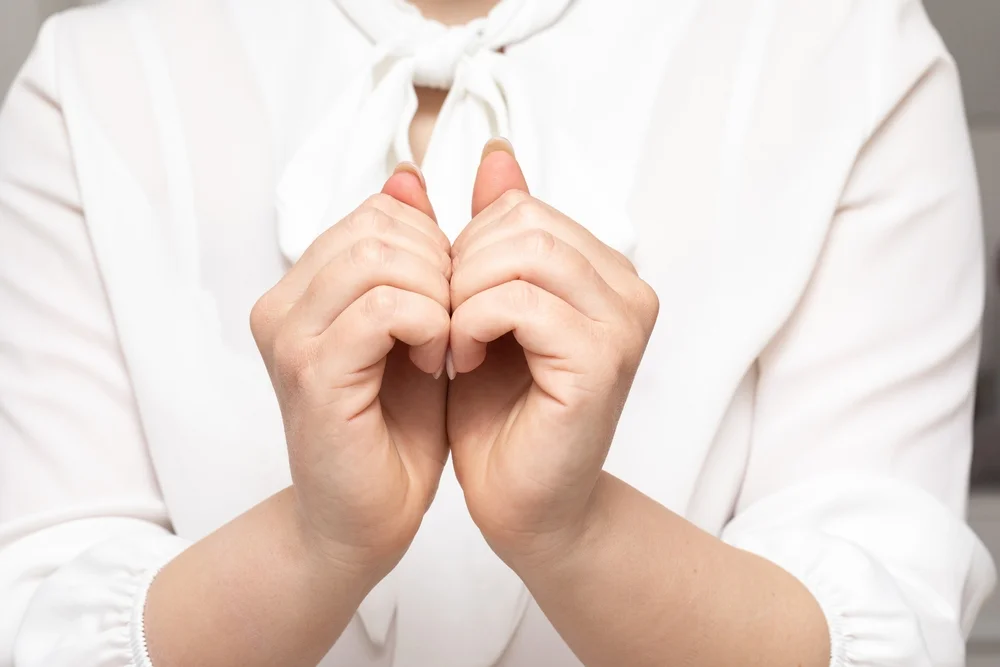
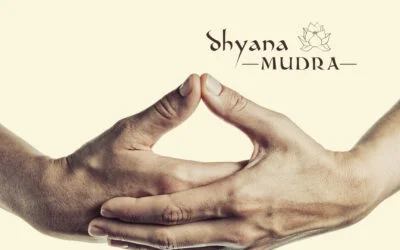
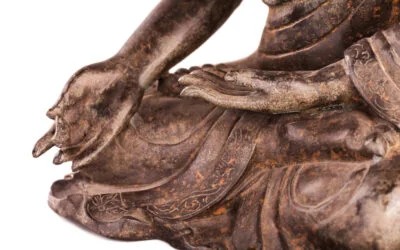
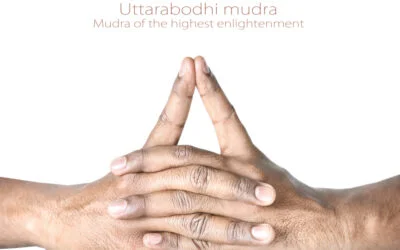
Prasanna mudra, also known as the gesture of tranquility or serenity, is a hand gesture commonly used in various forms of meditation, yoga, and spiritual practices. Derived from ancient Indian traditions, this mudra holds deep significance and is believed to bring a sense of calmness, peace, and inner harmony to the practitioner. The Prasanna mudra is easily recognizable by the joining of the hands with palms facing upward, fingers extended, and thumbs touching lightly.
Throughout history, this mudra has been utilized as a powerful tool for connecting with one’s higher self, finding balance in the midst of chaos, and cultivating a serene state of mind. In this article, we will explore the origins, symbolism, and benefits of the Prasanna mudra, shedding light on its significance in various spiritual and mindfulness practices.
Benefits of Prasanna mudra.
1 Calming the mind.
By bringing the hands together and focusing on the breath while practicing Prasanna mudra, one can experience a deep sense of calmness and tranquility. This gesture helps to quiet the mind, reduce stress, anxiety, and mental restlessness, promoting a state of inner peace and serenity.
2 Enhancing concentration.
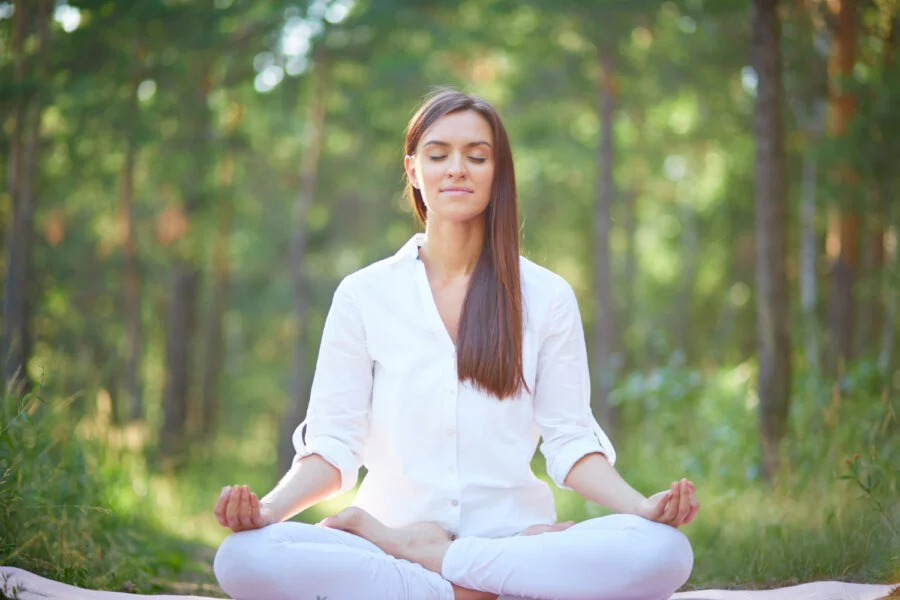
Prasanna mudra aids in improving concentration and mental clarity. By bringing the attention to the center of the chest, where the thumbs touch the sternum, this mudra helps to channelize the mind and direct the focus inward, allowing for enhanced mindfulness and improved concentration during meditation or any other mental activities.


3 Balancing energy flow.
According to the principles of Ayurveda and yoga, Prasanna mudra helps in harmonizing the flow of energy within the body. By joining the palms, the five elements represented by the fingers are brought together, promoting balance and equilibrium among these elements. This balanced energy flow revitalizes the body, enhances overall well-being, and promotes a sense of harmony.
4 Cultivating gratitude.
Prasanna mudra is often associated with expressing gratitude. By bringing the hands together at the heart center, this mudra symbolizes gratitude for oneself, others, and the universe. Regular practice of this mudra can help cultivate a sense of appreciation, gratitude, and contentment, leading to a more positive outlook on life.
5 Stimulating the heart chakra.
The heart chakra, also known as Anahata in Sanskrit, is associated with love, compassion, and emotional well-being. Prasanna mudra activates and stimulates this energy center, promoting emotional balance, compassion, and the ability to connect with oneself and others on a deeper level. This mudra helps open the heart and allows the energy of love to flow freely.
6 Improving digestion.
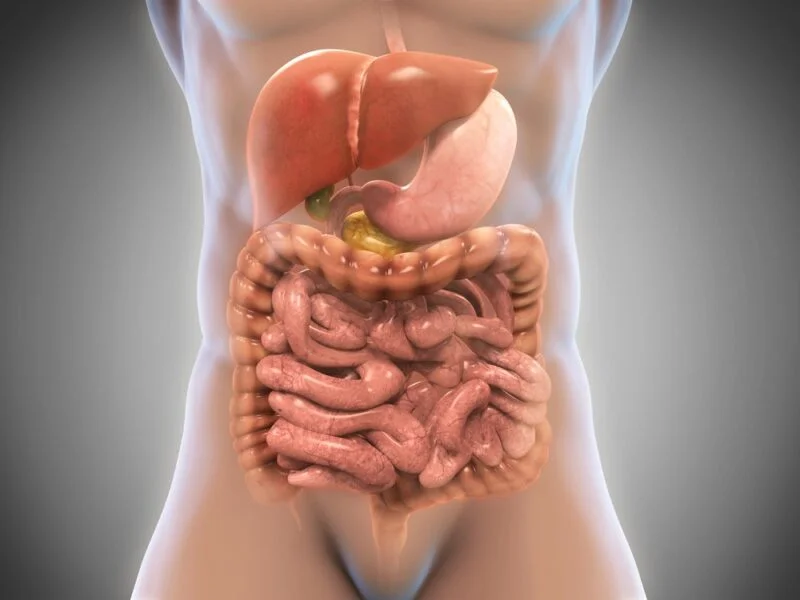
Prasanna mudra helps stimulate the digestive fire or Agni in the body. By activating the energy at the solar plexus, this mudra aids in improving digestion, promoting efficient nutrient absorption, and relieving digestive disorders.
7 Cultivating inner strength.
The act of bringing the hands together in Prasanna mudra symbolizes unifying the dualities within oneself and finding inner strength. This mudra promotes self-confidence, resilience, and the ability to face challenges with equanimity. It reminds us of our inherent divinity and the power we hold within ourselves.
| 💡 Tips FreakToFit.com Incorporating Prasanna mudra into your daily yoga or meditation practice can provide a multitude of benefits, helping you experience a deeper sense of peace, clarity, and overall well-being. |
How to do Prasanna mudra?
To perform Prasanna mudra, follow these steps:
1 Find a comfortable seated position: Sit on a yoga mat or cushion with your spine erect, shoulders relaxed, and hands resting on your thighs or knees.
2 Relax your entire body: Close your eyes gently and take a few deep breaths, allowing your body to relax and release any tension or stress.
3 Bring your hands together: Slowly bring both palms together in front of your heart center, ensuring that your fingers are pointing upwards.
4 Interlock your fingers: With your palms pressed together, interlock your fingers by crossing your thumbs over each other. Allow your thumbs to remain upright, pointing towards your chest.
5 Find a comfortable hand position: Adjust your hands if needed, ensuring that your fingers are relaxed and not strained. The pressure between your palms should be gentle and equal.
6 Align your wrists: Check that your wrists are in a straight line, parallel to the floor. Avoid bending your wrists upwards or downwards.
7 Relax your shoulders: Release any tension in your shoulders by gently rolling them back and down. This will help maintain an open chest and an upright posture.
8 Hold the mudra: Once you have found a comfortable position, hold the Prasanna mudra for a few minutes, or for as long as you feel comfortable. Allow yourself to connect with the energy of this gesture and cultivate a sense of tranquility.
9 Focus on your breath: While holding the mudra, bring your attention to your breath. Observe each inhalation and exhalation, allowing your breath to deepen and become more relaxed.
10 Cultivate a serene mindset: As you continue to practice Prasanna mudra, cultivate a serene mindset by letting go of any distracting thoughts or worries. Embrace a sense of peace and tranquility within yourself.
| 💡 Tips FreakToFit.com Remember, Prasanna mudra is not only a physical gesture but also a symbol of inner peace. By incorporating this mudra into your practice, you can enhance your meditation experience and promote a state of calmness and serenity in your daily life. |
Who can do Prasanna mudra?
Prasanna mudra can be practiced by anyone regardless of age, gender, or physical ability. This hand gesture is often employed during meditation or yoga practices to promote a sense of calmness, tranquility, and inner peace. It involves bringing the hands together at the chest level with the palms facing each other, while keeping the fingers extended and gently touching.
Prasanna mudra is a simple yet powerful gesture that can be performed by individuals seeking to find balance, reduce stress, and connect with their inner selves. Whether you are a beginner or an experienced practitioner, anyone can benefit from incorporating Prasanna mudra into their mindful practices.
Who should avoid Prasanna mudra?
Prasanna mudra is generally safe and beneficial for most individuals, there are certain groups of people who should exercise caution or avoid it altogether. Those with hypertension or high blood pressure should avoid Prasanna mudra, as it may increase blood flow to the head and potentially worsen their condition.
Additionally, individuals with any hand or wrist injuries should refrain from practicing this mudra, as it involves specific hand movements that may cause discomfort or exacerbate their injury. It is always advisable to consult with a healthcare professional or an experienced yoga teacher before engaging in new practices, especially if one has specific health concerns.
What is the best time to do Prasanna mudra?
The best time to practice Prasanna mudra is during meditation or any quiet, introspective activity. It is also beneficial to practice this mudra when feeling stressed, anxious, or overwhelmed, as it can help to alleviate these negative emotions and promote a state of serenity and balance.
Bottom Line.
Prasanna mudra is a powerful hand gesture that holds significant meaning in various spiritual practices. It symbolizes inner peace, harmony, and tranquility, allowing individuals to connect with their inner selves and achieve a state of calmness. By incorporating this gesture into our daily lives, we can cultivate a positive mindset, reduce stress, and improve overall well-being. Prasanna mudra serves as a reminder to embrace serenity and approach life with a peaceful and open heart.