










































 Workout

 Meditation


 Podcast
 E-book


AT A GLANCE
- While a massage is generally considered to be a beneficial and rejuvenating experience, understanding the causes behind post-massage headaches and learning how to alleviate them is essential for a positive and satisfactory massage experience.
- In this article, we will explore the potential reasons behind headaches after a massage session and discuss effective methods to alleviate or prevent them, ensuring a more enjoyable and headache-free massage experience for all.
- If you have a pre-existing headache condition, such as migraines or tension headaches, a massage might inadvertently trigger or worsen your symptoms.

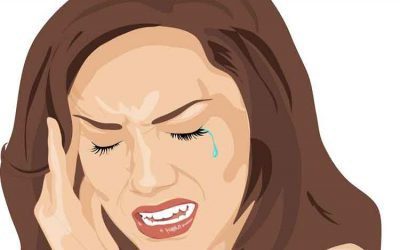
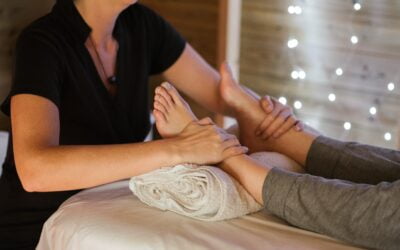
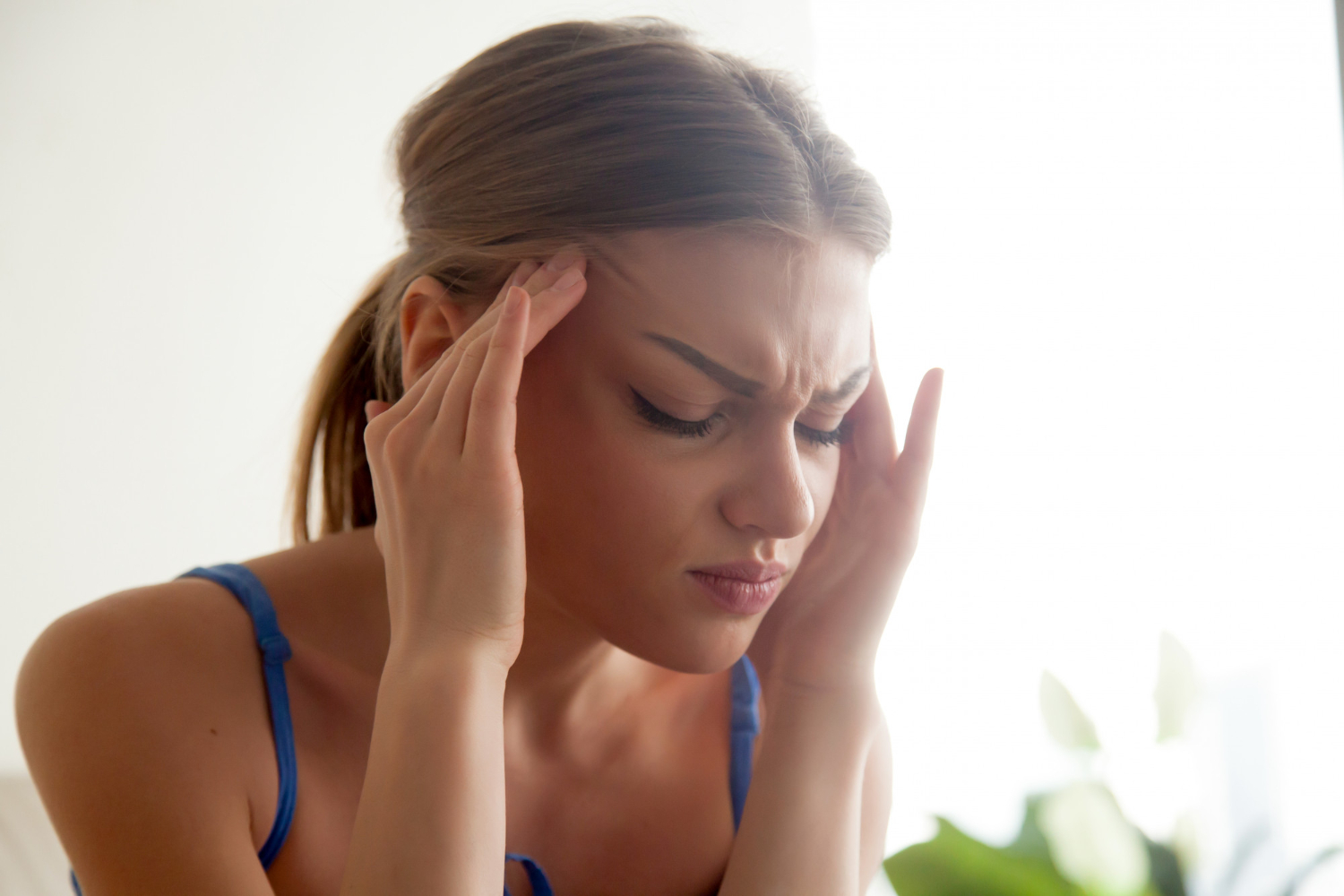
Massage therapy is often sought after as a means to relax and relieve tension in the body. However, in some cases, individuals may experience a headache after receiving a massage, which can be quite discomforting and confusing.
While a massage is generally considered to be a beneficial and rejuvenating experience, understanding the causes behind post-massage headaches and learning how to alleviate them is essential for a positive and satisfactory massage experience.
In this article, we will explore the potential reasons behind headaches after a massage session and discuss effective methods to alleviate or prevent them, ensuring a more enjoyable and headache-free massage experience for all.
Related Stories
 Are Diaper Sizes Universal? How to Find the Perfect Fit Across Brands
 How Effective Is Covishield Against Omicron Variant?
why do I get a headache after a massage?
There are several possible explanations as to why you may experience a headache after a massage. It is important to note that while massage therapy is generally considered safe and beneficial for most individuals, occasional adverse reactions can occur. Here are a few potential reasons behind post-massage headaches:
1 Dehydration.
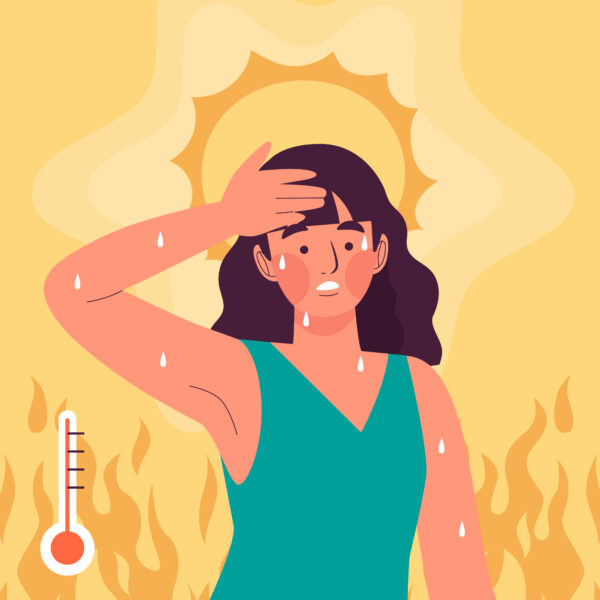
During a massage, various techniques are applied to manipulate the body’s soft tissues, which can lead to increased blood circulation and metabolic activity. This enhanced activity may result in dehydration, especially if you did not consume enough water before or after the session. Dehydration can trigger headaches as it affects the volume and pressure of the blood flowing to the brain.
2 Muscle tension release.
Massages often aim to alleviate muscle tension, knots, or trigger points. When these tight areas are worked on, it can lead to the release of toxins that were stored in the muscles. The sudden release of these toxins, such as lactic acid, can cause temporary discomfort, including headaches. This reaction is commonly referred to as a “healing crisis.”
3 Positioning during the massage.
Depending on the techniques used and your body’s response, certain positions during the massage might strain your neck, shoulders, or head. This strain can potentially trigger tension headaches or exacerbate existing headache conditions.
4 Sensitivity to touch or pressure.
Some individuals may have a heightened sensitivity to touch or pressure. Even a gentle massage might induce headaches in these cases. Communicating your preferences and sensitivities to the massage therapist beforehand can help prevent such discomfort.
5 Pre-existing conditions.
If you have a pre-existing headache condition, such as migraines or tension headaches, a massage might inadvertently trigger or worsen your symptoms. It is crucial to inform your massage therapist about any existing medical conditions, including headache disorders, to ensure they can tailor the massage accordingly.
6 Stress Relief.
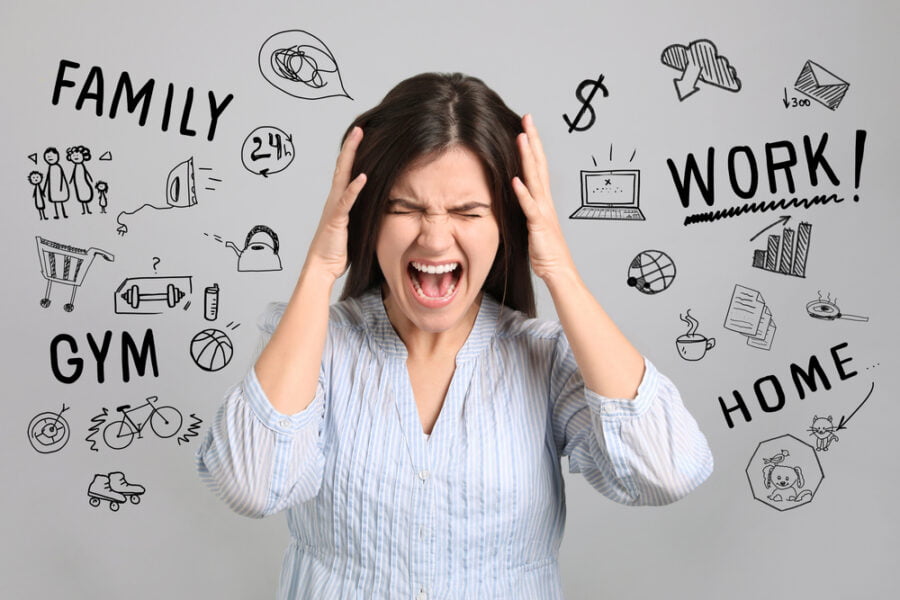
Massage therapy is known for its ability to calm the body and mind, reducing stress and anxiety. However, the sudden relaxation response triggered by the massage may cause headaches in some individuals. This reaction is often temporary and should subside with time.
| 💡 Tips FreakToFit.com It is important to consult with a healthcare professional if you frequently experience headaches after massages or if the headaches persist for an extended period. They can help identify any underlying causes or provide guidance on managing or preventing post-massage headaches. |
how to get rid of a headache after a massage?
After a relaxing massage, it can be quite disheartening to find yourself dealing with a headache. However, there are several effective ways to alleviate this discomfort and restore tranquility to your post-massage experience. Here are some useful tips on how to get rid of a headache after a massage:
1 Stay Hydrated.

One common cause of post-massage headaches is dehydration. Drinking plenty of water before and after your massage session helps to flush out toxins released during the massage, reducing the likelihood of experiencing a headache. Adequate hydration also promotes overall relaxation and well-being.
2 Rest in a Calm Environment.
Following your massage, find a quiet and peaceful space to relax. Dim the lights, minimize noise, and lie down in a comfortable position. This serene environment will help soothe your senses and alleviate any stress that might contribute to your headache.
3 Apply a Cold Compress.
If your headache persists, applying a cold compress to your forehead or the back of your neck can provide immediate relief. The cold temperature helps constrict blood vessels, thereby reducing inflammation and easing any tension-related discomfort.
4 Practice Deep Breathing and Relaxation Techniques.
Taking slow, deep breaths and engaging in relaxation techniques, such as progressive muscle relaxation or guided meditation, can help calm your mind and alleviate headache symptoms. These practices promote relaxation, reduce stress levels, and enhance overall well-being.
5 Avoid Stimulants.
After a massage, it is advisable to avoid consuming stimulants such as caffeine, alcohol, and nicotine, as they can potentially amplify headache symptoms. Opt for herbal tea or water instead, allowing your body to fully relax and recover.
6 Gentle Neck Stretches.
Tension in the neck and shoulder area can often contribute to headaches. Perform gentle neck stretches and shoulder rolls to relieve muscle tension and improve blood circulation. This can be particularly beneficial if your headache is localized in these areas.
7 Consider an Over-the-Counter Pain Reliever.
If your headache persists or becomes severe, you may consider taking an over-the-counter pain reliever such as ibuprofen or acetaminophen. However, it is always advisable to consult with a healthcare professional before taking any medication.
8 Communicate with Your Massage Therapist.
If you consistently experience headaches after receiving massages, it is essential to communicate this issue to your massage therapist. They can adjust their techniques, avoid certain pressure points, or use different oils to help minimize the likelihood of post-massage headaches.
| 💡 Tips FreakToFit.com Remember, headaches after a massage are relatively common and often subside on their own within a few hours or a day. By following these tips and implementing self-care practices, you can effectively manage and alleviate post-massage headaches, allowing yourself to fully enjoy the benefits of your massage experience. |
Bottom Line.
Experiencing a headache after a massage is relatively common and can occur due to various reasons. It is important to understand that a headache following a massage does not necessarily indicate a negative experience or ineffective treatment.
In many cases, it could be a result of the body’s response to the release of toxins or tension during the massage. Additionally, certain techniques or the pressure applied during the massage might have triggered a headache in individuals who are more susceptible to such reactions.
However, it is essential to communicate any discomfort or concerns with the massage therapist to ensure a tailored and appropriate treatment. Moreover, proper hydration, rest, and engaging in relaxation techniques post-massage can help alleviate or prevent headaches.
If the headaches persist or worsen, seeking medical advice is recommended to rule out any underlying health conditions. Overall, understanding the potential causes and taking proactive steps can help manage and mitigate headaches post-massage, allowing individuals to fully reap the benefits of this therapeutic practice.