











































 Workout

 Meditation


 Podcast
 E-book


The Fast Facts
- In this blog post, we will delve into the importance of the spine, explore common problems, and provide practical tips on how to maintain a healthy spine for a pain-free life.
- Adopting a healthy diet and engaging in regular physical activity can help you maintain a healthy weight, reducing the burden on your spine.
- Align your ears, shoulders, and hips in a straight line, and avoid slouching or excessive rounding of the spine.

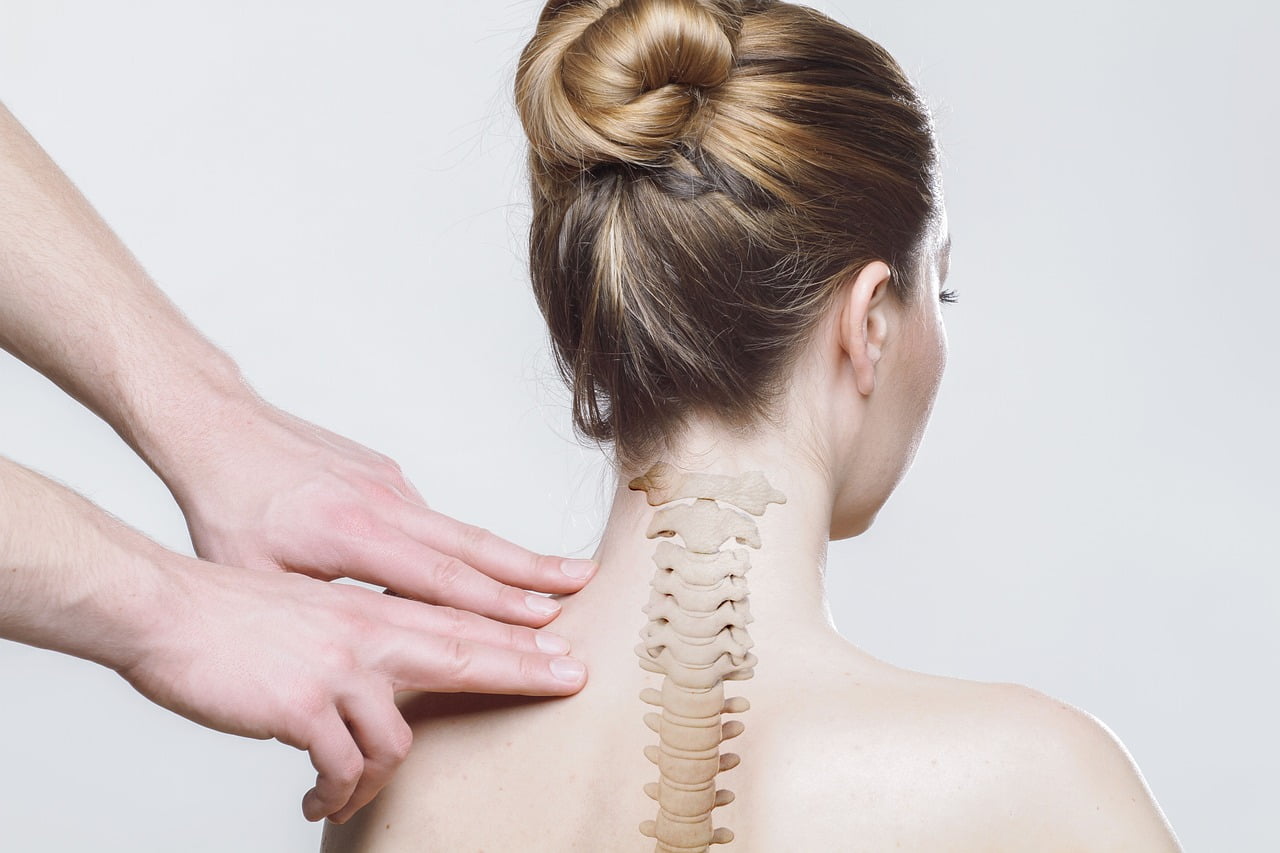
Our spine is an incredible structure that serves as the backbone of our bodies, quite literally. It provides support, stability, and flexibility, enabling us to stand, walk, and perform various activities. However, due to modern lifestyles, many people experience spine-related issues, such as back pain and postural problems. In this blog post, we will delve into the importance of the spine, explore common problems, and provide practical tips on how to maintain a healthy spine for a pain-free life.
Understanding the Importance of the Spine.
The spine, also known as the vertebral column, is composed of 33 individual bones called vertebrae, stacked on top of one another. It plays a vital role in our overall well-being by performing several crucial functions:
Structural Support: The spine supports the weight of our body, allowing us to maintain an upright posture. It provides stability and balance, distributing the load evenly across our skeletal system.
Related Stories
 Why Are My Nails Growing So Fast? 10 Possible Reasons
 The Truth About Vibrators and Infertility: Separating Health Fact from Fiction
Protection: The spinal column safeguards the delicate spinal cord, which is responsible for transmitting signals between the brain and the rest of the body. The vertebrae act as a protective shield, reducing the risk of spinal cord injury.
Flexibility and Range of Motion: The spine’s intricate design allows for a wide range of movements, including bending, twisting, and stretching. This flexibility is crucial for performing everyday activities and engaging in physical exercise.
Shock Absorption: The spine acts as a shock absorber, reducing the impact and stress on our joints and discs. It helps prevent excessive wear and tear on these structures, decreasing the risk of degenerative conditions like osteoarthritis.
Common Spine-related Problems.
Unfortunately, due to various factors, our spines can be prone to problems that can affect our quality of life. Here are some common spine-related issues:
Back Pain: One of the most prevalent complaints, back pain can occur due to muscle strains, poor posture, herniated discs, spinal stenosis, or other underlying conditions. It can be acute or chronic and can significantly impact daily activities.
Poor Posture: Sedentary lifestyles, long hours spent sitting at desks, and excessive use of electronic devices contribute to poor posture. Slouching, hunching over, and rounded shoulders can lead to back pain and spinal misalignment.
Disc Degeneration: The discs between our vertebrae act as cushions, providing flexibility and shock absorption. Over time, these discs can degenerate, leading to conditions like herniated discs, bulging discs, or spinal disc degeneration.
Scoliosis: Scoliosis is a condition which is characterized by an abnormal curvature of the spine. It can develop during growth spurts in childhood or adolescence and may cause discomfort, uneven shoulders, or an asymmetrical appearance.
Tips for Maintaining a Healthy Spine.
Practice Good Posture: Maintain proper posture while sitting, standing, and walking. Align your ears, shoulders, and hips in a straight line, and avoid slouching or excessive rounding of the spine. Consider using ergonomic chairs and desks to support your back while working.
Stay Active: Regular exercise is essential for a healthy spine. Engage in activities that promote strength, flexibility, and cardiovascular fitness, such as walking, swimming, yoga, or Pilates. Strengthening the core muscles can provide additional support for the spine.
Lift with Care: While lifting heavy objects, use proper lifting techniques or ways to avoid straining your back. Bend at the knees, keep your back straight, and use your leg muscles to lift the load. Avoid twisting your spine while lifting.
Maintain a Healthy Weight: Excess weight can put added strain on your spine, increasing the risk of back pain and spinal issues. Adopting a healthy diet and engaging in regular physical activity can help you maintain a healthy weight, reducing the burden on your spine.
Practice Ergonomics: Whether at work or at home, ensure that your environment is ergonomically friendly. Use chairs and desks that provide proper support and promote good posture. Adjust your computer screen to eye level, use a supportive pillow while sleeping, and avoid prolonged periods of sitting or standing in one position.
Take Breaks and Stretch: If you have a sedentary job or engage in activities that require prolonged sitting or standing, take regular breaks to stretch and move around. Incorporate stretching exercises into your routine to improve flexibility and relieve muscle tension in your back.
Lift and Carry Items Correctly: When lifting heavy objects, remember to use your legs instead of your back. Bend at the knees, keep the object close to your body, and avoid twisting or jerking motions. Consider using assistive devices or asking for help when dealing with particularly heavy or bulky items.
Sleep on a Supportive Mattress and Pillow: Your sleeping surface plays a significant role in spinal health. Choose a mattress and pillow that provide adequate support and alignment for your spine. It’s recommended to sleep on your back or side rather than on your stomach to maintain a neutral spinal position.
Quit Smoking: Smoking has been linked to an increased risk of back pain and degenerative spine conditions. Smoking reduces blood flow to the spinal discs, impairing their ability to heal and recover. Quitting smoking can improve spinal health and overall well-being.
Practice Stress Management: Chronic stress can lead to muscle tension and increased susceptibility to back pain. Incorporate stress-management techniques into your daily routine, such as meditation, deep breathing exercises, or engaging in activities you enjoy. Stress reduction can positively impact your spine’s health.
Regular Check-ups and Maintenance: Just like any other part of your body, your spine requires regular check-ups. Schedule routine visits with a chiropractor, physical therapist, or orthopaedic specialist to assess your spinal health and address any underlying issues promptly. They can also give you a massage you help relieve tension and show you to decompress your spine with a foam roller or other methods.
Bottom Line.
Caring for your spine is crucial for maintaining a healthy and pain-free life. By understanding the importance of the spine, being aware of common problems, and implementing practical tips for spinal health, you can significantly reduce the risk of back pain and related issues. Remember to prioritize good posture, engage in regular exercise, maintain a healthy weight, and seek professional help when needed. By nurturing your spine, you’re investing in a stronger, more resilient body that can support you throughout your life journey.