












































 Workout

 Meditation


 Podcast
 E-book



The Fast Facts
- ComRemember, it’s always essential to choose a protein powder that aligns with your health goals and consult with a healthcare professional or registered dietitian before making any significant dietary changes.
- Protein powders can be incorporated into a wide range of recipes, such as protein pancakes, protein bars, or protein-infused baked goods.
- Protein powder is an easy way to get more protein, which is essential for building muscle and maintaining good health.

Protein powder is an important supplement for people who are looking to stay fit and healthy. It helps to build muscle, aid in recovery from workouts, and can even help with weight loss. Protein powder is an easy way to get more protein, which is essential for building muscle and maintaining good health. For those who are serious about their workout regimen, protein powder can be an invaluable addition to their diet. In this article, we will discuss why do workout people have protein powders and the benefits that come with it.
benefits of protein powders for workout people.
Protein powders have gained immense popularity in recent years due to their convenience and ability to support various health and fitness goals. Here are ten benefits of incorporating protein powders into your diet:
1 Muscle growth and repair.
Protein is one of the most important macronutrient for building and repairing muscles. Protein powders provide a concentrated source of high-quality protein, making them ideal for individuals looking to enhance their muscle growth and recovery.
Related Stories
 Benefits of Green Coffee, Recipe and Side Effects
 Barberry Bush: Benefits and Side Effects
2 Weight management.
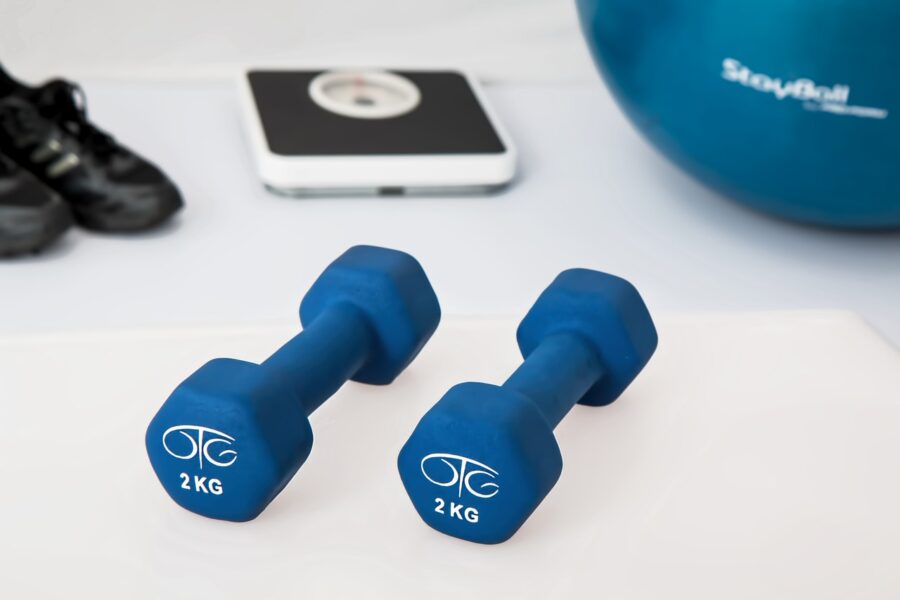
Protein is known to promote feelings of fullness and reducing appetite, which can aid in weight management. Incorporating protein powders into your diet can help curb cravings, prevent overeating, and support a healthy metabolism.(1)
3 Convenient source of nutrition.
Protein powders are quick and easy to prepare, making them a convenient option for individuals with busy schedules. They can be easily mixed with water, milk, or blended into smoothies, providing a fast and hassle-free way to meet your daily protein requirements.
4 Increased satiety.
Protein takes longer to digest compared to carbohydrates, which helps you stay fuller for longer. By adding protein powder to your meals or snacks, you can promote satiety and reduce the likelihood of unhealthy snacking.
5 Improved athletic performance.
Protein powders are widely used by athletes and fitness enthusiasts to support performance and recovery. They can enhance muscle strength, endurance, and overall exercise capacity, allowing you to maximize your workout potential.
6 Enhanced post-workout recovery.
Intense exercise can cause muscle damage, and protein is essential for repairing and rebuilding these tissues. Consuming protein powder immediately after a workout can speed up the recovery process, reduce muscle soreness, and improve overall exercise adaptation.
7 Nutrient-dense supplementation.

Protein powders often contain a range of essential nutrients and amino acids, providing a concentrated source of nutrition. This can be particularly beneficial for individuals with restricted diets or those who struggle to meet their daily nutritional requirements.
8 Supports a healthy immune system.
Protein is a vital component of the immune system, helping to produce antibodies and enzymes that fight off infections. Adequate protein intake, which can be easily achieved through protein powders, is essential for maintaining a strong immune system.
9 Suitable for specific dietary needs.
Protein powders come in various types, including whey, casein, soy, and plant-based options, making them suitable for different dietary preferences or restrictions. Whether you’re vegetarian, vegan, lactose intolerant, or have other dietary restrictions, there’s a protein powder available to meet your needs.
10 Versatility in recipes.
Protein powders can be incorporated into a wide range of recipes, such as protein pancakes, protein bars, or protein-infused baked goods. This versatility allows you to enjoy the benefits of protein while also adding flavor and variety to your meals.
| 💡 Tips FreakToFit.com Remember, it’s always essential to choose a protein powder that aligns with your health goals and consult with a healthcare professional or registered dietitian before making any significant dietary changes. |
Side Effects of Protein Powders for workout people.
Protein powders have gained immense popularity among workout enthusiasts due to their ability to support muscle growth and aid in recovery. However, it is important to be aware of the potential side effects that may arise from consuming these supplements. While protein powders are generally considered safe, they can have certain drawbacks for individuals who rely heavily on them in their fitness routines. Here are some possible side effects of protein powders for workout people:
1 Digestive issues.
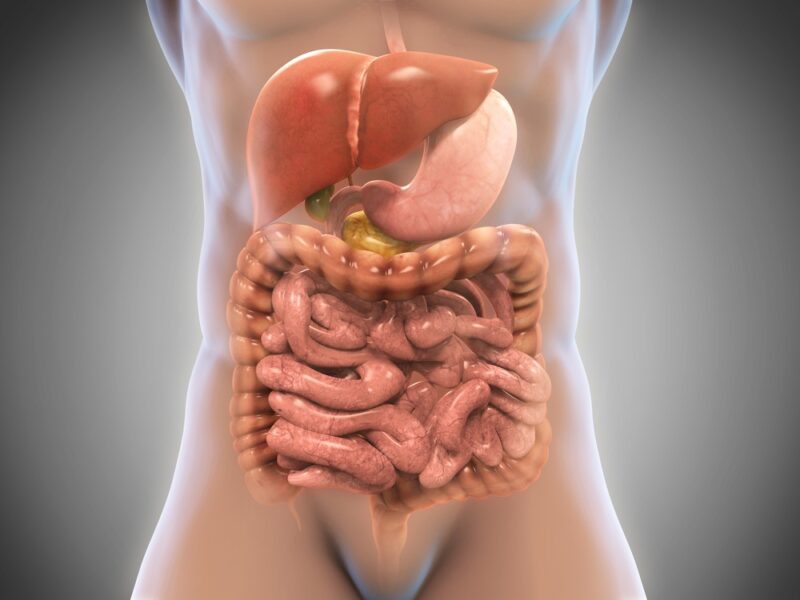
One of the most common side effects of protein powders is digestive discomfort. This can manifest in the form of bloating, gas, stomach cramps, and even diarrhea. Some protein powders contain lactose or artificial sweeteners, which can cause gastrointestinal disturbances in sensitive individuals.
2 Allergic reactions.
Certain protein powders, particularly those derived from milk (whey protein), soy, or eggs, may trigger allergic reactions in some individuals. These reactions can range from mild symptoms like itchiness and hives to more severe ones such as difficulty breathing or anaphylaxis. It is crucial to read the labels and be aware of any potential allergens present in the protein powder.
3 Kidney strain.
There is a misconception that excessive protein consumption, especially through protein powders, can cause kidney damage. While this is not entirely accurate for healthy individuals with normal kidney function, it is important to note that individuals with pre-existing kidney conditions should exercise caution when consuming protein powders. High protein intake can put additional strain on the kidneys, potentially exacerbating kidney problems.
4 Nutrient imbalances.
Relying excessively on protein powders may lead to an imbalance in nutrient intake. Since these supplements primarily provide protein, they may lack other essential nutrients such as vitamins, minerals, and fiber. A well-rounded diet that incorporates a variety of whole foods is crucial to ensure adequate nutrient intake.
5 Weight gain.
Although protein powders are often associated with muscle building and weight loss, consuming them in excess can lead to weight gain. Protein powders still contain calories, and if these additional calories are not accounted for in the overall diet, they can contribute to weight gain instead of desired body composition changes.
6 Contamination and quality issues.
Protein powders are not regulated as strictly as pharmaceutical drugs, which means that some products may be contaminated with harmful substances or may not contain the amount of protein stated on the label. It is essential to choose reputable brands and ensure that the protein powder undergoes third-party testing for quality and safety.
| 💡 Tips FreakToFit.com While protein powders can be a convenient way to supplement protein intake for workout people, it is crucial to be aware of the potential side effects. It is advisable to consult with a healthcare professional or nutritionist to determine the appropriate protein intake and source for individual needs and to ensure a well-balanced diet alongside the use of protein powders. |
Bottom Line.
Protein powders are an important tool for workout people to help them meet their nutritional needs and optimize their fitness goals. Protein powders can provide the necessary fuel for muscle recovery and growth, and they can also help to reduce hunger and cravings that could otherwise lead to unhealthy snack or meal choices. With all of these benefits, it is easy to see why workout people have embraced protein powders as part of their fitness routine.
+1 Source
Freaktofit has strict sourcing guidelines and relies on peer-reviewed studies, educational research institutes, and medical organizations. We avoid using tertiary references. You can learn more about how we ensure our content is accurate and up-to-date by reading our editorial policy.
- Effects of Protein Supplementation on Performance and Recovery in Resistance and Endurance Training; https://www.ncbi.nlm.nih.gov/pmc/articles/PMC6142015/