



































 Workout

 Meditation


 Podcast
 E-book


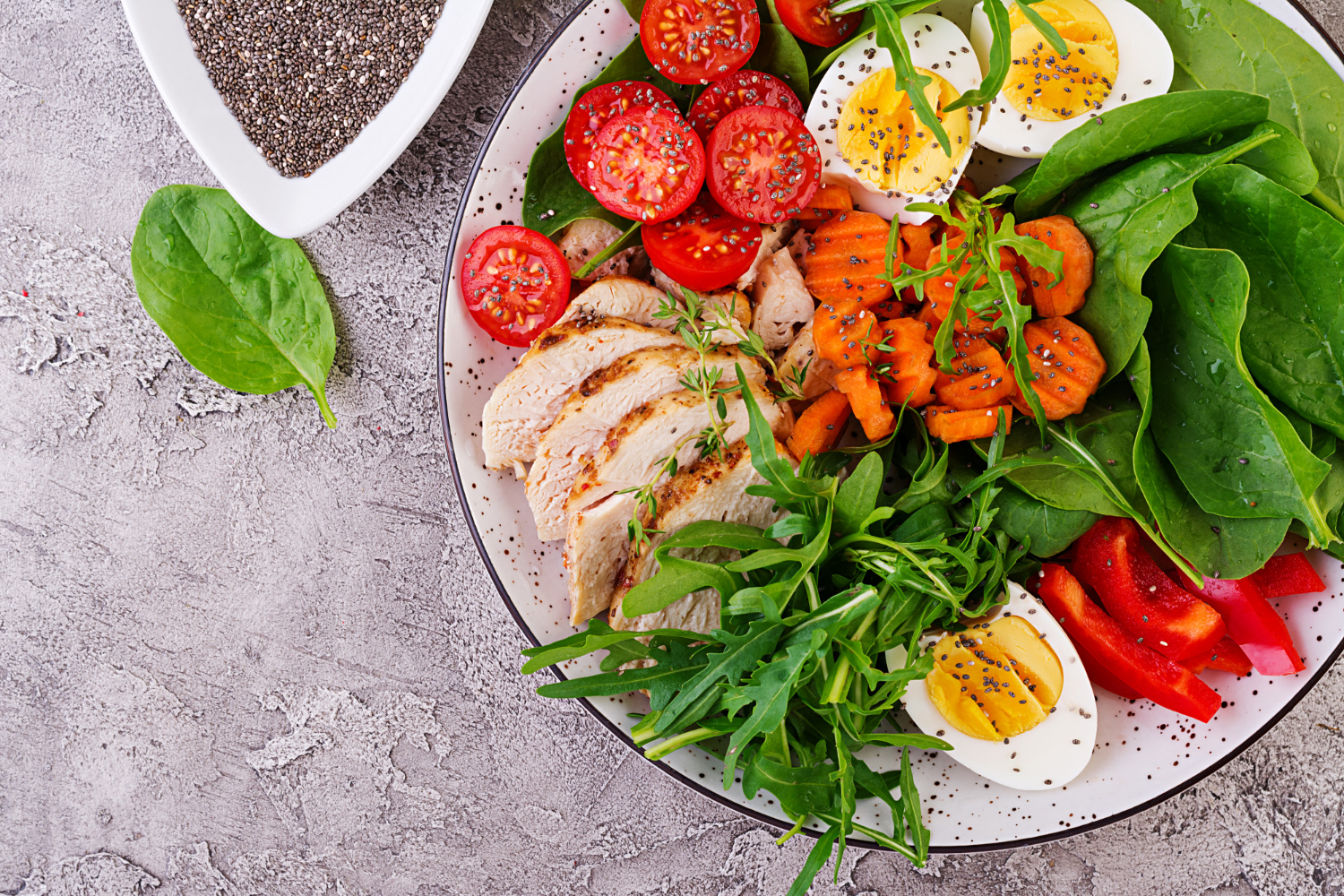
Fibroids, or uterine fibroids, are noncancerous growths that actually develop within the uterus. They are very usual and mostly harmless, but they can still be the cause of disturbances for a lot of women. Oftentimes, fibroids are managed, and one of the best management approaches this comprehensive guide elaborates on is the use of dietary measures. In the subsequent sections of our discussion, we plan to venture into a host of related topics, deliberate on the pros and cons of making dietary choices for fibroid symptoms, receive a 7-day diet plan from professionals, and examine the evidence in support of it.
Understanding Fibroids.
Just before exploring the matter of the diet, the first step is to ensure that one is familiar with fibroids. One’s knowledge of the size and number of the fibroids, as well as information related to their location in the uterus, might be enough to give her a proper understanding of how the condition affects her body. The presence of the menstrual cycle, one of the symptoms of fibroids, can be very inconvenient and it might also lead to other disorders like pelvic pain, frequent urination, and heavy menstrual bleeding among others. Genetics, lack of hormonal balance in the body, exposure to toxins, stress, or obesity can trigger the occurrence of these benign tumors, as well as facilitate their growth and progression.
The Role of Diet in Fibroid Management.
Some research suggests that certain lifestyle and dietary habits can help to prevent the development and worsening of fibroids and, at the same time, ameliorate the symptoms. A diet regimen itself may not be enough to cure but it plays an important role in the process of managing a state of pain and suffering and to sustain and enhance common health. A diet that is high in nutrients can help people manage discomfort and improve their overall quality of life. It is relatively better to take the route of natural treatments and dietary adjustments than opt for artificial medicines.(1)

Key Nutrients for Fibroid Health.
So to say, the inclusion of specific nutrients in the daily menu can help to manage fibroids. Nutritional antioxidants like vitamin C and E are the ones to call upon for elimination of inflammation and oxidative stress linked to fibroids. On top of this, fiber-fortified edibles could foster a consistent digestive system and, in turn, prevent irregular bowel movement, a matter of frequent concern for women with fibroid conditions. Last but not the least, Omega-3 fatty acids, an essential component of fish and flaxseeds, have been indicated to be very effective for women who are dealing with fibroids since they are very effective in limiting the inflammation process.
Related Stories
 What Does Black Truffle Taste Like
 17 Health Benefits of Onion Powder With Side Effects
Expert Insights: Interview with Nutritionist Sarah Thompson.
In the case of having meal as well, that would play a vital role in the management of fibroids in the best way possible. She was, therefore, contemplating that it would really be of great benefit to fibroid patients to be well-nourished and not only rely on fruit and vegetable supplements but also thrive on other essential nutrients acquired through consumption of good foods. These foods are not only full of the needed nutrients that can help fight this disease but also can help in the hormonal balance of the body as the latter is the one that plays a most vital role.
Foods to Include in Your Diet.
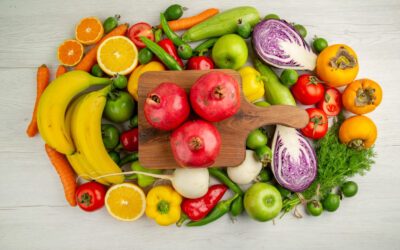
- Fruits: Berries, citrus fruits, and apples.
- Vegetables: Leafy greens, cruciferous vegetables, and bell peppers.
- Whole Grains: Quinoa, brown rice, and oats.
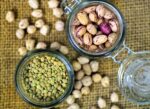
- Lean Proteins: Chicken, fish, tofu, and legumes.
- Healthy Fats: Avocado, nuts, seeds, and olive oil.
Foods to Limit or Avoid.
- Red Meat: High consumption may exacerbate inflammation.(2)
- Dairy: Some women find relief by reducing dairy intake.
- Processed Foods: High in sugar, salt, and unhealthy fats.(3)
- Caffeine and Alcohol: Can increase estrogen levels and worsen symptoms for some individuals.
7-Day Fibroids Diet Plan.
Here’s a sample meal plan to help you get started on your fibroid-friendly journey:
Day 1.
- Breakfast: Greek yogurt with berries and almonds.
- Lunch: Spinach and chickpea salad with olive oil dressing.
- Snack: Carrot sticks with hummus.
- Dinner: Grilled salmon with quinoa and steamed broccoli.
Day 2.
- Breakfast: Oatmeal topped with sliced banana and chia seeds.
- Lunch: Whole grain wrap with grilled chicken, avocado, and mixed greens.
- Snack: Apple slices with peanut butter.
- Dinner: Stir-fried tofu with mixed vegetables and brown rice.
Day 3.
- Breakfast: Smoothie with spinach, pineapple, mango, and coconut water.
- Lunch: Lentil soup with whole grain bread.
- Snack: Greek yogurt with honey and walnuts.
- Dinner: Baked cod with roasted sweet potatoes and asparagus.
Day 4.
- Breakfast: Scrambled eggs with spinach and tomatoes.
- Lunch: Quinoa salad with roasted vegetables and feta cheese.
- Snack: Cottage cheese with cucumber slices.
- Dinner: Grilled turkey burgers with lettuce wraps and sweet potato fries.
Day 5.
- Breakfast: Whole grain toast with avocado and poached eggs.
- Lunch: Chickpea and vegetable stir-fry with brown rice.
- Snack: Sliced pear with almond butter.
- Dinner: Grilled shrimp skewers with quinoa salad.
Day 6.
- Breakfast: Smoothie bowl with mixed berries, granola, and coconut flakes.
- Lunch: Turkey and avocado wrap with whole grain tortilla.
- Snack: Edamame beans with sea salt.
- Dinner: Baked chicken breast with roasted Brussels sprouts and wild rice.
Day 7.
- Breakfast: Overnight oats with almond milk, banana, and cinnamon.
- Lunch: Mediterranean salad with grilled chicken and feta cheese.
- Snack: Trail mix with nuts and dried fruit.
- Dinner: Vegetable curry with chickpeas and brown rice.
Scientific Evidence.
There have been a lot of studies that discuss the relationship between fibroids and diet, although the results they give are quite contrary. The main conclusion of these findings is that healthy eating, as a plant-based diet, is beneficial in terms of symptoms control. In addition, consuming animal foods with caution, processed foods, caffeine & alcohol restriction may help to relieve symptoms and also to maintain good overall health.
Frequently Asked Questions.
Although food can be used to contain symptoms, that is not enough to cure fibroids. Nevertheless, a diet that is fibroid-friendly has the potential to make life more comfortable and, thereby, it is one way of curing the condition.
Although the consumption of a certain food is not a direct way to cure fibroids, including high nutrient foods such as fruits, vegetables, lean proteins, and whole grain may help alleviate one of the symptoms and further, they may promote fibroid health.
Ask a healthcare provider if you are pregnant and interested in a fibroid diet so you will know whether it will suit you. (pregnant women with fibroids may not be proper candidates for certain foods and supplements.)
Some people find that consuming alcohol makes their symptoms worse, as it can elevate estrogen levels and lead to inflammation. Thus, reducing the consumption of alcohol or complete avoidance might be helpful.
Bottom Line.
Control and management of fibroids involve a number of line of actions, one of which is a balanced diet that is vital in the process of symptom alleviation and overall wellness. Making wise food decisions and adding nutrient-rich foods to the menu, you can potentially be assured of less discomfort and better the quality of life. It is a good idea to refer to a doctor or nutritionist before you attempt to nova undefined your dietary pattern, especially if you have some medical or health issues that you are unsure of. By following the right dietary and lifestyle changes, you will be better able to guide yourself throughout your fibroid journey and step a little closer toward a happier and healthier living.
+3 Sources
Freaktofit has strict sourcing guidelines and relies on peer-reviewed studies, educational research institutes, and medical organizations. We avoid using tertiary references. You can learn more about how we ensure our content is accurate and up-to-date by reading our editorial policy.
- Dietary Natural Compounds and Vitamins as Potential Cofactors in Uterine Fibroids Growth and Development; https://www.mdpi.com/2072-6643/14/4/734
- Uterine Fibroids and Diet; https://www.mdpi.com/1660-4601/18/3/1066
- Uterine Fibroids and Diet; https://www.researchgate.net/publication/348783457_Uterine_Fibroids_and_Diet