

















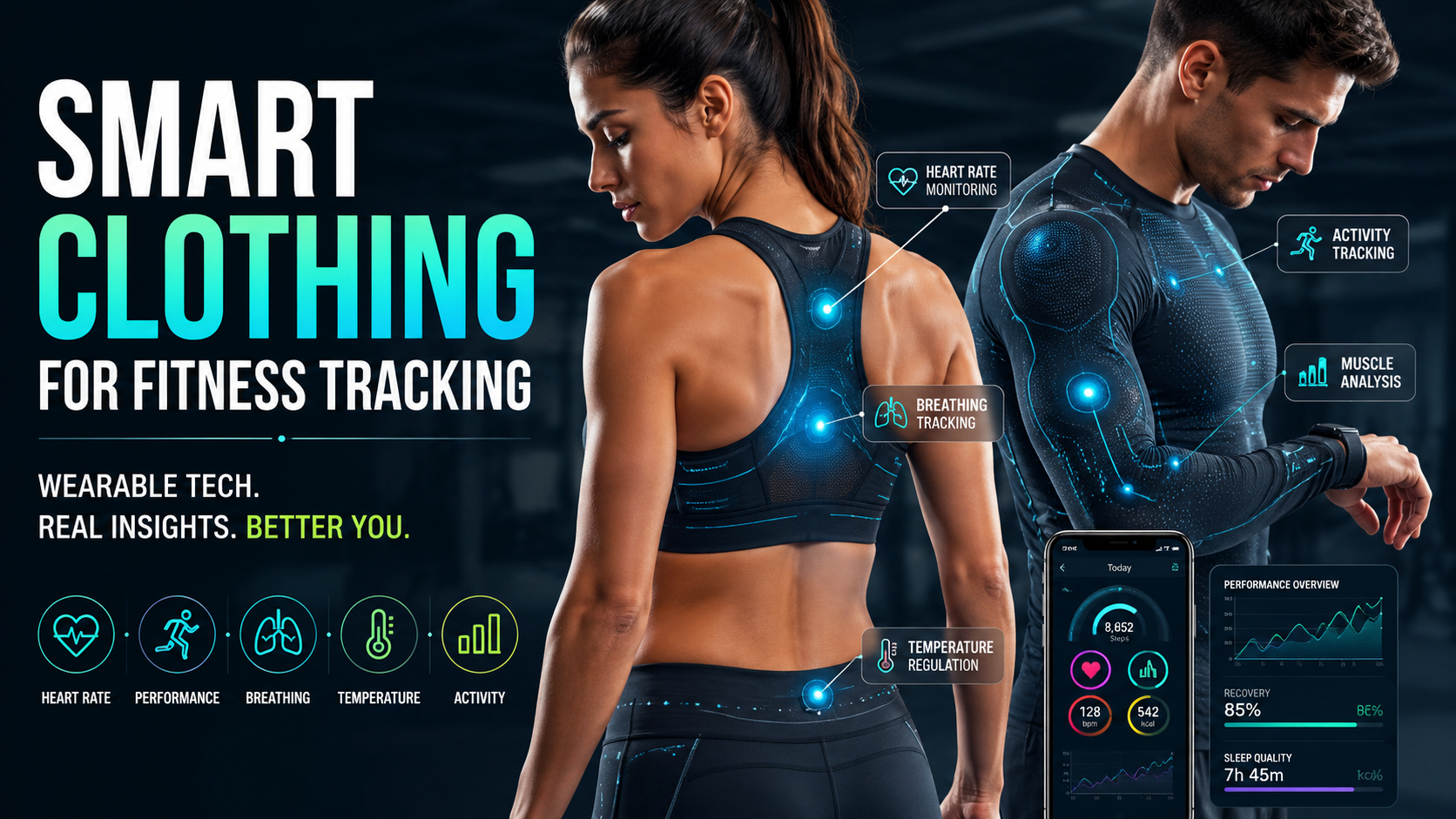
Nos últimos dez anos, a tecnologia de fitness percorreu um longo caminho. O humilde pedômetro evoluiu ao longo dos anos para se tornar relógios inteligentes, bandas de condicionamento físico inteligentes e agora uma nova categoria de inovação vestível: roupas inteligentes. A roupa inteligente combina o que há de mais moderno em tecnologia de sensor e está embutida na roupa, em vez de ter que usá-la no pulso ou prendê-la à roupa. Os têxteis inteligentes podem não apenas rastrear sinais fisiológicos, padrões de movimento, postura e desempenho esportivo continuamente, mas também ficarão confortáveis O suficiente para usar todos os dias.
A roupa inteligente é um grande avanço, pois leva dados de regiões do corpo que os dispositivos baseados em pulso não podem obter com a mesma precisão. De atletas profissionais e entusiastas do fitness a pacientes em reabilitação ou simplesmente buscando obter uma compreensão mais profunda da resposta e desempenho de seu corpo, a Smart Clothing oferece uma imagem mais detalhada da resposta e desempenho do seu corpo.
O futuro do Smart Fitness Wear promete ser revolucionado pelo crescimento e desenvolvimento contínuos das áreas de inteligência artificial (IA), eletrônica flexível e engenharia têxtil. O futuro do Smart Fitness Wear deve ser significativamente transformado, pois a ciência da inteligência artificial (IA), eletrônica flexível e engenharia têxtil continua a evoluir e crescer.
O que é roupas inteligentes para rastreamento de condicionamento físico?
Roupas inteligentes ou têxteis eletrônicos (têxteis eletrônicos), roupas inteligentes ou têxteis vestíveis são definidos como roupas equipadas com pequenos sensores, fibras condutoras, microprocessadores e tecnologia de comunicação sem fio que capturam Saúde e fitness Informações na roupa enquanto a roupa está sendo usada.(1)
Histórias relacionadas
 Press de agachamento de minas terrestres: benefícios e variações
 Quantas vezes você deve treinar por semana?
Roupas inteligentes, em contraste com os dispositivos tradicionais vestíveis, espalham vários sensores em torno de vários partes do corpo. Isso permite o monitoramento da biomecânica, funcionamento muscular, respiração, eficiência de postura e movimento com mais precisão.
Exemplos incluem:
• Camisas de compressão inteligentes.
• Sutiãs esportivos equipados com sensores.
• Leggings de fitness.
• Minhas em execução.

• Luvas inteligentes.
• Jaquetas de desempenho.
• Palmilhas inteligentes.
• Vestuário de recuperação.
Na verdade, existem roupas inteligentes que podem se comunicar com um aplicativo para smartphone via Bluetooth ou Wi-Fi, oferecendo aos usuários acesso a dados em tempo real e métricas de desempenho, sugestões de recuperação e sugestões de recuperação e coaching personalizado.
Como funciona a roupa inteligente?
Roupas inteligentes são uma integração de engenharia têxtil e eletrônicos vestíveis. Os sensores são incorporados ao tecido, sem alterar bastante a aparência ou a sensação da roupa.
O sistema funciona em quatro fases:
1. coleta de dados.
existem vários Tipos de corpo Sinais que são medidos continuamente em sensores embutidos, incluindo:
• Frequência cardíaca.
• Taxa de respiração.
• Movimento do corpo.
• Contrações musculares.
• Temperatura corporal.
• Ângulos articulares.
• Postura.
• Distribuição de pressão.
Esses sensores permanecem em contato com a pele e podem ser monitorados mesmo durante a caminhada, corrida, treinamento de força, ciclismo, ioga ou até mesmo durante as atividades diárias.
2. Processamento de sinal.
Os dados brutos dos sensores são enviados a um microprocessador que é incorporado na roupa ou removível.
O processador descarta ruídos elétricos indesejados e transforma as leituras em informações de dados de saúde que são utilizáveis.
3. Comunicação sem fio.
Conectando dispositivos por meio de informações processadas usando tecnologias como:
- Bluetooth de baixa energia.
- Wi-fi.
- Comunicação em campo próximo (NFC).
- ANT+.
Por meio de aplicativos móveis ou painéis baseados em nuvem, os usuários podem ver seu desempenho em tempo real.
4. Análise de Inteligência Artificial.
Um exemplo da roupa inteligente que se baseia em algoritmos de IA que interpretam os dados coletados em vez de apenas mostrar números é o processo de detectar o humor de uma pessoa. Quando se trata de roupas inteligentes modernas, o uso de algoritmos de IA agora é uma coisa que interpreta dados em vez de apenas mostrar números; um exemplo é a detecção do humor da pessoa.
Os sistemas de IA podem detectar:
• Níveis de fadiga.
• Executando ineficiências.
• Técnica de levantamento ruim.
• Status de recuperação.
• Risco de lesão.
• Intensidade do treino personalizado.
• Progresso ao longo do tempo.
A AI pode interpretar o significado de uma leitura de frequência cardíaca de 150 batimentos por minuto, em vez de apenas dizer que está fixado em 150 e, em seguida, Explique se isso é apropriado para sua forma física metas e sugestões de oferta.
Componentes-chave da roupa de fitness inteligente.
Vestuário inteligente são roupas com várias tecnologias avançadas incorporadas em uma estrutura têxtil leve.
fibras condutivas.
Fios condutores são usados para fazer caminhos na roupa. Essas fibras são especialmente projetadas para fornecer flexibilidade e conforto para substituir a fiação convencional.
Alguns materiais condutores comuns são:
• Fibras revestidas de prata.
• Fibras de cobre.
• Fios de aço inoxidável.
• Polímeros condutores.
• Materiais à base de carbono.
Essas fibras transportam informações elétricas do sensor para o processador sem interferir nas partes móveis.
Sensores biométricos.
Esses sensores são usados para medir as funções fisiológicas diretamente do corpo.(2)
Exemplos comuns incluem:
Sensores de frequência cardíaca.
Registre a atividade cardíaca durante o exercício.
eletrodos de ECG.
Certas roupas de alto custo também possuem eletrodos de grau médico que podem capturar os sinais elétricos do coração como um eletrocardiograma simplificado.
Sensores respiratórios.
Monitore a taxa de respiração e expansão do tórax durante o exercício.
sensores de temperatura.
Verifique a temperatura da pele, o que pode indicar a intensidade do exercício e as tensões ambientais.
Sensores de suor.
Roupas experimentais “inteligentes” podem determinar os níveis de hidratação do corpo, conteúdo de eletrólitos, etc.(3)
Sensores de movimento.
Unidades de medição inercial em miniatura (IMUS) são usadas para rastreamento de movimento.
Estes incluem:
• Acelerômetros.
• Giroscópios.
• Magnetômetros.
Juntos, eles monitoram:
• Mecânica andando.
• Running Marcha.
• orientação corporal.
• A altura do salto.
• Amplitude de movimento.
• Equilíbrio.
• Repetições de exercícios.
Microprocessadores flexíveis.
Os chips eletrônicos padrão não são flexíveis e não cabem dentro de uma roupa.
Em roupas inteligentes, as unidades de processamento flexíveis e leves têm a tarefa de analisar as grandes quantidades de dados dos sensores e suportam o dobramento e o alongamento.
Fontes de energia recarregáveis
A roupa inteligente é principalmente alimentada por pequenas baterias recarregáveis.
As baterias modernas são:
• leve.
• Deslocável antes de lavar.
• USB recarregável.
• Longa duração.
auto-alimentado Têxteis inteligentes que geram Eletricidade do movimento do corpo, energia solar ou calor corporal também estão sendo desenvolvidos.
Tipos de roupas inteligentes usadas no condicionamento físico.
As roupas variam de acordo com o tipo de condicionamento físico.
camisas inteligentes.
As camisas inteligentes são certamente uma das roupas inteligentes mais populares.
Eles podem monitorar:
• Frequência cardíaca.
• Taxa respiratória.
• Movimento do peito.
• Intensidade do exercício.
• Postura.
• Carrega de treinamento.
As camisas deste design são comuns entre os atletas de resistência e entre times de futebol, ciclistas e militares.
Sutiãs esportivos inteligentes.
Os sutiãs esportivos inteligentes são projetados especificamente para mulheres e podem fornecer leituras mais precisas da frequência cardíaca porque os sensores estão mais próximos do peito.(4)
Eles também podem acompanhar:
• Padrões de respiração.
• Impacto de execução.
• Intensidade do exercício.
• Carga de trabalho cardiovascular.
Leggings e shorts com compressão inteligentes.
As roupas de compressão integradas por sensor de movimento medem a biomecânica da parte inferior do corpo.
Eles podem avaliar:
• Profundidade de agachamento.
• Running Stride.
• Alinhamento do quadril.
• Rastreamento do joelho.
• Simetria muscular.
Há um uso crescente dessas roupas em laboratórios de desempenho esportivo e em clínicas de reabilitação.
meias inteligentes.
Embora muitas vezes esquecidos, as meias inteligentes fornecem informações valiosas sobre a mecânica dos pés.
Sensores de pressão embutidos podem ser usados para detectar:
• Simetria ambulante.
• Equilíbrio.
• Distribuição da pressão do pé.
• Técnica de execução.
• As quedas são um risco para os idosos.
Esses insights podem ajudar os atletas a maximizar sua eficiência de corrida e minimizar o risco de lesões.
Palmilhas inteligentes.
As palmilhas inteligentes são incorporadas em calçados esportivos e constantemente acompanham:
• Contagem de etapas.
• Distribuição de peso.
• Forças de reação do solo.
• Eficiência de caminhada.
• Postura em pé.
Esses dispositivos são comumente usados por fisioterapeutas ao reabilitar pacientes desde lesões nas extremidades inferiores.
Benefícios da roupa inteligente para o rastreamento de condicionamento físico.
1. Coleta de dados mais precisos.
Roupas inteligentes podem medir com mais precisão os dados fisiológicos, pois normalmente são colocados mais perto dos músculos, articulações e peito em comparação com os rastreadores usados no pulso; particularmente em atividades dinâmicas ou de alta intensidade.
2. Monitoramento de mãos livres.
As roupas inteligentes não precisam de acessórios extras em vez de relógios ou tiras no peito. Os usuários usam apenas roupas como parte de seus trajes de treino, portanto, a roupa é capaz de rastreá-las continuamente sem qualquer distração.
3. Melhor técnica de exercício.
Os sensores de movimento podem detectar problemas sutis com os movimentos, como postura incorreta ao correr ou alinhar agachamento. Se recebidos prontamente, o feedback pode ajudar os alunos a manterem-se em boa forma em seus exercícios e evitarem esforços desnecessários.
4. Prevenção de lesões.
Qualquer alteração na simetria de movimento, ativação muscular ou fadiga pode indicar um risco aumentado de lesões por uso excessivo. Roupas inteligentes não podem diagnosticar lesões, mas podem alertar o usuário para alterações biomecânicas que devem ser consideradas e/ou avaliadas por um profissional.
5. Insights de treinamento personalizados.
Marcas de têxteis inteligentes podem oferecer sugestões e informações personalizadas sobre o Treino baseado no seu próprio corpo Reações, padrões de recuperação e eficiência de movimento, em vez de apenas recomendações gerais. Essa personalização pode permitir que os usuários treinem de forma mais eficaz, evitando a sobrecarga.
6. Monitoramento contínuo fora da academia.
A única coisa que torna as roupas inteligentes tão boas é que elas trabalham na vida cotidiana, não apenas durante um treino. O monitoramento da postura durante o trabalho em uma mesa, atividades diárias durante a caminhada ou períodos de recuperação pode fornecer uma visão mais abrangente do Saúde e desempenho físico.
Perspectiva especializada.
Em um nível científico, as roupas inteligentes devem ser vistas como um meio de fornecer assistência na tomada de decisões e não como um dispositivo de diagnóstico médico. Muitas das roupas fornecem informações úteis sobre aptidão e movimento, no entanto, a precisão dessas informações depende da qualidade dos sensores, do ajuste da roupa no corpo, do tipo de atividade e da validação em relação aos métodos clínicos. As informações devem ser usadas em conjunto com os conselhos de Saúde ou condicionamento físico treinado Especialistas e especialmente no caso de lesões, reabilitação ou condições médicas.
A roupa inteligente é mais precisa que os smartwatches?
Talvez um dos mais importantes quando se trata de roupas inteligentes de fitness seja se eles oferecem ou não a mesma precisão que os dispositivos de fitness vestíveis convencionais. Não é um número rígido e rápido, pois depende do que está medindo.
Os smartwatches são ótimos para contagem de passos, calorias Cálculo e frequência cardíaca geral Monitoramento durante a realização de atividades normais. A precisão pode ser afetada, no entanto, durante atividades vigorosas, levantamento de peso ou ciclismo ou qualquer atividade que exija muito movimento do braço, pois eles usam sensores ópticos no pulso.
A Smart Clothing coloca os sensores mais próximos do centro do corpo ou diretamente nos músculos ou nas articulações. Essa postura frequentemente torna mais fácil medir com precisão a frequência cardíaca, padrões respiratórios, postura corporal, ativação muscular e mecânica de movimento.
Por exemplo:
- Uma camisa de compressão inteligente pode ser mais confiável para treinamento intervalado do que um dispositivo usado para o pulso para poucas leituras confiáveis de frequência cardíaca.
- Leggings inteligentes podem detectar um desequilíbrio no movimento ao fazer agachamentos ou lunges, o que um smartwatch não pode.
- Tênis de corrida com sensores na palmilha podem fornecer aos corredores informações valiosas sobre pressão e marcha dos pés que podem ajudá-los Melhore sua forma de corrida.
No entanto, isso depende do fabricante e do design do produto. É importante que os consumidores procurem itens que tenham sido testados de forma independente ou clinicamente validados, não apenas nas alegações feitas pelo profissional de marketing.
Aplicações de roupas inteligentes em esportes e esportes.
Esportes profissionais.
Roupas inteligentes são uma nova tendência no mundo dos esportes e do atletismo, proporcionando aos atletas e organizações desportivas novas Formas de maximizar o desempenho e minimizar as lesões.
Os treinadores podem monitorar:
• Velocidade de sprint.
• Mecânica de corrida.
• Respostas da frequência cardíaca.
o A recuperação entre as sessões de treinamento é extremamente importante.
• Carga de trabalho muscular.
• Intensidade do exercício.
estes Os insights são usados para desenvolver treinamento personalizado planos, em vez de universais.
Treinamento de força.
Roupas inteligentes podem ajudar a monitorar a qualidade do movimento durante o treinamento de resistência.
Exemplos incluem:
- Identificando a profundidade incompleta do agachamento
- Identificar, compreender e abordar questões de distribuição de peso.
- Medindo o tempo de elevação.
- Monitoramento do alinhamento das juntas.
- Contando as repetições do exercício.
Alguns sistemas oferecem feedback em tempo real por meio do aplicativo para smartphone, o que permite que uma pessoa ajuste sua forma durante o exercício.
Esportes de corrida e resistência.
A análise da marcha e o feedback biomecânico são úteis para corredores de distância.
As roupas inteligentes podem avaliar:
• Cadence.
• Comprimento da passada.
• Tempo de contato com o solo.
• Executando simetria.
• Oscilação vertical.
• Padrões de rebatidas para os pés.
Isso pode ser melhorado para ajudar a tornar a corrida mais eficiente e minimizar o estresse repetitivo nas articulações.
Yoga e fitness funcional.
Algumas roupas inteligentes são capazes de identificar o Posição do corpo durante os treinos de alongamento e mobilidade.
Esses sistemas podem fornecer feedback sobre:
• alinhamento postural.
• Amplitude de movimento.
• Equilíbrio.
• Controle de Movimentos.
• Coordenação de respiração.
Essa tecnologia pode ser especialmente útil para um iniciante aprender o formulário de exercício correto.
Roupas inteligentes para cuidados de saúde e reabilitação.
Os usos de roupas inteligentes não se limitam ao desempenho esportivo.
Em vez de serem usados em hospitais e clínicas, os têxteis vestíveis estão sendo investigados para monitorar pacientes.
As aplicações potenciais incluem:
Monitoramento cardíaco.
A camisa inteligente também possui camisas com sensores de ECG que podem registrar a atividade do coração o tempo todo.
Essas roupas podem facilitar o monitoramento cardíaco a longo prazo com supervisão médica.
Reabilitação física.
A qualidade do movimento precisa ser avaliada após a cirurgia ou lesão, pelo terapeuta.
Roupas inteligentes podem medir objetivamente:
• Padrões de caminhada.
• Mobilidade conjunta.
• Equilíbrio.
• Simetria dos membros.
• Compliance do exercício.
O monitoramento doméstico também pode ajudar a cortar nas frequentes visitas a hospitais, ao mesmo tempo em que permite que os terapeutas adequam os planos de reabilitação para dados do mundo real.
prevenção de quedas.
Roupas inteligentes podem ajudar mais velhos pessoas alertando para o equilíbrio Mudanças ou movimentos anormais que podem sinalizar uma queda.
Esses sistemas ainda estão em sua infância, mas esses sistemas podem desempenhar papel em garantir uma vida independente segura.
Inteligência artificial e roupas inteligentes.
usual A tecnologia de fitness está passando por uma transformação Com a ajuda da inteligência artificial.
A capacidade da IA de analisar milhares de pontos de dados de uma só vez, revelando tendências significativas, em vez de apenas números brutos.
Exemplos incluem:
Recomendações de treino personalizadas.
AI pode recomendar:
• Intensidade do treinamento.
• Duração da recuperação.
• Progressão de exercícios.
• Ajustes semanais de carga de trabalho.
Em vez de diretrizes genéricas, com base no desempenho individual.
Detecção de fadiga.
Algoritmos médicos baseados em aprendizado de máquina podem detectar sutis mudanças Em movimento que pode preceder uma diminuição notável no desempenho como resultado de fadiga física.
Esta informação pode ser útil para atletas Prevenir o excesso de treinamento.
Avaliação do risco de lesões.
Os algoritmos de aprendizado de máquina detectam padrões em biomecânica para determinar os movimentos que podem aumentar o risco de lesões.
Por exemplo:
• Instabilidade do joelho.
• Mecânica de passadas irregulares.
• Técnica de pouso ruim.
• Desequilíbrio muscular progressivo.
Os resultados desses exames devem ser marcadores de risco e não um diagnóstico.
Acompanhamento do progresso a longo prazo.
A AI pode identificar melhorias sutis que podem não ser perceptíveis a olho nu.
Exemplos incluem:
• Melhorou a eficiência de funcionamento.
• Per melhor postura.
• Aumento da consistência do exercício.
• Recuperação cardiovascular aprimorada.
Segurança e privacidade de dados.
A Smart Clothing tem a capacidade de coletar automaticamente dados pessoais de saúde, portanto, a privacidade é uma preocupação significativa.
As informações coletadas podem incluir o seguinte:
• Frequência cardíaca.
• Histórico de atividades.
• Padrões de sono.
• Localização do GPS.
• Rotinas de exercícios.
• Medidas Fisiológicas.
Os usuários são aconselhados a ler antes de comprar uma roupa inteligente:
• Políticas de privacidade.
• Práticas de compartilhamento de dados.
• Padrões de criptografia.
• Recursos de segurança da conta.
A capacidade de excluir informações armazenadas.
Os consumidores devem evitar produtos que coletam dados que não são obrigatórios ou não têm políticas claras ou não transparentes.
Limitações de roupas inteligentes.
A roupa inteligente é uma tecnologia promissora, mas tem seus problemas.
alto custo.
Ainda há muitas roupas inteligentes que ainda são muito mais caras do que os trajes esportivos normais.
Sensores mais sofisticados, tecidos especiais e software podem resultar em preços mais altos.
durabilidade.
O desempenho do sensor também pode ser impactado por lavagem repetida, alongamento e uso normal.
Os fabricantes ainda estão trabalhando no desenvolvimento de têxteis eletrônicos laváveis, mas a durabilidade é uma pesquisa em andamento.
Requisitos da bateria.
Muitas roupas inteligentes Precisa de carregamento periodicamente.
Enquanto a bateria está melhorando, as pessoas ainda Precisa ser lembrado da importância de recarregar os módulos eletrônicos removíveis.
Padronização limitada.
Existem vários métodos usados para medições que variam de fabricante para fabricante.
Portanto, as pontuações de desempenho de uma marca não podem ser comparadas diretamente com as pontuações de desempenho de outra marca.
validação clínica.
Algumas roupas inteligentes não foram testadas em equipamentos de nível médico.
Os consumidores precisam diferenciar entre:
• Produtos de bem-estar ao consumidor
• dispositivos de pesquisa
Dispositivos médicos aprovados para uso na área médica.
Como escolher roupas inteligentes de fitness.
A melhor roupa inteligente para você dependerá de seus objetivos.
Leve em consideração o seguinte:
propósito.
Use roupas adequadas para a atividade.
Exemplos:
• Executando.
• Ciclo.
• Treinamento de força.
• Reabilitação.
• Monitoramento diário de atividades.
Qualidade do sensor.
Selecione produtos que especificam:
• Tipos de sensores.
• Precisão de medição.
• Estudos de validação.
• Atualize a frequência.
tenha cuidado Produtos que afirmam fornecer saúde benefícios sem evidências científicas.
Conforto.
O conforto das roupas inteligentes é uma obrigação, pois são usadas diretamente no corpo.
Boas roupas devem:
• Esticar naturalmente.
• Permitir ventilação.
• Adapte-se com segurança.
• Evitar excessivos pressão.
duração da bateria.
A vida útil da bateria será uma conveniência para quem deseja usar o monitoramento contínuo ou atletas de resistência.
Experiência de aplicativo.
Os dados em um bom aplicativo móvel devem ser apresentados de uma maneira fácil de entender, não sobrecarregando com estatísticas desnecessárias.
Recursos úteis incluem:
• Análise de tendências.
• Recomendações personalizadas.
• Histórico do treino.
• Rastreamento de metas.
• Sincronização da nuvem.
Futuro da roupa inteligente.
Na década que está por vir, as roupas inteligentes devem ser muito mais sofisticadas.
Estão sendo desenvolvidos têxteis, o que pode:
- O monitoramento contínuo da química do sangue via suor.
- Medição imediata do teor de água.
- Identificando os primeiros sinais de doença.
- Usando o movimento para colher energia.
- Avaliação da qualidade da água usando fibras solares.
- Usando sistemas de treinamento AR como um componente do aprendizado multimodal.
- A comunicação com os profissionais de saúde é possível remotamente.
Roupas inteligentes provavelmente serão mais leves, mais fortes e mais baratas graças à eletrônica flexível, sensores imprimíveis, nanotecnologia e inteligência artificial.
Com os custos decrescentes de fabricação de têxteis inteligentes, pode se tornar tão onipresente quanto o rastreador de condicionamento físico hoje.
Perguntas frequentes.
1. Pode-se lavar roupas inteligentes?
Vários produtos podem ser lavados assim que o módulo eletrônico for removido. Sempre siga as instruções de cuidados do fabricante.
2. Roupas inteligentes podem substituir o smartwatch?
não inteiramente. A roupa inteligente é ótima para monitorar como você está se movendo e seus dados de saúde, e os smartwatches ainda são uma boa opção para notificações regulares, rastreamento de GPS e todos os dados de suas atividades.
3. Existe roupas inteligentes que sejam medicamente corretas?
Existem roupas que são precisas para medições específicas, no entanto, a maioria dos produtos de consumo não é feita para diagnosticar doenças, mas sim para o bem-estar e a forma física.
4. As roupas inteligentes precisam estar conectadas à web?
A maioria das roupas é baseada na tecnologia Bluetooth, que se conecta a um smartphone. Armazenamento em nuvem, atualizações de software e compartilhamento de dados são as áreas típicas em que o acesso à Internet é necessário.
5. Quais são as vantagens da roupa inteligente?
Os usuários potenciais incluem:
• Exercitadores recreativos.
• Atletas profissionais.
• Trains pessoais.
• Terapeutas Físicos.
• Altos mais velhos.
• Pacientes de reabilitação.
• Pesquisadores.
• Entupa do fitness.
linha de fundo.
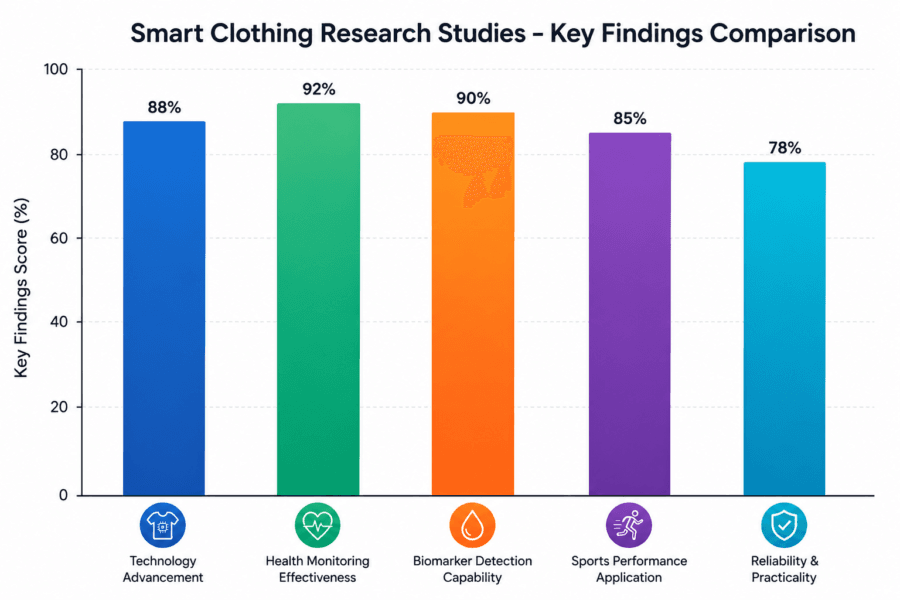
A próxima geração de tecnologia de fitness vestíveis é a de roupas inteligentes, que integra sensores em roupas para rastrear movimentos, respostas corporais e desempenho de exercícios. Esses têxteis inteligentes oferecem mais informações sobre postura, atividade muscular, respiração e biomecânica do que os rastreadores tradicionais desgastados pelo pulso.
A roupa inteligente ainda está evoluindo e não deve substituir o aconselhamento médico profissional ou os programas de treinamento baseados em evidências, mas sim ser usados como suplemento. É importante selecionar produtos que tenham validação clara, manuseio seguro de dados e afirmações realistas.
No futuro, a roupa inteligente tem o potencial de trabalhar por um estilo de vida mais saudável, Melhore o desempenho atlético, aumentar a reabilitação e fazer parte de um sistema de saúde mais personalizado graças ao desenvolvimento de inteligência artificial, eletrônica flexível e inovação têxtil. Para indivíduos que buscam uma compreensão abrangente de sua atividade física, as roupas de ginástica inteligentes oferecem um vislumbre emocionante do futuro da tecnologia vestível.
+4 Fontes
A FreaktoFit tem diretrizes rígidas de sourcing e conta com estudos revisados por pares, institutos de pesquisa educacional e organizações médicas. Evitamos o uso de referências terciárias. Você pode aprender mais sobre como garantimos que nosso conteúdo seja preciso e atualizado, lendo nosso política editorial.
- roupas inteligentes; https://www.academia.edu/Documents/in/Smart_Garments
- Aplicações de têxteis inteligentes para monitoramento ambulatorial do eletrocardiograma: revisão de escopo da literatura; https://pmc.ncbi.nlm.nih.gov/articles/PMC12954708/
- Estudos recentes sobre sensores de suor vestíveis baseados em têxteis inteligentes para monitoramento médico: uma revisão sistemática; https://www.mdpi.com/2224-2708/13/4/40
- Uma revisão sistemática de roupas inteligentes no esporte: possíveis aplicações em esportes radicais; https://www.semanticscholar.org/paper/A-Systematic-Review-of-Smart-Clothing-in-Sports%3A-to-Scataglini-Moorhead/14fe7583c70cecc71d586482cdd016b2169367bd