









































 Workout

 Meditation


 Podcast
 E-book



AT A GLANCE
- Although it is harmless, it is occasionally dangerous in circumstances such as driving out of a tunnel into the sunlight, whereby there is a sudden sneeze and therefore is distracting.
- It is important to note that although the photic sneeze is usually gentle, it can be harmful to see the sun directly to the eyes.
- The exact cause of photic sneezing is not yet fully understood, but it is believed that there is interaction between optical nerves and veins in the autonomic nervous system, which controls the body’s involuntary functions.
Experts from Mayo Clinic give us scientific explanation behind some strange reactions in the body. We have experts from orthopedics and sports medicine at the Mayo Clinic. Asked Amy Runtala.(1)
Why do some people sneeze when they look at the sun?
It is known as “photic sneezing” reflex or “sunslap”. This is an involuntary reaction that some experience when they look directly in bright light, such as the sun. This is the specialty of about 18 to 35% of the world’s population.
The exact cause of photic sneezing is not yet fully understood, but it is believed that there is interaction between optical nerves and veins in the autonomic nervous system, which controls the body’s involuntary functions.
Related Stories
 Learn The Truth About PCOS In The Next 60 Seconds
 Wolff Parkinson White Syndrome: Symptoms and Treatment
| 💡 Expert Insights. Theoretical explanation behind this reaction is as follows: The optic nerve, which detects changes in light, is close to the trigeminal nerve, which controls sneezing. A specific sneeze is caused by nose irritation, which activates the trigeminal nerve and triggers a sneeze. When a dark room is burnt burned, the students compress. It starts quickly in the reflex optic nerve and can give a feeling of nasal irritation and causes sneezing. Not all people have this answer, and it is not clear why some people do and others do not. |
Importance of It.
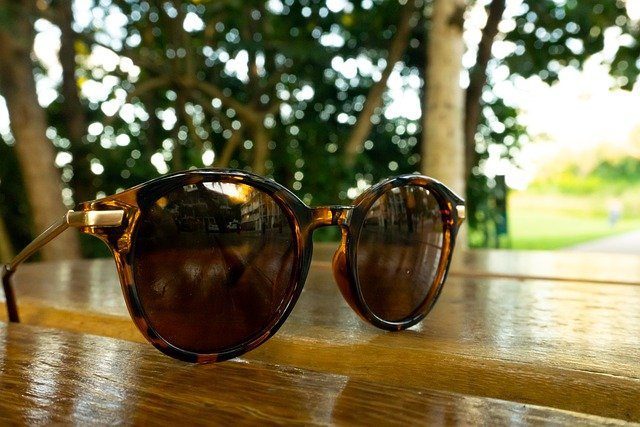
It is important to note that although the photic sneeze is usually gentle, it can be harmful to see the sun directly to the eyes. Therefore, it is always recommended to avoid seeing the sun and taking action to protect your eyes from strong sunlight by wearing the right sunglasses.
Mayo Clinic is a non -profit organization dedicated to the innovation of clinical practice, education and research, and provides competence, compassion and answers to all those who need to regain health. You can enter the Mayo Clinic information network to read more news.
Additional Insights.
It is also known as the ACHOO Syndrome (Autosomal Dominant Compelling Helio- Ophthalmic Outburst ). It is said to be genetically predisposed usually familial. One-third of the world population can fall victim to it. Although it is harmless, it is occasionally dangerous in circumstances such as driving out of a tunnel into the sunlight, whereby there is a sudden sneeze and therefore is distracting.
Expert Interview.
Q What is the answer to whether photic sneezing is dangerous?
A: Not by itself. It’s usually harmless. The danger is environmental in nature- such as sneezing when driving or using heavy machinery.
Q: Can we prevent it?
A: Yes, it can be minimized with wearing a pair of sunglasses or getting used to light when going outside.
Q: Does it imply that I have allergies?
A: No, photic sneezing neither has anything to do with allergies nor cold. It is a reflex of a straight forward nervous system.
Frequently Asked Questions.
This is an automatic sneeze that is caused by abrupt exposure to bright light like sunlight.
No, it is safe in most instances but sneezing suddenly in potentially dangerous circumstances (such as driving) can be dangerous.
Due to nerve cross-talk between the optic nerve (eye) and trigeminal nerve (nose).
No, it only affects 18-35 per cent. of the population.
Yes, there is some research that photic sneezing is familial and is inherited.
Yes, good quality UV-blocking sunglasses can help to reduce glare and sneeze less.
No. You should never stare at the sun because it may permanently destroy your eyes.
Bottom Line.
The photic sneezing or the sun sneeze is a non-hazardous, reflex that occurs in individuals when exposed to extreme bright light. It is an interesting confusion of nerve impulses, and not a health condition. Although it is generally harmless, it is a good lesson that you should always wear protective gear on your eyes during a sunny day.
And the next time you go out in the sun and sneeze, you will remember– it is only your nervous system, playing its queer trick, nothing more.
+1 Source
Freaktofit has strict sourcing guidelines and relies on peer-reviewed studies, educational research institutes, and medical organizations. We avoid using tertiary references. You can learn more about how we ensure our content is accurate and up-to-date by reading our editorial policy.
- Don’t let an injury slow you down.; https://www.mayoclinichealthsystem.org/services-and-treatments/sports-medicine