










































 Workout

 Meditation


 Podcast
 E-book


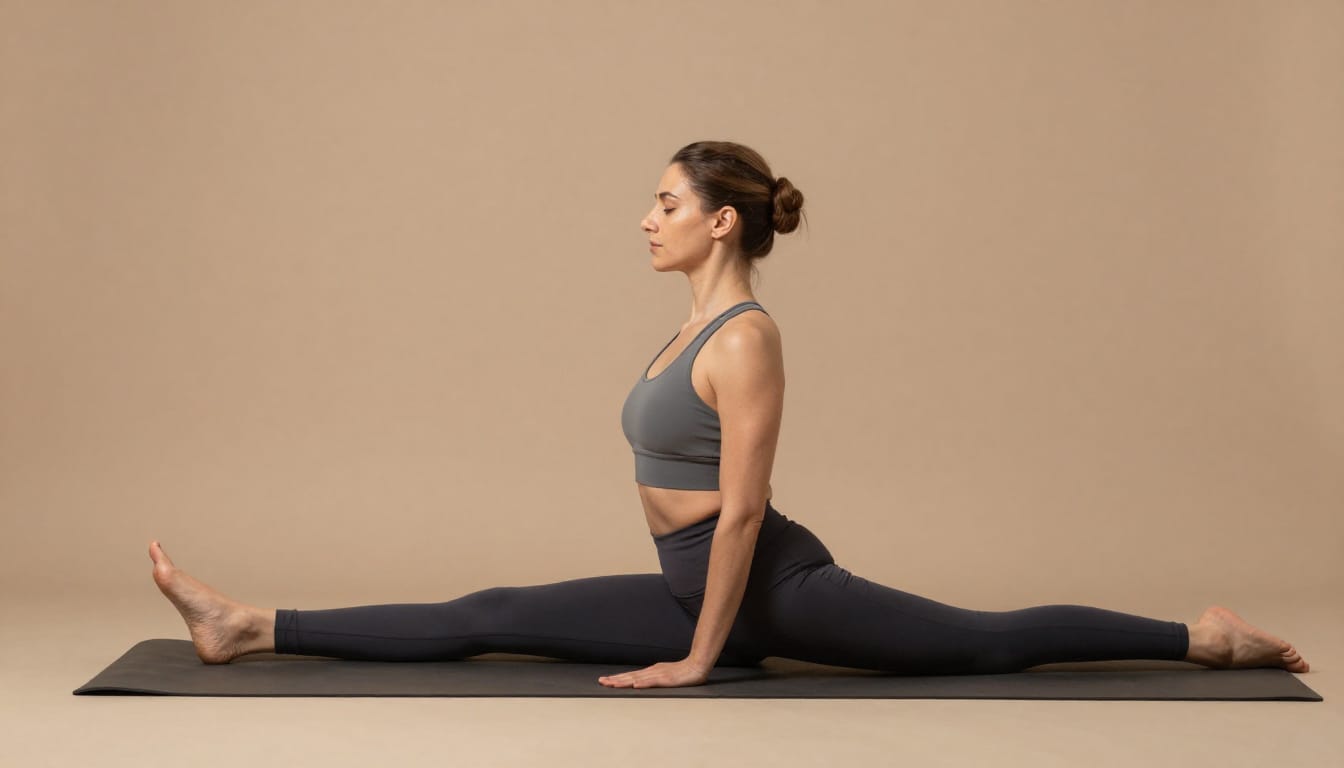
Do you often suffer from back pain? Athletic people are not free from back pain either, sometimes as a result of poor training or poor technique when performing exercises, and other times due to sitting for too long or because we already had previous back problems.
If this is your case and you have not tried doing Yoga, Tai Chi or Qi Gong, now is a good time to start practicing it and take advantage of its physical and mental benefits, and also relieve pain and improve the movement of your back.
Practicing Yoga, Qi Gong or Tai Chi Can Help Relieve Back Pain.
Do they really help? Researchers at Florida Atlantic University compared and contrasted the practice of yoga, Tai Chi and Qi Gong for the treatment of low back pain, in a review of studies with a total of 3,484 subjects between 33 and 73 years old.
The results have found that these ancient practices have positive effects on reducing pain and psychological problems such as depression and anxiety.
Related Stories
 Eva Lovia Onlyfans Fitness & Diet Routine: What Actually Keeps Her in Shape
 The Ultimate Guide to Side Stepping on a Stairmaster
How These Practices Support Back Health?
1 Yoga for Back Pain Relief.
Yoga is based on the flexibility, strength, posture, and breathing. Certain poses stretch tight muscles softly and build up core muscle strength as well as align the spine. Relaxation is also encouraged by yoga and this helps to ease stress-related tension in the muscles that is one of the non-obvious causes of back pain.
2 Tai Chi as a Gentle Strength and Balance.
Tai Chi is a non-strenuous and flowing activity, which focuses on balance and controlled movement. Its light impact exercise has made it particularly appropriate in individuals with chronic back pain. Tai Chi enhances the knowledge of the body, the posture, and coordination, which assists in lessening the burden on the spine in day to day activities.
3 Qi Gong of the Circulation of Energy and Restoration.
Qi Gong is a combination of movements, breathing exercises, and meditation. It assists in the release of rigidity, enhances the blood flow surrounding the spine, and is relaxing to the nervous system. The pain sensitivity and muscle guarding can be significantly decreased with the help of this mind-body connection.
Who Can Benefit the Most?
- Individuals having chronic or recurrent lower back pain.
- People who spend long hours sitting at the office.
- Sportsmen with overuse injuries.
- Elderly with low impact movement requirements.
- Patients with muscle tension as a result of stress.
The practices are flexible and may be adjusted to various levels of fitness and physical constraints.
Tips to Get Started Safely.
- Start with brief (10- 20 minutes) sessions and increase gradually.
- Concentrate on the right technique and not on perseverance.
- Guided practice particularly in case of chronic pain.
- Movement is combined with deep and controlled breathing.
- Monitor your body and do not over-stretch.
Yoga for Back Pain: Personal Experience.
I am Laura Mitchell, Graphic Designer, Austin, Texas, USA, for years, sitting long hours at my desk left me with persistent lower back pain that would flare up by the end of every workday. Painkillers only offered temporary relief, and intense workouts often made things worse.
When I started practicing gentle yoga focused on back mobility, along with Qi Gong breathing and basic Tai Chi movements, I noticed gradual but meaningful improvements.
Within a few weeks, my stiffness reduced, my posture improved, and my back felt more supported throughout the day. These practices didn’t just ease the pain—they helped me understand how to move and breathe better.
“Consistent yoga, Qi Gong, and Tai Chi helped me manage back pain naturally by improving movement, posture, and body awareness.”

Experts View.
This study would confirm that these practices can reduce pain-related disability and lead to improved functional ability if practiced properly and under expert supervision.(1)

Bottom Line.
Engaging in practices such as Yoga, Qi Gong, or Tai Chi can be effective in relieving back pain. These gentle and low-impact exercises promote flexibility, strength, and relaxation, all of which can help alleviate discomfort in the back. Incorporating these practices into a regular routine can lead to long-term relief and improved overall well-being.
It is important to consult with a healthcare professional before starting any new exercise regimen, but for many individuals, these ancient practices offer a natural and effective way to manage and prevent back pain.
+1 Source
FreakToFit has strict sourcing guidelines and relies on peer-reviewed studies, educational research institutes, and medical organizations. We avoid using tertiary references. You can learn more about how we ensure our content is accurate and up-to-date by reading our editorial policy.
- A Narrative Review of Movement-Based Mind-Body Interventions: Effects of Yoga, Tai Chi, and Qigong for Back Pain Patients ; https://pubmed.ncbi.nlm.nih.gov/31725096/