










































 Workout

 Meditation


 Podcast
 E-book

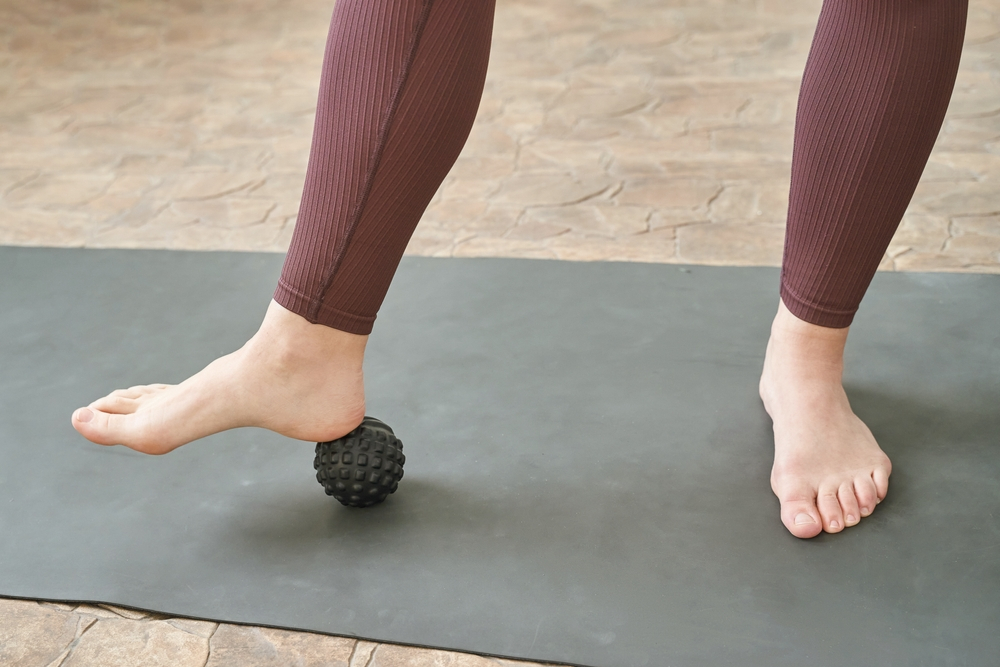
When you have plantar fasciitis, one of the most important things you can do is to strengthen your calves, ankles and feet to support the arch of your foot and reduce the strain on your painful heel. Luckily, you don’t have to head to the gym or buy any new equipment to do this; all you need are your own two feet, some wall space and these 10 strength exercises for plantar fasciitis sufferers.
What is Plantar Fasciitis?
Plantar Fasciitis is an inflammation of the plantar fascia, which is a band of tissue that connects your heel to your toes. The plantar fascia supports your arch and plays a key role in stabilizing your foot. When the plantar fascia becomes irritated or inflamed, it can cause pain in the heel and bottom of the foot.
Causes of Plantar Fasciitis.
Plantar fasciitis is a condition in which the plantar fascia ligament—a thick band of tissue that runs across the bottom of your foot—becomes irritated and inflamed. The condition is most common among people who spend long periods on their feet, such as runners or those working on their feet, but can also be caused by an injury to the foot.
A number of factors can lead to plantar fasciitis, including footwear that doesn’t provide enough arch support or spending too much time on your feet without taking breaks.
However, other most common causes of this condition are obesity, flat feet (or fallen arches), high arches or over-pronation, tight calf muscles and strenuous activity on hard surfaces.
Related Stories
 Hang Clean and Press Exercise : Advantages and Steps
 What To Wear To The Gym For Male, Female and Fat
Some people will also experience pain when they first get up out of bed in the morning; the Plantar Fasciitis has tightened overnight due to lack of use while you were sleeping.
Symptoms of Plantar Fasciitis.
Plantar fasciitis is a painful inflammatory condition of the plantar fascia, a ligament which extends from the heel to the toes. The most common symptoms are pain in the bottom of the heel, which is made worse by weight-bearing activities like standing or walking. Other symptoms may include;
In more severe cases, there may also be swelling and bruising on the underside of your foot and/or along your arch. If you have any concerns about these symptoms, consult with your doctor as soon as possible.
For those suffering from less intense forms of this injury, there are some simple strength exercises that can help alleviate discomfort and promote healing.
10 Strength Exercises for Plantar Fasciitis.
Try these 10 exercises that strengthen muscles around the ankle joint;
1 Wall Sits.
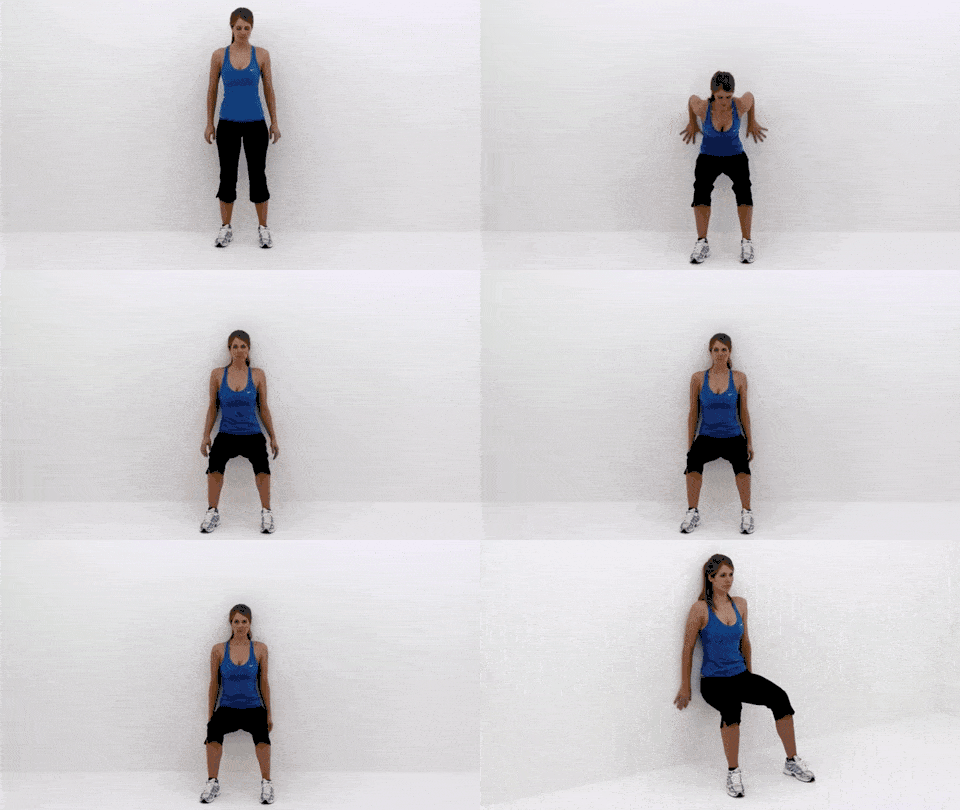
Wall sits are an easy exercise to try when you have plantar fasciitis. Stand with your back against a wall, hands on the wall at shoulder height or higher, and feet about six inches away from the wall.
Slowly slide down the wall until your thighs are parallel to the floor, and then slide up again. Repeat this exercise 10 times, 2-3 times a day.
2 Heel Raises.
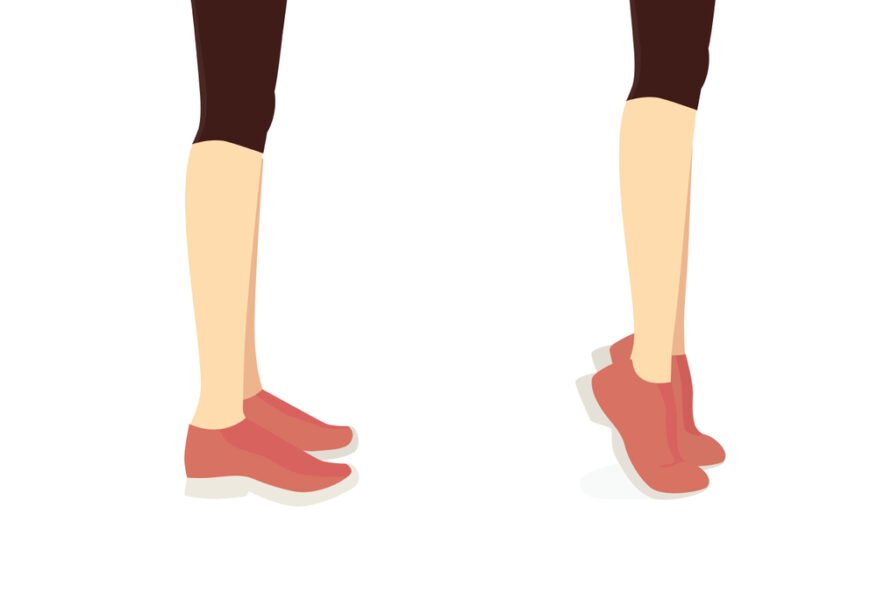
Heel raises are a great way to start treating plantar fasciitis and strengthening the muscles. Stand with your feet hip-width apart, toes pointing forward.
Raise up on your toes as high as you can go without discomfort, hold it, then lower back down. Repeat this 10 times with each foot and increase repetitions as strength improves.
3 Toe taps.
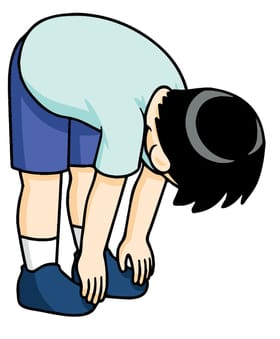
Toe taps are a great strength exercise for those suffering from plantar fasciitis. To do toe taps, stand with your feet together and toes pointing straight ahead. Slowly bend at the knees, keeping your back straight and hands on the ground just in front of your feet, until you feel a stretch in your calf muscles.
Hold this position briefly before returning to an upright position and bringing one foot towards the other foot as close as possible without touching it. Switch legs and repeat 10 times per side, alternating legs with each set of toe taps.
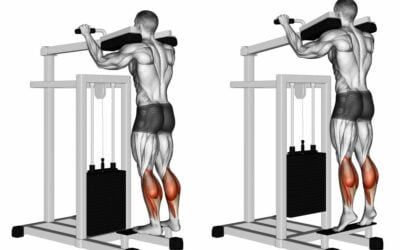
4 Calf raises.
Calf raises are one of the best strength exercises for plantar fasciitis sufferers. They work to strengthen the muscles in your lower leg and feet, which can help alleviate some of the pain caused by this condition.
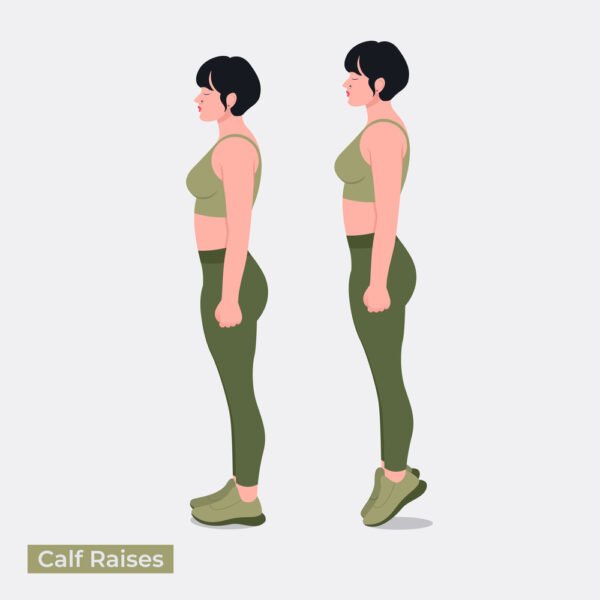
To do a calf raise, stand on a step and place your toes at the edge of it. Use your toes as leverage to gradually raise up on the balls of your feet with your heels still in contact with the ground. Push through your toes to return down to starting position.
For an added challenge, try doing these while standing on something unstable like a towel or balance board.
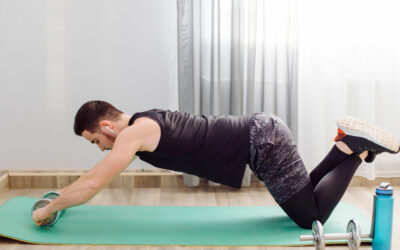
5 Plank.
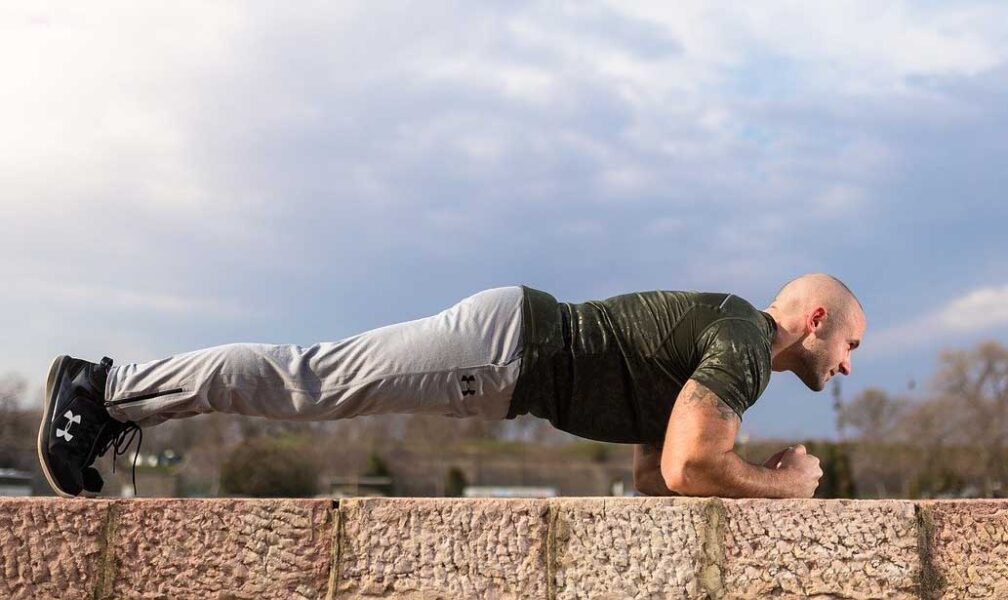
Planks should be done regularly because it strengthen many key core muscles that will help stabilize the foot during activities such as walking or running that can aggravate plantar fasciitis symptoms otherwise.
6 Hamstring curls.
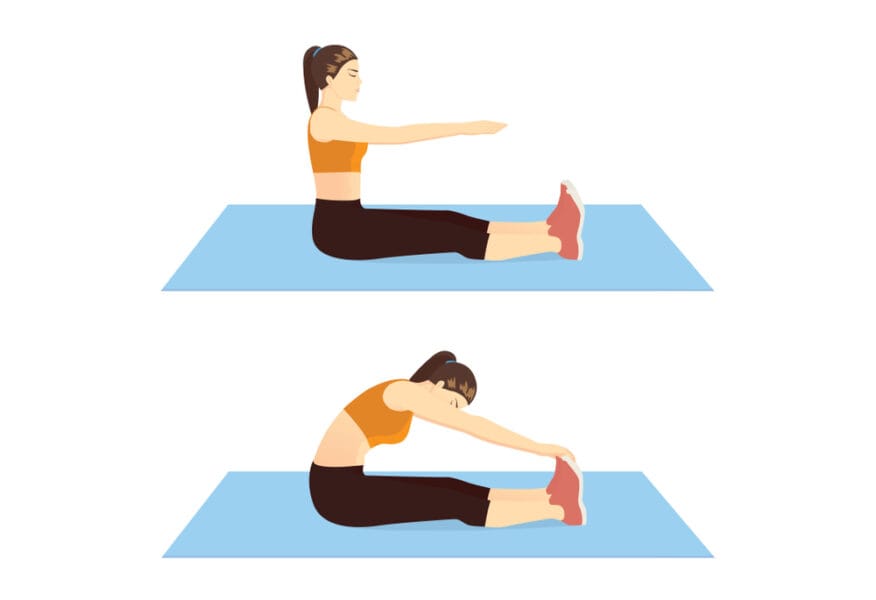
Hamstring curls are one of the best strength exercises for plantar fasciitis sufferers. They help strengthen your lower back, glutes and hamstrings, which can all be helpful in preventing injury. With the right form and enough repetitions, hamstring curls can be a great way to prevent injury while you’re on the go. Try them out!
7 Lying Straight Leg Raise.
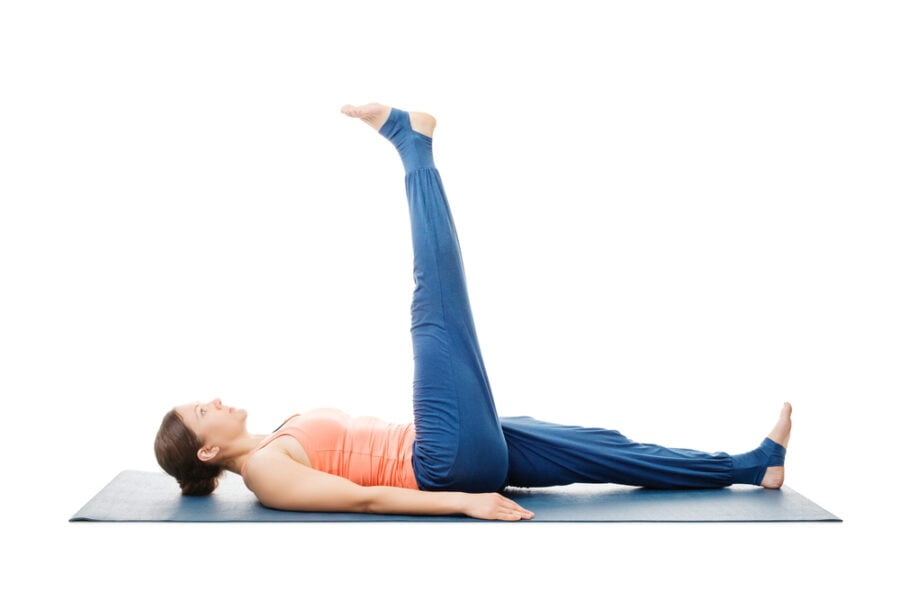
To do this exercise, lie flat on your stomach with your arms stretched out in front of you. Bend your left leg so that it is pointing up toward the ceiling. Straighten out your left leg so that it is fully extended. Next, lift both legs up off the ground as high as possible without lifting any other body parts off the ground (keep arms flat). Slowly bring both legs down to touch each other and then repeat 10 more times.
8 Quadriceps stretches or plantar fasciitis stretches in bed.
Quadriceps stretches are one of the most common types of stretch because they can be done anywhere (even on your bed), anytime. To do a quad stretch, you need to sit on the floor with your right leg out in front of you.
Put your right heel on the ground and bend your left knee so that it is touching your chest. Grab the back of your left thigh and pull up gently until you feel a stretch in your right thigh. Hold this position for 30 seconds and repeat on the other side.
9 Achilles Stretches.
- Stretching the Achilles tendon can help reduce pain and inflammation in your foot. It is important to stretch both feet equally. So, we will go over some stretches you can do at home.(1)
Stand with your heel on a pillow or towel and use the other foot to pull your toes up towards your body until you feel a stretch in your calf muscle. Hold for 30 seconds, then switch feet and repeat. - Sit on the floor with one leg straight out in front of you and the other bent in front of it with your ankle resting on top of your knee. Pull your toes towards yourself until you feel a stretch in that calf muscle. Hold for 30 seconds, then switch legs and repeat.
10 Foot roll.
- Place a small foam roller under your feet and push back with your feet against it as you lie on your back with legs up on a chair. Hold for 30 seconds. Repeat 3 times.

- Sit on the ground with one leg crossed over the other. Place your hands behind you to support your body weight and slowly bring your knee towards you until it reaches a 90-degree angle while keeping an upright posture.
- This exercise stretches tight calf muscles which can contribute to plantar fasciitis pain.(2)
- Repeat 5 times on each side then switch positions and repeat 5 more times on each side.
plantar fasciitis exercises to avoid.
The exercises that need to be avoided when you have Plantar Fasciitis are:
- Running and jogging.
- Plyometrics.
- Burpees.
- Aerobics.
- Cardio.
Massage for Plantar Fasciitis.
Massage therapy is a natural way to reduce the pain and soreness associated with plantar fasciitis. Massages can be applied using any number of techniques, including deep tissue massage and trigger point therapy.
The goal is to loosen up tight muscles and increase blood flow in the feet. This will help reduce inflammation and pain.
A deep tissue massage should be performed by someone who has experience in treating plantar fasciitis because it requires an intense amount of pressure to release tension in the heel region, which reduces stress on the fascia.
Trigger point therapy works similarly, targeting specific points of muscle tenderness and applying pressure until they release their tension. These techniques can be done once or twice a day depending on how much time you have available.
Bottom Line.
Plantar fasciitis is a common cause of heel pain. Symptoms may include sharp, stabbing pain and stiffness in the morning or after periods of rest, especially first thing in the morning when getting out of bed. Pain may worsen after you have been standing for long periods of time or after exercise. The good news is that there are some above mentioned exercises that can help with this condition.
+2 Sources
Freaktofit has strict sourcing guidelines and relies on peer-reviewed studies, educational research institutes, and medical organizations. We avoid using tertiary references. You can learn more about how we ensure our content is accurate and up-to-date by reading our editorial policy.
- Effectiveness of the Simultaneous Stretching of the Achilles Tendon and Plantar Fascia in Individuals With Plantar Fasciitis; https://pubmed.ncbi.nlm.nih.gov/28985685/
- Immediate effect of foam roller on pain and ankle range of motion in patients with plantar fasciitis: A randomized controlled trial; https://www.ncbi.nlm.nih.gov/pmc/articles/PMC8158403/