
































 Workout

 Meditation


 Podcast
 E-book


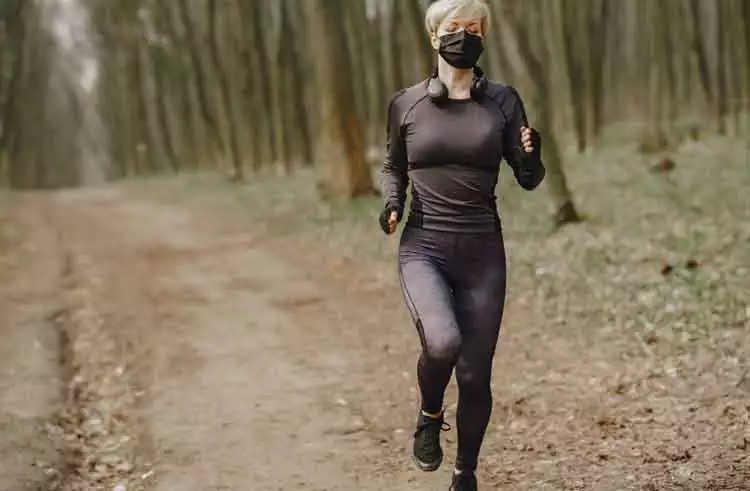
The COVID-19 pandemic is an unprecedented time all over the world. Comprehensive social removal policies are implemented, restricting people’s daily activities around the world, while people are asked to stay safe and stay at home. Therefore, today we will tell you why physical activity is important during covid-19. Physical activities during COVID-19 pandemic may be a challenge for all of us, but it is important that we find and plan ways to stay active and reduce our sedentary time. Although, our movement around our neighborhoods, cities, countries and the world may be restricted.(1)
These social pathology measures mean that people are getting little opportunity for physical activities during COVID-19.(2)
The impact of this physical inactivity can be seen in many areas such as health and social care and the mental well-being of people around the world.
Although these social removal measures are important and necessary at a time when our body and mind still need physical activity and its many benefits.
Related Stories
 Amber Heard Leaked Complete Fitness & Diet Routine Breakdown
 What to Look For When Buying Used Fitness Equipment
It’s hard for most of us to do what kind of exercise we normally practice. This is even more difficult for those who usually don’t do too much physical exercise.
But in this way, it is very important for people of all ages and abilities to be as active as possible. “WHO’s be Active campaign” aims to help you do it and have some fun at the same time.
Remember, just take a little break from sitting. Physical activities during COVID-19 with a light intensity of 3-4 minutes such as walking, jogging, cycling or stretching will relax your muscles and improve blood circulation and muscle activity.
Regular physical activity give our days a routine and be a way to stay in touch with family and friends.
| Read Now: “Hydroxychloroquine” for COVID-19. |
What is Physical Activity?
Physical activity is a physical movements produced by skeletal muscles, requiring energy expenditure.(3) There are two types of physical activities, such as;
Aerobic Fitness.
This usually involves moderate to vigorous activity that makes you feel a little warmer, causing your breathing to swell and increase your heart rate.
Power and Balance.
It is often the forgotten component of physical activity, but it is an essential part and has many advantages. There are several physical activities which includes;
Active Entertainment.
Activity with entertainment such as sports, cycling, dance, gardening, home cleaning etc. Even if it’s only a short break from sitting and walking or stretching at your desk.(4)
| Read Now: Are your Heart at Risk by COVID-19. |
What are the Advantages of Physical Activities Among the Adults and Older People?
- Strengthening your immune system.
- Reduces high blood pressure.
- Control obesity.
- Reduces risk of heart disease.
- Control diabetes.
- Reduces the risk of stroke.
- Eases the risk of some cancers.
- Improves bone and muscle strength.
- Develops balance.
- Improves flexibility.
- Promotes fitness.
- Boost mental health.
- Reduces depression.
- Reduces cognitive decline.
What are the Advantages of Physical Activities among the Children?
- Support healthy growth and development.(5)
- Reduce the risk of illness.(6)
- Improve strength and balance.
Often, strength and balance training is considered a part of physical activity and many people focus only on the aerobic fitness component and its benefits. The benefits of strength and balance training includes;
Advantages of Strength and Balance Training.
- Improves lipid profile.(7),(8),(9)
- Improves blood fluid profile.
- Improving vascular function.
- Boost immunity.(10)
- Builds and maintains muscle.
- Enhances oxidative capacity.
- Improves the trajectory of aging.
- Improves sensitivity to blood sugar.(11),(12)
- Control blood pressure.(13)
- Improves body structure and a healthy weight.
It is therefore important to find ways to limit the impact of the COVID-19 pandemic, as well as its extensive impact on long-term diseases.
| Read Now: Top Immune booster Diet for COVID-19. |
How Much Physical Activity is Recommended for Your Age Group?
According to WHO’s recommendations on the amount of physical activity that people of all ages should do for their health and well-being.
- All infants should be physically active several times a day.
- For those who don’t yet have mobile, it includes at least 30 minutes in the proton position (belly time), as the drama based on the floor spreads throughout the day while awake.
Children Under 5 Years of Age.
- All young children should spend at least 180 minutes a day in any type of physical activity.
- 3-4 year old should spend at least 60 minutes in moderate-to-acute physical activity.
Children and Teens Aged 5-17 Years.
- All children and adolescents should do at least 60 minutes a day for moderate to vigorous-intensity physical activity.
- It should include muscle and bone strengthening activities, at least 3 days per week.
- Doing more than 60 minutes of physical activity daily will provide additional health benefits.
Adults Over the Age of 18.
- All adults should perform at least 150 minutes of moderate-intensity physical activity throughout the week or at least 75 minutes of vigorous-intensity physical activity throughout the week.
- For additional health benefits, adults should increase their moderate-intensity physical activity by 250-300 minutes per week or equivalent.
- To develop and maintain musculoskeletal health, muscle strengthening activities involving major muscle groups should be carried out in 2 or more weeks.
- In addition, older adults with poor mobility should perform physical activity to increase balance and prevent falling on 3 or more days per week.
Why Physical Activity is Important During Covid-19?
In light of the current situation around the world, some benefits of physical activity may be particularly relevant to the COVID-19 pandemic. These benefits are:
- Physical activity increases immune function and reduces inflammation, so it can reduce the severity of infection.(14)
- It improves common chronic conditions that increase the risk for severe COVID-19 (i.e. heart disease, diabetes).(15)
- Yoga or other activities reduce the symptoms of anxiety and depression.
- Physical activity helps to bring cortisol levels into balance, stress and distress, creates an imbalance in cortisol levels.(16)
Musculoskeletal Decoding.
During the lock down period where many people’s daily activities are prohibited, most people are likely to have musculoskeletal decoding.
In fit and healthy people it will be less noticeable, but in older people, people with diagnosed health conditions or people who work very close to functional thresholds, musculoskeletal decoding will be more pronounced.
This musculoskeletal decoding can have a significant impact on these vulnerable populations and potentially increase the risk of injuries related to falling, such as hip fractures.(17)
On the view of the potential impact of physical inactivity during lock down, there are several ways that physiotherapists can adopt about significant changes in the lives of their patients.
Role of Physicians.
Physicians need to be careful about the impact of lock down on people’s mental and physical well-being. Now, the overall aspects of our assessment need to be more emphasized, especially given the stress on the mental well-being of so many people. They are unsure, anxious and isolated during lock down.
They should consider aspects of muscle strength and decoding when assessing their patients. Although, it generally considered in the assessment, it may need to be prioritized and physiotherapists need to find ways to support their customers.
If areas of musculoskeletal decoding are not addressed, it can affect a person’s aging trajectory and their overall well-being.
During lock down, physiotherapists can become active and effective as a global workforce through people’s support to stay physically active.
Ways Physiotherapists can Boost Physical Activity after Relive of Lock down.
- Encourage people to break down their period of inactivity.
- Reassure people to engage in aerobic activity on a daily basis.
- Encourage people to engage in power and balance exercises two to three times a week.
- Train major functional muscle groups.
- Focus on exercise which improve mental health.
Ways to Stay Physically Active During COVID-19.
- Being physically active during self-isolation.
- Do not exercise if you have fever, cough or difficulty in breathing.
- When exercising outside and practicing good hand hygiene before and after, practice social distance.
- If you are not doing complex physical activities during COVID-19, start slow activities such as walking and exercising less for a short time.
- Choose the right activity to reduce the risk of injury. The intensity of exercise should match your fitness level and health status.
Bottom Line.
Many countries in the world are currently in some or any other form of lock down or restricted movement policy and are practicing social distance. Some countries have stringent measures regarding exercise and only people are out of their homes once a day. Only allow people to get out of their homes within a particular time frame.
It is propagated in the media that these different measures of lock down can have a positive impact on people’s activity levels, as well as reports of more people running out, walking, cycling, etc., we should be vigilant thinking that this makes people feel that it is now adopting a more active and healthy lifestyle.
Physical activities during COVID-19 may be organize over a period of 24 hours in many different ways, such as games, exercise is a small part of physical activity. Most people can do various activities such as housework, jogging and walking etc. as a physical activities COVID-19.
+17 Sources
Freaktofit has strict sourcing guidelines and relies on peer-reviewed studies, educational research institutes, and medical organizations. We avoid using tertiary references. You can learn more about how we ensure our content is accurate and up-to-date by reading our editorial policy.
- Coronavirus disease (COVID-19): The need to maintain regular physical activity while taking precautions; https://www.ncbi.nlm.nih.gov/pmc/articles/PMC7031771/
- How to stay fit and active at home during the coronavirus self-isolation; https://theconversation.com/how-to-stay-fit-and-active-at-home-during-the-coronavirus-self-isolation-134044
- Physical activity; https://www.who.int/health-topics/physical-activity#tab=tab_1
- Coronavirus disease (COVID-19): Staying active; https://www.who.int/emergencies/diseases/novel-coronavirus-2019/question-and-answers-hub/q-a-detail/coronavirus-disease-covid-19-staying-active
- Physical Activity and Physical Education: Relationship to Growth, Development, and Health; https://www.ncbi.nlm.nih.gov/books/NBK201497/
- The benefits of physical activity in childhood; https://pubmed.ncbi.nlm.nih.gov/7503112/
- Physical Activity and Lipid Profile in the ELSA-Brasil Study; https://www.ncbi.nlm.nih.gov/pmc/articles/PMC4976951/
- Effects of aerobic exercise on lipids and lipoproteins; https://www.ncbi.nlm.nih.gov/pmc/articles/PMC5498979/
- Impact of physical activity on the association between lipid profiles and mortality among older people; https://www.nature.com/articles/s41598-017-07857-7
- Immune Function and Muscle Adaptations to Resistance exercise in Older Adults: Study Protocol for a Randomized Controlled Trial of a Nutritional Supplement; https://www.ncbi.nlm.nih.gov/pmc/articles/PMC4411711/
- The impact of brief high-intensity exercise on blood glucose levels; https://www.ncbi.nlm.nih.gov/pmc/articles/PMC3587394/
- Exercise and Type 2 Diabetes; https://www.ncbi.nlm.nih.gov/pmc/articles/PMC2992225/
- Blood pressure response to resistance training in hypertensive and normotensive older women; https://www.ncbi.nlm.nih.gov/pmc/articles/PMC5898885/
- The compelling link between physical activity and the body’s defense system; https://www.sciencedirect.com/science/article/pii/S2095254618301005
- Chronic disease and the link to physical activity; https://www.sciencedirect.com/science/article/pii/S2095254612000701
- The Effects of Stress on Physical Activity and Exercise; https://www.ncbi.nlm.nih.gov/pmc/articles/PMC3894304/
- Physical Activity and Hip Fracture Disability: A Review; https://www.ncbi.nlm.nih.gov/pmc/articles/PMC3092612/