


































 Workout

 Meditation


 Podcast
 E-book


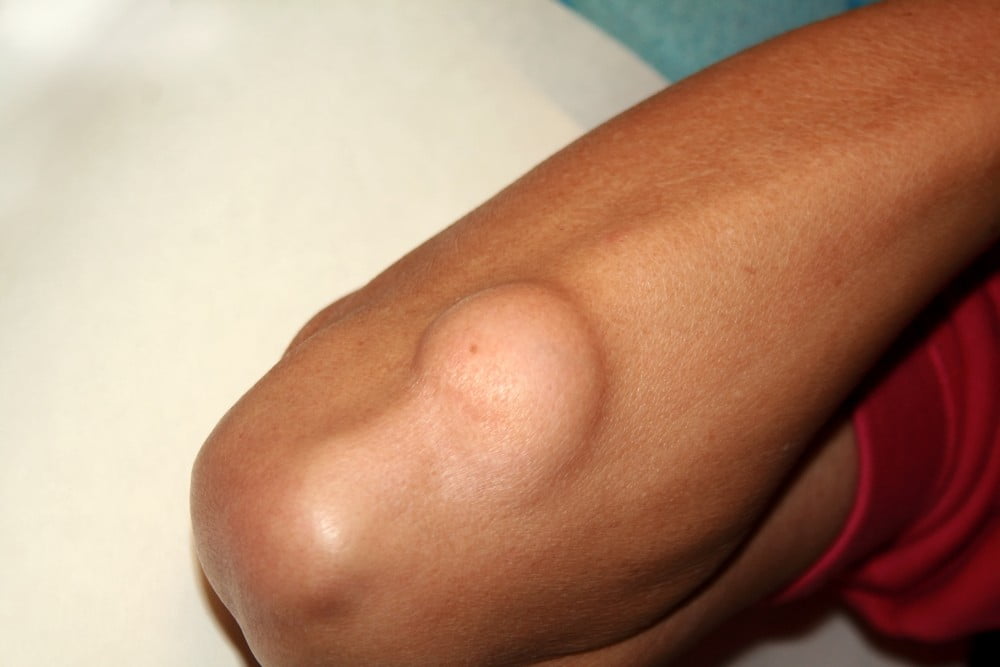
Sometimes lumps form anywhere in our body. It is also known as a lump of fat or lipoma in common language. Although it doesn’t hurt much, it looks strange. If this lump is visible to everyone, it feels worse. If you are going through such problem, this article can help you to a great extent. In this article, we will explain symptoms and cause as well as the treatment of lipoma by yoga and pranayama.
Causes.
There can be many reasons for the accumulation of lumps.(1) Here are some of the main reasons;
- Congenital.
- Causes of wounds.
- Fatness.
- Excessive alcohol intake.
- Liver diseases.

Symptoms.
The symptoms are begin to appear before it develops. Timely treatment can prevent this problem. The main symptoms of lipoma are as follows;
- This lump is visible on the neck, shoulders, hands, waist, stomach and thighs.
- The lump is felt when touched and can move from its place when pressed.
- If a vein is pressurized due to a lump, it can cause pain.
- This may also cause constipation in some people.
Related Stories
 The Reclined Cobbler Pose: Unlocking Flexibility and Relaxation
 Mastering the Scissors Pose Yoga: A Comprehensive Guide for Flexibility, Balance, and Core Strength
How To Treat Lipoma?
Fat lumps can be reduced by adopting some other methods besides home remedies. Here are some tips that can help you to reduce this problem to some extent.
Staying hydrated : Some problems are caused by imbalance of fluid and blood flow in the body. Therefore, it is important to drink plenty of water to keep the body hydrated. Water can help you to reduce lumps.
Avoid caffeine intake: Coffee and tea are rich in caffeine, which can cause lumps to grow. You can consume fruit juices instead.
Avoiding oily and spiced food: It is believed that consuming oily and spiced food increases sweating and increases bacteria in the body. This can lead to a variety of problems, including fat lumps. Therefore, avoid eating such foods.
Cleanliness: Keep yourself and your surroundings clean. This will not only keep lipoma, but also other diseases away from you. Apart from these, we will also tell you some effective yoga poses for the treatment of lipoma.

Diet for Lipoma.
Diet also plays an important role in reducing fat lumps. Here’s what to eat and what kind of food to avoid in such a situation;
What to eat?
- Watermelon.
- Cottage cheese.
- Eggs.
- Fish.
- Carrot.
What not to eat?
- Oily and Spiced Foods.
- Coconut.
- Red Meat.
| Read Now: 14 Unexpected Health Benefits of Yoga |
Yoga for Lipoma.
Here are some yoga poses which are effective to treat lipoma;
- Surya Namaskar.
- Mandukasana.
- Gomukhasana.
- Ustrasana.
- Bhujangasana.
- Shalabhasana.
- Pawanmuktasana.
- Uttanpadasana.
- Naukasana.
- Setu Bandh Asana.
Pranayama.
- Kapalbhati.
- Anulom Vilom.
- Bhastrika.
Surya Namaskar.
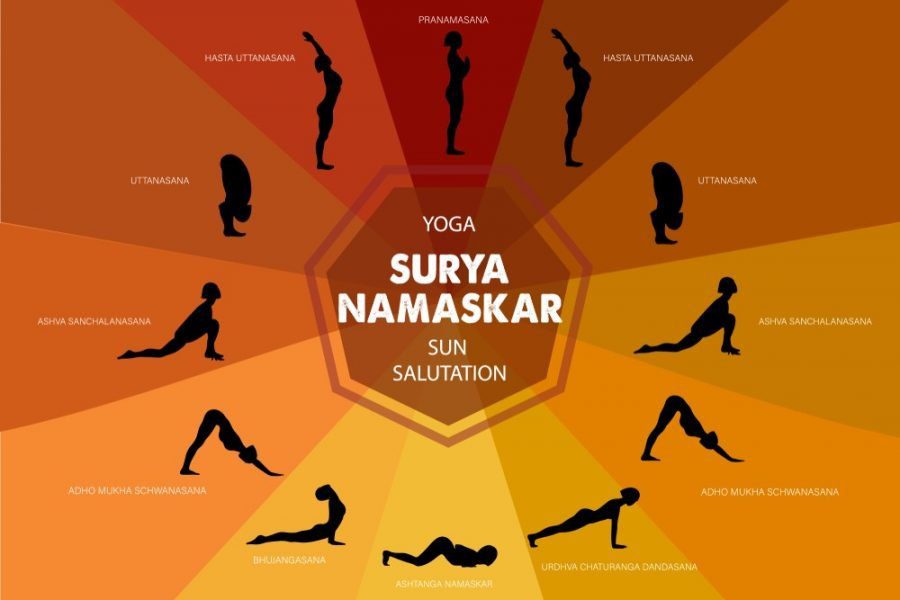
1 Pranamasana (The Prayer Pose).
Stand straight by facing at the sun and joint the both legs, keep the waist straight. Now bring the hands to the chest and joint both palms and form a state of prostration.
2 Hasta Uttanasana (Raised Arms Pose).
Stand at the first stage and lift your hands above your head and keep them straight. Now move your hands backwards in the state of prostration and tilt the waist backwards.
3 Padahastasana (Standing Forward Bend).
Now exhale slowly and touch the toes with your hands bending forward. Your head should be on your knees at this time.
4 Ashwa Sanchalanasana (Equestrian Pose).
Breathe slowly and spread your legs straight backwards. The knee of the foot should meet the ground directly. Now bend the other leg from the knee and keep the palms straight on the ground. Place your head towards the sky.
5 Dandasana (Staff Pose).
Now exhale and place both hands and feet in a straight line and come to the position of push-up.
6 Ashtanga Namaskara (Eight Limbed pose or Caterpillar pose).
Now inhale and joint your palms, chest, knees and feet to the ground. Stay in this state and hold your breath.
7 Bhujangasana (Cobra Pose).
Now place the palms on the ground and tilt the head back to the sky as much as possible, shaking the stomach to the ground.
8 Adho Mukha Svanasana (Downward-facing Dog Pose).
It is also known as parvatasana. Keep your feet straight on the ground and lift the hip upwards to practice it. Keep the shoulders straight while exhaling and keep the head inward.
9 Ashwa Sanchalanasana (Equestrian Pose).
Breathe slowly and spread your legs straight backwards. The knee of the foot should touch the ground directly. Now bend the other leg from the knee and keep the palms straight on the ground. Place your head towards the sky.
10 Padahastasana (Hand Under Foot Pose).
Now exhale slowly and touch the toes with your hands bending forward. Your head should be on your knees at this time.
11 Hasta Uttanasana (Raised Arms Pose).
Stand at the first stage and lift your hands above your head and keep them straight. Now move your hands backwards in the state of prostration and tilt the waist backwards. In the meantime, you will make half the moon shape. This asana is also known as crescent moon.
12 Pranamasana (The Prayer Pose).
Stand straight by facing at the sun and joint both legs, keep the waist straight. Now bring the hands to the chest and joint both the palms to form a state of prostration.
Mandukasana.
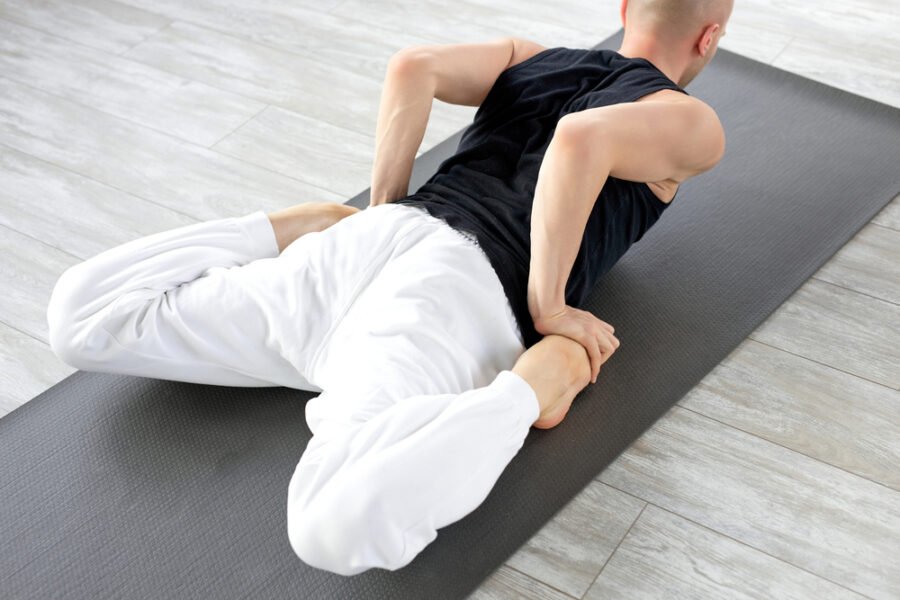
- First of all, sit in vajrasana.
- Now, tie your fist and bring it to the navel.
- Place the fist near the navel and thigh so that the fist is erect and the fingers are on your abdomen.
- Exhale and bend forward, bring the chest down in such a way that it rests on the thighs.
- You should bow down in such a way that the navel is under pressure.
- Keep your head and neck raised, keep your eyes in front.
- Breathe slowly and exhale slowly and maintain this condition as much as possible.
- Then breathe and come to your normal state and relax.
- It is a cycle.
- You can do it 3-5 times.
Gomukhasana.
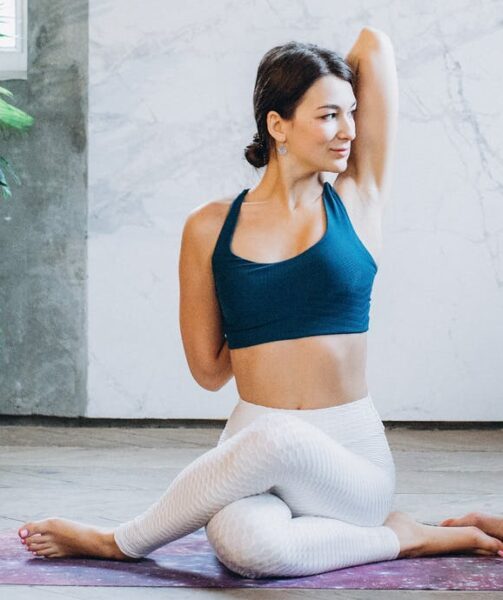
- It is another effective yoga pose for lipoma. First of all, sit with both legs stretched forward and place your hand next to you.
- Bend the left foot from the knee and place it on the ground next to the right hip (Buttocks).
- Similarly, bend the right foot from the knee, bring it from the top of the left foot and place the right heel near the left hip (Buttocks).
- Now raise the left hand and bend it with the elbow and move it backwards down to the shoulders.
- Raise the right arm, bend with the elbow and move upwards and back.
- Place the fingers of both hands behind the back in such a way that they interwoven each other.
- Now try to push the head backwards as much as possible by resting it on the elbow.
- Try to look forward as far as possible and hold the asana as you like.
- It was half a cycle.
- Repeat this by changing the position of the feet and hands.
- Now one cycle is complete, this way you do it three to five times.
Ustrasana.
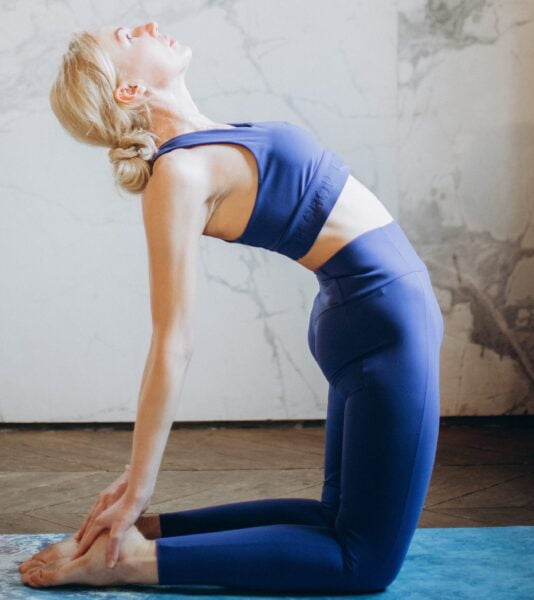
- First you get down on your knees on the floor or sit in vajrasana.
- Keep your thighs and legs together, your toes should be backwards and must touched the floor.
- Keep a distance of about one foot between the knees and feet.
- Now stand on your knees.
- Bend backwards while breathing and now place the right palm on the right heel and the left palm on the left heel.
- Be careful not to jerk the neck while bending back.
- At last, the thighs will be making right angles from the floor and the head will be tilted backwards.
- The body weight should be equally on the arms and feet.
- Breathe slowly and exhale slowly.
- Maintain this pose as much as possible.
- And then exhale deeply and come to your early stages.
- It is a cycle.
- This way you can do it five to seven times. It is consider as one of the effective yoga pose for lipoma.
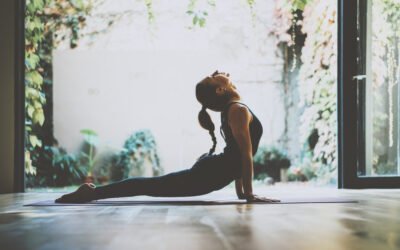
Bhujangasana.
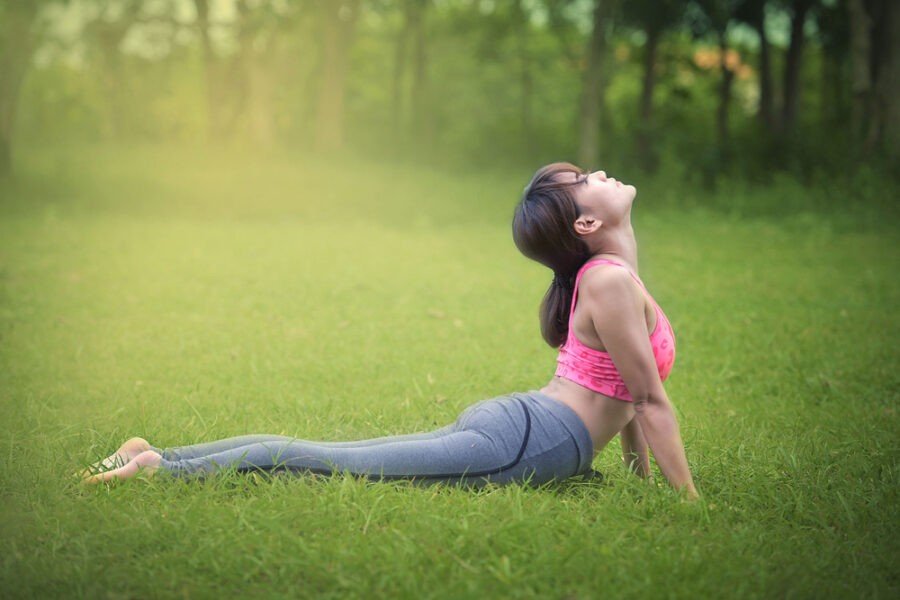
- First lie down on the yoga mat on the stomach, place your hands on both sides of the head and rest the forehead on the ground.
- During this time, stretch your feet and keep a short distance between them.
- Now bring your palms with your shoulders. Then, with a deep breath, try to lift the body up to the navel, pressing it from the hands to the ground.
- You must first raise the head, then the chest, and finally the navel.
- Try to stay in this position and look at the sky and stay in this position for a while.
- During this time, keep your body weight equal on both hands and keep breathing normally.
- Now slowly exhale and come to your infancy.
- This way you will complete a cycle.
- You can complete three to five cycles of this yoga to the best of your ability.
Shalabhasana.
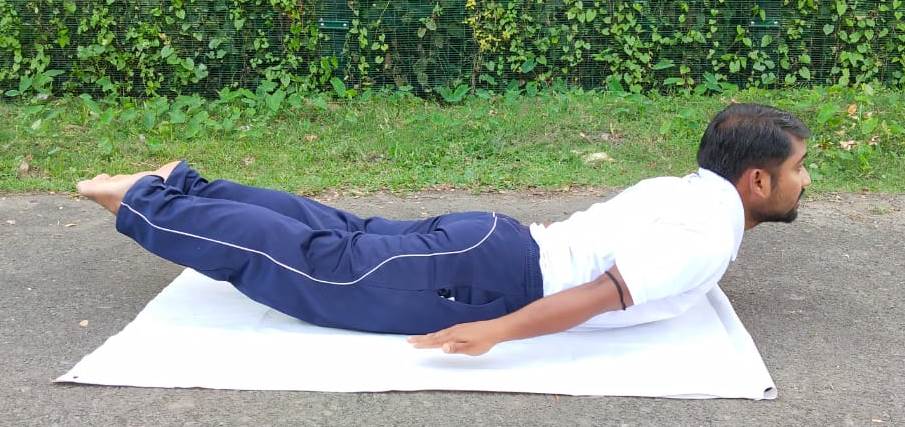
- First of all, lie down on your stomach.
- Place your palms under the thighs.
- Connect the heels together.
- Inhale and move your feet up as much as possible.
- Breathe slowly and then exhale slowly and maintain this state.
- Exhale and bring your feet down.
- It is a cycle.
- This way you can do it 3 to 5 times.
Pawanmuktasana.
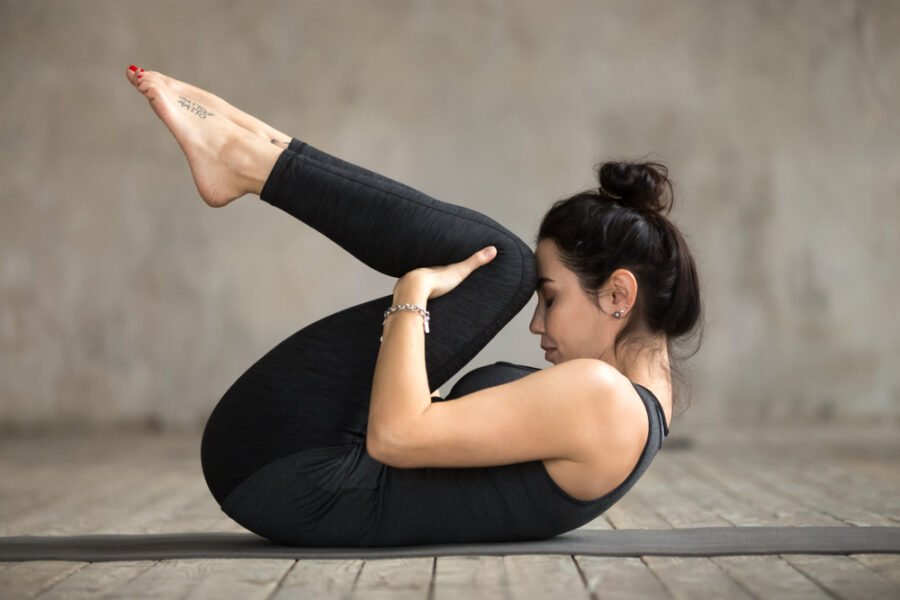
- It is another effective yoga pose for lipoma. First of all, lie down on your back.
- Stretch both legs and reduce the distance between them.
- Now raise both legs and bend your knees.
- Surround the knees with your arms.
- Exhale, press your knees and bring it to the chest. Raise your head and bring the knees close to the chest so that the chin touches the knees.
- Maintain this position as far as possible.
- Then breathe and bring your feet to the ground.
- It is a cycle.
- This way you can do 3 to 5 times.
Uttanpadasana.
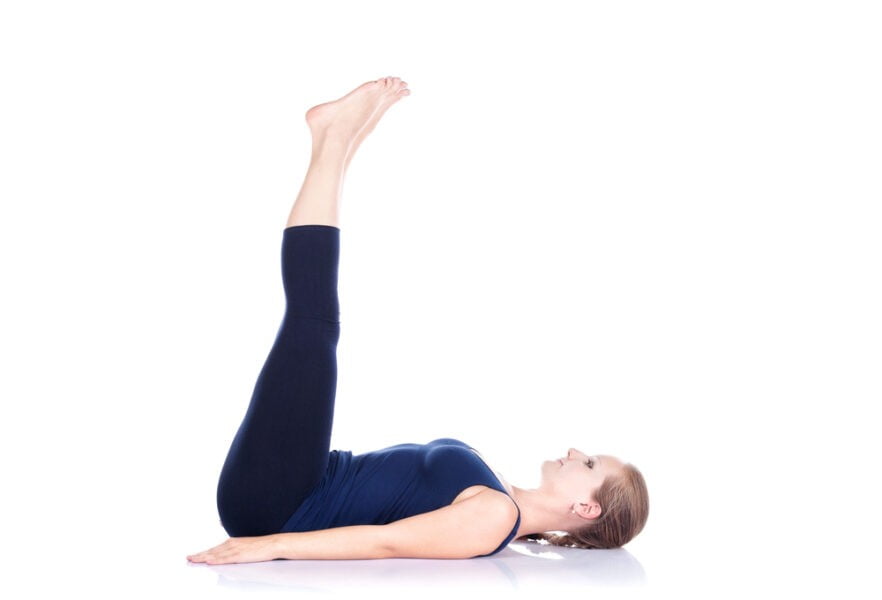
- Lie down comfortably on the ground and spread your legs. There should not be a distance between the legs.
- Let the hands be kept close to the body.
- Inhale and lift at 30 degrees slowly without bending your feet.
- Breathe slowly and then exhale slowly and stay in the same posture.
- Exhale and bring both feet down.
- This is a cycle.
- This way you can do it 3 to 5 times.
| Read Now: 7 Effective Yoga Poses for Intermediates |
Naukasana.
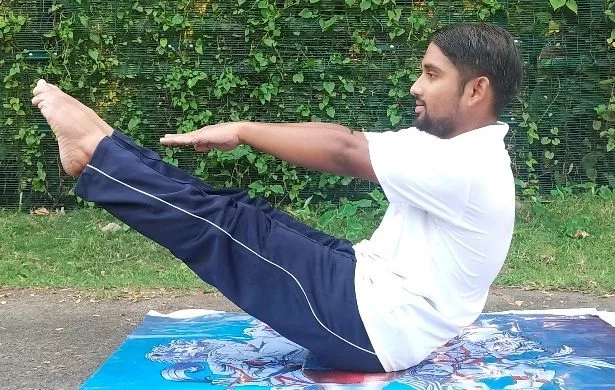
- Lie down on your back.
- With a deep breath, you can lift both the feet upward.
- Both hands and feet will be parallel.
- Place your body at an angle of 45 degree, without bending your knees and elbows.
- Exhale and come down comfortably.
Setu bandha Asana.
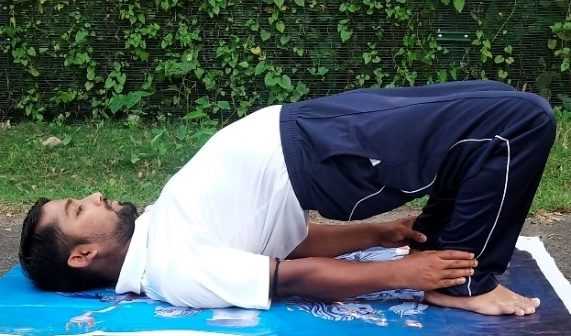
- First lie down on your back on the ground.
- Then bend your knees and keep a distance on the ground between your feet and hip.
- The distance from the pelvis should be 10 to 12 inches and at the same time the knees and heels of the feet should be in a straight line.
- Then move both arms under your body in the position with your hips and knees raised up and interlock the two palms together. Palms should touch the ground.
- Now breathe and gently lift your lower back above the ground. In the meantime, the middle part and the upper part of your back should also rise above the ground.
- Then gently bend your shoulders and try to touch the chest with your chin without bending it. Maintain the balance of your body weight on your shoulders, arms and feet and leave the palms open on the ground.
- Now feel the middle part of your body in this posture and place both your thighs parallel to each other on the ground.
- Interlock the palms and try to lift the torso of the head slightly above the ground while pushing them with palms on the ground. You can also raise your back with the help of your palms if you want.
- Then breathe slowly.
- Stay in this posture for 30 seconds to 1 minute and exhale slowly while in the same posture and practice this posture several times. It is considered as one of the best yoga pose for lipoma.
Pranayama for Lipoma.
Kapalbhati.
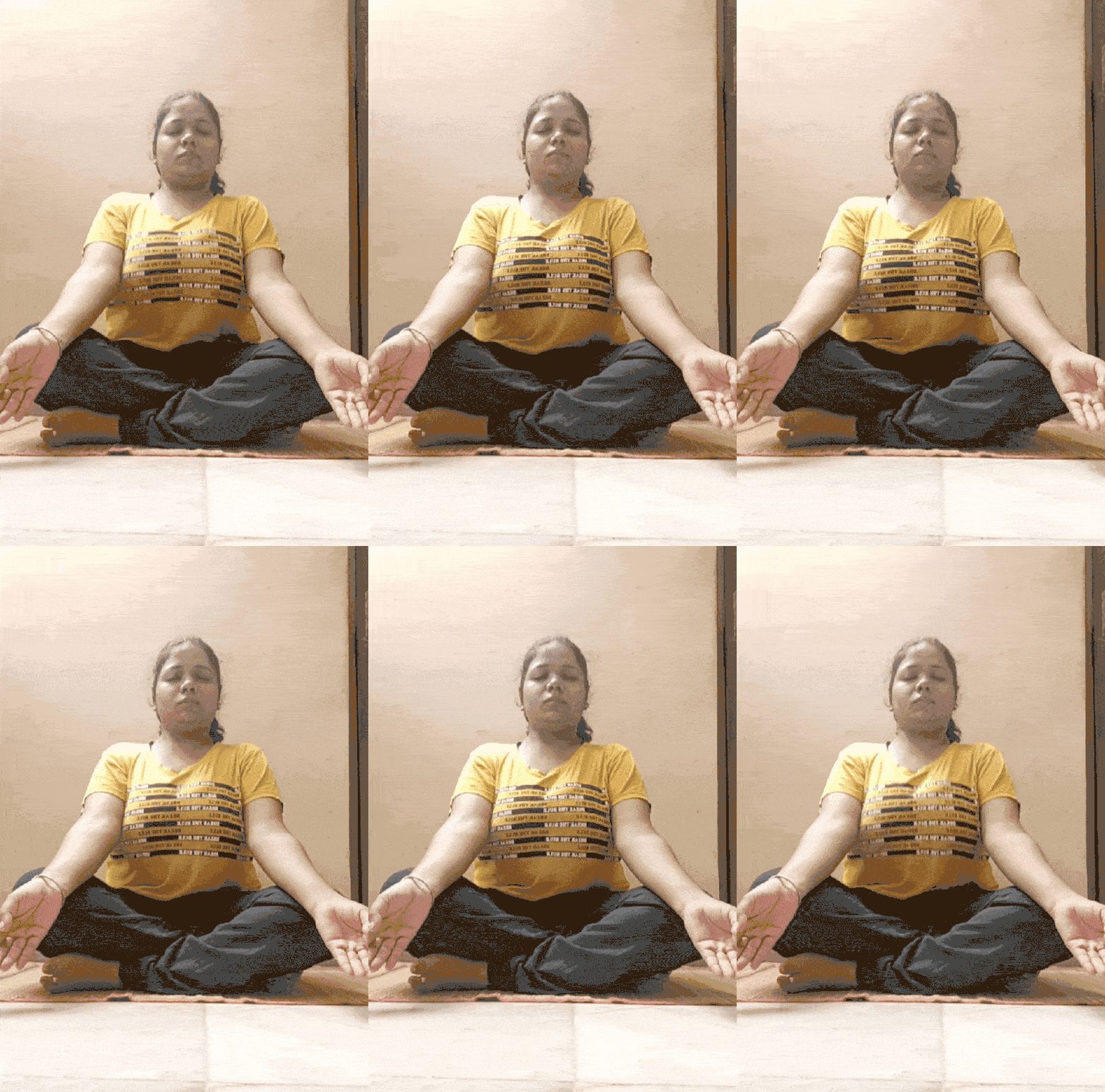
Apart from yoga for lipoma, pranayama also plays a vital role.
- First sit in vajrasana or sukhasana. Keep your shoulders and neck relaxed while keeping your spine straight.
- Keep both hands in a meditation posture.
- If both nostrils are open, take a deep breath and start exhaling with force squeezing into the stomach.
- Your entire focus should be only on your breath. The breath automatically goes in at short intervals.
- Now, with both the nostrils of the nose, you have to exhale with the force of squeezing it into the stomach.
- Try to do this process 50 to 60 times in 1 minute.
- If you feel tired after a few strokes, relax and resume with a deep breath.
- And by practicing slowly, the number of stroke can be done up to 100 in 1 minute.
Anulom Vilom.
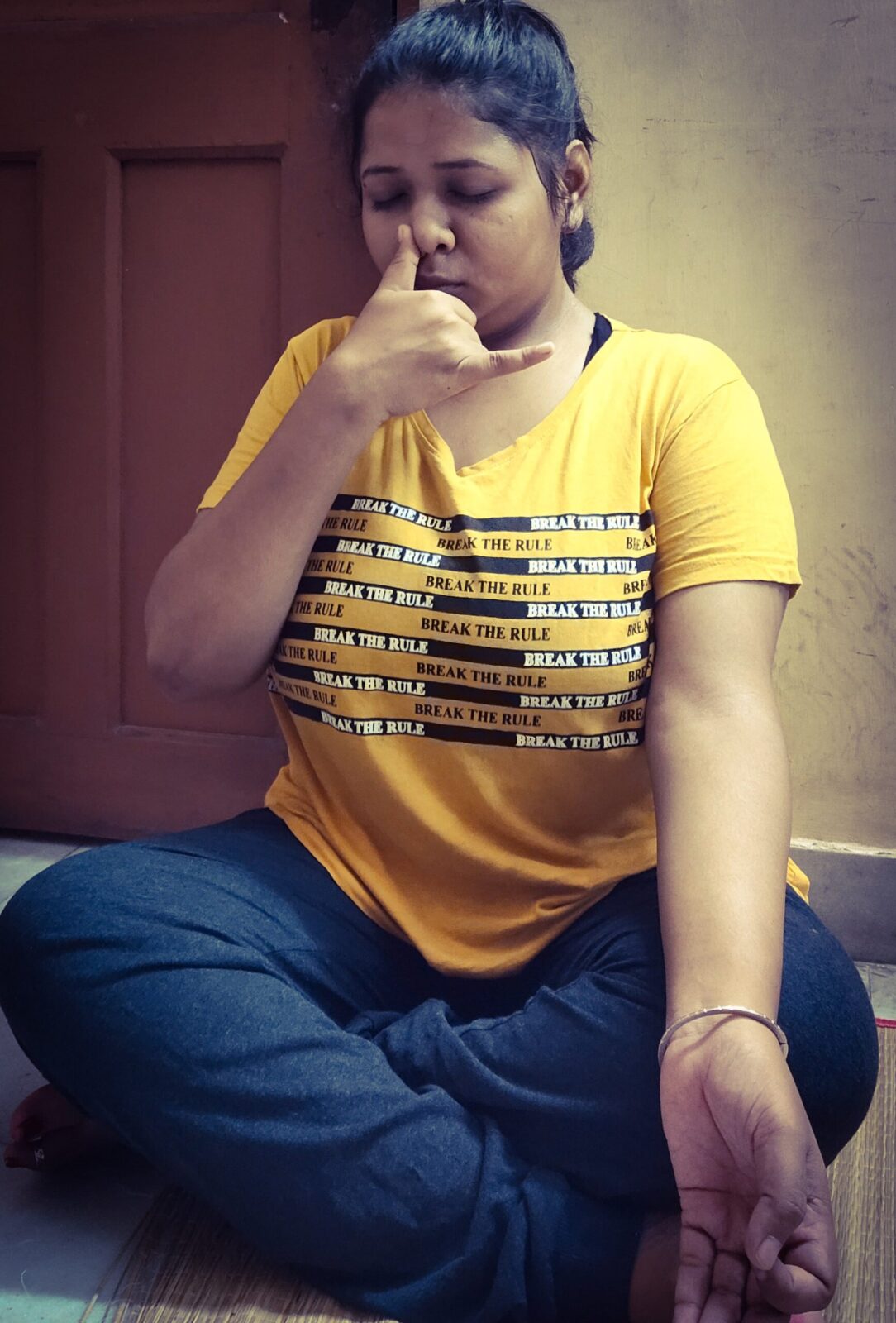
First of all, a certain hour of the day has to be selected. Morning is considered to be the ideal time to practice yoga. In the midst of fresh morning air, anulom-vilom will work to keep you healthy in a more effective way. You can also practice this pranayama in the evening if you want. Now find out the following systematic method;
- Choose a clean place and lay a yoga mat or a clean sheet there. It should be noted that only the thumb of the right hand and the middle finger of the right hand will be used for anulom-vilom.
- Now you have to sit in the posture of padmasana, i.e., place the toe of the left foot on your right thigh and the toe of the right foot on the left thigh. Those who cannot sit in the posture of Padmasana can sit in the sukhasana mudra. On the other hand, those who are difficult to sit on the ground can sit in a chair.
- Keep your waist straight and close your eyes.
- Take a long deep breath and release gently. Then try to concentrate.
- Now close your right nostril with the thumb of your right hand and breathe slowly deeply from the left nostril.
- Don’t force breathing, breathe as deeply as possible.
- Now close the left nostril with the middle finger of the right hand and exhale slowly while removing the thumb from the right nostril.
- Take a few seconds off and breathe deeply from the midwife’s nostrils.
- Now close the right nostril with right thumb and exhale gently by removing the middle finger of right hand from the left nostril.
- Thus, a cycle will be completed. You can do five to seven such cycles at a time. You can do this process for about 10 minutes every day.
Bhastrika.
First of all, sit in the Padmasana. If you are not able to sit in padmasana, sit in a relaxed state, but be careful that your body, neck and head are straight.
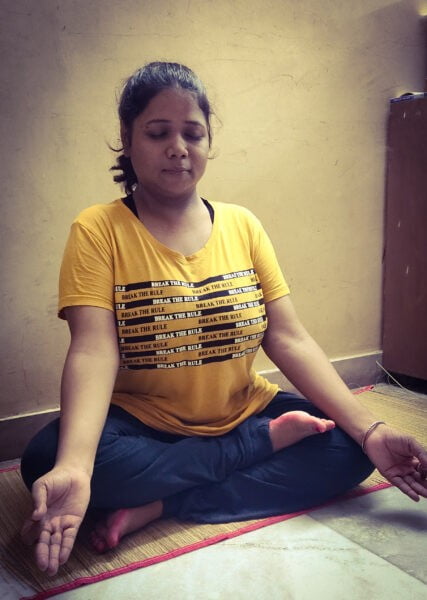
- Breathe slowly and exhale this breath forcefully.
- Now breathe forcefully and exhale forcefully.
- This action should be like a blacksmith’s blower inflating and pitching.
- Breathe and exhale 10 times faster in this way.
- Your sound should be like snake’s hissing during this exercise.
- After breathing 10 times, breathe as deeply as possible after finally exhaling.
- Then exhale slowly.
- After giving up this deep breath, one cycle is completed.
- This way you do 10 cycles.
Real Experience: Using Yoga to Treat Lipoma Naturally.
I am Ananya Sharma, 36yrs old residing at Delhi and by profession I am a Graphic Designer. So, it was almost two years ago when I felt a small, soft lump near the upper part of my arm. It didn’t cause any pain, but the way it looked when I wore sleeveless shirts was strange. The doctor confirmed that it was a lipoma and advised that surgery was not necessary unless the lipoma got bigger.

As I am not very comfortable with medical procedures, I decided to look for natural methods to control it. I found a yoga routine for lipoma on the internet. I began doing Surya Namaskar, Mandukasana, and Kapalbhati for half an hour every day in the morning. Also, I changed my diet to a lighter one, eating more fruits and less oily foods.
The doctor’s visit was made unnecessary as the size of the swelling got smaller though it did not disappear completely, and it became softer within the three months. Besides that, my digestion got better and so did my skin. My yoga teacher told me that improved blood circulation and detoxification are the reasons why fat deposit under the skin is avoided.
It learned me one thing-yoga not only targets the lump but also your body system as a whole. It provided me with the qualities that a surgical operation could never give, such as confidence and inner peace.

Expert Insight: The Science Behind Yoga and Lipoma Management.
Dr. Meera Nandakumar, Ayurveda & Yoga Therapy Specialist, Chennai.
Lipomas are harmless fat accumulations. Yoga, in the same way, cannot get rid of fat lumps as a surgical procedure but it can be very helpful in maintaining the body’s metabolic balance, Dr. Meera explains.
Yoga asanas such as Mandukasana and Bhujangasana loosen up the liver and pancreas, thus, improving the overall fat metabolism. Kapalbhati and Anulom Vilom also support this process by increasing the oxygen supply and facilitating detoxification. Along with a pure diet and enough water intake, these habits may not only be able to slow down lipomas’ growth but also to prevent new ones from appearing.
Nevertheless, she continues, a medical check-up is required if the lump grows rapidly or is painful. Yoga is a supportive means, not a substitute for professional care.
Expert Talk: A Conversation with Yoga Therapist Rohan Malhotra.
Interviewer: Team Unewz Health Expert: Rohan Malhotra, Certified Yoga Therapist & Wellness Coach.
Q: Rohan, are you really convinced that yoga can bring about a reduction of lipomas?
Rohan: It would be more correct to say that yoga doesn’t cure lipomas, but it assists the body in self-regulation. A large number of lipoma patients are characterized by a slow metabolism and poor lymphatic circulation. The condition of these systems is greatly improved through the practice of regular yoga, in particular by the performance of exercises that involve twisting and take deep breaths. Eventually, this will help the body to better control fat deposits.
Q: Which yoga positions would you direct a person to try?
Rohan: I usually have clients doing Surya Namaskar first as it invigorates the whole body with fresh blood and oxygen; Mandukasana which is great for the stomach as it compresses it; and opening the chest with Ustrasana to improve breathing and posture. Besides this, I recommend to every individual to perform Kapalbhati and Anulom Vilom pranayama daily. The physical factor is only one side of it- the practice lowers the levels of stress hormones that may, indirectly, have a role in fat metabolism.
Q: When will someone be able to see the effects of their practice?
Rohan: Normally it would take from 8 to 12 weeks of regular learning to bring about visible changes. But the ‘changes’ do not only refer to the diminution of the lump. Individuals become lighter, their digestion gets better, and they have more energy. Yoga works for the internal balance – and this is the basis of physical healing.
Q: Do you suggest any cautionary measures?
Rohan: Absolutely, pushing yourself too far in a pose should be avoided. In case that a lipoma is situated near your joints or backbone, you should seek advice from your doctor before beginning yoga. It is essential to always practice yoga together with getting enough sleep, drinking sufficient water, and a diet that is not too rich in oily foods or red meat.
Frequently Asked Questions.
1. What is a Lipoma and is it Dangerous?
Lipoma refers to one or more growths caused by fat that is soft and has been developed slowly under the skin. It is a non-cancerous (benign) growth and, in most cases, does not bring any harm. To a great extent, painless are the lipomas, and they can be slightly moved if you press them. But when a growth progesterates, becomes painful, or gets a stiff consistency, then a doctor’s visit, lab test, and check-up are inevitable to be certain that it is not something else.
2 What Causes Lipoma Formation?
The cause of lipoma formation is mostly unknown, but the condition can arise because of the factors such as:
Familial inheritance (genes from parents)
Being obese or taking too much fat
Liver diseases and metabolic disorders
Hit or wound on fat tissue
Alcohol intake in excess The surest way to be free of health problems is to take good care of yourself by eating healthily and living a healthy lifestyle.
3 Can Lipoma Be Treated Naturally Through Yoga or Pranayama?
Yoga and pranayama cannot directly remove the tissue of lipoma but they can do a lot to metabolism, blood circulation, and hormonal balance of the body. The Yoga poses such as Surya Namaskar, Mandukasana, Ustrasana, and Bhujangasana coordinate well with breathing exercises like Kapalbhati and Anulom Vilom to open the detoxification process as well as metabolism of fat, thus, promoting general health.
4 What Foods Should I Eat or Avoid if I Have Lipoma?
Eat: Watermelon, carrots, fish, paneer, and eggs — all of these are excellent sources of protein and antioxidants.
Don’t Eat: Oily, fried, and spicy dishes, as well as red meat, and coconut are the things you should say “no” to as they can cause fat deposition. Besides, drinking enough water and caffeine in moderation can help keep metabolism in balance.
5 When Should I See a Doctor for a Lipoma?
If you are not sure, consult a doctor when:
The lump grows rapidly or becomes painful.
The lump makes the movement difficult or the nerves are under pressure due to it.
You notice the changes in color or the shape of the skin near the lump.
There are many lumps or a recurrence after removal. The earliest diagnosis means that you not only get the right treatment but also can be at ease knowing that everything is under control.
Bottom Line.
Therefore, lipoma can be treated in many ways. But treatment of lipoma can also be done by the help of yoga and pranayama as mentioned above. Besides, it is always advisable to consult with your doctor before going for any decision. As doctors knows you better.
+1 Source
Freaktofit has strict sourcing guidelines and relies on peer-reviewed studies, educational research institutes, and medical organizations. We avoid using tertiary references. You can learn more about how we ensure our content is accurate and up-to-date by reading our editorial policy.
- Lipoma Pathology : https://www.ncbi.nlm.nih.gov/books/NBK482343/