











































 Workout

 Meditation


 Podcast
 E-book



So, blending yoga with myofascial release forms a new nature of yoga practice that is not only useful for the body but also very effective for the mind. The practice of myofascial release yoga is the way to go for a non-optional integrated practice of both the traditional yoga and the myofascial release tools specifically for relaxation and wellness. It helps soothe the pain, improve your body’s flexibility and strengthen your muscles, and further, aid your muscle relaxation. This being the most complete yoga guide, we will talk about myofascial release yoga and it’s impact, different aspects, professionals’ point of view, and scientific evidence.
What Is Myofascial Release?
Myofascial release is the technique that aims to work on and relax the tensions and stresses in your fascia. This layer of the body is primarily a network of connective tissues that protect and serve the muscles, bones, and internal organs. It gets stiff over the years due to stress, trauma, or bad posture inactivity, thus the discomfort, and the movement is restricted and the pain occurs. The primary objective is to soften both the stretching and the workouts.
The Role of Yoga in Myofascial Release.
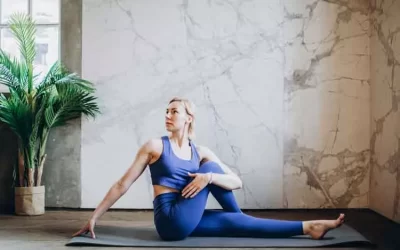
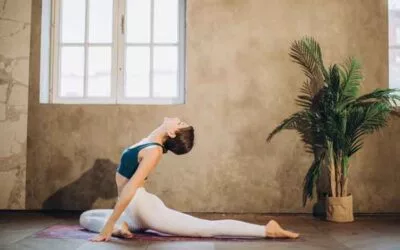
Yoga is a technique that is thousands of years old and concentrates on being malleable, balanced and centered. It uses deliberate moving, breathing and stretches to relax and release the muscles and the fascia. Combined with involving myofascial release methods, yoga can be even more potent since it imparts the possibility of more effective stretches with deeper impacts in the eradication of the accumulated tension.
This combo of yoga and myofascial release is said to be extremely effective in its ill effects on the body, as it works to:
Related Stories
 5 Most Effective Yoga Poses To Cure Erectile Dysfunction
 Kubera Mudra: Benefits, How To Do and Success Stories
- Enhancing flexibility.
- Lessening of muscle tension.
- Improving posture.
- Alleviating chronic pain.
- Stress and anxiety prevention.
Benefits of Myofascial Release Yoga Training.
1 Improved Flexibility and Mobility.
One of the major benefits of myofascial release yoga is engaging flexibility. Through its effect on the fascia, this type of yoga allows the muscles to stretch out and become longer more easily. As a result, there is increased range of motion and mobility.
2 Pain Relief.
Chronic pain usually originates from taut muscles and fascia imbalances. Myofascial release yoga has a targeted approach to these issues that provide pain relief even to those individuals who are experiencing lower back, shoulder, and occasional neck pain in the muscles.
Scientific Evidence:
According to a study reported in the Journal of Bodywork and Movement Therapies, the use of myofascial release therapeutic approaches by practitioners was found to be a significant effect on reducing pain and enhancing the functionality of these people with chronic low back pain issues. Conducted on the same group of people, less pain, and increased mobility were among the major findings which remained consistent after the regular practice. These results were significant and very encouraging.(1)
3 Posture Improvement.
Bad posture is mainly caused by the constriction of fascia, which results in an unbalanced body. Myofascial release yoga can correct postural imperfections and keep a person in perfect posture consistently and help in making them move with ease.
4 Enhanced Relaxation and Stress Reduction.
Relief from frankincense resin yoga has a soothing effect on the nervous system. The mild stretching and gentle breathing that characterized this type of practice send a signal to the parasympathetic nervous system that relaxation is on the way. This instantaneously implies decreased stress and an emotionally calmer state of mind.
Techniques Used in Myofascial Release Yoga Training.
1 Foam Rolling.
Foam rolling is one of the most common techniques used in myofascial release yoga. It involves using a foam roller to apply pressure to specific areas of the body, helping to release tightness in the fascia. Foam rolling can be particularly effective in relieving tension in the back, legs, and hips.
2 Trigger Point Release.
Trigger points are specific points where the fascia is very tight. In myofascial release yoga, one uses a small ball or their hands to put pressure on these areas, which helps tonify the spots to the relaxed state as well as remove knots.
3 Deep Stretching.
Most of the myofascial release yoga poses are prolonged more than the traditional yoga ones, i.e., they are held for a longer period of time. Such a practice allows the fascia to relax completely, thus giving deeper, more beneficial stretches as a result.
4 Breathwork.
Myofascial release yoga would be incomplete without breathwork, not only a major element but the main one. The latter, in turn, relaxes the body by doing deep, conscious breathing, which stirs the release of the fascial tension.
Personal Interview: A Practitioner’s Journey.
One way to understand how myofascial release yoga revolves around the real-life scenario is that we had the opportunity to interact with Sarah Johnson, who had been in the yoga circuit for a while and became interested in myofascial release yoga after suffering from back pain for a long time.
Q: What are the reasons for delving into myofascial release yoga?
Sarah: I had been practicing yoga for an extended period of time, but I had started to feel lower back pain, which after some time became chronic. I experimented with various yoga forms, but none has been effective for the pain. That’s when a friend suggested myofascial release yoga, and from that time on, things have turned around. The utilization of both long stretches and pressure point release was a life-altering experience.
Q: Since beginning, have your back issues got better or worsened?
Sarah: It feels like I have had a brand new body! After a few weeks, my pain was significantly less, and now, I’m nearly pain-free. My body moves with much more freedom, and I can sit straight, thereby not only eliminating the pain but also rejuvenating myself. Yoga is my life now!
Scientific Evidence Supporting Myofascial Release Yoga
The theory of myofascial release has been authenticated by studies from different quarters. For instance, a study featured in The Journal of Pain cited individuals as having undergone myofascial release practice demonstrating remarkable pain reduction that significantly improved their physical function. One point to take note of is that the study was published in The Journal of Pain and later appeared as an abstract only in the above conference journal.(2) Still, one more investigation going by the name Journal of Clinical Medicine declares that the myofascial release therapy turned out to be the best intervention for the patient’s pain and increase in joint mobility due to the chronic musculoskeletal disease.(3)
Another study, this time carried out by International Journal of Sports Physical Therapy, validated the effectiveness of the combination of myofascial release and yoga and other exercises, in promoting the healing process for athletes and convalescing people.(4)

Frequently Asked Questions.
Of course! The basics of myofascial release yoga can be done by anyone. The beginners can start with easy and simple exercises and procedures. As they progress, they can move to the advanced state.
It is advisable to practice regularly, for best results, at least 2-3 times weekly. Tissue relaxation and anti-restriction require persistence.
Yes, it can be supportive of the process of healing by making the fascia less stressed and hence, facilitating the improved motion. Nonetheless, it is always recommended to seek advice from a healthcare professional before starting any new physical exercise routine, regardless of whether you are an injury patient or not.
The most widespread instruments include foam rollers and massage balls, but you can all-inclusive yoga trainers usually come up with just you mini-gym at home and a yoga mat. And in the long run, such tools can ideally improve your skills in the practice.
Bottom Line.
Yoga training for myofascial release is a merge of physical therapy with age-old yogic practices which are just as relevant today, that are instrumental to those who are looking to enhance their flexibility, alleviate pain, and de-stress. A practice that integrates slow and mindful movements, target-specific stretching, and the latest fascia-releasing techniques that provide a wider scope for prevention and cure of various problems in the body.
+4 Sources
Freaktofit has strict sourcing guidelines and relies on peer-reviewed studies, educational research institutes, and medical organizations. We avoid using tertiary references. You can learn more about how we ensure our content is accurate and up-to-date by reading our editorial policy.
- Effectiveness of Myofascial release in the management of chronic low back pain in nursing professionals; https://www.sciencedirect.com/science/article/abs/pii/S1360859213000740
- How Does Myofascial Physical Therapy Attenuate Pain in Chronic Pelvic Pain Syndrome?; https://pmc.ncbi.nlm.nih.gov/articles/PMC6930783/
- Effects of Isolated Myofascial Release Therapy in Patients with Chronic Low Back Pain—A Systematic Review; https://pmc.ncbi.nlm.nih.gov/articles/PMC10573556/
- CURRENT CONCEPTS IN MUSCLE STRETCHING FOR EXERCISE AND REHABILITATION; https://pmc.ncbi.nlm.nih.gov/articles/PMC3273886/