














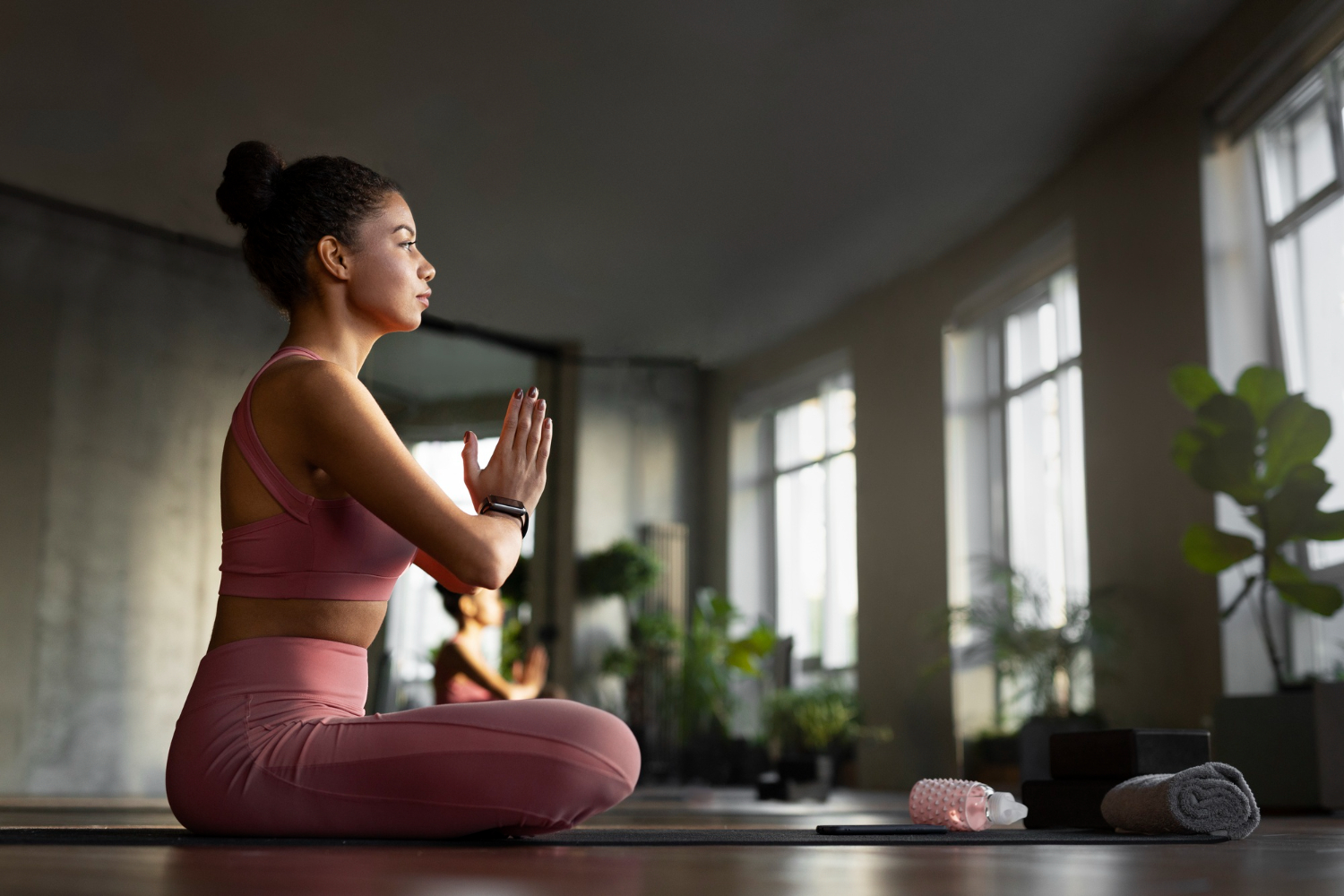
The life nowadays is full of notifications, workloads, money worries, lack of sleep and worries. These pressures can build up and the body can stay in a continual state of alertness, which can make it hard to fall asleep, concentrate or relax. Yoga can be a concrete means to slow down, reconnect with the body and create healthier reactions to stress.
Yoga for vagus nerve stimulation is a topic that is becoming increasingly popular when talking about wellness. An important aspect of the autonomic nervous system is the vagus nerve, which is involved in many involuntary functions including heart rate, digestion and part of breathing. Slow breathing, gentle yoga, meditation, and relaxation could have some effect on some of the physiological processes of this system.
But it’s crucial to differentiate between scientific evidence and wellness claims. There are no specific yoga poses that will ensure vagal activation, and yoga alone is not a proven remedy for vagus nerve dysfunction. There is some evidence that yoga may affect autonomic regulation and heart rate variability, although the evidence is not strong.(1)
This guide outlines what the vagus nerve is, how yoga and breathing can help relax you, what yoga and breathing practices are suitable for beginners and how to create a safe yoga practice for you, based on current evidence.
Cerita terkait
 Bind Yoga Pose: Benefits, Steps, Variations, Safety & Tips
 14 Manfaat Yoga Kesehatan yang Tak Terduga
What Is the Vagus Nerve?
The 10th cranial nerve, the vagus is one of the major communication pathways between the brain and some of the organs of the body. It runs from the brainstem through the neck into the chest and abdomen, and comes into contact with other areas of the body such as the digestive system, lungs, and heart.
Both ascending and descending information occurs along the vagus nerve. It transmits information from internal organs to the brain and transports information from the brain to regulate some body functions.
It has a major part to play in the parasympathetic nervous system which is usually associated with the “rest and digest” functions of the body. This system is used to coordinate processes that promote recovery, digestion and relaxation following activity and/or stress.
The sympathetic branch is also part of the ANS, which aids the body to react to demands and threats. They do not work in isolation; a healthy nervous system is not one that remain relaxed 24/7. It needs to adapt appropriately to different situations.

What Does Vagal Tone Mean?
The influence by the parasympathetic nervous system on the heart and other physiological functions is described by the term vagal tone. Heart rate variability (HRV) is the variability between successive heart beats and sometimes investigated when studying autonomic regulation.
A number of factors can affect HRV, such as breathing, physical activity, sleep, stress, age, and kesehatan. Not a direct or thorough assessment of the health of the vagus nerve.

People with a healthy vagus nerve may have a higher HRV reading, and people with a lower HRV reading may not have a disorder. HRV is most useful if considered in the context of a range of other measures of wellness instead of using it as a single measure.
What are the ways that yoga can promote vagus nerve activity?
Yoga is a combination of action, breath and concentration and relaxation. These factors can affect physiological aspects of autonomic regulation, but not all of them; this will depend on the type of practice, the individual, and the context.
1. Slow, Controlled Breathing.
One of the easiest ways to modulate the relationship between the respiratory and cardiovascular systems is by breathing. Heart rate is commonly modulated naturally throughout the breathing cycle during slow breathing. This is called respiratory sinus arrhythmia and is partly vagally mediated.
Soothing, soothing breathing can soothe the body and ease the physical experience of stress. But, studies around diaphragmatic breathing have shown that there are some preliminary benefits in relation to stress, and a few studies have found that blood pressure and cortisol levels have changed.(2)
2. Relaxation and Stress Management.
Yoga can be beneficial in helping people become more aware of tension, more relaxed and to respond more purposefully to stress. Postures that are gentle and then followed by relaxation can give a structured chance to decrease the amount of physical effort and turn attention to the present moment.
The National Center for Complementary and Integrative Health (NCCIH) reviewed the evidence and found that yoga could potentially benefit some populations with regard to perceived stress. Results vary from one study to another, however, and evidence does not indicate that all of the stress-related manfaat are attributed directly to stimulation of the vagus nerve.(3),(4)
3. Neuroregulatory mechanisms of heart rate variability.
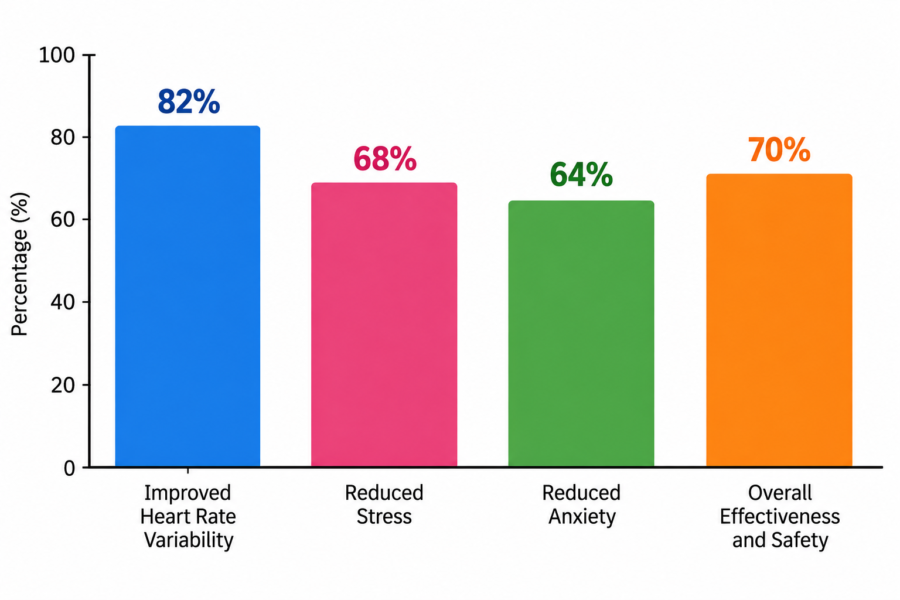
After a thorough review, 59 studies involving 2,358 individuals were analysed and the results indicated that yoga practices could influence cardiac autonomic regulation, such as HRV. Changes interpreted as reflecting an increase in vagal influence were reported in some studies.
The review also noted significant methodological and other limitations, such as small studies, inconsistent methodologies and poor study quality. As such, yoga is a potential practice for well-being, but further evidence is required to make robust conclusions about yoga’s long-term impact on vagal tone.
4. Body Awareness and Emotional Regulation.
Yoga teaches individuals to become aware of their breathing, body alignment, muscle tension, and emotions. This awareness can enable them to identify when they need to calm down and select the right strategy to help them do so.
For instance, if a person is observing shallow breathing during his or her stressful work day, he or she may take a brief break to practice some slow breathing and gentle activity. It is not a skill that directly stimulates the vagus nerve, but rather a practical skill of self regulation.
Best Yoga Poses for Vagus Nerve Stimulation.
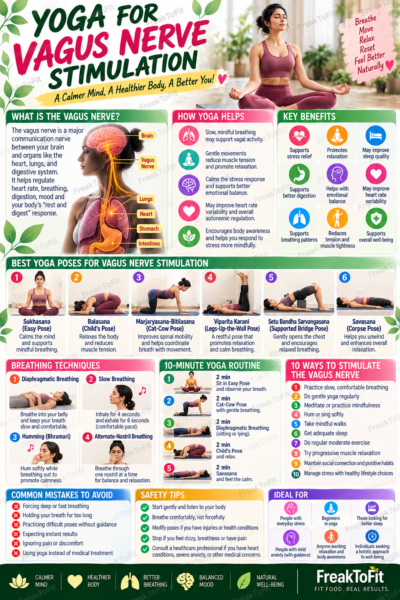
Here are some poses that might be good for a gentle routine. They are chosen for their focus on comfortable breathing, decrease in muscular tension, and relaxation, rather than any one posture being proven to directly stimulate or heal the vagus nerve.
Start slowly and don’t breathe in or out of an unusual pattern, stop when posture causes pain, dizziness, breathlessness, or unusual discomfort.
1. Sukhasana (Easy Pose).
Sukhasana is a seated position that is comfortable, and used for mindful breathing and meditation. This is especially helpful for the beginner who is interested in practicing relaxation exercises but does not want to do any complicated movements.
How to practice:
- Sit cross-legged on a yoga mat or folded blanket.
- Maintain an upright, but not stiff, back.
- Place hands on thighs.
- Relax your jaw and shoulders.
- Take natural breaths, noticing the in and out breathing.
- Repeat steps 3 through 5 for 2-5 minutes.
Manfaat: A stable posture for breathing exercises and can be used to develop attention and relaxation. If sitting cross-legged is uncomfortable, sit on a chair with feet flat on the floor.
2. Balasana (Child’s Pose).
Child’s Pose is a resting pose that stretches the back and hips. Can be used during a calming yoga sequence, if it feels comfortable to do so.
How to practice:
- Sit on a mat with knees comfortably apart.
- Begin to bring hips towards heels.
- Raise arms out in front of you or place arms by side.
- Rest your forehead on a cushion or yoga block (if necessary).
- Breathe easily and softly, without pushing your abdomen into your thighs.
- Hold for 30-60 seconds or until it is comfortable.
Manfaat: It is a rest berjejak between movements and can help to lower tension in the muscles. Knee, hip or back issues can be alleviated by cushions or by finding another resting position.
3. Marjaryasana-Bitilasana (Cat-Cow Pose).
Cat-Cow is a blend of gentle spinal movement and breath coordination. It can assist those who are new to yoga develop an awareness of their breath and their movement.
How to practice:
- Start on all fours on hands and knees, with wrists under shoulders.
- Take a slow breath in as you raise your chest and bend your back slightly.
- Breathe out comfortably while rounding the back and tucking the belly button inwards.
- Do not move quickly or by forcing your neck.
- Repeat for 6 – 10 comfortable cycles.
Manfaat: Promotes spinal mobility and breath awareness. It is not a specific vagus nerve treatment, but can be a helpful preparation for slower breathing or relaxation.
4. Viparita Karani (Legs Up the Wall Pose).
In the next section, we will explore how yoga and lifestyle changes can help navigate this significant phase of life.The next section will discuss how yoga and lifestyle adjustments can make this major transition easier.
This position is restorative and is one in which you are lying on your back with your legs resting vertically against the wall. Some people enjoy it at the end of the day after standing or walking.
How to practice:
- Sit down diagonally against a wall.
- Bring torso to the mat, and bring legs up the wall.
- Squeezing hips towards or further from wall as comfortable.
- If you need to support your head, use a thin cushion.
- Take a natural breath and relax arms for 1-5 minutes.
Manfaat: It provides a comfortable place for quiet breathing and relaxation. There is limited evidence for this pose in particular stimulating the vagus nerve.
If it increases symptoms or is not appropriate for your medical condition, avoid or modify this pose. Individual advice should be sought before using inverted or legs-elevated positions in people with glaucoma, some heart or blood pressure disorders, or other health-related issues.
5. Setu Bandha Sarvangasana (Supported Bridge Pose).
A supported bridge is a “gentle” backbend alternative. If performed in a non-stressful way, it can offer a comfortable posture for mindful breathing.
How to practice:
- Lie on your back while sitting up with your knees bent and your feet flat on the floor.
- Be sure to have your feet about hip-wide apart.
- Raise hips slightly and rest a yoga block to the lowest setting under the sacrum, if possible.
- Relax the weight on the support, not using the muscles.
- Breathe normally for 20-60 seconds.
- Raise hips just enough to clear the block and then lower back slowly.
Manfaat: Supported Bridge could promote an easy hip extension and a natural break. If it causes pain or discomfort in your back or neck, avoid using it and don’t turn your head while keeping the position.
6. Savasana (Corpse Pose).
Savasana is a resting position that is generally practiced at the end of the yoga session. Eliminates the need to balance or stretch and allows you to concentrate on feeling your body and breathing.
How to practice:
- Start lying down on your back, relaxed.
- If comfortable, place arms beside body with palms facing upwards.
- If your lower back gets strained, support your knees with a bolster.
- Relax your facial muscles and relax your shoulders.
- Watch your breath come and go without attempting to regulate all breaths.
- Remain for 3-5 minutes!
Manfaat: Savasana can help you relax and be more conscious of tension in your body. If lying down is uncomfortable or makes you more anxious try relaxing while seated.
BACA JUGA: Bind Yoga Pose: Benefits, Steps, Variations, Safety & Tips
Breathing Techniques for Vagus Nerve Stimulation.
Breathing exercises have been suggested in relation to yoga, as breathing patterns influence heart rate and autonomic activity, and are thus mentioned for stimulation of the Vagus nerve with yoga. The objective is to be comfortable and breathe unforced, not the deepest breath or to get a specific HRV score.
1. Pernapasan diafragma.
Diaphragmatic breathing focuses on an easy rise and fall of the abdomen during breathing without unnecessary tension in the upper chest.
Steps:
- Sit or lie on your back with knees supported.
- Have one hand on bagian atas dadamu and the other on your abdomen.
- Slowly inhale through the nose, if possible, and let the belly naturally expand.
- Exhale slowly, without pushing air out.
- Maintain for 1-3 minutes.
Avoid making intentional overbreathing efforts. Excessive breathing may lead to a feeling of dizziness, tingling or lightheadedness.
2. Slow, Comfortable Breathing.
Experiment with the idea of slowing your breathing down a little without wanting to take in more air than you are used to. Others may find it useful to take a breath in for about four seconds and out for about six, but this is not always the standard length of time.
If it doesn’t feel comfortable, switch back to normal breathing. No need to take breaks between repetitions.
3. Humming During Exhalation.
Humming is a part of some yoga traditions, such as Bhramari pranayama. Humming will naturally help to extend the breathing out and create a sound to concentrate on.
If you wish to give it a light touch:
- Sitting comfortably, relax your shoulders.
- If possible, breathe in normally through your nose.
- Puff out air on a soft, comfortable ‘hum’ sound.
- Repeat 3-5 times.
- Take a breath and relax.
While humming can be relaxing, there is not enough evidence to back up the use of a brief humming session to stimulate the vagus nerve or alleviate a medical condition.
4. Alternate-Nostril Breathing.
Alternate nostril breathing is a traditional yogic breathing technique known as Nadi Shodhana in which breathing alternates between each nostril.
For beginners, it is good to practice a gentle one without the retention of breath. Take slow, deep breaths; do not squeeze the nose; if dizzy or uncomfortable, stop. For those who have nasal obstruction, they can just use comfortable natural breathing.
Studies of yoga breathing and autonomic responses continue to unfold, and findings from one breathing technique can not be readily transferred to other breathing techniques.
A 10-Minute Yoga Routine for Vagus Nerve Support.

Minutes 1–2: Easy Pose.
Sit comfortably, relax your shoulders, and observe your natural breathing.

Minutes 3–4: Cat-Cow Pose.
Move gently with your breath. Avoid forcing your spine or neck.

Minutes 5–7: Diaphragmatic Breathing.
Breathe quietly and comfortably without breath-holding or exaggerated inhalations.

Minutes 8–9: Supported Child’s Pose.
Use cushions as needed and allow your body to rest.

Minute 10: Savasana.
Finish with relaxed breathing and notice how you feel.
Who May Benefit From This Type of Yoga?
Yoga and breathing exercises can be helpful for individuals who wish to:
- Take care of daily stress: Take a short break of activity and breathing in stressful days.
- Practice relaxation techniques: Awareness of tension and getting in a comfortable rest position.
- Enhance body awareness: Be aware of changes to breathing, posture and muscle tension.
- Create a night-time ritual: Incorporate gentle movement and relaxation as part of a regular wind-down ritual.
- Use other healthy lifestyle practices: Practice yoga along with other regular exercises, sufficient sleep, nutritional balance and good medical care.
Yoga has been shown to have potential for overall wellness and stress reduction, but its effects are inconsistent and there is no evidence that yoga is a treatment for disorders of the vagus nerve.
kesalahan umum yang harus dihindari.
1. Forcing Deep Breathing.
Over-breathe and get lightheaded if taking repeated, deep breaths. Instead, try to breathe naturally and comfortably.
2. Breathing in the same way for a long period of time.
For the beginner relaxation routine, long breath holds are not necessary. Try to avoid them, particularly if they lead to pressure, anxiety, dizziness or breathlessness.
3. Avoiding delayed Vagus Nerve activation and activation you can have in the future.
Relaxation following yoga may be beneficial, but is not an indicator that a nerve has been stimulated or that vagal tone has been permanently enhanced.
4. Training difficult poses without instructor (DWG).
There is no requirement for advanced backbends, inversions or forceful pranayama breathing. For the beginner it is important that the technique is correct and comfortable. The NCCIH is recommending that beginners steer clear of extreme postures and deep breathing exercises.
5. Avoiding medical treatment with the help of Yoga.
Persistent palpitations, fainting, digestive symptoms without an obvious cause, or breath disturbances should not be taken as a given to be a result of a “dysregulated vagus nerve.” Don’t self-diagnose with Yoga.
Safety Precautions.
walau yoga is typically safe for many healthy individuals when done correctly, it isn’t completely risk-free. Avoid and/or modify positions that exacerbate pain, and use a yoga instructor if you are new to yoga.
Please consult a healthcare professional before beginning a new exercise program if you have a major heart condition, have had dizziness or fainted, significant balance disorders, high blood pressure, or a medical condition which restricts your ability to exercise. Make appropriate modifications if injured or pregnant.
If you have chest pain, get very short of breath, faint or notice any unusual symptoms, stop the practice. If symptoms are severe or sudden seek urgent medical help.
pertanyaan yang sering diajukan.
1. What is the quickest way to reset your vagus nerve?
There is no proven way to instantly “reset” the vagus nerve. However, slow, comfortable breathing for 1–3 minutes may help calm your body’s stress response.
Try this simple technique:
Sit comfortably with your shoulders relaxed.
Breathe in gently through your nose for about 4 seconds.
Breathe out slowly for about 6 seconds.
Repeat for 1–3 minutes without holding your breath.
Return to normal breathing if you feel dizzy or uncomfortable.
Other options include gentle walking, relaxing yoga, humming, and progressive muscle relaxation. These may help with stress, but they do not guarantee direct vagus nerve stimulation.
2. What are 10 ways to stimulate the vagus nerve?
Here are 10 gentle practices that may support relaxation and autonomic regulation.
Slow breathing: Breathe gently, making your exhalation slightly longer than your inhalation.
Diaphragmatic breathing: Allow your abdomen to expand naturally as you breathe in.
Meditation: Practice a few minutes of quiet attention or mindfulness.
Gentle yoga: Try Child’s Pose, Easy Pose, or Savasana.
Humming: Hum softly while breathing out.
Singing: Sing comfortably without straining your voice.
Mindful walking: Walk at an easy pace while paying attention to your surroundings and breathing.
Progressive muscle relaxation: Gently tense and release muscle groups without causing pain.
Adequate sleep: Maintain a consistent sleep schedule to support overall nervous system health.
Regular moderate exercise: Walking, swimming, or cycling can support cardiovascular and general health.
These practices may influence stress and aspects of autonomic function, but the strength of evidence differs. They should not be presented as guaranteed ways to increase vagal tone.
3. Where do I massage my vagus nerve?
You cannot safely reach or directly massage the vagus nerve yourself. It runs deep through the neck and chest, near important blood vessels and other structures.
For relaxation, you can try a gentle shoulder or upper-back massage instead. Keep pressure light and avoid pressing deeply on the front or sides of your neck, particularly over the pulse in your neck. Do not attempt to manipulate the carotid arteries.
Clinical vagus nerve stimulation uses specialized medical devices or procedures under appropriate supervision; it is different from massage.
4. What are the symptoms of an overactive vagus nerve?
The term “overactive vagus nerve” is often used informally. One recognized vagally mediated response is vasovagal syncope, in which a trigger causes heart rate and blood pressure to fall, reducing blood flow to the brain.
Possible symptoms during a vasovagal episode include:
Light-headedness or dizziness
mual
Sudden warmth or sweating
Pale, clammy skin
Blurred or tunnel vision
kelemahan
A feeling of impending fainting
Brief loss of consciousness in some cases
Triggers may include prolonged standing, heat, pain, emotional distress, or seeing blood. These symptoms can also have other causes, so they do not automatically mean your vagus nerve is overactive.
Takeaway akhir.
Yoga for vagus nerve stimulation is often best seen as a well-being practice that incorporates a relaxed physical activity, attention to the breath, and relaxation. There are some practices that can help to manage stress and affect autonomic nervous system functioning whilst research does not prove that certain yoga postures can directly repair any damage to the vagus nerve or heal any medical conditions linked to it.
Begin with comfortable breathing, basic poses and a brief daily sequence. Listen to your body, do not push the breath or movement and get medical help if symptoms occur or persist or are concerning. Yoga can be one effective component of a comprehensive strategy for physical and emotional kesehatan Seiring waktu.
+4 sumber
FreaktoFit memiliki pedoman pengadaan yang ketat dan bergantung pada studi peer-review, lembaga penelitian pendidikan, dan organisasi medis. Kami menghindari penggunaan referensi tersier. Anda dapat mempelajari lebih lanjut tentang bagaimana kami memastikan konten kami akurat dan terkini dengan membaca Kebijakan Editorial.
- Yoga and heart rate variability: A comprehensive review of the literature; https://pmc.ncbi.nlm.nih.gov/articles/PMC4959333/
- Stress; https://www.nccih.nih.gov/health/stress
- Yoga: Effectiveness and Safety; https://www.nccih.nih.gov/health/yoga-effectiveness-and-safety
- Mind and Body Approaches for Stress and Anxiety: What the Science Says; https://www.nccih.nih.gov/health/providers/digest/mind-and-body-approaches-for-stress-science