













































 Workout

 Meditation


 Podcast
 E-book



Hot sauce is a condiment that has been around for centuries and is enjoyed all around the world. From the mild to the blazing hot, hot sauce has a way of bringing an extra kick to any dish. But did you know that hot sauce also has many health benefits? In this article, we will explore the top 8 health benefits of hot sauce, from boosting metabolism to promoting heart health. So, let’s dive into the spicy world of hot sauce and discover the many benefits it has to offer.
What is Hot Sauce?
Hot sauce is a condiment made from chili peppers, vinegar and spices. It is a popular addition to many dishes, as it adds heat and flavor to food. Hot sauce comes in a variety of heat levels, from mild to extremely spicy and can be used in cooking or as a topping for foods such as pizza, tacos and eggs.
Some hot sauces are made with other ingredients such as fruits, vegetables or even chocolate. Hot sauce has been around for centuries and is enjoyed by people all over the world.
Top 8 Health Benefits of Hot Sauce.
1 Boosts metabolism and aids in weight loss.
Spicy foods have been shown to increase metabolism, which can help with weight loss. The compound responsible for this is called capsaicin, which is found in chili peppers. Capsaicin has been shown to increase thermogenesis, which is the process of creating heat in the body.
Related Stories
 Amazing Phytolacca Berry for Rapid Weight Loss
 What Our Grandparents Ate: Personal Reflections, Wicked Facts and Teachings to Todays Diet
This, in turn, increases metabolism and helps the body to burn calories more efficiently. Additionally, spicy foods can help you to feel fuller for longer periods of time, which can help with weight loss efforts.
2 Relieves Pain and Inflammation.
Capsaicin has also been shown to have pain-relieving properties. When applied topically, it can help to relieve pain associated with conditions such as arthritis and nerve pain. In addition, capsaicin can also help to reduce inflammation in the body, which can help with a variety of conditions, including asthma and sinusitis.
3 Promotes Heart Health.
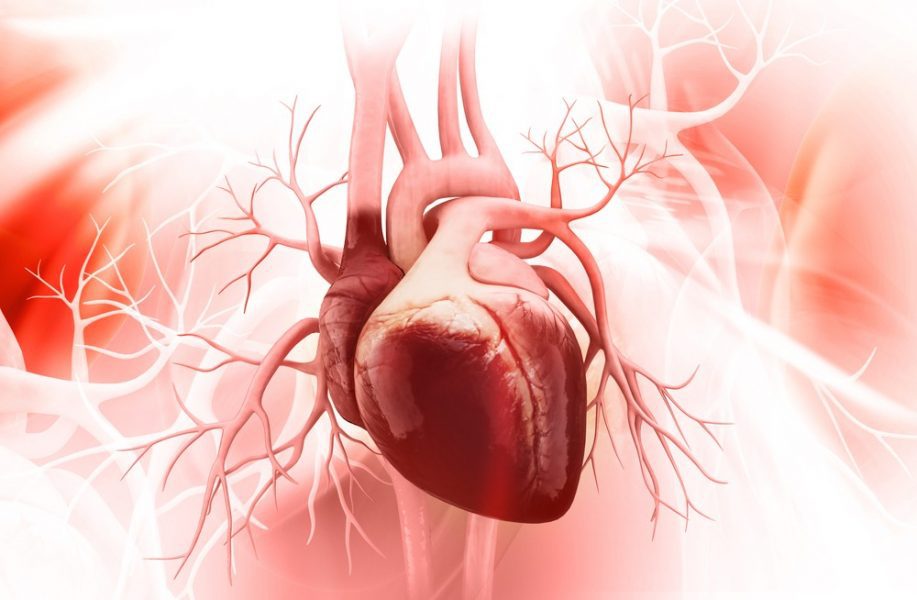
Hot sauce can also promote heart health. Studies have shown that capsaicin can help to reduce blood pressure and cholesterol levels, both of which are risk factors for heart disease. Additionally, capsaicin can help to improve blood flow and reduce the risk of blood clots, which can also contribute to heart disease.(1)
4 Enhances Digestion and Gut Health.
Spicy foods can also enhance digestion and promote gut health. Capsaicin has been shown to increase the production of digestive enzymes, which can help to break down food more efficiently. Additionally, capsaicin can help to kill harmful bacteria in the stomach, which can lead to better gut health overall.
5 Boosts Immunity and Fights Infections.
Hot sauce can also help to boost immunity and fight infections. Capsaicin has been shown to have antimicrobial properties, which can help to kill harmful bacteria and viruses. Additionally, capsaicin can help to stimulate the production of white blood cells, which are responsible for fighting off infections.
6 Improves Mood and Cognitive Function.
Spicy foods have also been shown to improve mood and cognitive function. Capsaicin can help to stimulate the production of endorphins, which are the body’s natural “feel-good” hormone. Additionally, capsaicin can help to improve blood flow to the brain, which can improve cognitive function and memory.
7 Contains Beneficial Nutrients.
Hot sauce can also contain beneficial nutrients, depending on the ingredients used. For example, hot sauce made with chili peppers can be a good source of vitamin C and beta-carotene. Additionally, some hot sauces may contain garlic, which has been shown to have antibacterial and antiviral properties.
8 Helps To Regulate Blood Sugar Levels.

Hot sauce may also help to regulate blood sugar levels. Capsaicin has been help to improve insulin sensitivity, which can assist to regulate blood sugar levels. Additionally, capsaicin can help to reduce inflammation in the body, which can be a contributing factor to insulin resistance.
Side Effects of hot sauce.
Hot sauce is a popular condiment that is widely used to add flavor and spice to various dishes. While it is generally considered safe for consumption, there are some side effects associated with consuming hot sauce, particularly in excess.
1 Digestive Issues.
One of the most common side effects of consuming hot sauce is digestive issues. The capsaicin compound found in hot sauce can irritate the lining of the stomach and intestines, leading to symptoms such as bloating, gas and diarrhea.
2 Heartburn and Acid Reflux.
Spicy foods, including hot sauce, can trigger heartburn and acid reflux in some individuals. The capsaicin in hot sauce can cause the muscles that control the opening between the stomach and esophagus to relax, allowing stomach acid to flow back up into the esophagus.
3 Allergic Reactions.
In rare cases, some individuals may develop an allergic reaction to hot sauce. Symptoms of an allergic reaction can range from mild to severe and may include itching, hives, swelling and difficulty breathing.
4 Dehydration.
Consuming hot sauce can cause sweating and increased urination, leading to dehydration. This is particularly affects individuals who consume large amounts of hot sauce or consume it on an empty stomach.
5 Increased Blood Pressure.
Capsaicin can cause a temporary increase in blood pressure. This can be a concern for individuals with pre-existing hypertension or other cardiovascular conditions.
6 Oral Health Issues.
The acidic nature of hot sauce can erode tooth enamel over time. This can lead to tooth sensitivity, cavities and other oral health issues.
Overall, hot sauce can be a healthy addition to one’s diet when consumed in moderation. However, individuals with pre-existing health conditions or a sensitivity to spicy foods should exercise caution when consuming hot sauce.
How to make hot sauce at Home?
There are various types of hot sauces available in the market, but nothing beats a homemade hot sauce. Making hot sauce at home is easy and requires only a few ingredients. Here is a step-by-step guide to making hot sauce:
Ingredients:
- 10-15 dried red chili peppers.
- 3-4 cloves of garlic.
- 1 small onion.
- 1 teaspoon salt.
- 1 teaspoon sugar.
- 1 cup white vinegar.
- 1 cup water.
Instructions.
Step 1. Start by washing the chili peppers and removing the stems. Cut the peppers in half and remove the seeds. Be careful not to touch your eyes or face while handling the peppers, as they can be very spicy.
Step 2. Peel the garlic cloves and chop the onion into small pieces.
Step 3. In a small pot, add the chili peppers, garlic, onion, salt, sugar, white vinegar and water.
Step 4. Bring the mixture to a boil and then reduce the heat to low. Let it simmer for 10-15 minutes.
Step 5. Once the mixture has cooled down, transfer it to a blender and blend until smooth.
Step 6. Strain the mixture through a fine-mesh sieve to remove any large pieces.
Step 7. Store the hot sauce in a clean glass bottle or jar. It can be stored in the fridge for up to 6 months.
Additional Tips.
- Adjust the amount of chili peppers based on your preference for spiciness.
- You can use different types of chili peppers to make hot sauce, such as jalapeno, habanero, or serrano peppers.
- Add more sugar or salt if needed to balance the flavors.
- Use gloves while handling the chili peppers to avoid getting burned.
Tips for Incorporating Hot Sauce into Your Diet.
If you want to incorporate hot sauce into your diet, here are some tips to get you started:
1 Start small.
If you are new to hot sauce, start with a mild variety and gradually work your way up to spicier types. This will help your taste buds adjust to the heat and prevent you from overwhelming your palate.
2 Pair it with the right foods.
Hot sauce goes well with a variety of foods, but it pairs particularly well with meats, eggs and vegetables. Try adding it to scrambled eggs, grilled chicken or roasted vegetables for a flavorful kick.
3 Use it as a marinade.
You can also use hot sauce as a marinade for meats and vegetables. Simply mix it with olive oil, garlic and other seasonings to create a flavorful marinade for your favorite dishes.
4 Mix it with other condiments.
Hot sauce can be mixed with other condiments, such as ketchup, mayonnaise or mustard to create a spicy spread for sandwiches or burgers.
5 Experiment with different flavors.
There are many different types of hot sauce available, each with its own unique flavor profile. Try experimenting with different flavors, such as chipotle, habanero or sriracha, to find the ones you like best.
6 Be mindful of the heat level.
It is important to be mindful of the heat level of the hot sauce you are using, especially if you have a sensitive stomach or digestive issues. If you experience discomfort after eating spicy foods, consider starting with a milder hot sauce or using it in smaller quantities.
Incorporating hot sauce into your diet can be a fun and flavorful way to add some spice to your meals. With these tips, you can experiment with different flavors and heat levels to find the perfect hot sauce for your taste buds.
Bottom Line.
Hot sauce is more than just a condiment – it’s a flavor enhancer that can also offer many health benefits. From boosting metabolism to promoting heart health, hot sauce has a lot to offer. So why not add a little heat to your life and reap the benefits?
+1 Source
Freaktofit has strict sourcing guidelines and relies on peer-reviewed studies, educational research institutes, and medical organizations. We avoid using tertiary references. You can learn more about how we ensure our content is accurate and up-to-date by reading our editorial policy.
- Capsaicin Supplementation Improved Risk Factors of Coronary Heart Disease in Individuals with Low HDL-C Levels; https://www.ncbi.nlm.nih.gov/pmc/articles/PMC5622797/