


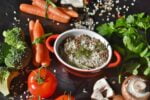










































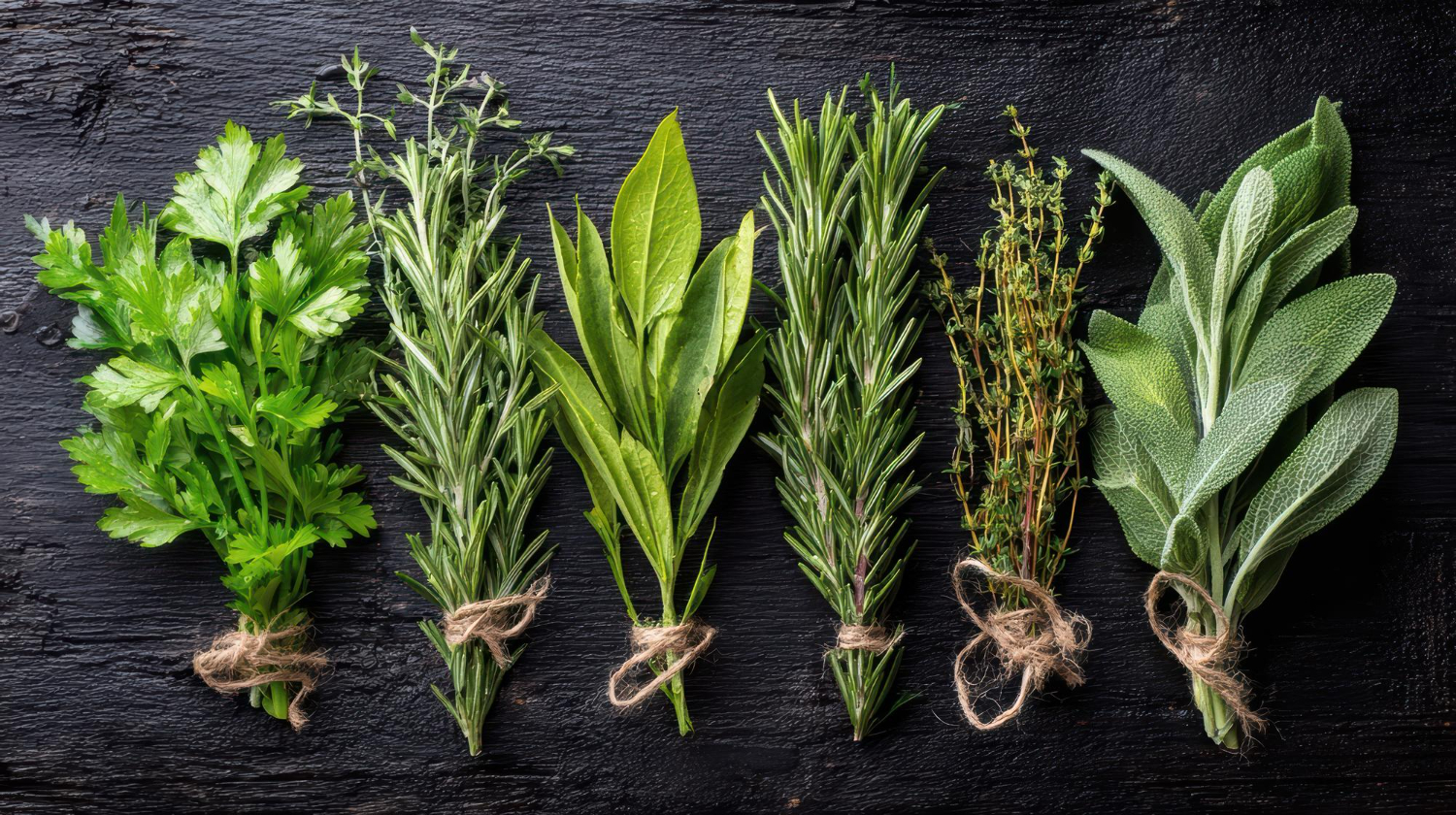
Whenever I prepare a meal, I often realize that the ingredients providing the most memorable flavor aren’t always the meat, vegetables, or grains. More often than not, it’s the aromatic herbs that transform a simple recipe into something unforgettable.
A pinch of rosemary can make roasted potatoes smell irresistible. Fresh basil can completely change the taste of a homemade pasta sauce. Mint can turn an ordinary yogurt dip into a refreshing accompaniment, while dill can brighten seafood with just a few sprigs.
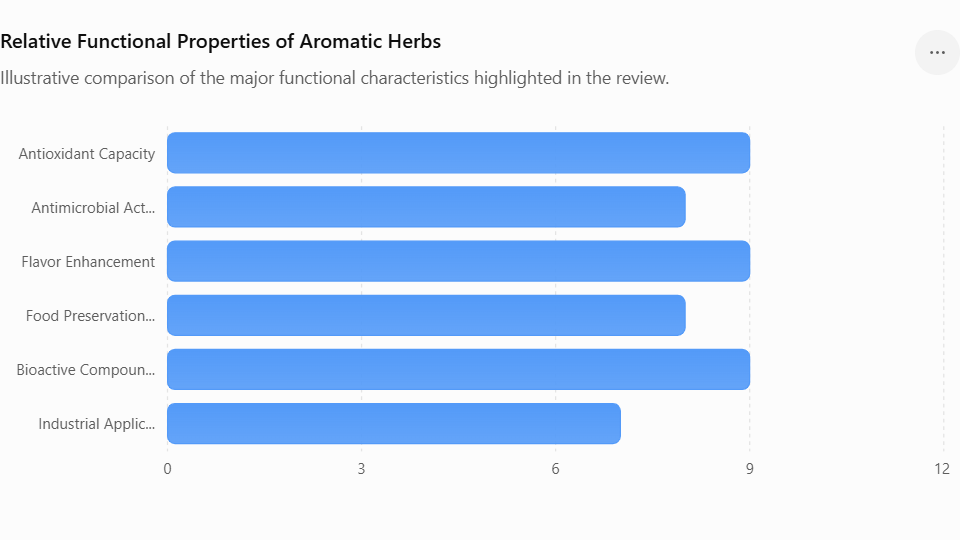
These small but powerful plants have been used in kitchens for thousands of years. Beyond adding fragrance and flavor, many aromatic herbs contain natural antioxidants, vitamins, minerals, and plant compounds that may contribute to a healthy diet.
In this guide, I’ll introduce you to some of the most popular aromatic herbs used in dishes around the world, explain how they taste, where they work best, and share practical tips to help you use them confidently in your own cooking.
Cerita terkait
 17 Manfaat Kesehatan Berbasis Lemon Rumput
 11 Makanan Super untuk Mengurangi Tingkat Stres Dalam Beberapa Minggu
What Are Aromatic Herbs?
Aromatic herbs are edible plants whose leaves, stems, or flowers release a pleasant fragrance because they contain natural essential oils.
Unlike spices, which often come from seeds, bark, roots, or dried fruits, herbs are generally harvested from the leafy parts of plants.
They are commonly used to:
- Enhance flavor.
- Add freshness.
- Improve aroma.
- Balance richness.
- Complement spices.
- Garnish dishes.
- Increase nutritional value.
Many aromatic herbs can be enjoyed fresh or dried, depending on the recipe.

Why Are Aromatic Herbs Important in Cooking?
One lesson I’ve learned over the years is that herbs don’t simply make food taste better—they create balance.
Imagine tomato soup without basil.

Roasted chicken without rosemary.
Fish without dill.
Tzatziki without mint.
The dish may still be edible, but much of its personality would disappear.
Aromatic herbs contribute:
- Natural fragrance.
- Complex flavor.
- Visual appeal.
- Freshness.
- mewarnai.
- Texture.
- Culinary identity.
Different cuisines around the world rely on unique combinations of herbs to create their signature flavors.
Misalnya:
- Italian cuisine often features basil and oregano.
- Mediterranean cooking relies heavily on rosemary and thyme.
- Indian recipes commonly include coriander leaves and mint.
- Mexican dishes frequently use cilantro.
- French cuisine embraces parsley, thyme, and tarragon.
Fresh vs Dried Aromatic Herbs.
One question I hear frequently is whether fresh herbs are always better than dried ones.
The answer depends on the dish.
Here’s a simple comparison.
| Fresh Herbs | Dried Herbs |
|---|---|
| Bright flavor | More concentrated flavor |
| Delicate aroma | Longer shelf life |
| Best added near the end | Often added during cooking |
| Ideal for garnishing | Excellent for slow-cooked meals |
As a general rule, one teaspoon of dried herbs provides roughly the same flavor as one tablespoon of fresh herbs.
Nutritional Benefits of Aromatic Herbs.
Although herbs are usually consumed in small quantities, they still provide valuable nutrients.
Many aromatic herbs contain:
- vitamin A.
- vitamin C.
- Vitamin K.
- folat.
- kalium.
- kalsium.
- besi.
- magnesium.
- antioksidan.
- polifenol.
These naturally occurring compounds contribute both flavor and nutritional value.
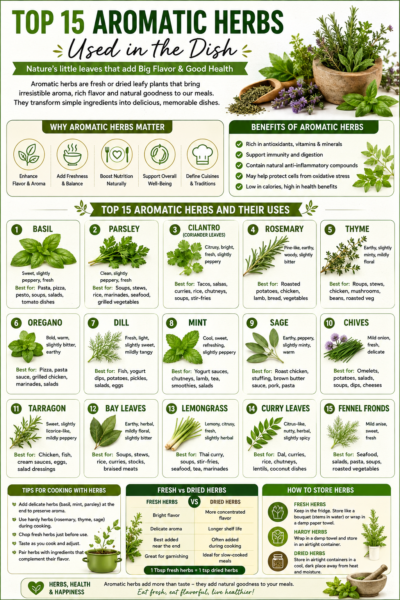
Top 15 Aromatic Herbs Used in the Dish.
Let’s explore the herbs I reach for most often in the kitchen.
1. Basil.
Basil is one of the world’s most recognizable aromatic herbs.
Its slightly sweet, peppery flavor pairs beautifully with tomatoes, garlic, olive oil, and cheese.
Whenever I make homemade pasta, basil is usually the finishing touch.
Flavor Profile.
- Sweet.
- Slightly peppery.
- Fresh.
- Mildly spicy.
Best Used In.
- pasta.
- Pizza.
- Pesto.
- sup.
- Salads.
- Sandwiches.
- Tomato dishes.
Health Highlights.
Basil contains antioxidants along with vitamins A and K.(1)
2. Parsley.
Parsley is often underestimated.
Many people think it’s simply a garnish, but it actually contributes a clean, slightly peppery freshness that brightens many dishes.
There are two common varieties:
- Flat-leaf parsley.
- Curly parsley.
Flat-leaf parsley generally offers a stronger flavor.
Best Used In.
- sup.
- Stews.
- pasta.
- Nasi.
- Marinades.
- Grilled vegetables.
- makanan laut.
Health Highlights.
Parsley provides vitamin C, vitamin K, and several beneficial plant compounds.
3. Cilantro (Coriander Leaves).
Cilantro is one of the most distinctive aromatic herbs.
Some people love its citrusy freshness, while others perceive a soapy flavor due to genetic differences.
Personally, I enjoy using cilantro in fresh salsas and curries.
Flavor Profile.
- Citrus-like.
- Bright.
- Fresh.
- Slightly peppery.
Best Used In.
- Tacos.
- salsa.
- Curry.
- Nasi.
- Chutneys.
- sup.
- Stir-fries.
Health Highlights.
Cilantro contains antioxidants and vitamin K while adding freshness without extra calories.
4. Rosemary.
Rosemary has a bold, woody aroma that stands up well to high-heat cooking.
Because its leaves are firm, it can withstand roasting better than many delicate herbs.
Whenever I roast potatoes or chicken, rosemary is almost always included.
Flavor Profile.
- Pine-like.
- Earthy.
- Woody.
- Slightly bitter.
Best Used In.
- Roasted potatoes.
- Lamb.
- ayam.
- Roti.
- sayuran.
- Olive oil infusions.
Health Highlights.
Rosemary contains naturally occurring antioxidants and aromatic oils.
5. Thyme.
Thyme is subtle but incredibly versatile.
Its earthy flavor complements both vegetables and meats without overpowering other ingredients.
It works especially well in slow-cooked dishes.
Best Used In.
- sup.
- Stews.
- ayam.
- jamur.
- kacang.
- Roasted vegetables.
Flavor Profile.
- Earthy.
- Slightly minty.
- Mildly floral.
6. Oregano.
Oregano is a staple in Mediterranean cooking.
Its bold flavor makes it ideal for tomato-based dishes and grilled meats.
Fresh oregano tastes brighter, while dried oregano develops a deeper intensity.
Best Used In.
- Pizza.
- Pasta sauce.
- Greek salads.
- Grilled chicken.
- Marinades.
- Roasted vegetables.
Health Highlights.
Oregano contains aromatic compounds and antioxidants that contribute both flavor and nutritional value.
7. Dill.
Dill has a delicate, grassy flavor with hints of anise.
I often use it whenever cooking fish because it complements seafood beautifully without masking its natural taste.
Best Used In.
- Salmon.
- Yogurt dips.
- kentang.
- acar.
- Salads.
- telur.
Flavor Profile.
- Fresh.
- Light.
- Slightly sweet.
- Mildly tangy.
8. Mint.
Mint is far more versatile than many people realize.
Although it’s commonly associated with desserts and beverages, it also works wonderfully in savory dishes.
Fresh mint instantly brightens many recipes.
Best Used In.
- Fruit salads.
- Yogurt sauces.
- Chutneys.
- Lamb.
- teh.
- smoothie.
- Mediterranean dishes.
Flavor Profile.
- Cool.
- Sweet.
- Refreshing.
- Slightly peppery.
Mint also pairs exceptionally well with lemon, cucumber, peas, and watermelon, making it one of the most refreshing aromatic herbs available.
In my kitchen, I almost always keep a small bunch of fresh mint on hand because it can elevate both sweet and savory recipes with very little effort.
9. Sage.
Sage is one of the oldest culinary herbs and is known for its earthy, slightly peppery flavor. Its velvety leaves and robust aroma make it an excellent addition to hearty meals, especially during the colder months.
I like using sage when preparing roasted vegetables or butter-based sauces because a few leaves can completely transform the flavor.
Flavor Profile.
- Earthy.
- Peppery.
- Slightly minty.
- Warm.
Best Used In.
- Roast chicken.
- Stuffing.
- Brown butter sauce.
- Pumpkin dishes.
- Pork.
- pasta.
- Roasted squash.
Health Highlights.
Sage contains antioxidants and beneficial plant compounds that contribute to its distinctive aroma and nutritional value.
10. Chives.
Chives belong to the onion family but offer a much milder flavor than onions or garlic.
Their thin green leaves are commonly chopped and sprinkled over dishes just before serving.
I often add fresh chives to baked potatoes and creamy soups because they provide freshness without overpowering other ingredients.
Flavor Profile.
- Mild onion.
- Fresh.
- Delicate.
Best Used In.
- Mashed potatoes.
- Omelets.
- Salads.
- Cream soups.
- Sandwiches.
- Soft cheeses.
- dip.
Health Highlights
Chives provide vitamins A and C along with small amounts of antioxidants.
11. Tarragon.
Tarragon is famous in French cuisine and has a unique flavor that combines hints of anise and licorice.
Although it isn’t used as frequently as basil or parsley, it adds remarkable complexity to sauces and poultry dishes.
Flavor Profile.
- Sweet.
- Slightly licorice-like.
- Mildly peppery.
Best Used In.
- ayam.
- ikan.
- Cream sauces.
- telur.
- saus salad.
- Vinegars.
Health Highlights
Tarragon contains naturally occurring plant compounds and aromatic essential oils.
12. Bay Leaves.
Bay leaves are unlike most herbs because they are usually removed before serving.
Instead of being eaten, they slowly release their flavor while food cooks.
Whenever I prepare soups or stews, I almost always include one or two bay leaves.
Flavor Profile.
- Earthy.
- Herbal.
- Mildly floral.
- Slightly bitter.
Best Used In.
- sup.
- Stews.
- Rice dishes.
- kari.
- Stocks.
- Braised meats.
Health Highlights.
Bay leaves contain aromatic oils that contribute to their distinctive fragrance.
13. Lemongrass.
Although technically a grass, lemongrass is widely used as an aromatic herb in many Asian cuisines.
Its fresh citrus aroma instantly brightens soups and curries.
Flavor Profile.
- Lemony.
- Citrusy.
- Fresh.
- Slightly herbal.
Best Used In.
- Thai curry.
- Coconut soup.
- Stir-fries.
- makanan laut.
- teh herbal.
- Marinades.
Health Highlights.
Lemongrass contains antioxidants and naturally occurring essential oils.
14. Curry Leaves.
Curry leaves are an essential ingredient in many South Indian and Sri Lankan dishes.
Unlike curry powder, curry leaves have their own unique flavor and aroma.
I especially enjoy their fragrance when they’re briefly fried in hot oil at the beginning of a recipe.
Flavor Profile.
- Citrus-like.
- Nutty.
- Herbal.
- Slightly spicy.
Best Used In.
- Dal.
- Vegetable curries.
- Nasi.
- Chutneys.
- Kacang lentil.
- Coconut dishes.
Health Highlights.
Curry leaves provide antioxidants along with vitamins and minerals in small amounts.
15. Fennel Fronds.
Many people throw away the feathery green tops of fennel without realizing they’re edible.
These delicate fronds have a mild licorice flavor and make an excellent garnish.
Flavor Profile
- Mild anise.
- Sweet.
- Fresh.
Best Used In.
- makanan laut.
- Salads.
- pasta.
- sup.
- Roasted vegetables.
Health Highlights
Fennel fronds contain antioxidants and small amounts of vitamin C.
How to Cook with Aromatic Herbs?
One lesson I’ve learned is that adding herbs at the right time can make a significant difference.
Delicate herbs should usually be added near the end of cooking.
Contohnya meliputi:
- Basil.
- ketumbar.
- Parsley.
- Chives.
- Dill.
- Mint.
Adding them too early can reduce their aroma.
Hardier herbs tolerate longer cooking times.
Contohnya meliputi:
- rosemary.
- thyme.
- Sage.
- Bay leaves.
- oregano.
These herbs slowly release their flavors into soups, sauces, and roasted dishes.
Tips for Using Aromatic Herbs.
To get the best flavor from aromatic herbs, I follow a few simple practices:
- Wash fresh herbs gently before use.
- Pat them dry with a clean towel.
- Chop herbs just before adding them to preserve their aroma.
- Taste as you cook rather than adding large amounts at once.
- Pair herbs with ingredients that complement their flavor.
- Use fresh herbs for garnishing whenever possible.
Fresh Herb Pairing Guide.
| Herb | Pairs Well With |
|---|---|
| kemangi | Tomato, mozzarella, garlic |
| Rosemary | Chicken, potatoes, lamb |
| timi | Mushrooms, beans, chicken |
| Dill | Fish, yogurt, cucumber |
| Mint | Lamb, peas, yogurt |
| Parsley | Nearly all savory dishes |
| ketumbar | Lime, avocado, chili |
| oregan | Pizza, pasta, grilled vegetables |
| Sage | Butter, pumpkin, pork |
| Tarragon | Chicken, eggs, cream sauces |
How to Store Aromatic Herbs?
Proper storage helps maintain freshness and flavor.
Fresh Herbs.
Store soft herbs like parsley and cilantro in a glass with a small amount of water.
Cover loosely with a plastic bag and refrigerate.
Hardy Herbs.
Rosemary and thyme can be wrapped in a damp paper towel and placed inside a sealed container.
Dried Herbs.
Keep dried herbs in airtight containers away from heat, sunlight, and moisture.
Most dried herbs retain good flavor for about 6–12 months.
Common Mistakes When Using Aromatic Herbs.
Even experienced home cooks sometimes make these mistakes.
Adding Too Many Herbs.
Using too many strong herbs can overpower a dish.
Cooking Delicate Herbs Too Long.
Fresh basil and parsley lose much of their aroma if cooked for extended periods.
Using Old Dried Herbs.
Dried herbs gradually lose their essential oils.
Replace them if they have little aroma.
Not Tasting During Cooking.
Herbs vary in strength, so tasting throughout the cooking process helps maintain balance.
Are Aromatic Herbs Good for Your Health?
Although herbs are typically used in small amounts, they can still contribute to a balanced diet.
Many aromatic herbs contain:
- antioksidan.
- polifenol.
- vitamin.
- mineral.
- Naturally occurring essential oils.
These compounds may support overall health when consumed as part of a varied diet rich in fruits, vegetables, whole grains, and lean proteins.
However, herbs should complement a Makan sehat pattern rather than be viewed as a cure or treatment for disease.
pertanyaan yang sering diajukan.
1. Apa itu herbal aromatik?
Herbal aromatik adalah tanaman yang dapat dimakan dengan daun atau batang yang harum yang digunakan untuk meningkatkan rasa dan aroma makanan.
2. Apa perbedaan antara rempah-rempah dan rempah-rempah?
Herbal biasanya berasal dari bagian tanaman yang berdaun, sedangkan rempah-rempah biasanya diperoleh dari biji, kulit kayu, akar, atau buah-buahan.
3. Ramuan aromatik mana yang paling serbaguna?
Peterseli adalah salah satu herbal yang paling serbaguna karena cocok dengan berbagai macam hidangan gurih.
4. Bisakah saya mengganti rempah kering dengan rempah segar?
YA. Pedoman umum adalah menggunakan 1 sendok teh rempah kering sebagai pengganti 1 sendok makan rempah segar, karena rempah kering memiliki rasa yang lebih terkonsentrasi.
5. Herbal mana yang terbaik untuk masakan Italia?
Basil, oregano, peterseli, rosemary, dan thyme umumnya digunakan dalam masakan Italia.
6. Apakah herbal aromatik kehilangan rasa saat dimasak?
Delicate herbs can lose some of their aroma during prolonged cooking, while woody herbs often become more flavorful as they simmer.
7. Can I grow aromatic herbs at home?
Yes. Many herbs, including basil, mint, parsley, rosemary, and thyme, grow well in pots, balconies, or home gardens with adequate sunlight and regular watering.
garis bawah.
Aromatic herbs may seem like small ingredients, but they have a remarkable ability to transform the flavor, aroma, and appearance of a dish. From the sweet notes of basil and the earthy warmth of rosemary to the refreshing taste of mint and the citrusy brightness of lemongrass, each herb brings its own unique character to the table.
In my experience, learning how to use herbs has made cooking both easier and more enjoyable. Instead of relying on excessive salt or rich sauces, I often let fresh herbs add depth and freshness to meals naturally. They not only enhance taste but also contribute vitamins, antioxidants, and plant compounds that fit well within a balanced diet.
Whether you’re preparing soups, salads, grilled meats, pasta, curries, or roasted vegetables, keeping a selection of aromatic herbs in your kitchen can elevate everyday recipes into memorable meals. Start with a few favorites, experiment with different combinations, and discover how these fragrant plants can bring new life to your cooking.
+1 sumber
FreaktoFit memiliki pedoman pengadaan yang ketat dan bergantung pada studi peer-review, lembaga penelitian pendidikan, dan organisasi medis. Kami menghindari penggunaan referensi tersier. Anda dapat mempelajari lebih lanjut tentang bagaimana kami memastikan konten kami akurat dan terkini dengan membaca Kebijakan Editorial.
- Aromatic Herbs as a Source of Bioactive Compounds: An Overview of Their Antioxidant Capacity, Antimicrobial Activity, and Major Applications; https://pmc.ncbi.nlm.nih.gov/articles/PMC11944975/