








































 Workout

 Meditation


 Podcast
 E-book



If you have vestibular migraine, you know that what you eat can have a significant impact and also how the condition affects you. This condition induces vertigo, which may make you feel like you’re moving when you aren’t, or that your surroundings are moving around you when they aren’t. This kind of dizziness can feel similar to motion sickness, and both conditions can be relieved with the right diet. Learn how to heal your vestibular migraine with the right diet in this article.
What is Vestibular Migraine?
Vestibular migraine is a type of migraine that is characterized by vertigo, or the feeling that you are moving when you are not. Vestibular migraines can be extremely debilitating, as they can make it difficult to even stand up or walk without feeling dizzy or unsteady.
Symptoms of Vestibular Migraine.
People who experience vertigo feel that they are moving when they are not, or that their surroundings are moving around them when they are not. Vertigo can feel similar to motion sickness.
The Most Common Causes of Vestibular Migraines.
Although the exact cause of vestibular migraines is unknown, there are some common triggers that can bring on an attack. These include: stress, anxiety, bright lights, loud noises, and certain types of food. By avoiding these triggers, you can help prevent vestibular migraines from occurring.
Related Stories
 Can You Drink Malta While Pregnant and Is It Safe?
 What is OMAD (One Meal A Day) Diet : Types and Health Benefits
How The Diet Affects Those Conditions.
The vestibular system is responsible for our sense of balance and movement. When this system is off balance, it can cause migraines. There are many trigger foods that can contribute to vestibular migraines, such as: caffeine, alcohol, MSG, aspartame, and processed meats.
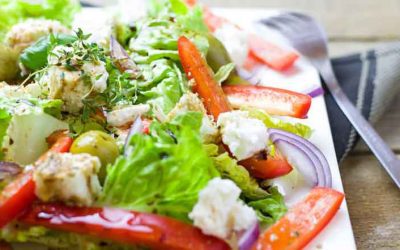
Eating a healthy diet rich in whole foods can help heal the vestibular system and prevent migraines.(1) Some examples of these foods include lean proteins, leafy greens, healthy fats like olive oil and avocado, complex carbohydrates like sweet potatoes or quinoa, plenty of water, fermented vegetables like sauerkraut or kimchi, probiotics (to aid digestion), dark chocolate (in moderation) for its antioxidants and magnesium content. Avoiding allergenic foods may also be helpful to some people.
The Right Foods For Those Suffering From Vestibular Migraines.
If you’re one of the many people who suffer from vestibular migraines, you know how debilitating they can be. The good news is that there are certain foods that can help ease the symptoms of this condition. Here are seven foods to add to your diet if you suffer from vestibular migraines:
1 Salmon.
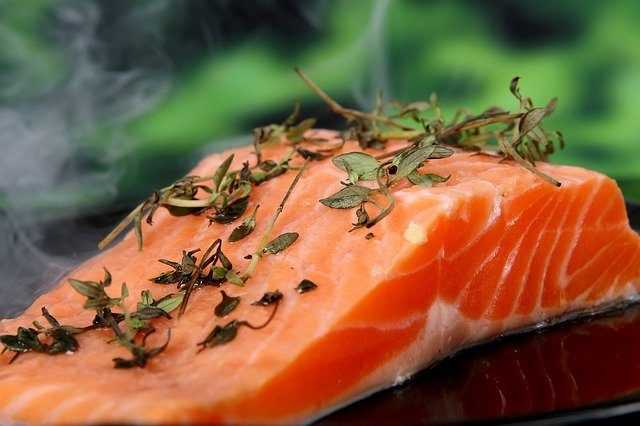
This fish is rich in omega-3 fatty acids, which have been shown to reduce inflammation.
2 Ginger.

It has long been used as a natural home remedy for nausea & vomiting.
3 Banana.
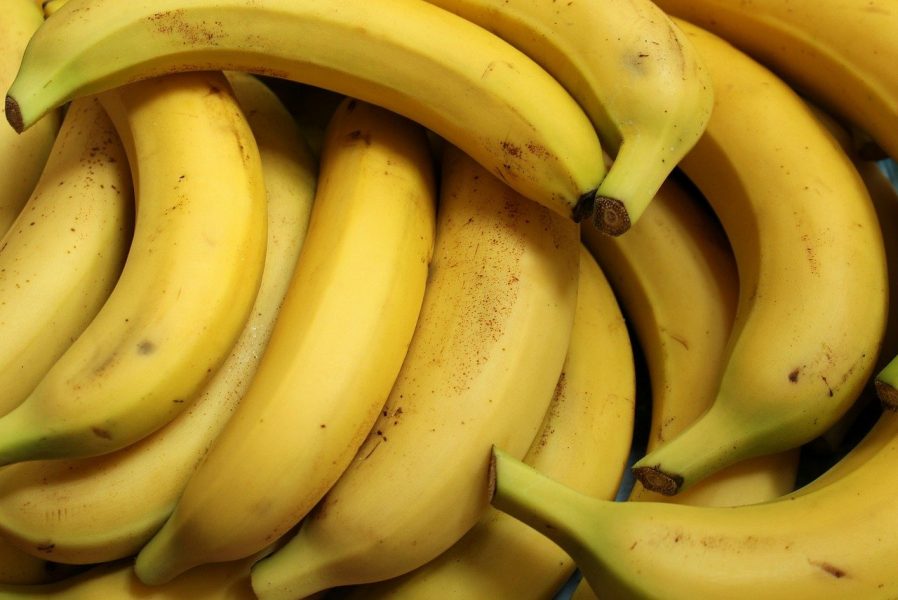
Bananas are a good source of potassium, which can help regulate fluid levels in the body and ease dizziness.
4 Papaya.
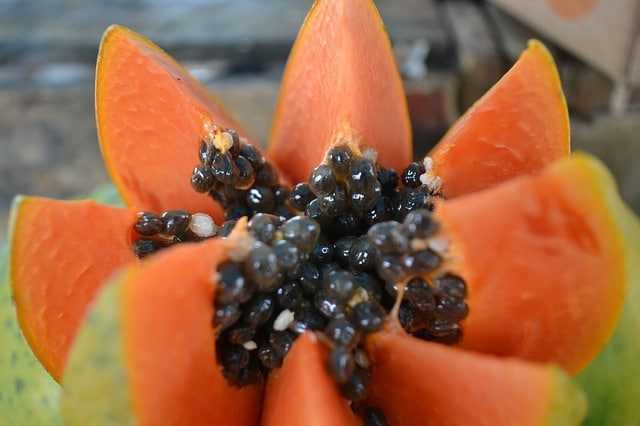
Papayas are an excellent source of vitamin C, which aids in building up the immune system and protects against stressors.
5 Flaxseed Oil.
Adding flaxseed oil to your diet helps alleviate chronic pain and also provides nutrients like omega-3s, fiber, protein, antioxidants, and minerals like magnesium.
6 Turkey Breast.
Turkey breast contains tryptophan which may help improve mood or provide relief from depression due to its effects on serotonin production in the brain
7 Sunflower Seeds.
Sunflower seeds contain magnesium, zinc, iron and copper; all of these minerals play a role in regulating blood pressure , preventing migraine headaches, and easing symptoms of vertigo.
Supplements That You Should Consider.
If you’re looking for a natural way to ease your vestibular migraine, consider adding vitamin B6 and magnesium to your diet. Research has shown that many people who experience vertigo benefit from higher doses of vitamin B6, which is often supplemented as 500 mg twice per day.
Magnesium is another mineral which has been found to be helpful in relieving the symptoms of vertigo; one study found that patients who took 100-200 mg per day were able to reduce their frequency of dizziness by 50%.
Both magnesium and vitamin B6 can also help relieve headaches associated with migraines, so they are also worth considering if you experience more than just vertigo.
Foods To Avoid In Vestibular Migraine Diet.
People who experience vertigo know how debilitating it can be. The spinning sensation and nausea can make it difficult to function in your everyday life.
While there is no cure for vestibular migraine, making changes to your diet may help lessen the symptoms. Here are some foods to avoid if you suffer from this condition:-
- Salty food (because salt intensifies the effect of sodium on water balance).
- Aged cheese (because aged cheese contains tyramine which can worsen migraines).
- Red wine (because red wine contains histamine which also worsens migraines).
- Alcoholic beverages (due to their dehydrating effects).
- Spicy food (because it causes a change in pressure levels inside the head that increase the risk of developing a headache or migraine)
- Pickled food (pickles contain vinegar which can cause dehydration and lead to headaches).
- Nuts, seeds, corn chips, pretzels and popcorn (they contain magnesium which can exacerbate headaches).
- Caffeinated drinks like tea or coffee (they intensify the symptoms of headache by increasing blood flow).
Bottom Line.
If you’re suffering from vestibular migraine, it’s important to pay attention to your diet. While there is no one-size-fits-all solution, certain foods and nutrients may help alleviate your symptoms. These include ginger, omega-3 fatty acids, magnesium, and vitamin B12. If you’re unsure about which changes to make, talk to a registered dietitian or your doctor. With the right approach, you can find relief and start enjoying your life again.
+1 Source
Freaktofit has strict sourcing guidelines and relies on peer-reviewed studies, educational research institutes, and medical organizations. We avoid using tertiary references. You can learn more about how we ensure our content is accurate and up-to-date by reading our editorial policy.
-
1 The Healthy Eating Plate Advice for Migraine Prevention: An Interventional Study; https://www.ncbi.nlm.nih.gov/pmc/articles/PMC7352548/