







































 Workout

 Meditation


 Podcast
 E-book


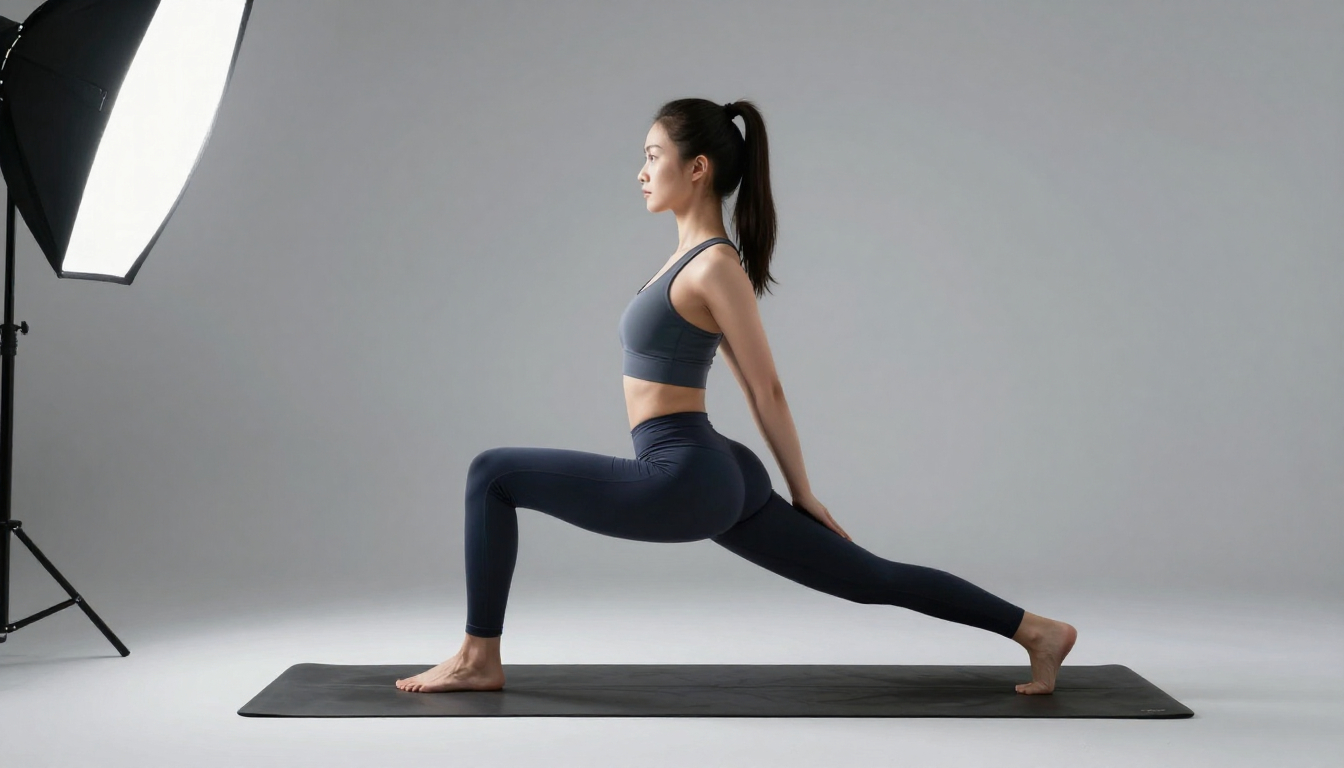
Yoga is a practice that improves the physical, mental and emotional health of men and women. It is more than 3,000 years old, and curiously, for many years it was practiced by men, even prohibited to women.
But currently, in yoga classes there are a large majority of women, who practice the postures and sequences to improve their physical fitness, while taking care of their mind and emotions.
These yoga postures are simple and can be practiced anywhere, whatever your yoga level, your age or your physical condition.
They are designed for female athletes, because they can also be practiced as part of your training routine, to help you prevent and improve your injuries on rest days, in addition to calming your mind and emotions and focusing on days of stress and anxiety.
Related Stories
 5 Most Effective Yoga Poses To Cure Erectile Dysfunction
 Shunya Mudra: Benefits, Side Effects, How To Do and Precautions
Yoga for Women’s Health.
Yoga is a great help for women’s health, from childhood, adolescence, motherhood, menopause or old age, a woman goes through many stages in her life related to hormonal processes that lead to bodily and emotional changes.
Added to the complexity of daily life, with the stress and anxiety of combining work, family, friendship, sports, leisure, women tend to put themselves last and take care of themselves when serious problems appear.
The practice of yoga can help us be more aware of the needs of our physical body, but it is not only a way to get in shape, it also relieves and prevents female health problems related to stress and anxiety that worsen menstrual pain, endometriosis, polycystic ovary syndrome, irregular periods, etc.
Thanks to yoga, we can find a space for physical, mental and emotional health in our daily lives.
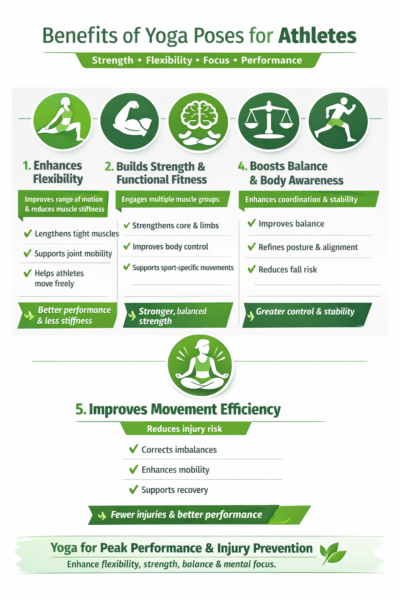
Benefits of Yoga Poses.
- Yoga increases flexibility — helping athletes improve range of motion and reduce muscle stiffness.(1)
- Yoga engages multiple muscle groups, leading to better strength and functional fitness.(2)
- Mental focus, clarity, and psychological resilience are important for athletes under pressure.(3)
- Improved balance and body awareness help prevent falls and enhance athletic performance.(4)
- Better movement patterns help athletes with efficiency and reduced injury risk.(5)
10 Essential Yoga Poses Every Athletic Woman Should Practice for Strength and Recovery.
Here are 10 yoga postures that you can practice every day to improve your health and sports performance:
1 Downward Facing Dog (Adho Mukha Shvanasana).
It is a posture of relaxation and stretching of the back of the body, from the head to the soles of the feet. Helps strengthen hamstrings, calves and thighs. It is a simple inversion, which brings your head below the heart, increasing blood flow to the skull, which helps you improve cognitive function and improve venous return and blood circulation.
2 Butterfly Pose (Baddhakonasana).
A posture that can be practiced anywhere, even when you are at home watching a series or talking in the living room. It is highly recommended for pregnant women, it helps a delivery without problems. The butterfly asana should preferably be practiced after the first trimester. It helps maintain the health of the female reproductive system, prevents and improves problems related to periods and menstruation, and is a good stretch for the hips that increases the flexibility of this tense area in athletic women.
3 Plank Pose (Chaturanga Dandasana).
The plank is a very demanding exercise that, if done with good technique and precision, strengthens the body in general, especially the core or abdominal area, legs, arms, shoulders, back and legs. It is the posture to keep the body in shape. Try to do it with a good breathing pattern, taking advantage of the inhalation to relax the belly, and the exhalation to contract the abdominal muscles, especially the transverse ones, as if you wanted to reduce your waist, to improve the core area and to refine the waist and hips.
4 Warrior Pose (Virabhadrasana).
We all have a warrior inside, and this asana will make you feel like a great fighter to face the day with energy. It helps strengthen arms, breasts and legs and make the hips more flexible. It also requires a bit of balance to maintain.
5 Boat Pose (Naukasan).
Another abdominal or core toning posture that works the legs, which also works on balance. Remember to maintain a good breathing pattern to exhale by tucking in your belly and working your transverse muscles, reducing centimeters from your waist.
6 Tree Pose (Vrikshasana).
Helps maintain focus and balance in your daily life. It also works flexibility in the hips, inner thighs, legs, spine and core. Remember to do it on each side.
7 Child’s Pose (Balasana).
A relaxation posture that helps you calm down in moments of anxiety and stress, and sleep better if you do it before going to bed. It makes the hips more flexible, relieves back pain and soothes pain in the pelvic area.
8 Bridge Pose (Setu Bandhasana).
This bridge pose is perfect for working the gluteal area to have a fit butt, while stretching the entire front of your body. Open your chest and ribcage as you breathe to allow more oxygen into your blood, and remember to exhale as you contract your glutes.
9 Bow Pose (Dhanurasana).
One of the best postures to prevent and relieve menstruation disorders. It helps digestion, losing weight and maintaining the flexibility of the back, psoas and hamstrings.
10 Garland Pose (Malasana).
It is a perfect pose to stretch after a sports workout and keep your muscles in shape. It also opens the hips, allows you to work the pelvic floor to avoid stress urinary incontinence, and stretches the lower back, groin, hips and ankles. And it is the perfect position to relieve constipation.
Personal Experience.
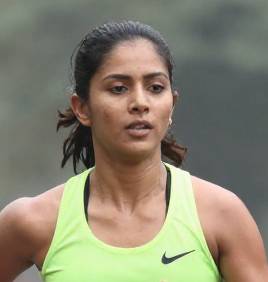
I am Ananya Rao, 32 — Amateur Marathon Runner & Corporate Consultant, Bengaluru, India, as an athlete woman juggling long work hours and marathon training, my body was constantly tight, fatigued, and prone to minor injuries.
Adding these yoga poses into my routine completely changed how I recovered and performed. Postures like Downward Dog, Warrior, and Bridge helped me improve flexibility, strengthen my core and hips, and ease menstrual discomfort during intense training weeks.
Beyond the physical benefits, yoga gave me mental calm and focus, helping me approach both competitions and daily stress with more balance and confidence.
“Incorporating these yoga poses into my athletic routine helped me recover faster, improve flexibility, and stay mentally focused during intense training days.”
Expert Opinion.
As per Dr. Laura Mitchell, Sports Physiotherapist & Women’s Athletic Health Specialist, London, UK, he stated that yoga plays a crucial role in supporting female athletes by improving joint mobility, muscular balance, and neuromuscular control—three factors essential for injury prevention and optimal performance.
Regular practice of poses like Warrior, Plank, and Bridge helps strengthen stabilizing muscles, while restorative poses such as Child’s Pose and Butterfly aid recovery and hormonal balance.
For athletic women, yoga is not just flexibility training; it is a powerful tool to enhance resilience, recovery, and long-term physical and mental well-being.
Frequently Asked Questions.
1 Is yoga enough for athletic women or should it be combined with workouts?
Yoga works best when combined with strength and cardio training. It enhances recovery, flexibility, balance, and mental focus, complementing athletic workouts rather than replacing them.
2 Can yoga help female athletes prevent injuries?
Yes. Yoga improves joint mobility, muscle balance, and posture, which significantly lowers the risk of common athletic injuries like hamstring strains, knee pain, and lower-back issues.
3 How often should athletic women practice yoga?
Ideally, 3–5 sessions per week. Even short daily sessions (15–30 minutes) can improve recovery, flexibility, and mental clarity without overtraining.
Bottom Line.
Incorporating yoga poses into the training regimen of an athlete woman can provide numerous physical and mental benefits. These poses can improve flexibility, strength, and balance, while also promoting relaxation and stress relief.
By incorporating yoga into their routine, athlete women can enhance their performance, prevent injuries, and cultivate a deeper mind-body connection.
Overall, practicing yoga poses can help athlete women achieve a well-rounded and holistic approach to their fitness and well-being.
+5 Sources
FreakToFit has strict sourcing guidelines and relies on peer-reviewed studies, educational research institutes, and medical organizations. We avoid using tertiary references. You can learn more about how we ensure our content is accurate and up-to-date by reading our editorial policy.
- Effects of yoga on physical and psychological health among community-dwelling older adults: A systematic review and meta-analysis; https://pubmed.ncbi.nlm.nih.gov/37577926/
- Meta-Analysis of the Effect of Yoga Practice on Physical Fitness in the Elderly; https://pubmed.ncbi.nlm.nih.gov/34770176/
- The Impact of Yoga on Athletes’ Mental Well-Being: An Experimental Study; https://pubmed.ncbi.nlm.nih.gov/39224730/
- The potential effects of a holistic yoga intervention on performance and injury risk in volleyball players: a randomized controlled trial; https://pubmed.ncbi.nlm.nih.gov/40663109/
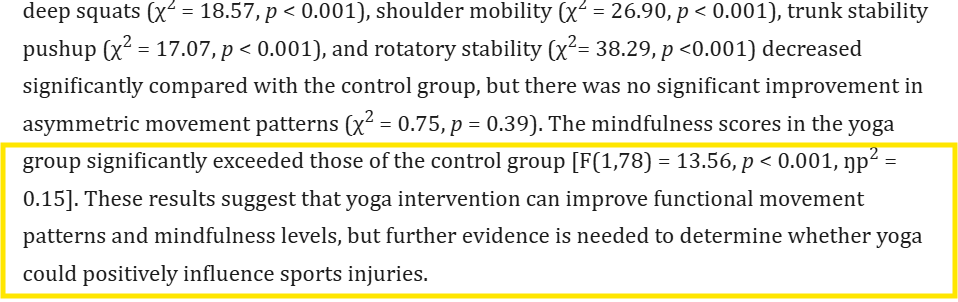
- Effects of Yoga Intervention on Functional Movement Patterns and Mindfulness in Collegiate Athletes: A Quasi-Experimental Study; https://pmc.ncbi.nlm.nih.gov/articles/PMC9690310/