











































 Workout

 Meditation


 Podcast
 E-book


The Fast Facts
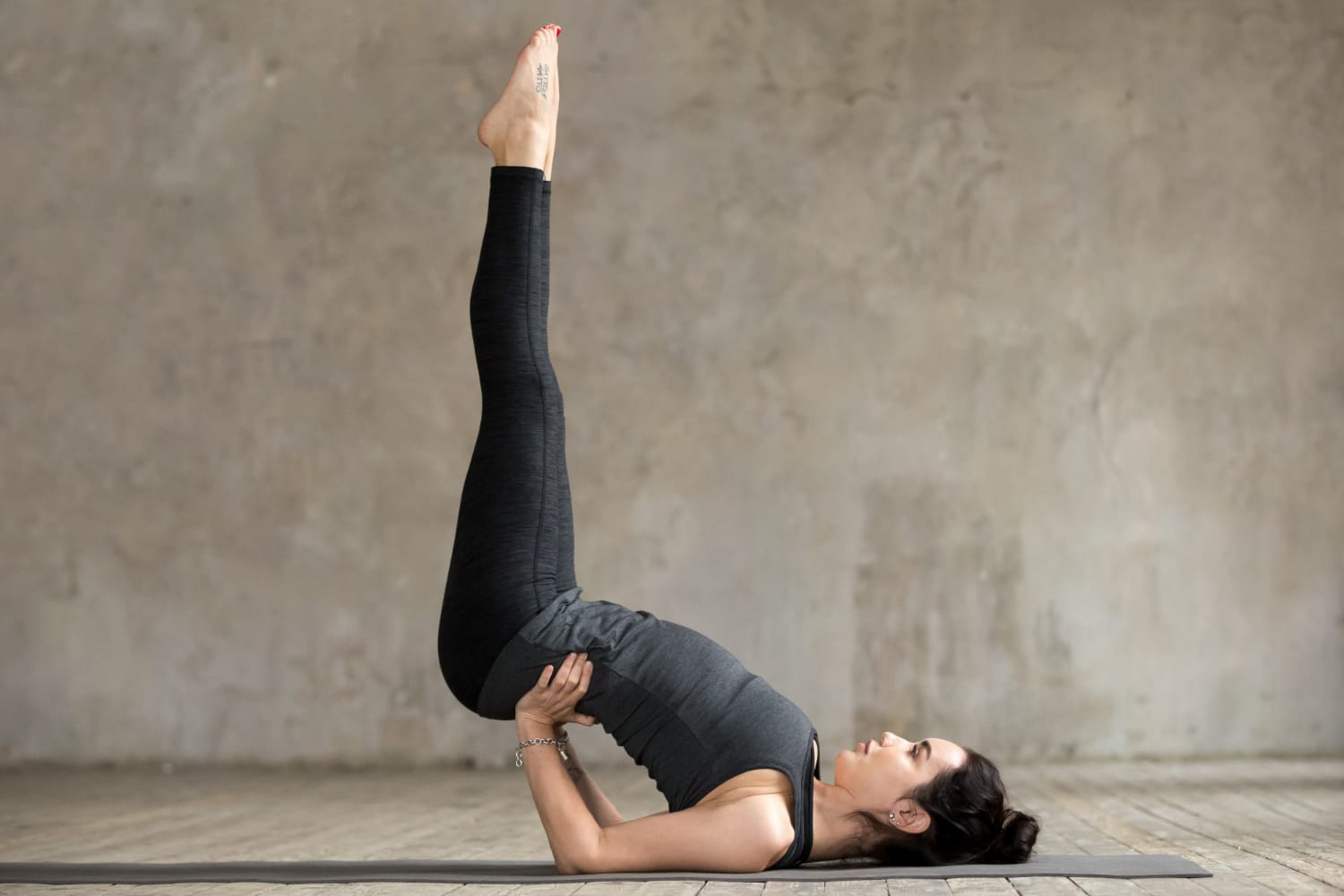
- Viparita Karani Pose, also known as Legs-Up-the-Wall Pose, is a restorative yoga pose that involves lying on the back with the legs extended vertically up a wall.
- Viparita Karani is a deeply relaxing pose that can help calm the nervous system and promote a sense of peace and relaxation.
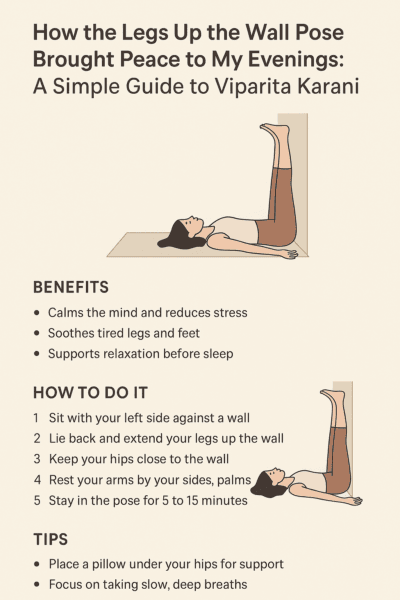
- To begin, it is advisable to enter the side posture, pressing your buttocks to the wall with the left side of the trunk on the floor.

Viparita Karani Pose, also known as Legs-Up-the-Wall Pose, is a restorative yoga pose that involves lying on the back with the legs extended vertically up a wall. This gentle inversion allows for increased circulation and blood flow to the upper body and head, while also relieving tension in the legs and lower back. The pose is often practiced to reduce stress and anxiety, calm the mind, and promote relaxation. Additionally, Viparita Karani can help to alleviate symptoms of insomnia, menstrual cramps, and digestive issues. It is a simple yet effective pose that can be easily incorporated into a daily yoga practice for overall health and well-being. One of the most beneficial postures for athletes, it calms the mind and helps release muscle and joint tension after training.
Benefits of Viparita Karani Pose.
Viparita Karani, also known as Legs-Up-The-Wall Pose, is a restorative yoga pose that offers numerous benefits for both the mind and body. Some of the key benefits of Viparita Karani pose include:
1 Improves circulation.
By elevating the legs above the heart, Viparita Karani helps improve blood flow and circulation throughout the body. This can help reduce swelling in the legs and feet, as well as improve overall circulation.(1)
Related Stories
 The Power Of Breathwork: Transform Your Mind And Body
 How the Bind Yoga Pose Helped Me Open My Body and Mind: Benefits, Variations & Steps
2 Relieves stress and anxiety.
Viparita Karani is a deeply relaxing pose that can help calm the nervous system and promote a sense of peace and relaxation. This can help reduce stress and anxiety, and promote a sense of well-being.(2)
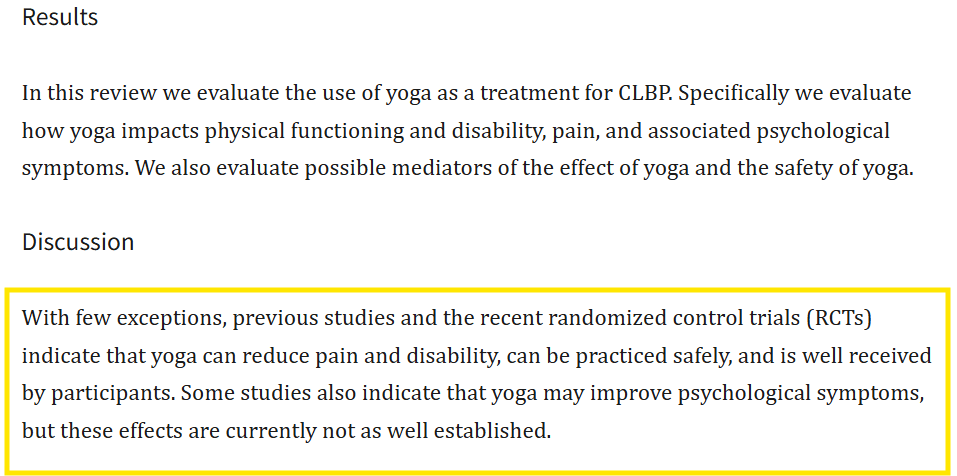
3 Relieves back pain.
Viparita Karani is a gentle inversion that can help relieve tension in the lower back and spine. By elongating the spine and stretching the muscles in the back, this pose can help alleviate back pain and improve overall spinal health.(3)
4 Improves digestion.
Viparita Karani can help stimulate the digestive organs and improve digestion. By gently compressing the abdomen and improving blood flow to the digestive organs, this pose can help alleviate digestive issues and promote better gut health.(4)
5 Reduces swelling in the legs.
Viparita Karani is a great pose for reducing swelling in the legs and feet. By elevating the legs above the heart, this pose helps drain excess fluid from the legs and reduce swelling, making it a great option for those with circulation issues or edema.
| 💡 Tips FreakToFit.com Viparita Karani is a wonderful restorative pose that offers a wide range of benefits for both the mind and body. By incorporating this pose into your yoga practice, you can enjoy improved circulation, reduced stress, relief from back pain, improved digestion, and reduced swelling in the legs. |
How To Do Legs to the Wall Pose or Viparita Karani?
To begin, it is advisable to enter the side posture, pressing your buttocks to the wall with the left side of the trunk on the floor. So you just have to lift your legs from the floor to the wall when you inhale, and bring your toes towards you when you exhale. You can also move your legs along the wall to the sides as you exhale and bring them back together at the top as you inhale.
Repeat this posture in its passive or active version for about 5 minutes, focusing on your breathing.
An advice:
You can place a folded blanket or cushion under your buttocks and lower back if you feel tension or pain in the area.
How the Legs Up the Wall Pose Brought Peace to My Evenings: Personal Experience.
I am Emily Carter, 38 — Wellness Coach, Portland, Oregon, USA, after long workdays filled with client calls and screen time, my evenings often felt restless and overstimulated. I struggled to quiet my mind, and falling asleep became increasingly difficult. A yoga teacher once suggested that I try Viparita Karani—Legs Up the Wall—as part of my nightly wind-down routine.
At first, I was surprised by how simple the pose was, but within minutes of holding it, I noticed a shift. My breath naturally slowed, the tension in my legs and lower back eased, and my nervous system seemed to soften. Over time, this gentle inversion became my signal to unplug for the day. Practicing it consistently helped me sleep more deeply, reduced evening anxiety, and created a sense of calm that carried into my mornings. What I love most is that it requires no effort—just stillness, breath, and a wall.
“Practicing Legs Up the Wall every evening helped me unwind from long workdays, calm my nervous system, and fall asleep faster with a deep sense of peace.”


Expert Opinion.
As per Dr. Melissa Grant, Certified Yoga Therapist & Integrative Health Specialist (San Francisco, USA), Viparita Karani, or Legs Up the Wall pose, is one of the most effective restorative yoga practices for calming the nervous system. From a therapeutic perspective, it gently shifts the body into a parasympathetic (rest-and-digest) state, which helps lower stress hormones, reduce mental fatigue, and improve sleep quality. I often recommend this pose in the evening because it requires minimal effort yet delivers profound relaxation, especially for people dealing with anxiety, long workdays, or leg fatigue. Practiced consistently, it can significantly enhance emotional balance and overall well-being.
Frequently Asked Questions.
1 What is Viparita Karani good for?
Viparita Karani, also known as Legs-Up-The-Wall pose, is good for relaxing the body, reducing stress and anxiety, improving circulation, and relieving tension in the legs and lower back.
2 How long should you stay in Viparita Karani?
You can stay in Viparita Karani for 5-15 minutes.
3 Who should avoid Viparita Karani?
Pregnant women and individuals with neck or eye issues should avoid Viparita Karani.
4 What are the benefits of putting your legs up on the wall for 20 minutes?
Putting your legs up on the wall for 20 minutes can help improve circulation, reduce swelling in the feet and legs, and promote relaxation.
Bottom Line.
Viparita Karani is a beneficial yoga pose that can help improve circulation, reduce swelling in the legs, relieve stress and anxiety, and promote relaxation. By practicing this pose regularly, individuals can experience physical and mental benefits that contribute to overall well-being. It is important to listen to your body and consult with a healthcare professional before attempting any new yoga poses, including Viparita Karani. Incorporating this pose into a regular practice can be a valuable addition to a healthy lifestyle.
+4 Sources
FreakToFit has strict sourcing guidelines and relies on peer-reviewed studies, educational research institutes, and medical organizations. We avoid using tertiary references. You can learn more about how we ensure our content is accurate and up-to-date by reading our editorial policy.
- Therapeutic role of yoga in hypertension; https://pmc.ncbi.nlm.nih.gov/articles/PMC10989416/
- Reducing Stress with Yoga: A Systematic Review Based on Multimodal Biosignals; https://pmc.ncbi.nlm.nih.gov/articles/PMC10919405/
- Yoga as a treatment for chronic low back pain: A systematic review of the literature; https://pmc.ncbi.nlm.nih.gov/articles/PMC4878447/
- Effects of Yoga on Mental and Physical Health: A Short Summary of Reviews; https://pmc.ncbi.nlm.nih.gov/articles/PMC3447533/