









































 Workout

 Meditation


 Podcast
 E-book


AT A GLANCE
- Generally, cancer that detect in the breast is formed in the mammary glands (lobules) or tracts of the breast, which transports milk from the glands to the nipple.
- Breast cancer is a condition when breast cells are divided due to changes in some genes and begin to grow and spread uncontrollably.
- In some cases cancer cells can reach to the lymph nodes under your arms and spread to different parts of the body.

Generally, cancer that detect in the breast is formed in the mammary glands (lobules) or tracts of the breast, which transports milk from the glands to the nipple. Fatty or breast fibrous compound tissue can also be main spots for cancer cells. In some cases cancer cells can reach to the lymph nodes under your arms and spread to different parts of the body. You will be surprise to know that your regular deodorants may cause cancer. So, today in this article we will tell you about how deodorants can also lead to breast cancer.
But, before that let’s know what is breast cancer and it’s symptoms and prevention.
What is Breast Cancer?
According to The World Health Organization (WHO), breast cancer is the most common cancer women have. Statistics show that breast cancer affects about 2.3 million women worldwide every year. According to WHO, the number of women dying of breast cancer in 2020 alone was 685,000.(1)
Related Stories
 Can Tight Underwear Cause Testicular Pain?
 How Animal Bites Impact Your Health And Wellbeing
This is about 15 per cent of cancer deaths among the female population. Breast cancer is a condition when breast cells are divided due to changes in some genes and begin to grow and spread uncontrollably.
Types of Breast Cancer.
There are different types and stages of breast cancer. In addition, it can also affect men, although there are very few such cases. There are broadly two types of breast cancer: invasive (rapidly transmitting) and non-invasive (slowly spreading). 80% of breast cancer is caused by invasive ductal carcinoma.
In this type, cancer reaches to breast fat through duct walls. While in non-invasive type the cells of breast cancer do not go beyond the origin of tissue. Apart from these, there are two other types of breast cancer, although they are very rare. Such as inflammatory breast cancer.
The cases reduced to less than 1 per cent but it spreads rapidly and also has the highest risk of death of women. The fourth type of breast cancer is pagete’s disease. In this type, the area of the nipple turns completely black. The probability of such type of cancer is less than 5 per cent.
What are the Symptoms of Breast Cancer?
Initially breast cancer can be asymptomatic i.e. symptomless. Symptoms of breast cancer also depend on the types of breast cancer. However, the most common sign of this cancer is lumps. But also keep in mind that every lump is not cancer. Following are some symptoms of breast cancer;
- Feeling a stiff ‘lump’ in the breast. Usually these lumps are painless.
- Discharge of dirty blood-like fluid from the nipple.
- Change in breast size.
- Lumps or swelling in the underarm.
- Redness of the nipple, etc.
However, these symptoms can be of any disease other than breast cancer. So consult with your doctor immediately if such signs appear and get the necessary tests done.
Stages of Breast Cancer.
There are various stages of this cancer. The stages are divided depending on the size of the tumor and their effects;
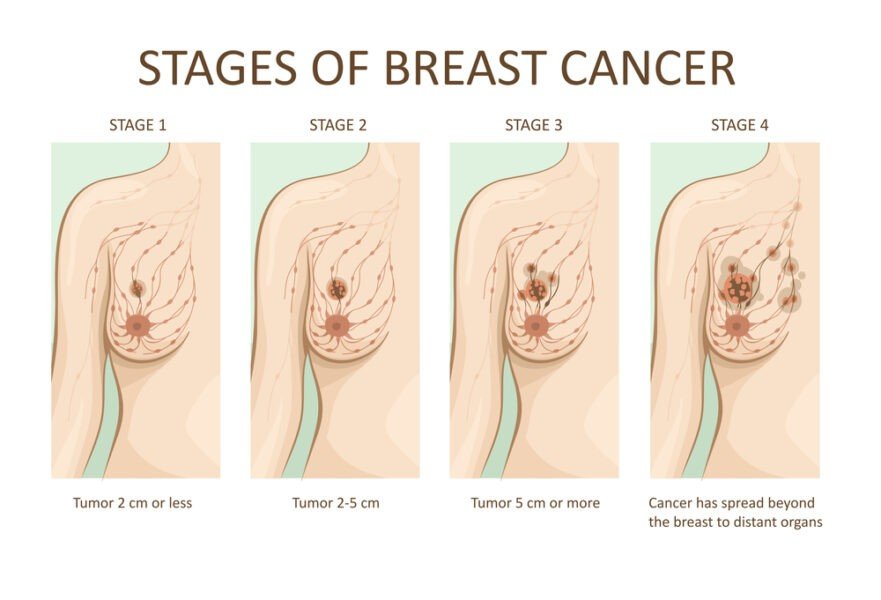
Stage 0– Cancer cells in this stage do not spread outside the duct of the breast. They don’t even reach to the rest of the breast.
Stage 1– The tumor in this stage is not more than 2 cm wide and the lymph nodes are also not affected. But cancer cells start increasing in size which begins to affect healthy cells. However, their size ranges from 0.2 mm to 2 mm. In some cases, they may be larger than 2 mm in size.
Stage 2– Breast cancer in this stage begins to spread beyond its size to other parts. In this stage, it may have spread to other parts.
Stage 3– It is the serious stage. In this stage cancer begins to spread to bones or other organs. In addition, a small portion of it can spread to 9 to 10 lymph nodes under the arms and into the collar bone.
Stage 4– Tumors in this stage can be of any size and cancer cells can spread to any part of the body such as liver, bone, kidney and brain.
| Read Now: 8 Amazing Health Benefits of Curd |
What is Breast Cancer Screening Like?
Your doctor can examine you in many ways to identify breast cancer. We are going to tell you some of the following types of investigation. Out of these, your doctor may recommend any examination.
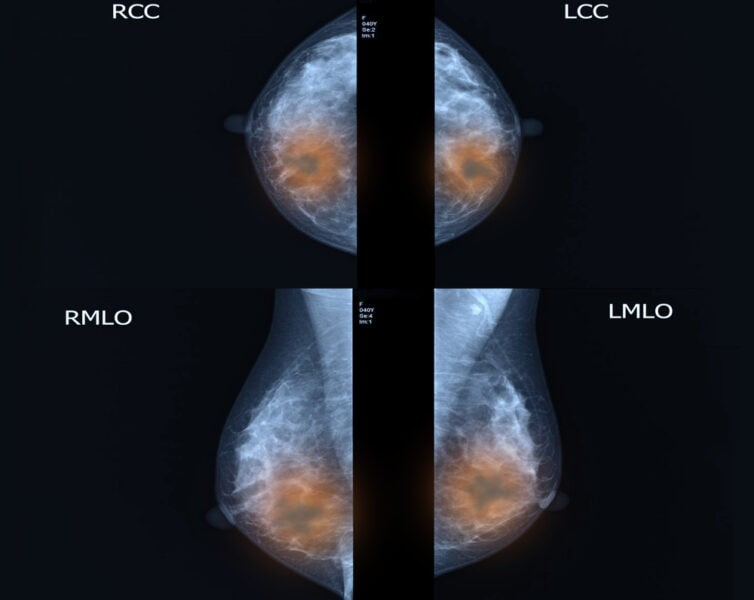
Mammogram: This is an imaging test. Women above 40 may be recommended to undergo mammograms if they have a genetic tendency of breast cancer.
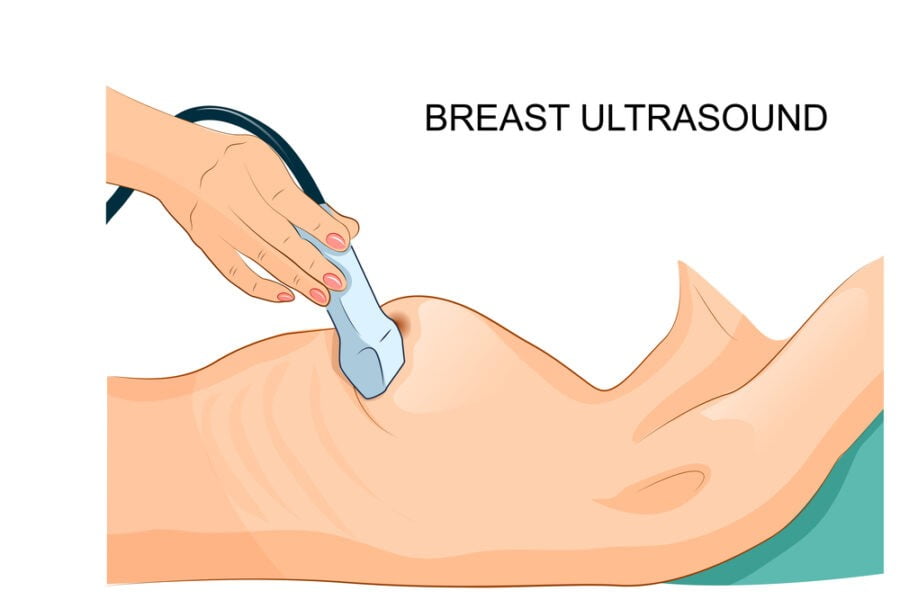
Ultrasound: This imaging test makes it much easier for your doctor to understand if there is cancer in the breast or not.
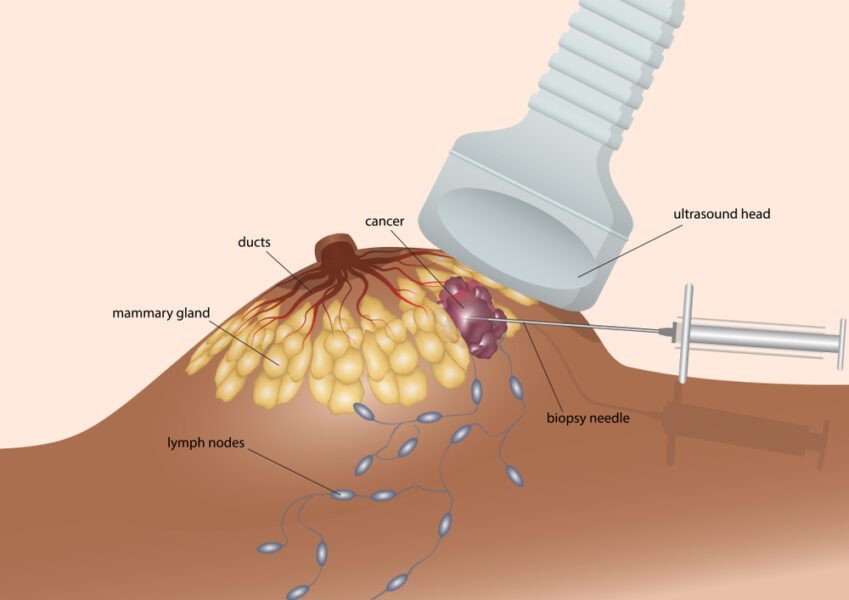
Biopsy: Your doctor may suggest biopsy if a mammogram or ultrasound does not detect breast cancer. In this test, tissue samples from the suspected area are sent to the laboratory to detect breast cancer. These samples can be collected with a needle or through incision.
Who are at Risks of Breast Cancer?
The main causes of breast cancer or any form of cancer are yet to be ascertained. However, the following are some of the reasons that may be responsible for breast cancer:
- Age: In majority of the cases breast cancer are often seen in women above 55.
- Gender: Along with women breast cancer may also detect in men but probability is very less. Globally the cases are very high among women.
- Genetic tendencies: Mutations in genes called BRCA1 and BRCA2 may increase the risk of breast cancer.
- Early onset of menstruation: Women whose periods starts before the age of 12 are more likely to get breast cancer.
- Becoming a mother at an older age: Giving birth to your first child after the age of 35 can also be a risk factor for breast cancer.
- Hormone therapy: Estrogen and progesterone drugs taken after menopause can also increase the risk of breast cancer.
- Late menopause: Menopause at the age of 55 can also pose a risk of breast cancer.
In addition, there are other factors that may be responsible for breast cancer. Such as family history, poor lifestyle, unbalanced diet and excessive alcohol consumption etc.
But presently according to the recent studies it has been found that deodorants can also cause breast cancer especially in women.
Breast Cancer Prevention.
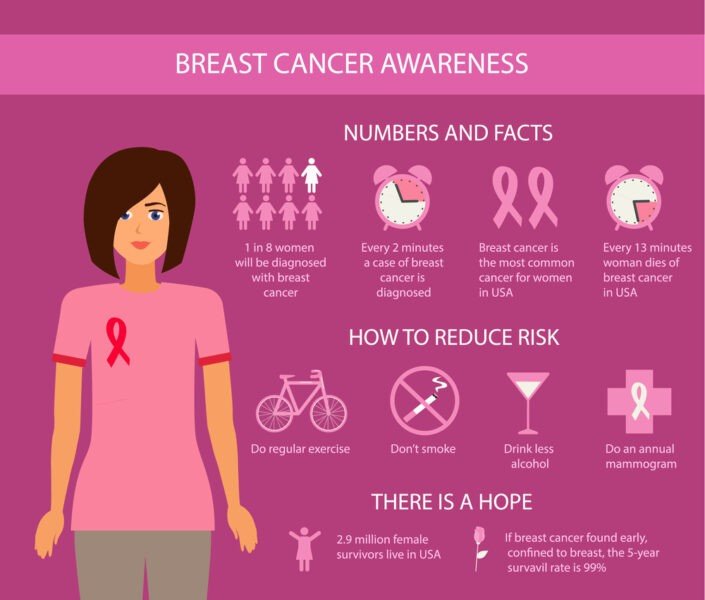
- Breast cancer can be avoided by controlling weight. Women in the age group of 30-35 years should keep their weight balanced.
- According to Harvard nurses’ health study, excessive consumption of alcohol or smoking increases the risk of breast cancer. So avoid them. If you are drinking alcohol etc., start controlling your habit slowly.(2)
- Breast cancer can also be controlled by regular exercise or physical activity. Try to exercise once a day i.e. in the morning or evening.
- Give priority to yoga and meditation in your lifestyle. Doing yoga and meditation reduces the risk of breast cancer.
- Keep your diet balanced. Include as many fruits and vegetables as you can in your diet. Drink 8 to 10 glasses of water daily to keep yourself hydrated.
How Deodorants Cause Breast Cancer?
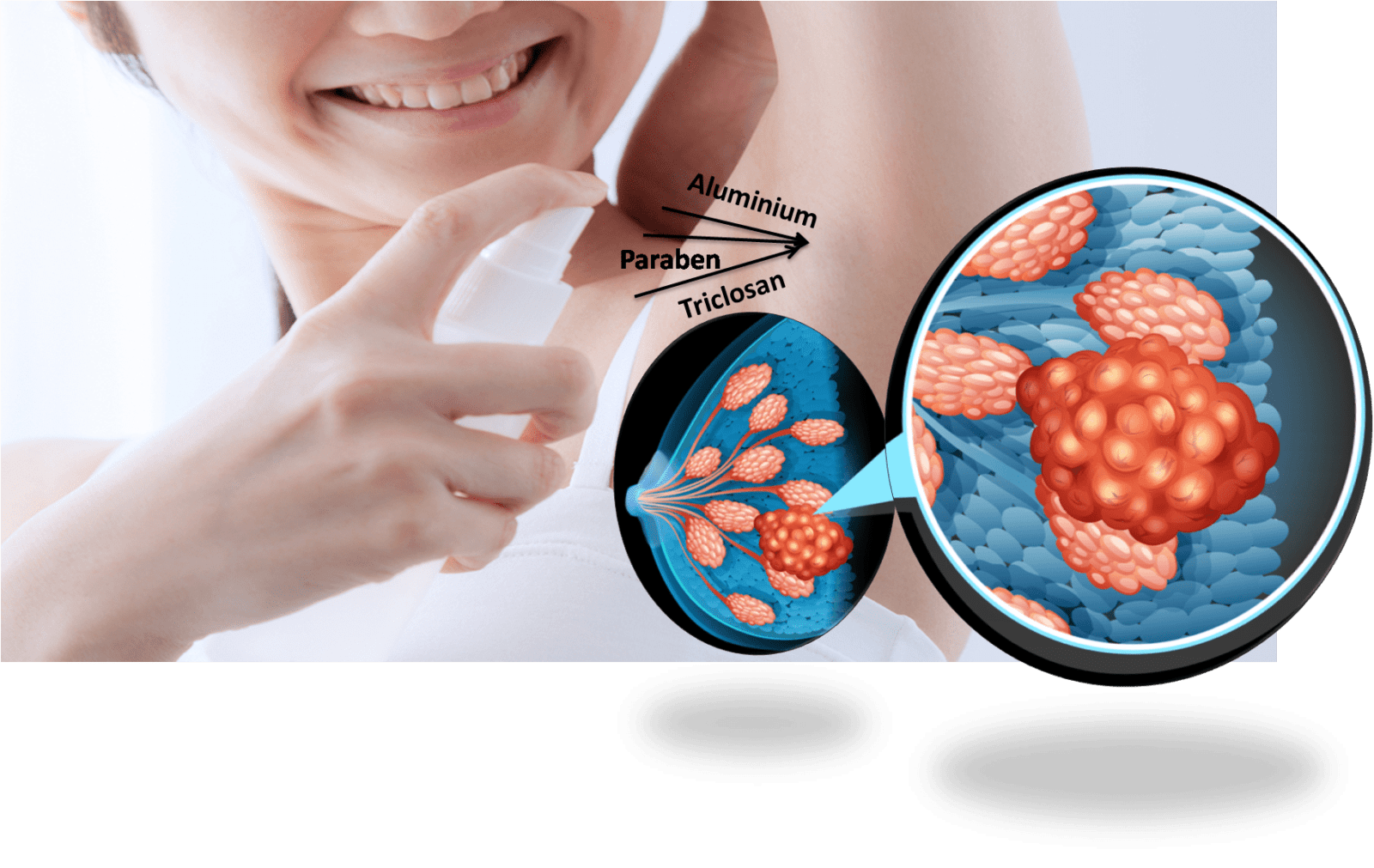
In recent studies it has found that deodorants are one of the causes for breast cancer. According to dermatologist, ingredients like aluminium and parabens present in deodorants can damage breast tissue which increases the risk of breast cancer.
So, if one has genetic history of breast cancer in her family, such person must avoid use of deodorants or antiperspirants. Especially deodorants or antiperspirant that contains aluminium.
deodorants and perfume are used to avoid the smell of sweat in the summer season. But many people use them even in the winter season instead of bathing. Presently our day became incomplete without toothpaste, soap, shampoo, deodorants and perfume, as those are an integral part of our lives. But do you know how many chemicals these deodorants, perfumes and other such products have, which creates a bad effect on health?
Risk of Breast Cancer due to Excessive Use of Deodorants.
Research has revealed that deodorants and perfume contain a number of compounds that are absorbed into the fat cells of underarms and increase the risk rashes along with breast cancer. Deodorants mainly contains 4 chemical compounds that pose a risk of diseases;
- Paraben– According to research, paraben used in deodorants can hinder the process of production of estrogen and other hormones by the body. The breast contains estrogen-sensitive tissue and daily use of paraben deodorants in the underarms promote the growth of cancer cells.
- Aluminium – Antiperspirants and deodorants that prevent sweat also contain aluminium which causes instability in the body’s genes and may increase tumors and cancer cells. Many scientific research essays have revealed that the aluminium-based compound present in deodorants can promote breast cancer.
- Triclosan – Triclosan is used in many beauty products including deodorants and antiperspirant to protect these products from bacterial infections. Triclosan affect hormone activity which also affect the function of thyroid.
- Scent or Perfume – Sometimes many people face problems like sneezing, eye watering or headache due to perfume or sharp scent. These are symptoms of allergies caused by strong fragrance. In many people, excessive use of things like perfumes or deodorants also causes a disease called contact dermatitis. It causes redness and irritation in the skin and sometimes causes swelling.
Deodorants Cause Breast Cancer- Myth or True?
Recently an email rumored was circulated that using deodorants can cause breast cancer. Few people are saying its a myth and few others suggesting it’s true. But according to the research it can be said that, there is no concrete epidemiological studies in the medical literature which supports this. But few of the studies support this evidence. (3)
A study was conducted on 2002 over 813 women with breast cancer and 793 normal women. There the researcher could not find any link with the aspirants.
Whereas, a study published on 2003 stated that women particularly who shaved their underarms prior to apply deodorants has been found that they are prone to develop breast cancer.
The fact is cancer causing agents are absorbed through the razor nicks of shaved underarm. Thereby, these agents gets deposited in lymph nodes of underarm and are difficult to flush out through sweats as antiperspirants suppress it. Thus, it lead to high toxins in the body which lead to develop cancer by mutating the cells.(4)
However, there are very less epidemiological studied which support this evidence.
Bottom Line.
Therefore, it can be said breast cancer is one of the deadly disease and need to be diagnosed properly to avoid huge damage. However, as per the recent fact regarding deodorants cause breast cancer, it is advisable to avoid overdose of deodorants. If you find any kind of irritations or itching on the skin consult with doctor immediately.
+4 Sources
Freaktofit has strict sourcing guidelines and relies on peer-reviewed studies, educational research institutes, and medical organizations. We avoid using tertiary references. You can learn more about how we ensure our content is accurate and up-to-date by reading our editorial policy.
- Breast cancer; https://www.who.int/news-room/fact-sheets/detail/breast-cancer
- Alcohol: Balancing Risks and Benefits; https://www.hsph.harvard.edu/nutritionsource/healthy-drinks/drinks-to-consume-in-moderation/alcohol-full-story/
- Antiperspirant use and the risk of breast cancer; https://pubmed.ncbi.nlm.nih.gov/12381712/
- Antiperspirants and Breast Cancer Risk; https://www.cancer.org/cancer/cancer-causes/antiperspirants-and-breast-cancer-risk.html